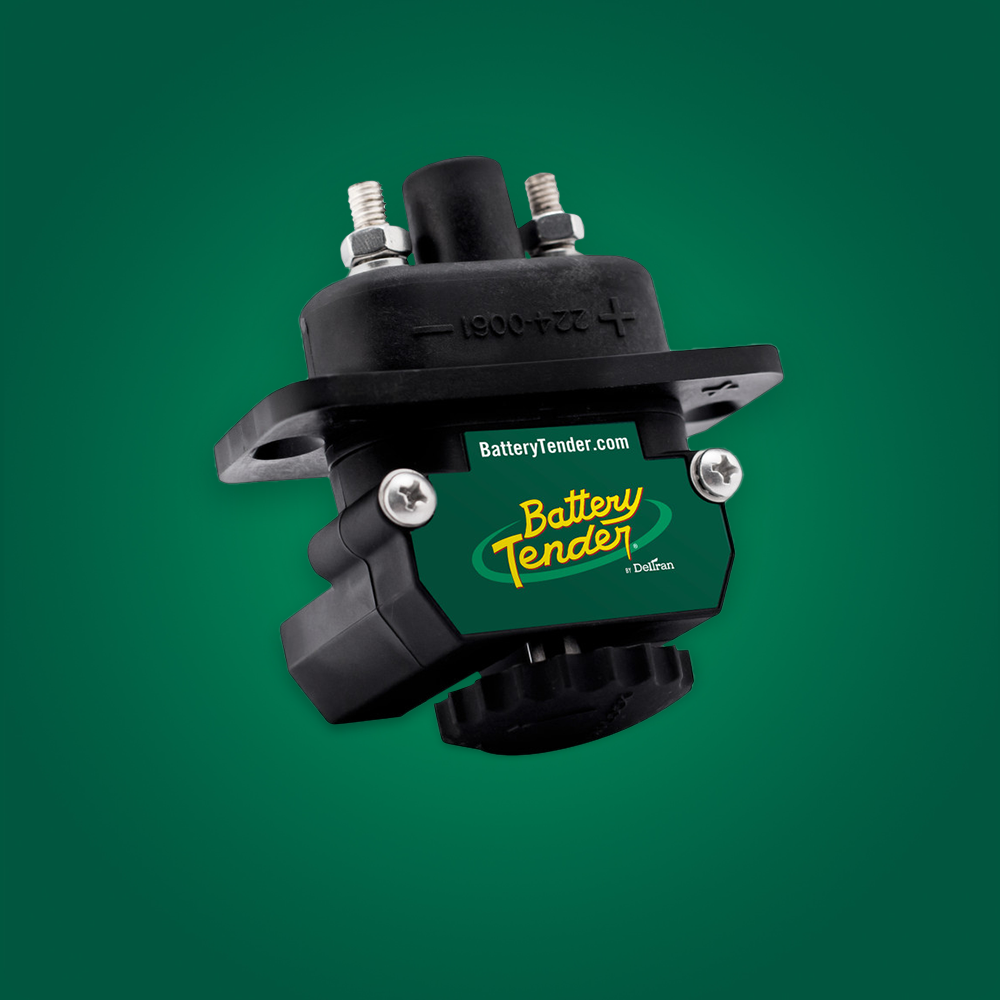



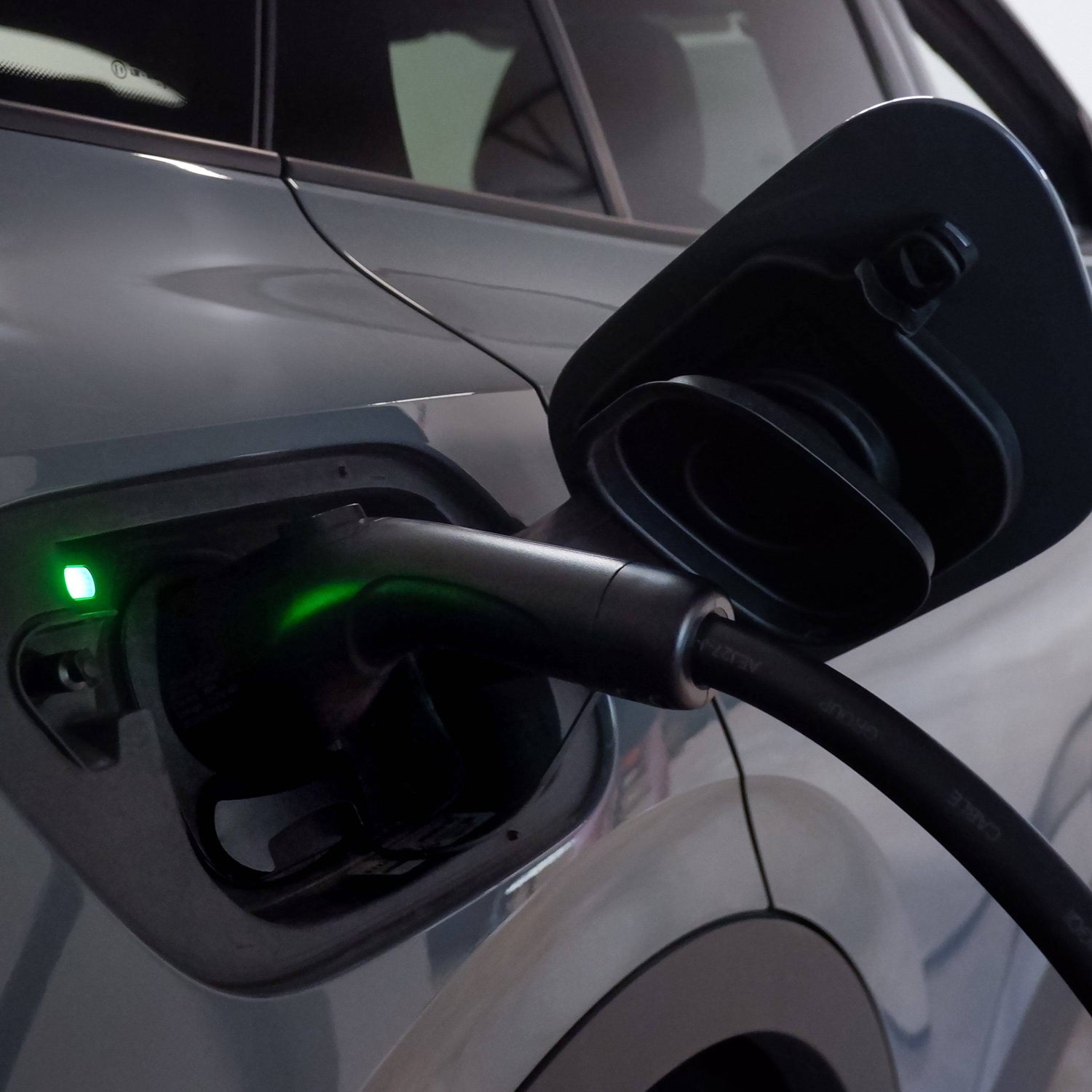
La recharge de véhicules électriques à domicile nécessite de comprendre les différences entre les systèmes de recharge de niveau 1 (120V) et de niveau 2 (240V). Votre choix a un impact sur la commodité quotidienne, le coût d'installation et la satisfaction à long terme de posséder un VE. Battery Tender® met à votre disposition 60 ans d'expertise en matière de recharge pour vous aider à prendre une décision éclairée.
Comprendre les niveaux de recharge
Recharge de niveau 1 (120V) :
- Prise domestique standard (comme votre réfrigérateur)
- 12-16 ampères typiques (1,4-1,9 kW)
- 3 à 5 miles d'autonomie par heure de recharge
- Ne nécessite aucune installation spéciale
- Incluse à l'achat de chaque VE
Recharge de niveau 2 (240V) :
- Circuit dédié de 240V (comme un sèche-linge électrique)
- 16-80 ampères possibles (3,8-19,2 kW)
- 12 à 60 miles d'autonomie par heure de recharge
- Nécessite une installation professionnelle
- Achat facultatif pour usage domestique
Note : Le niveau 3 (recharge rapide DC) est réservé à un usage commercial et n'est pas couvert dans cette comparaison résidentielle.
Comparaison des vitesses de recharge
Exemple réel : Batterie de 60 kWh (autonomie de 200 miles)
Niveau 1 (120V, 12A = 1,4kW) :
- De vide à plein : 42 heures
- 50 miles pendant la nuit (8 heures) : Non
- Recharge quotidienne pour un trajet de 40 miles : 11-14 heures (couvre à peine la nuit)
Niveau 2 (240V, 32A = 7,7kW) :
- De vide à plein : 7,8 heures
- 50 miles pendant la nuit : Oui (facilement)
- Recharge quotidienne pour un trajet de 40 miles : 2-3 heures
Niveau 2 (240V, 48A = 11,5kW) :
- De vide à plein : 5,2 heures
- 50 miles pendant la nuit : Oui (avec du temps à revendre)
- Recharge quotidienne pour un trajet de 40 miles : 1,5-2 heures
Analyse des coûts
Niveau 1 (Prise standard) :
- Équipement : 0 $ (inclus avec le VE)
- Installation : 0 $ (utilise la prise existante)
- Total : 0 $
Installation de niveau 2 :
- Unité de recharge : 400-1 200 $
- Mise à niveau du panneau électrique (si nécessaire) : 1 000-3 000 $
- Installation du circuit : 300-1 500 $
- Permis et inspection : 50-200 $
- Total : 750-5 000 $+ (très variable)
Facteurs influençant le coût du niveau 2 :
- Distance entre le panneau électrique et le garage
- Capacité du panneau (mise à niveau nécessaire ?)
- Matériau du mur (complexité du montage)
- Exigences locales en matière de permis
- Tarifs des électriciens dans votre région
Exigences d'installation
Niveau 1 :
- Circuit de 120 V, 15-20 ampères
- Prise protégée par un DDFT recommandée
- Vérifier que le circuit n'est pas partagé avec des charges lourdes
- Tester la prise avant de l'utiliser
Niveau 2 :
- Circuit dédié de 240 V
- Disjoncteur de 40 à 100 ampères (dépend du chargeur)
- Fil de calibre 6-4 (dépend de l'ampérage et de la distance)
- Prise NEMA 14-50 ou connexion câblée
- Protection DDFT requise (souvent intégrée au chargeur)
- Installation par un électricien professionnel requise
- Permis et inspection dans la plupart des juridictions
Capacité du panneau électrique :
De nombreux foyers disposent d'un service de 100 à 200 ampères. Les chargeurs de niveau 2 consomment 32 à 80 ampères, ce qui peut nécessiter :
- Mise à niveau du panneau pour une capacité supérieure
- Système de gestion de charge
- Recharge programmée pendant les heures creuses
Scénarios de conduite quotidienne
Scénario 1 : Trajet court (30 miles/jour)
- Niveau 1 : Suffisant si vous pouvez recharger 10 à 12 heures par nuit
- Niveau 2 : Excessif, mais offre une flexibilité pour les longs trajets
Scénario 2 : Trajet modéré (60 miles/jour)
- Niveau 1 : Insuffisant – couvre à peine l'utilisation quotidienne pendant la nuit
- Niveau 2 : Marge confortable, se recharge en 3-4 heures
Scénario 3 : Long trajet (100+ miles/jour)
- Niveau 1 : Impossible de maintenir la charge
- Niveau 2 : Requis, de préférence avec un ampérage plus élevé (48-80 A)
Scénario 4 : Foyer avec deux VE
- Niveau 1 : Ne peut pas prendre en charge deux VE de manière adéquate
- Niveau 2 : Plusieurs chargeurs de niveau 2 ou système de partage intelligent
Scénario 5 : Week-ends de voyage
- Niveau 1 : Ne se rechargera pas complètement entre les trajets
- Niveau 2 : Assure une charge complète avant le départ
Avantages et inconvénients
Avantages du niveau 1 :
- Coût d'installation nul
- Fonctionne partout avec une prise standard
- Bon pour les hybrides rechargeables (batteries plus petites)
- Adapté aux très faibles kilométrages quotidiens
- Pas de tracas de permis/inspection
Inconvénients du niveau 1 :
- Extrêmement lent pour les VE purs
- Ne permettra pas de récupérer après les voyages
- Pas de capacité de recharge rapide d'urgence
- Anxiété liée à l'autonomie si la conduite varie
- Peut même ne pas maintenir la charge par temps extrêmement froid (le chauffage de la batterie consomme beaucoup d'énergie)
Avantages du niveau 2 :
- Recharge 4 à 8 fois plus rapide
- Charge complète garantie pendant la nuit
- Flexibilité pour les schémas de conduite variés
- Augmentation de la valeur de la maison
- Préparation pour l'avenir des VE à batterie plus grande
- Peut prendre en charge un foyer à deux VE (avec un deuxième chargeur)
Inconvénients du niveau 2 :
- Coût initial important
- Complexité de l'installation
- Mise à niveau potentielle du panneau requise
- Emplacement fixe (non portable)
- Exigences en matière de permis et d'inspection
Considérations spéciales
Temps froid :
Les VE utilisent une puissance de batterie importante pour le chauffage de l'habitacle et de la batterie. En hiver :
- Le niveau 1 peut ne pas compenser l'utilisation quotidienne plus les pertes de chauffage
- Le niveau 2 offre une marge pour la perte d'efficacité par temps froid
- Le préchauffage de la batterie lorsqu'elle est branchée préserve l'autonomie
Tarifs d'électricité selon l'heure d'utilisation :
- De nombreux fournisseurs offrent des tarifs de nuit plus bas pour la recharge des VE
- La recharge plus rapide du niveau 2 permet une flexibilité dans la programmation
- La recharge plus lente du niveau 1 peut nécessiter une recharge constante pendant la nuit, limitant l'optimisation
Valeur de revente de la maison :
- L'installation de niveau 2 ajoute de la valeur pour les acheteurs intéressés par les VE
- L'installation professionnelle et les permis fournissent une documentation
- Peut être un argument de vente sur les marchés favorables aux VE
Tendances de la taille des batteries :
- Les VE offrent de plus en plus des batteries de 75 à 100+ kWh
- Le niveau 1 devient encore moins pratique pour les batteries plus grandes
- Le niveau 2 devient essentiel plutôt qu'optionnel
Solutions de recharge de VE Battery Tender
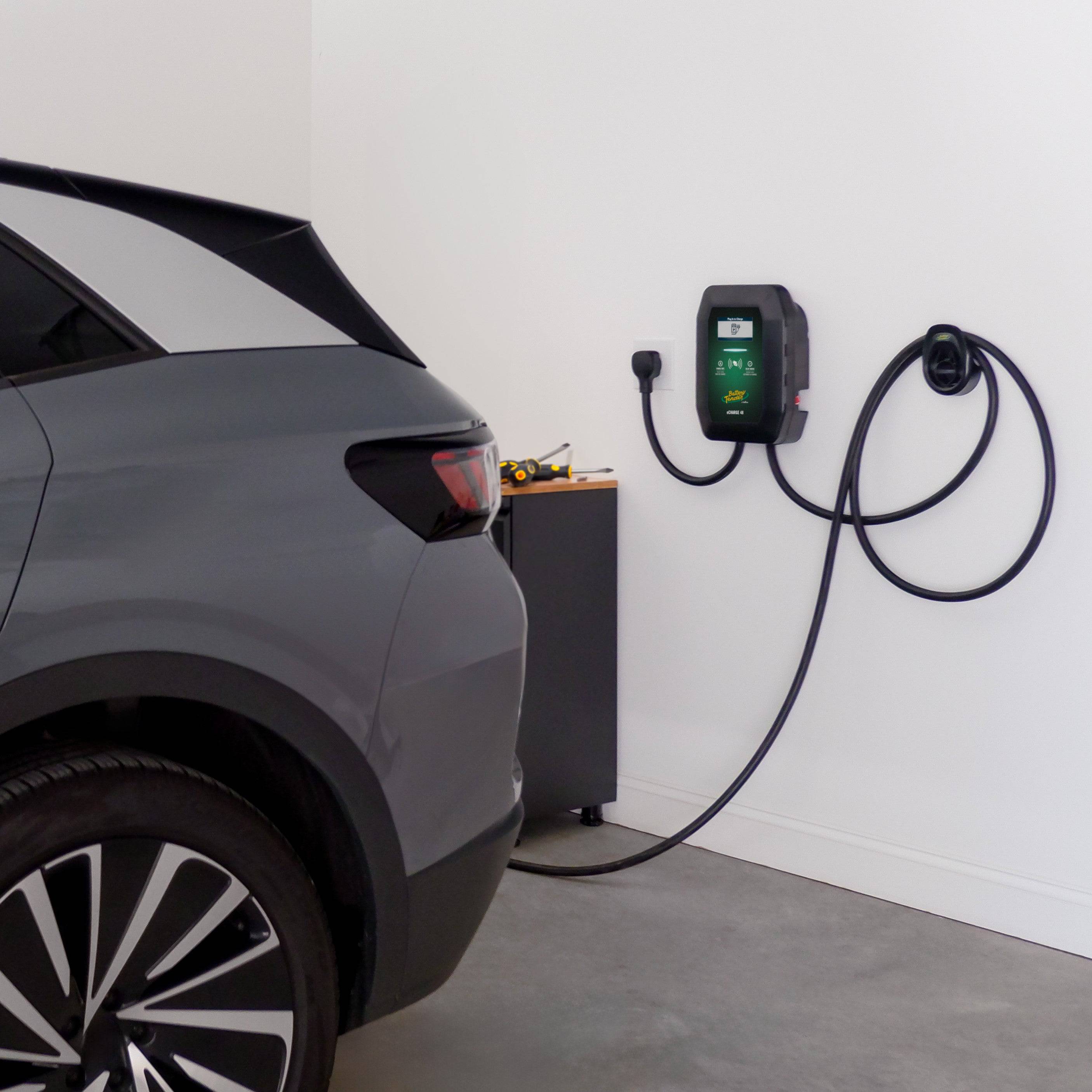
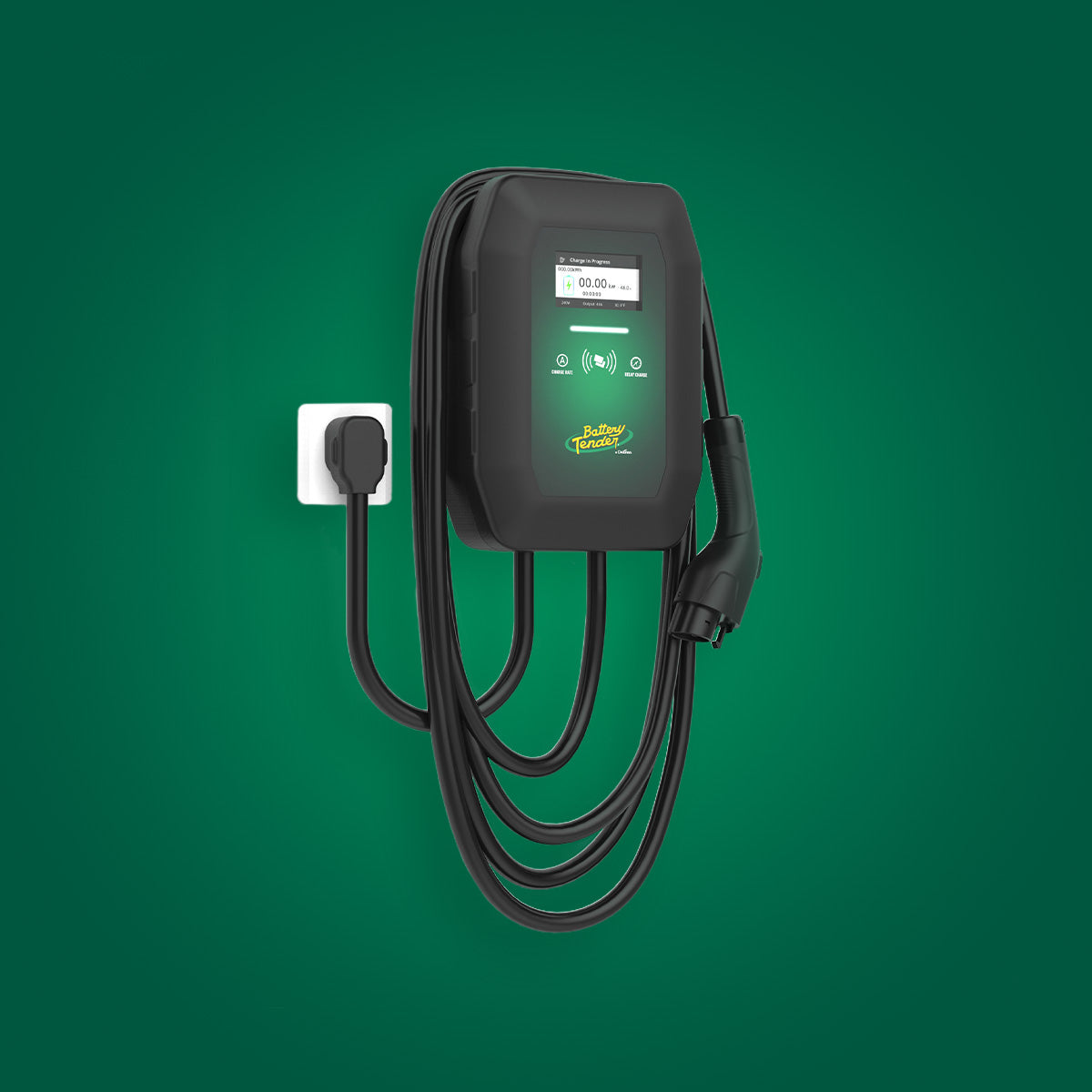
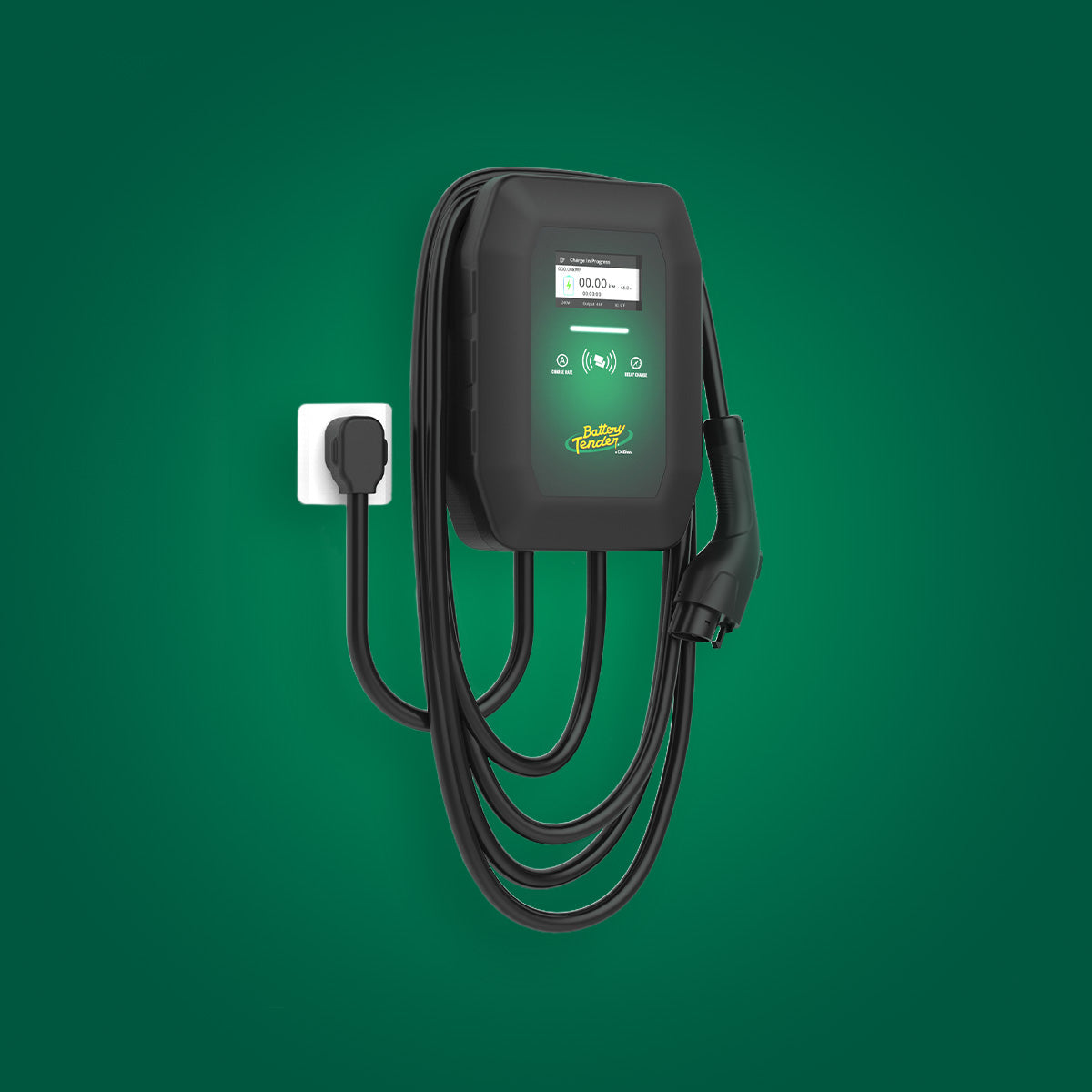
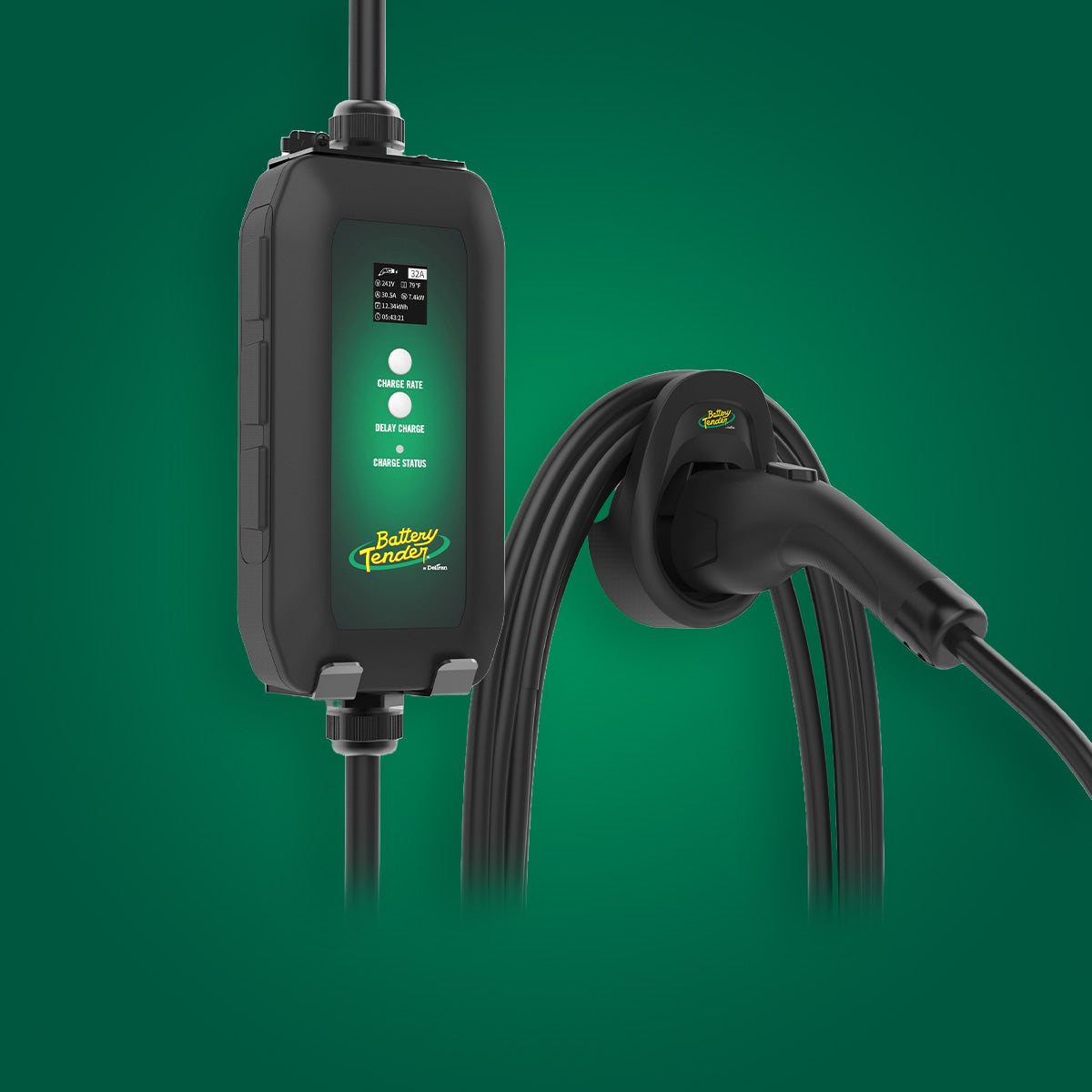
Battery Tender propose des stations de recharge de VE de niveau 1 et de niveau 2 combinant notre technologie de recharge éprouvée avec les exigences modernes des VE :
- Construction résistante aux intempéries pour l'extérieur
- Connectivité Wi-Fi pour le contrôle par smartphone
- Recharge programmée pour les tarifs hors pointe
- Paramètres d'ampérage réglables
- Garantie leader de l'industrie
Découvrez les chargeurs de VE Battery Tender®
Cadre de recommandation
Choisissez le niveau 1 si :
- Conduite quotidienne de moins de 30 miles
- Hybride rechargeable (pas un VE pur)
- Plus de 12 heures de temps de stationnement disponible la nuit
- Le budget exige absolument 0 $ d'installation
- Location et impossibilité d'installer un niveau 2
- Véhicule secondaire/de week-end uniquement
Choisissez le niveau 2 si :
- Conduite quotidienne de plus de 40 miles
- VE pur avec une batterie de 50+ kWh
- Vous êtes propriétaire de votre maison
- Le budget permet un investissement de 1 000 à 3 000 $
- Vous valorisez la commodité et la flexibilité
- Foyer avec deux VE
- Climat froid avec pertes de chauffage
La plupart des propriétaires de VE bénéficient d'une installation de niveau 2 au cours de la première année.
FAQ
Q : Puis-je installer le niveau 2 moi-même pour économiser de l'argent ?
R : Non recommandé et souvent illégal. Le niveau 2 nécessite des travaux de circuit de 240 V qui doivent respecter le code électrique. Une installation incorrecte crée des risques d'incendie et d'électrocution. Faites appel à un électricien agréé.
Q : Combien le niveau 2 augmente-t-il ma facture d'électricité ?
R : Cela dépend de la conduite. Estimation approximative : 100 miles parcourus = 33 kWh utilisés = 4 à 8 $ de coût supplémentaire (varie selon les tarifs locaux). Le niveau 2 ne coûte pas plus cher à utiliser que le niveau 1, il charge simplement plus vite.
Q : Puis-je utiliser ma prise de sèche-linge pour la recharge de niveau 2 ?
R : Possible, mais non recommandé pour une solution permanente. Le sèche-linge et le VE ne peuvent pas fonctionner simultanément. Installez un circuit dédié pour la recharge du VE.
Q : Tous les VE fonctionnent-ils avec tous les chargeurs de niveau 2 ?
R : Oui, en Amérique du Nord. Tous les VE utilisent le connecteur J1772 (sauf Tesla, qui inclut un adaptateur). Les chargeurs sont indépendants du véhicule.
Conclusion
La recharge de niveau 2 transforme la possession d'un VE, la rendant d'une commodité frustrante à une commodité sans effort. Bien que le niveau 1 suffise pour une conduite minimale, la plupart des propriétaires de VE trouvent que la vitesse et la flexibilité du niveau 2 valent bien l'investissement d'installation.
Battery Tender applique six décennies d'expertise en matière de recharge aux stations de recharge de VE de niveau 2, offrant la fiabilité et l'intelligence qui nous ont fait un nom de confiance dans l'entretien des batteries.
Parcourez les solutions de recharge de VE Battery Tender®.
Lecture associée : Entretien de la batterie de voiture en hiver : guide complet de l'entretien de la batterie par temps froid