


Car Jumper Guide: Portable Jump Starter Use and Recovery (2026)
A car jumper is a device or set of cables that borrows enough power to crank an engine with a dead battery. It restarts the engine in minutes, but it does not recharge the battery, so the same battery will likely fail again within days unless it is fully charged afterward.
Most guides stop once the engine turns over, but that is only the halfway point. Battery Tender® chargers use Infinite Sequential Monitoring (ISM), a four-stage process, to restore the charge a car jumper cannot supply and then hold it safely. This guide covers how a car jumper works, how to use one safely, how to match its size to the engine, and how to recover the battery after a jump start.
Key Takeaways
- A car jumper delivers a short burst of starting current. It does not restore a deeply discharged battery.
- Portable lithium-ion jump starters need no second vehicle and include built-in connection protection. Jumper cables need a running donor car.
- Match jump starter peak amps to engine size and fuel type. Diesel engines need more power than gasoline engines of the same displacement.
- Recharge the battery within 24 hours of a jump start. A battery left partially discharged sulfates and loses capacity.
- ISM charging recovers the battery in four stages and can stay connected indefinitely without overcharging.
What Is a Car Jumper and How Does It Work?
A car jumper sends a short burst of high current, often several hundred amps, to the starter motor while bypassing the weak battery. The starter turns the engine, the alternator takes over, and the vehicle runs. The weak battery stays weak.
That distinction matters because an alternator is built to replace starting energy and run electrical loads. It is not built to fully recharge a flat battery. A short drive after a jump start typically leaves a deeply discharged battery well below full charge.
Jumper Cables vs. a Portable Jump Starter
Both tools are called a car jumper, but they work differently:
- Jumper cables: Pass current from a running donor vehicle. They are inexpensive, but they need a second vehicle, correct positioning, and careful clamp order.
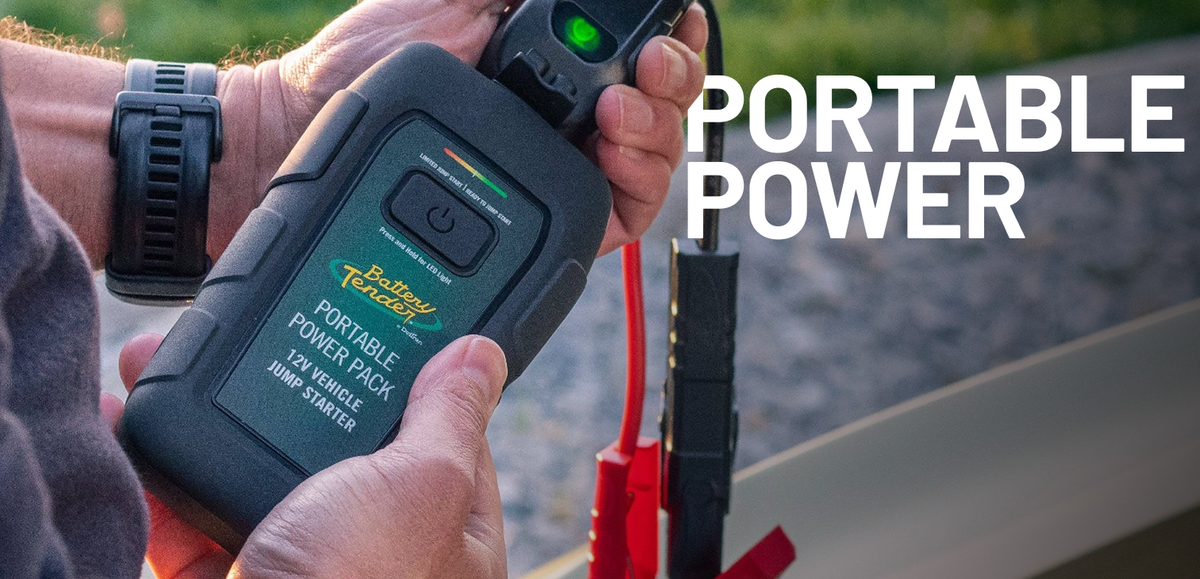
- Portable jump starter: A self-contained battery pack with clamps. It works alone, in any parking spot, and most quality units protect against reversed clamps and short circuits.
Why Lithium-Ion Packs Changed the Car Jumper
Lithium-ion jump starters are compact and hold their charge for months. They also deliver high peak current from a pack small enough for a glovebox. Older lead-acid jump boxes weigh far more and lose charge faster. The lithium-ion pack is why a modern car jumper is now practical for motorcycles, boats, tractors, and daily cars alike.
How Do You Use a Car Jumper Safely, Step by Step?
Connect red to positive, black to bare metal ground, start the engine, then disconnect in reverse order. Always check the owner manual first, because some vehicles specify remote jump terminals.
Using a Portable Jump Starter
- Turn everything off. Switch off the ignition, lights, radio, and accessories.
- Inspect the battery. Do not proceed if the case is cracked, swollen, leaking, or frozen.
- Connect red to positive (+). Clamp the red lead to the positive battery terminal or the remote positive jump post.
- Connect black to ground. Clamp the black lead to unpainted bare metal on the engine block or chassis, away from the battery and fuel lines.
- Power on the jump starter. Confirm the indicator shows a correct connection.
- Start the engine. Crank for no more than 5 seconds. If it does not start, wait about 30 seconds before trying again.
- Disconnect in reverse. Remove black first, then red, and power the jump starter off.
Using Jumper Cables
The order is red to the dead battery positive, red to the donor positive, black to the donor negative, and black to bare metal on the disabled vehicle. Run the donor engine for 2 to 5 minutes before cranking. Remove the clamps in exact reverse order.
Safety Rules That Prevent Damage
- Keep sparks, flames, and cigarettes away. Batteries vent hydrogen gas during heavy charging.
- Never let the red and black clamps touch each other.
- Never jump a frozen battery. Thaw it first.
- Wear eye protection and remove metal jewelry.
Which Car Jumper Size Fits Your Engine?
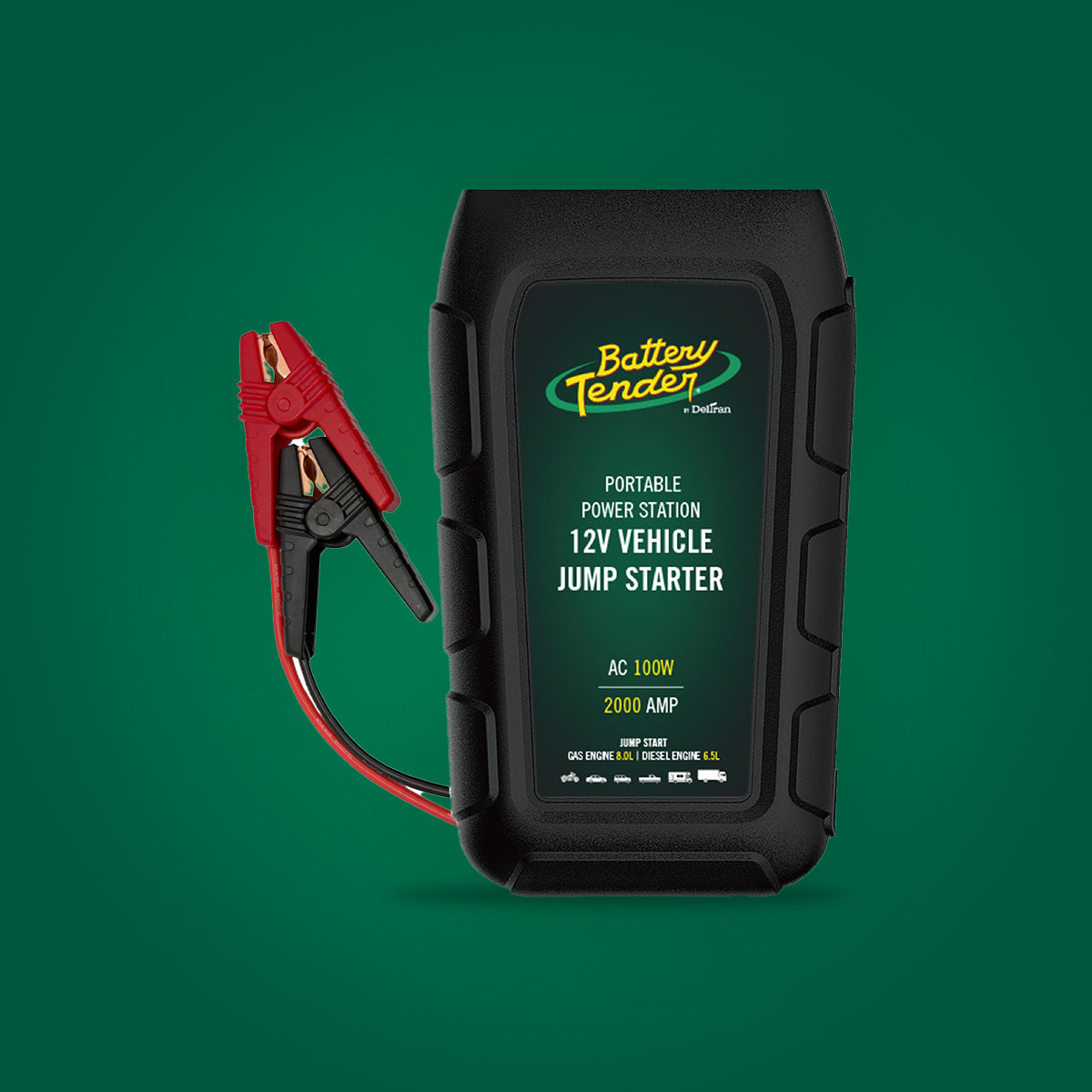
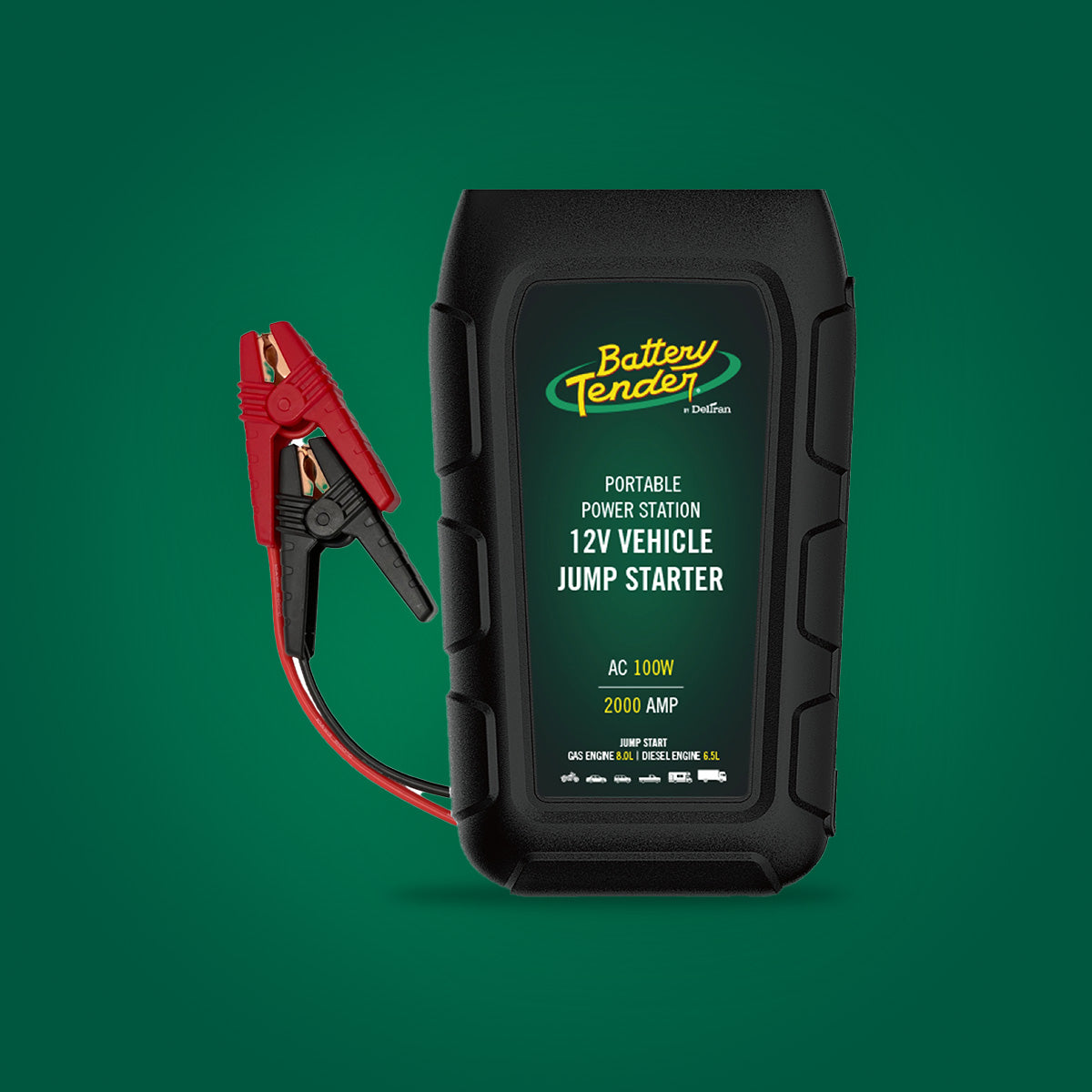
Choose a car jumper by engine displacement and fuel type, then add margin for cold weather. The table lists Battery Tender portable jump starters with their rated engine capacity.
| Battery Tender Model | Peak Amps | Max Gas Engine | Max Diesel Engine |
|---|---|---|---|
| Battery Tender Jump N Start 600 Amp | 600A | 4.0L | 2.0L |
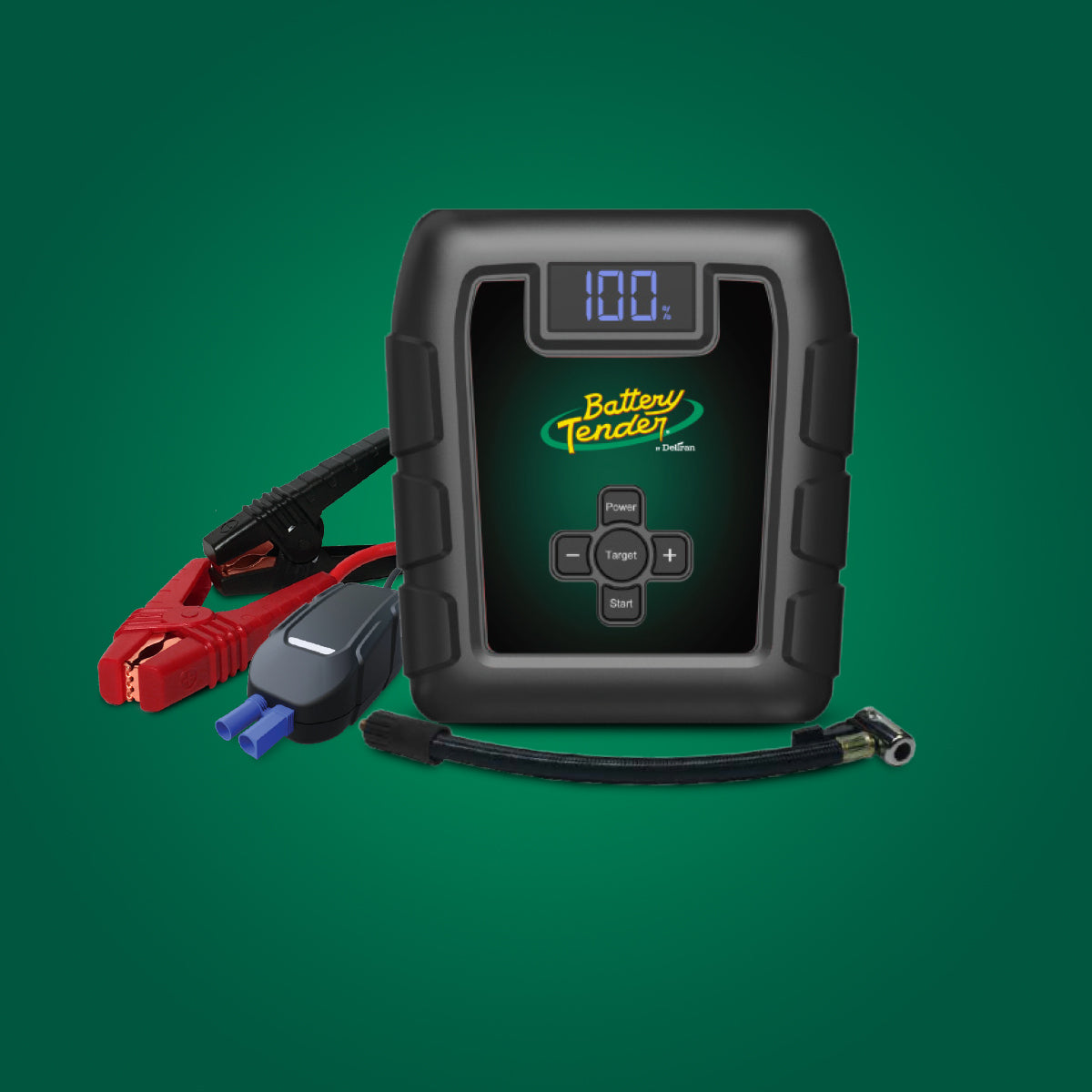
| Battery Tender Jump N Start 800 Amp + Tire Inflator | 800A | 4.0L | 2.0L |
| Battery Tender Charge N Start 1100 | 1,000A | 5.0L | 3.0L |
| Battery Tender Charge N Start 4120 | 1,200A | 6.0L | 4.0L |
| Battery Tender Jump N Start 1500 Amp | 1,500A | 7.0L | 5.5L |
| Battery Tender Jump N Start 2000 Amp | 2,000A | 8.0L | 6.5L |
Cold temperatures raise the starting load, so a driver in a freezing climate should pick one size up from the minimum. A compact car with a 2.0L gas engine is covered by the 600A class. A half-ton pickup with a 5.7L V8 fits the 1,200A class, and the 1,500A class adds cold-weather margin.
For trucks, RVs, and any vehicle that sits between uses, the Battery Tender Charge N Start 4120 combines a 1,200A jump starter with a 4A charger. Its internal pack is lithium-ion, and the charger section handles standard, AGM, GEL, and lithium 12V batteries. The Charge N Store feature keeps the internal pack topped off, and the SafeGuard circuit protects against backfeed. One unit starts the engine, then recovers the battery.
Battery Tender Charge N Start 4120 — 4 Amp Battery Charger & 1200 Amp Jump Starter
Why Is a Car Jumper Only Half the Fix?
A car jumper treats the symptom, which is a battery too weak to crank. The cause is usually a discharged battery, and a discharged lead-acid battery degrades the longer it stays that way.
What a Jump Start Leaves Behind
A resting 12V lead-acid battery reads about 12.6V at full charge, roughly 12.4V at 75%, and about 12.0V at 25%. A battery that could not crank the engine sits well below that range. At low charge, lead sulfate crystals harden on the plates and permanently reduce capacity. Repeated deep discharge is a common reason batteries fail in 2 to 3 years instead of lasting 5 or more.
ISM Charging vs. Conventional Trickle Chargers
ISM monitors the battery and adapts through four stages. For a deeper look at each stage, see the ISM charging technology deep dive. The stages are:
- Initialization: Tests the battery and applies gentle current to determine its condition.
- Bulk Charge: Delivers full rated current until the battery reaches about 80% state of charge.
- Absorption: Holds voltage constant and tapers current to bring the battery safely to full charge.
- Float Maintenance: Sends charge pulses only when voltage drops, so the charger can stay connected indefinitely.
A conventional trickle charger delivers constant current regardless of battery state, which creates an overcharge risk if left connected. A float-only charger holds constant voltage and skips the Absorption stage, so recovery is slower. ISM avoids both problems.
Sizing a Recovery Charger
Use this formula: (battery Ah × depth of discharge) ÷ charger amps = approximate hours. Add 10 to 20 percent for charging losses.
| Battery | Discharge Assumed | Charger | Approximate Time |
|---|---|---|---|
| 30Ah garden tractor | 50% | Battery Tender Plus 1.25A | 15 ÷ 1.25 = 12 hours |
| 50Ah sedan | 50% | Battery Tender Power Tender 15/8/2 at 8A | 25 ÷ 8 = about 3 hours |
| 50Ah sedan | 50% | Battery Tender Charge N Start 4120 at 4A | 25 ÷ 4 = about 6 hours |
| 100Ah truck or RV | 50% | Battery Tender Power Tender 15/8/2 at 15A | 50 ÷ 15 = about 3.3 hours |
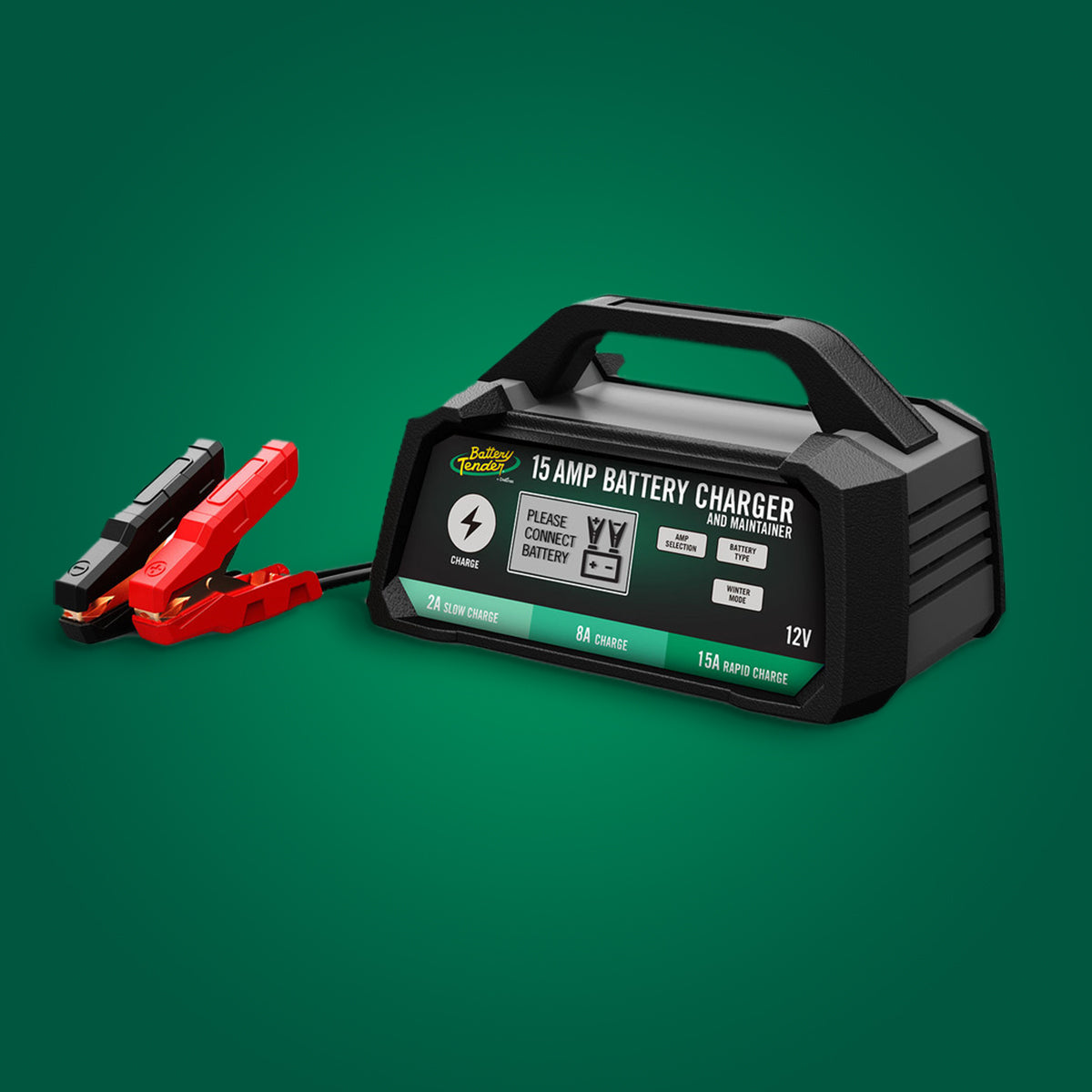
For a garage with larger batteries, or a household that needs fast recovery before the next commute, the Battery Tender Power Tender 15/8/2 fits best. Its three selectable rates (15A, 8A, 2A) let one unit recover a 100Ah truck battery quickly or maintain a small one gently. The LCD display shows charging status, and temperature compensation adjusts charge voltage to ambient conditions.
Battery Tender Power Tender 15/8/2 Amp 12V Battery Charger and Maintainer
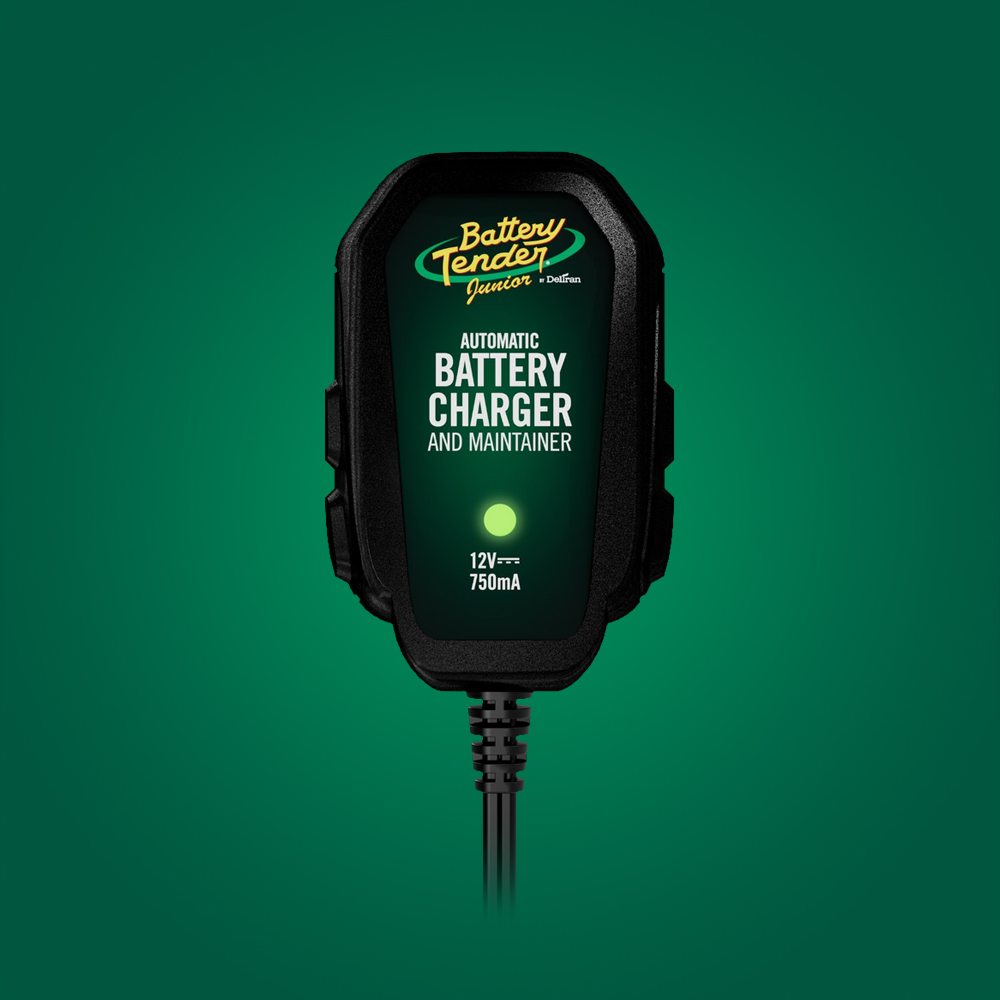
For a vehicle that sits for weeks, like a weekend car or a second vehicle, a low-output charger is the better fit. The Battery Tender Plus 1.25 Amp suits 14Ah to 80Ah batteries. Its temperature compensation adjusts charge voltage for unheated garages that swing between hot and freezing, and the Battery Tender Plus charger can stay connected through a full winter of storage.
Battery Tender Plus 1.25 AMP 12V Battery Charger and Maintainer
How Do You Recover a Battery After a Jump Start?
- Drive or idle first. Let the engine run for 15 to 30 minutes so the charging system stabilizes.
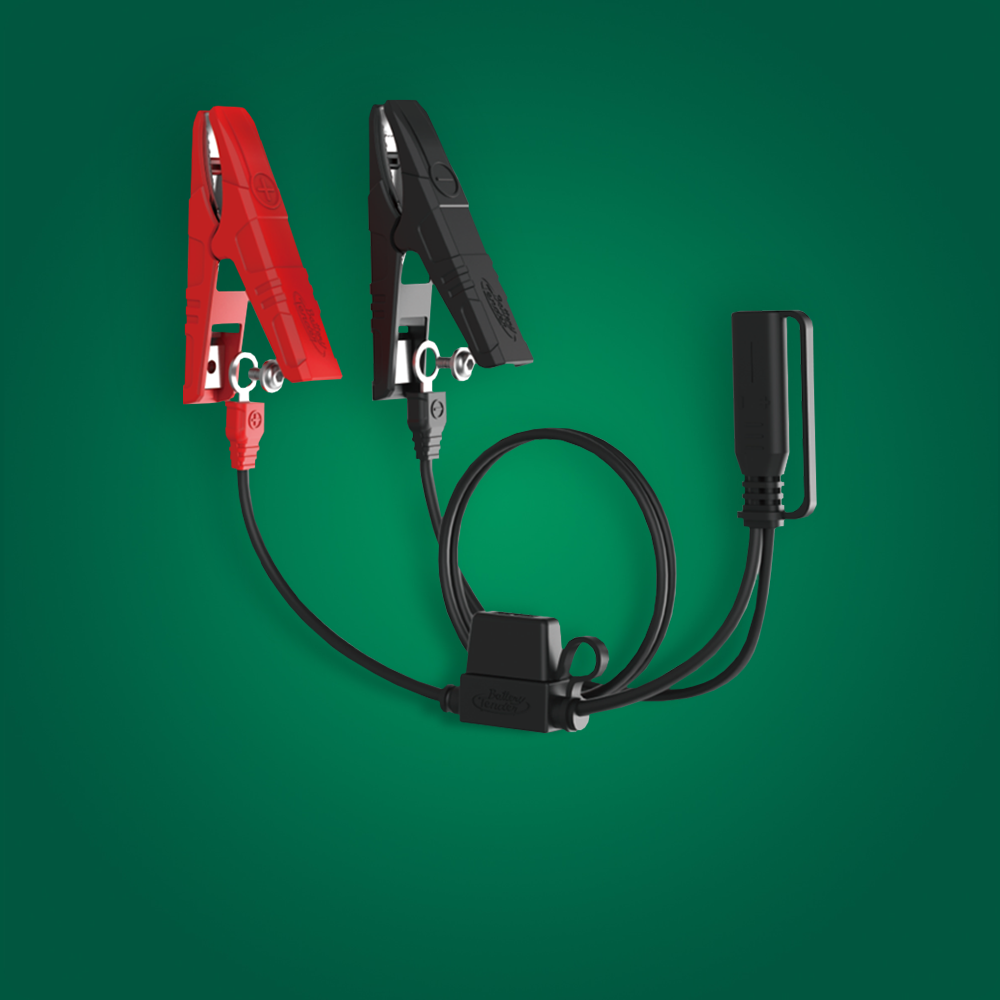
- Connect the charger within 24 hours. Attach the red clamp to positive and the black clamp to a chassis ground, then plug in.
- Let ISM finish all four stages. Wait for the charger to reach Float Maintenance.
- Test the battery. Check that it holds voltage and load after charging.
- Replace it if it fails. A battery that dies again after a full ISM recovery is at end of life.
The test in step 4 separates a drained battery from a failing one. The Battery Tender 12V / 6V Battery Tester checks both voltages, so a driver can confirm whether the battery is worth keeping before the next cold morning.
Battery Tender 12V / 6V Battery Tester
When Does a Car Jumper Matter Beyond the Daily Driver?
A car jumper helps on any 12V system, but two situations need extra care: electric vehicles and seasonal equipment.
Electric Vehicles and Hybrids
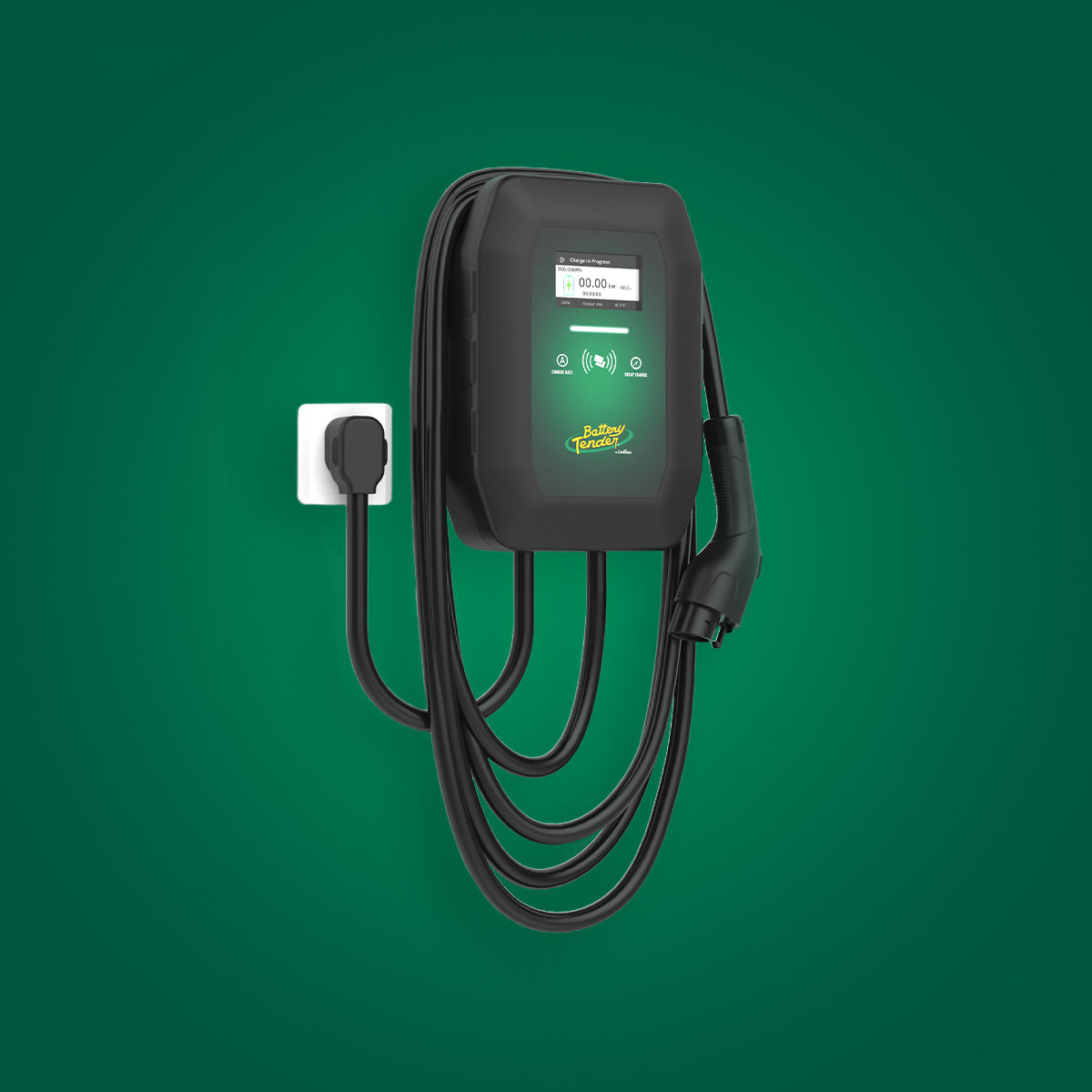
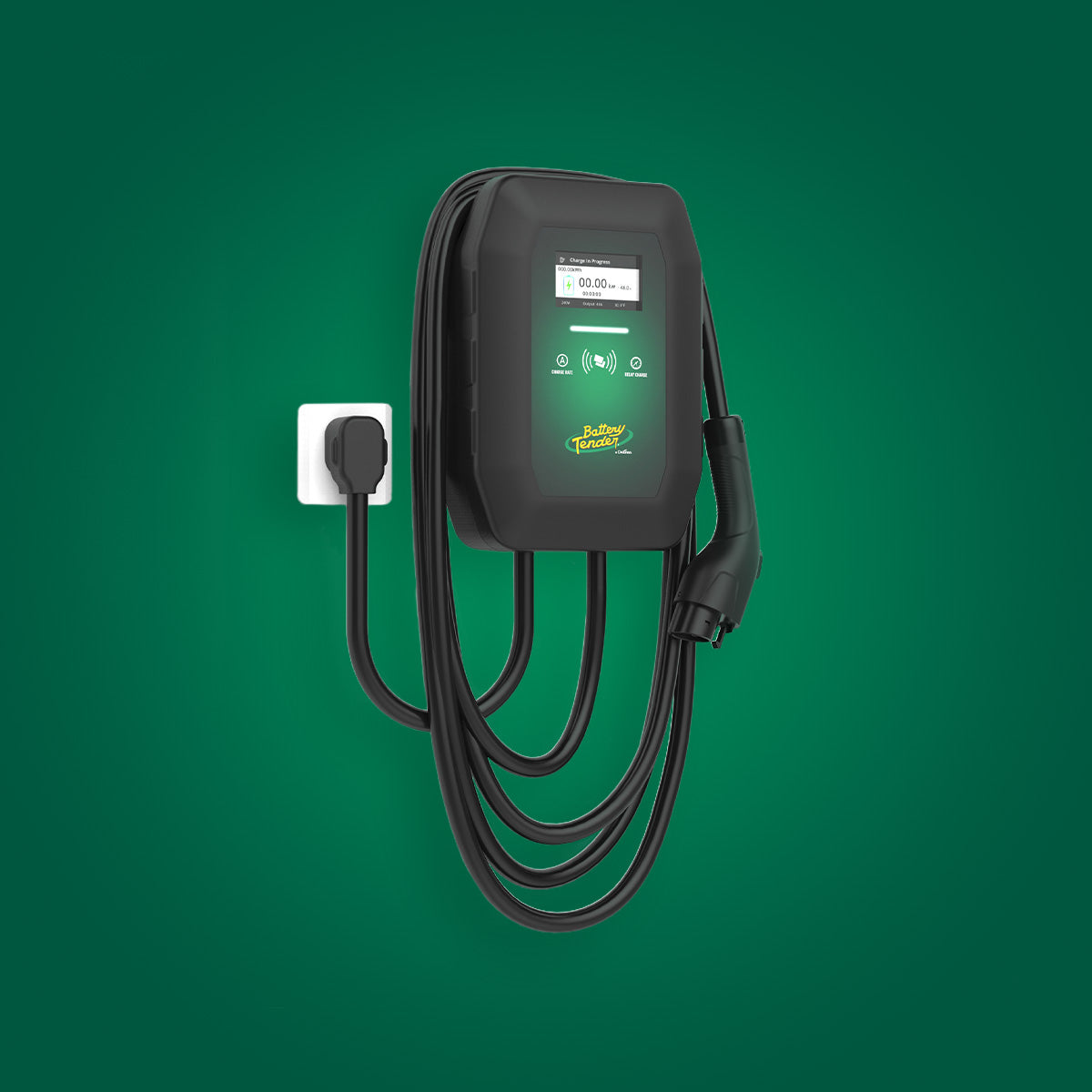
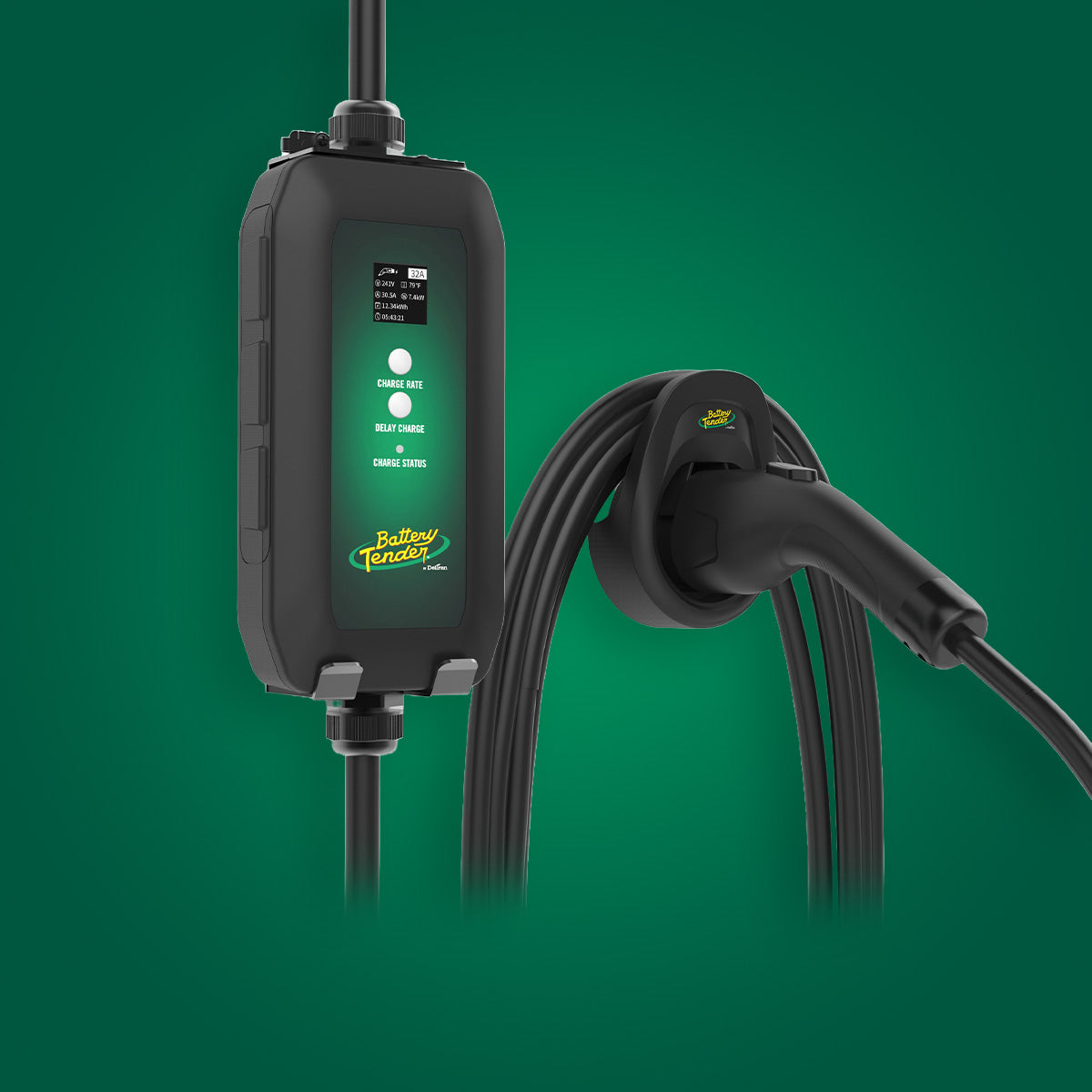
Electric vehicles carry a 12V auxiliary battery that runs the computers and contactors. If it goes flat, the car may not wake even with a full traction pack. Many manuals list jump points for this 12V battery, so a portable car jumper can revive it. A Level 2 charger such as the Battery Tender eCharge 48 Amp (11kW, 42.25 miles of range per hour) refills the traction pack for daily driving, but it does not charge the 12V battery. Pairing it with a Battery Tender Plus charger on the 12V battery covers both needs.
Battery Tender eCharge 48 Amp Level 2 EV Charger
Seasonal Equipment
Lawn tractors, ATVs, and boats often go months unused and start only with a jump. Keeping those batteries on a maintainer removes the need for a car jumper. The lawn mower battery charger guide covers the small-engine routine in detail.
Frequently Asked Questions
Can a car jumper damage my car's electronics?
A car jumper can damage electronics if clamps are reversed or if a voltage spike occurs during connection. Modern lithium-ion jump starters add reverse-polarity and short-circuit protection. Connect black to bare metal ground, avoid touching clamps together, and follow the owner manual for vehicles with sensitive electronics or remote jump terminals.
How long should I run the engine after using a car jumper?
Run or drive the engine for at least 15 to 30 minutes after a jump start. That stabilizes the charging system but does not fully recharge a flat battery. Connect a smart charger within 24 hours to complete the recovery and prevent sulfation from setting in.
Is a portable car jumper better than jumper cables?
A portable car jumper is better for most drivers because it needs no second vehicle and includes built-in connection protection. Jumper cables cost less but require a running donor car and correct clamp order. A lithium-ion jump starter also fits in a glovebox and works in any location.
Can I jump a frozen battery?
No. A frozen battery can crack or rupture when current is forced through it, and leaking acid creates a hazard. Warm the battery to above freezing indoors, inspect the case for bulges or cracks, and replace it if damaged. Charge it fully with a smart charger before using it again.
How often should I recharge a portable car jumper?
Recharge a standalone lithium-ion jump starter after every use, and every few months even when it sits unused. The Battery Tender Charge N Start 4120 handles this automatically through its Charge N Store feature, which maintains the internal lithium-ion pack so the unit is ready whenever a battery fails.
Conclusion
A car jumper gets the engine running, but the battery still needs a complete charge afterward. Keep a portable car jumper in the vehicle, then recover and maintain the battery with an ISM charger sized to the battery. Next step: measure the battery's amp-hour rating, apply the sizing formula above, and choose a charger from the Battery Tender charger collection.