


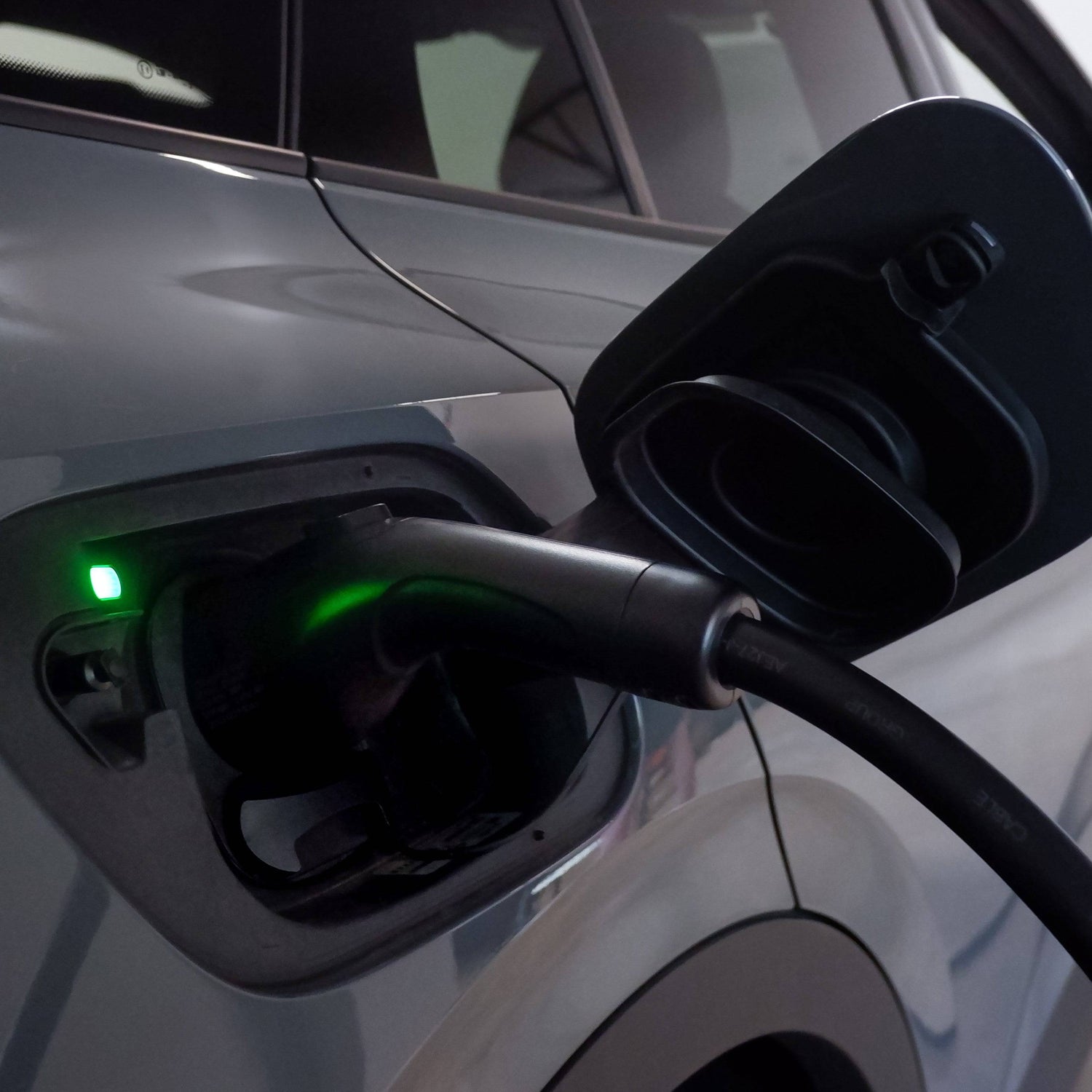
Rivian Home Charging Setup and Time-of-Use Rate Optimization: The Complete Owner's Guide
The Rivian R1T pickup and R1S SUV occupy a unique position in the electric vehicle landscape — adventure-capable machines with massive battery packs, sophisticated energy management systems, and charging capabilities that reward owners who invest in a properly engineered home charging setup. With battery configurations ranging from the Standard pack to the Max pack exceeding 180 kWh, these vehicles represent both the highest daily charging demands in the consumer EV segment and the greatest opportunity for meaningful savings through time-of-use rate optimization. Battery Tender® brings six decades of electrical power management expertise to every phase of Rivian ownership, from installation planning through daily charging strategy and long-term auxiliary battery care.
Understanding Rivian Charging Specifications Before You Install Anything
Informed equipment selection starts with understanding exactly what your Rivian can accept. The R1T and R1S support AC Level 2 charging at up to 11.5 kW (48 amps) on the standard charge port across most configurations. Quad-Motor variants with the larger battery packs can accept up to 19.2 kW through compatible third-party Level 2 chargers, a capability that becomes highly relevant when you are trying to recover a large pack quickly during off-peak rate windows.
DC fast charging via Rivian's Adventure Network and compatible third-party CCS stations delivers up to 200+ kW on supported hardware, but DC infrastructure is irrelevant to home charging strategy — your home setup is exclusively AC Level 2, and maximizing that capability is where this guide focuses.
Practical charging rates by pack size help set expectations:
- Standard Pack (~135 kWh usable): At 11.5 kW, a full charge from near-empty requires approximately 12–13 hours — well within a standard overnight window.
- Large Pack (~149 kWh usable): At 11.5 kW, expect 13–14 hours for a full recovery. Owners with 19.2 kW capability can reduce this to roughly 8–9 hours.
- Max Pack (~180+ kWh usable): At 11.5 kW, full recovery approaches 17 hours — making the case for 19.2 kW charging hardware compelling for high-mileage drivers or those with tight overnight windows.
Circuit Requirements and Electrical Infrastructure Planning
Before any charger goes on the wall, your electrical panel and wiring must be sized correctly. Undersized infrastructure is both a safety risk and a performance bottleneck — and it is far more expensive to correct after the fact than to size properly from the start.
For 48-amp (11.5 kW) charging: The National Electrical Code requires a dedicated circuit rated at 125% of continuous load, meaning a 60-amp dedicated circuit is the minimum. Wire gauge should be 6 AWG copper for runs up to approximately 75 feet from the main panel. For longer runs — common in detached garages or homes where the panel is located far from the parking area — step up to 4 AWG copper to manage voltage drop.
All outdoor and garage installations must use conduit-protected wiring and weatherproof-rated equipment where exposure to moisture is possible. A licensed electrician familiar with EV charging installations is strongly recommended for any panel work or new circuit runs.
Choosing the Right Level 2 Charger for Your Rivian
For most Rivian owners with Standard or Large pack configurations, a 48-amp Level 2 charger delivers the full 11.5 kW the vehicle accepts — making it the optimal home charging solution. Owners with Max Pack or Quad-Motor builds who want to take advantage of 19.2 kW capability should confirm charger compatibility before purchase.
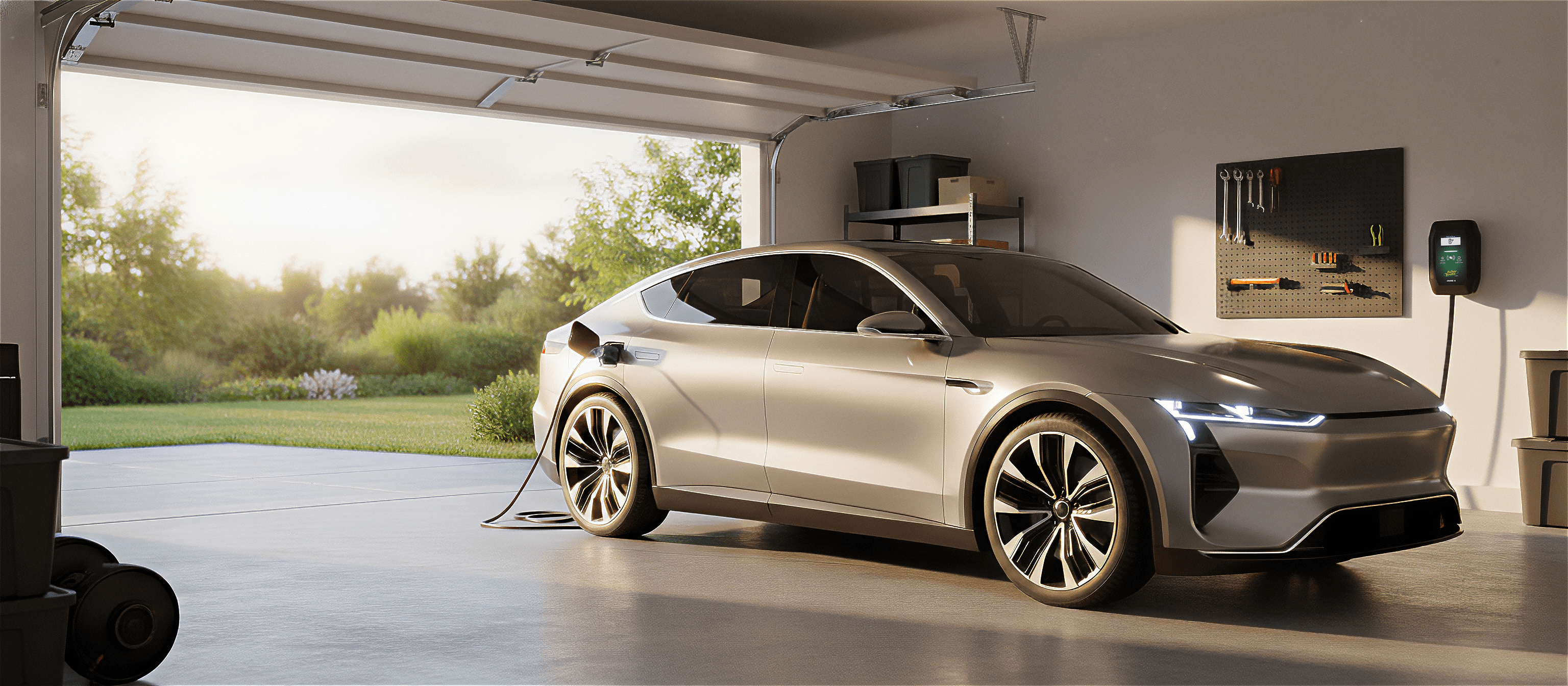
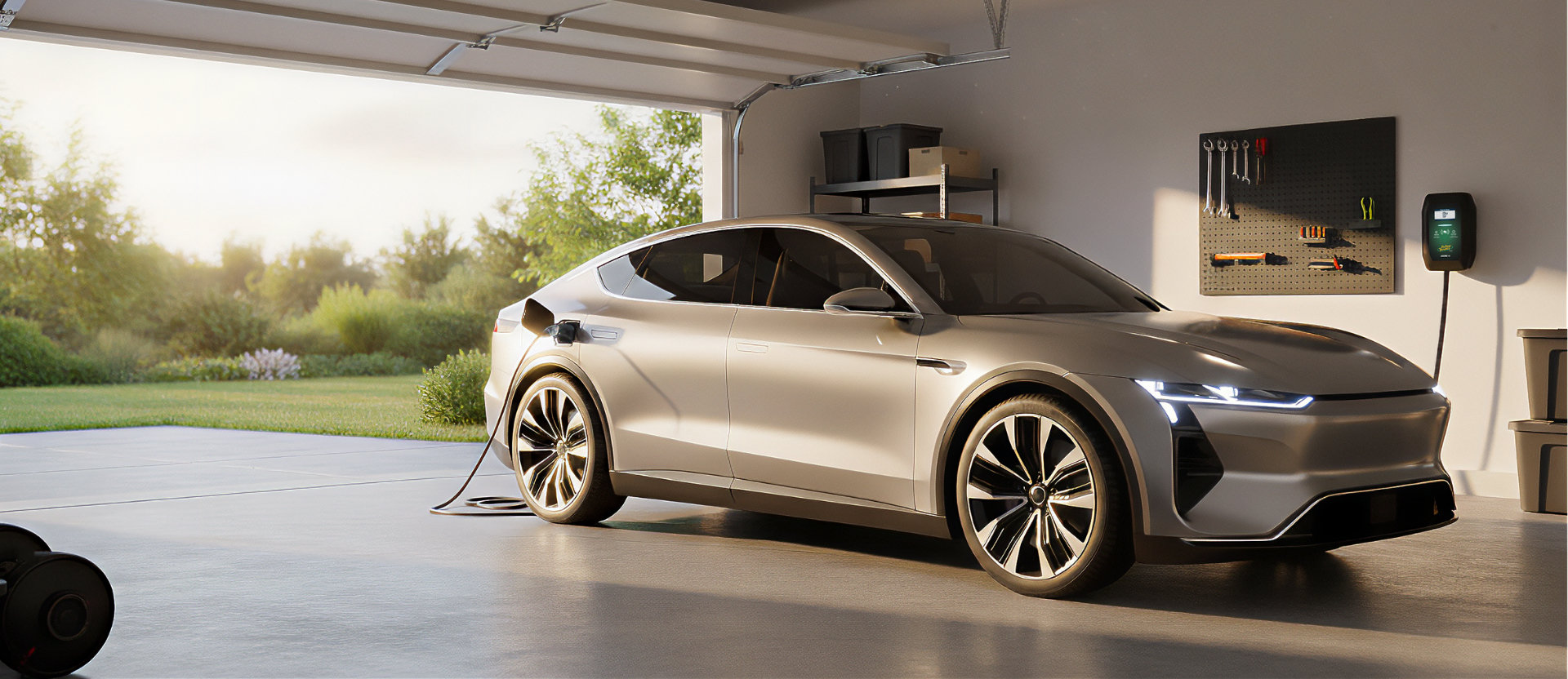
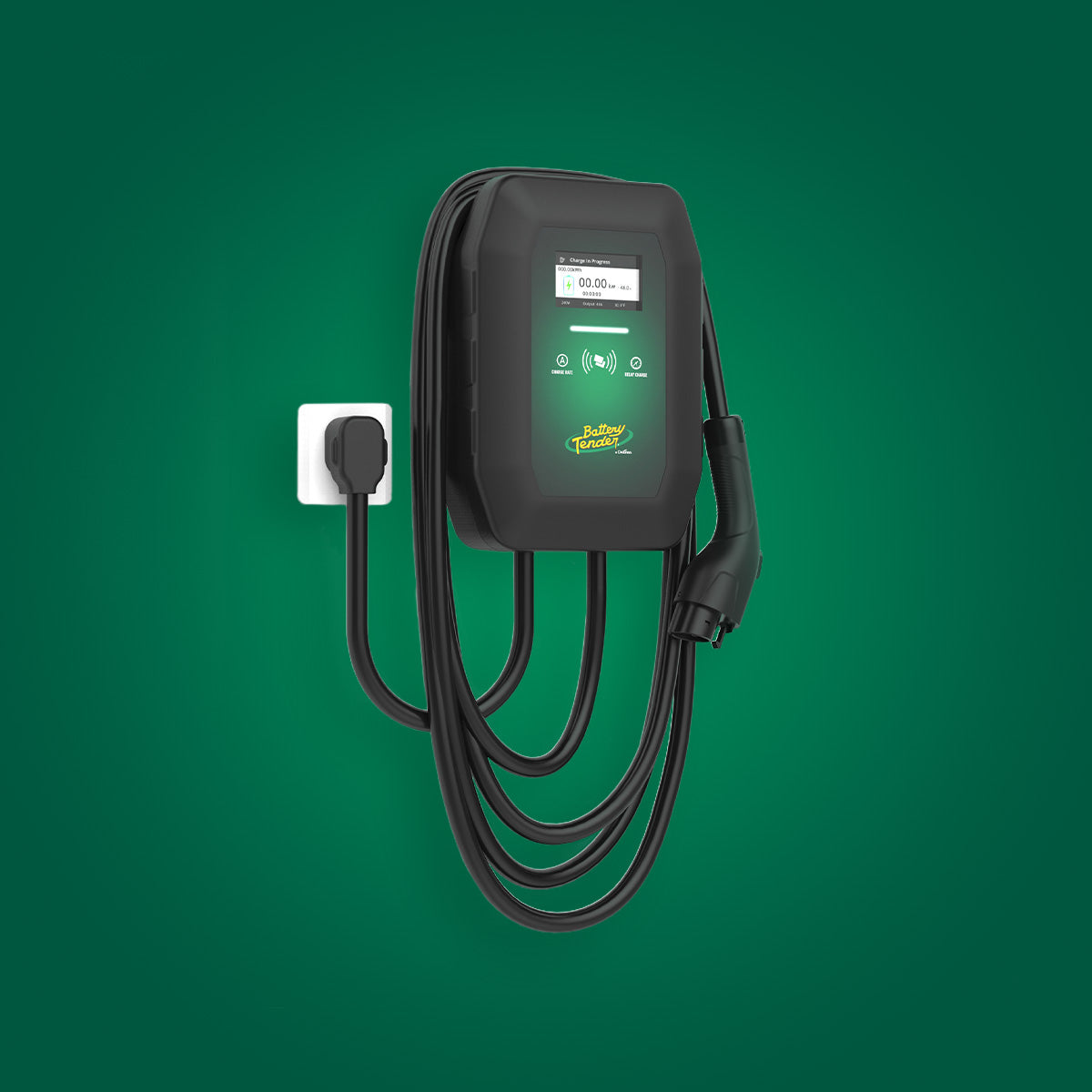
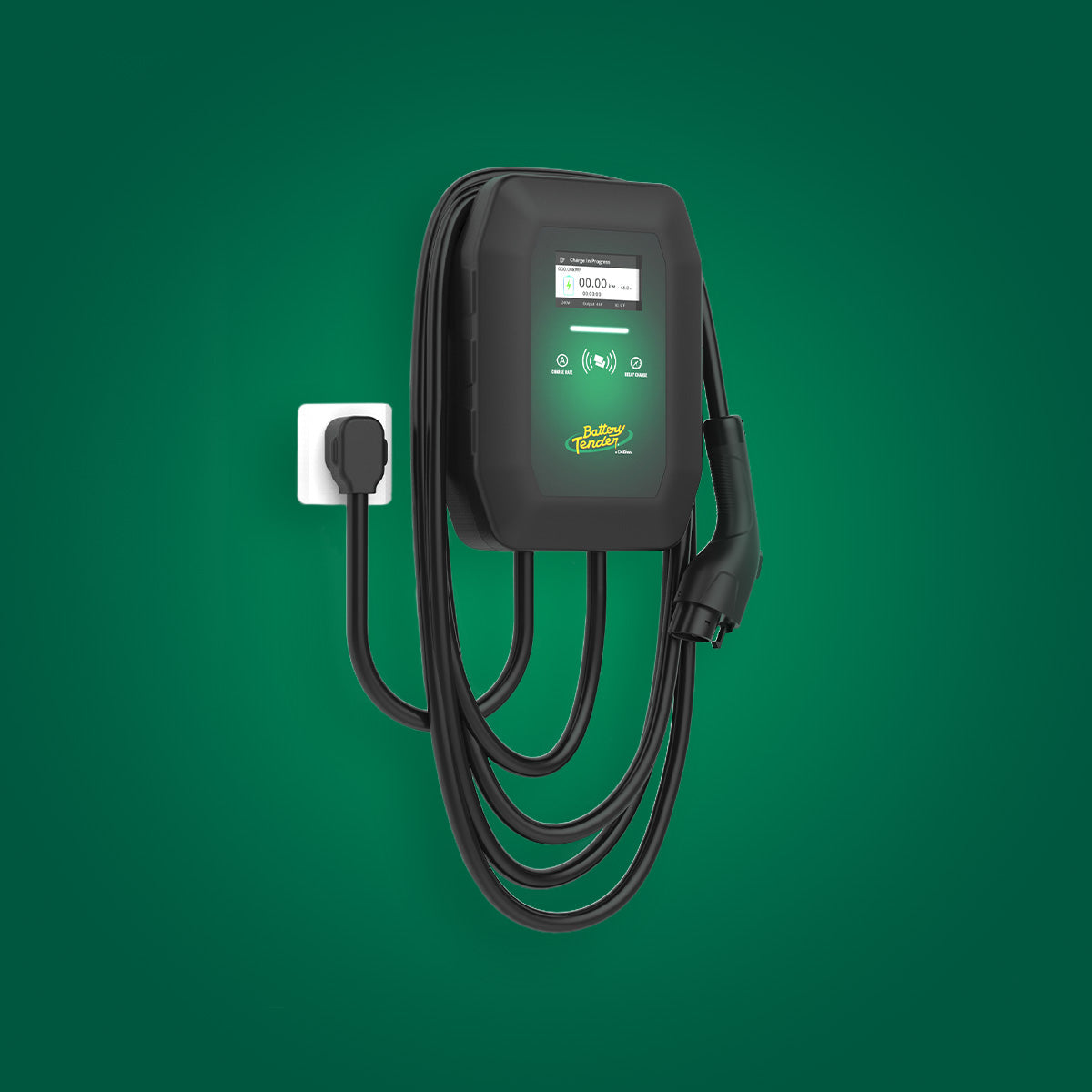
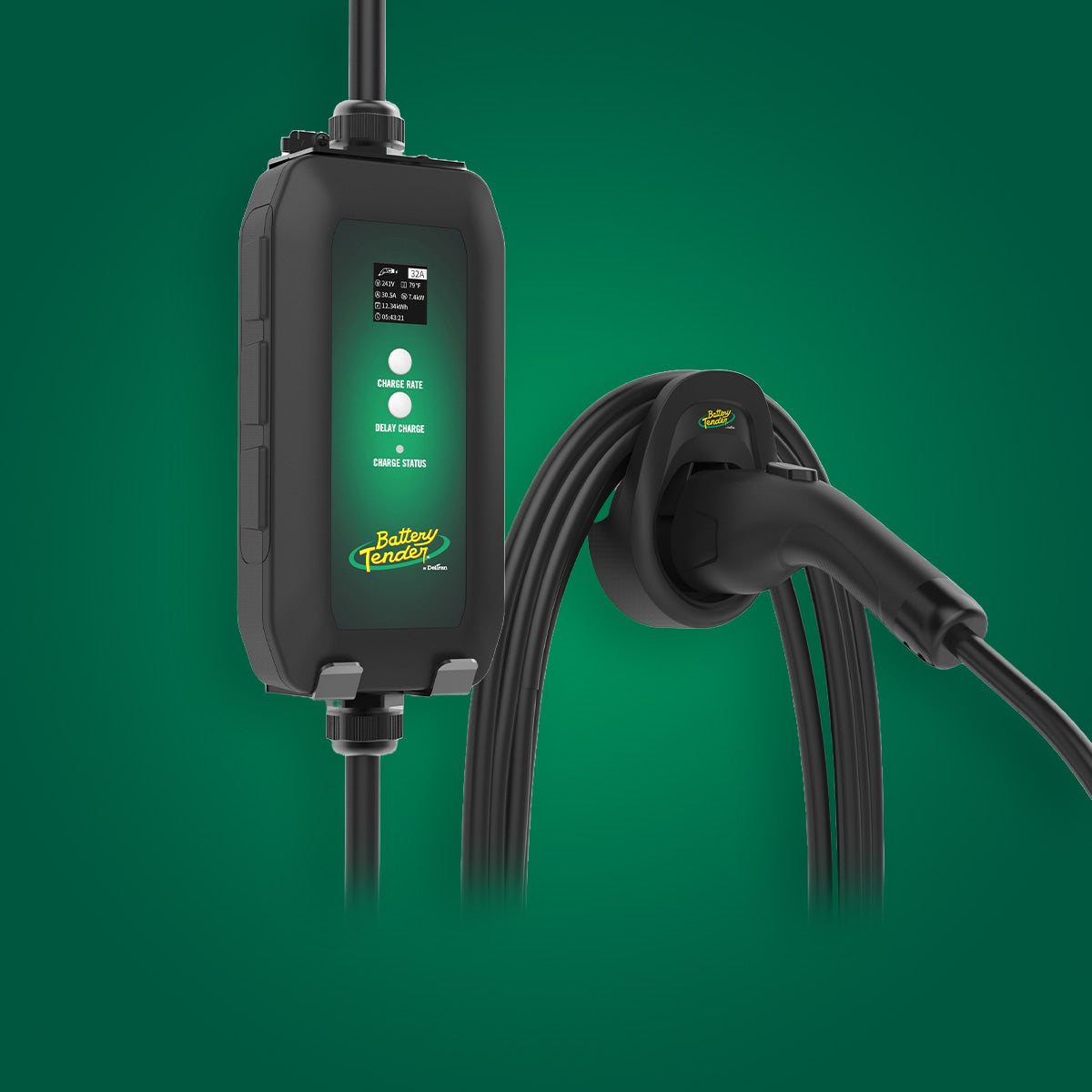
Battery Tender's 48-amp Level 2 EV charger is purpose-built for high-demand applications like the Rivian R1T and R1S. It is available in multiple installation configurations to suit any home setup:
- Hardwired: Ideal for permanent garage or carport installations where the charger will never move. Hardwired units eliminate the NEMA plug as a potential failure point and are preferred by electricians for high-amperage applications.
- NEMA 14-50 plug: Provides flexibility — the charger can be relocated if you move, and the outlet remains available for other uses. A NEMA 14-50 outlet is a practical upgrade for any home with EV ownership on the horizon.
- Wall-mountable design: The unit mounts cleanly to any garage wall or exterior surface, keeping the charging cable organized, off the floor, and protected from vehicle traffic.
The Battery Tender 48-amp Level 2 charger delivers a full charge on the Rivian Standard or Large pack within a standard overnight period and pairs directly with time-of-use scheduling strategies to ensure your vehicle charges only during the lowest-rate hours available on your utility plan.
Explore Battery Tender Level 2 EV Charging Solutions →
Rivian Home Charging Setup and Time-of-Use Rate Optimization: Building Your Rate Strategy
Time-of-use electricity pricing is now the default rate structure for EV owners across many states — and in markets where it remains optional, the savings potential makes opting in an obvious financial decision. TOU rates divide the day into pricing tiers: off-peak periods (typically late night through early morning) carry rates as low as $0.08–$0.12 per kWh in favorable markets, while peak periods (generally late afternoon through early evening) can reach $0.35–$0.55 per kWh or higher.
Applied to a Rivian's large battery pack, this spread is dramatic. Charging a 149 kWh Rivian Large Pack from 20% to 90% state of charge:
- At $0.10/kWh (off-peak): approximately $10.43 per session
- At $0.45/kWh (peak): approximately $46.95 per session
At five charging sessions per week, that difference compounds to over $9,600 annually — an amount that makes TOU enrollment and disciplined off-peak scheduling one of the highest-return optimization strategies available to any Rivian owner.
Implementing TOU Optimization in Practice
Effective time-of-use optimization requires three coordinated elements working together:
- Know your utility's rate schedule. Most utilities publish TOU rate schedules online. Identify your exact off-peak window — commonly 9 PM to 6 AM or midnight to 7 AM — and confirm whether weekends carry flat or off-peak rates (they frequently do).
- Use your Rivian's built-in charging scheduler. The Rivian app allows you to set a charging schedule directly, instructing the vehicle to begin charging at a programmed time regardless of when you plug in. This is your primary tool — plug in immediately upon arriving home, set the start time to the beginning of your off-peak window, and the vehicle manages the rest.
- Match your charger's capabilities. Smart Level 2 chargers with onboard scheduling add a hardware-level backup to the vehicle's own scheduling — useful if you prefer to manage charging centrally rather than through the Rivian app, or if you want scheduling enforcement regardless of vehicle software behavior.
For owners with solar photovoltaic systems, TOU optimization extends further: programming the Rivian to charge during peak solar production hours (typically 10 AM to 2 PM) offsets grid consumption entirely during what would otherwise be expensive daytime rate periods.
Managing the Rivian 12V Auxiliary Battery
Every Rivian — regardless of how large or sophisticated its traction battery may be — depends on a conventional 12V lead-acid or AGM auxiliary battery to power control modules, door handles, cabin electronics, alarm systems, and all non-drive systems. This auxiliary battery is not charged by the traction pack while the vehicle sits unused; it drains slowly through parasitic loads, and a discharged auxiliary battery can prevent the vehicle from waking, unlocking, or accepting a charge at all.
For any storage period exceeding one week — and especially for owners who travel frequently and leave their Rivian parked for extended periods — maintaining the 12V auxiliary battery with a dedicated smart charger is essential preventive care.
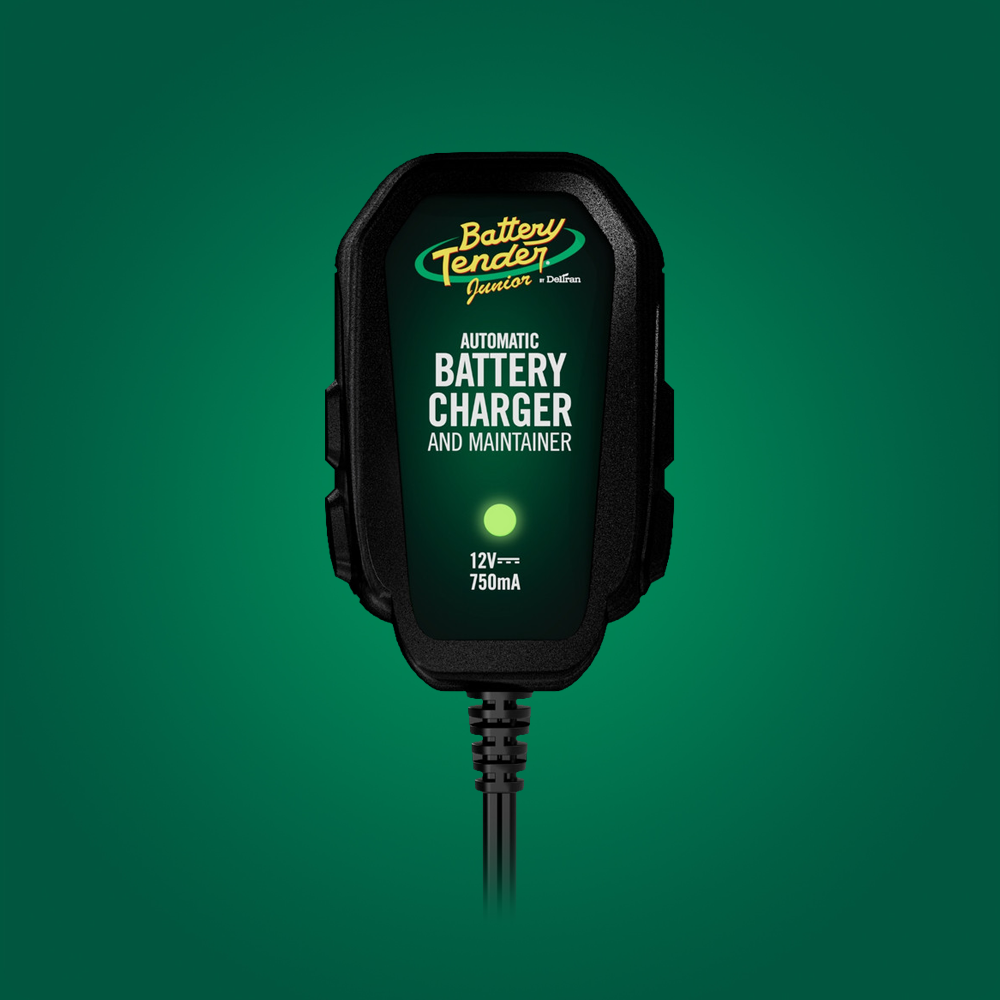
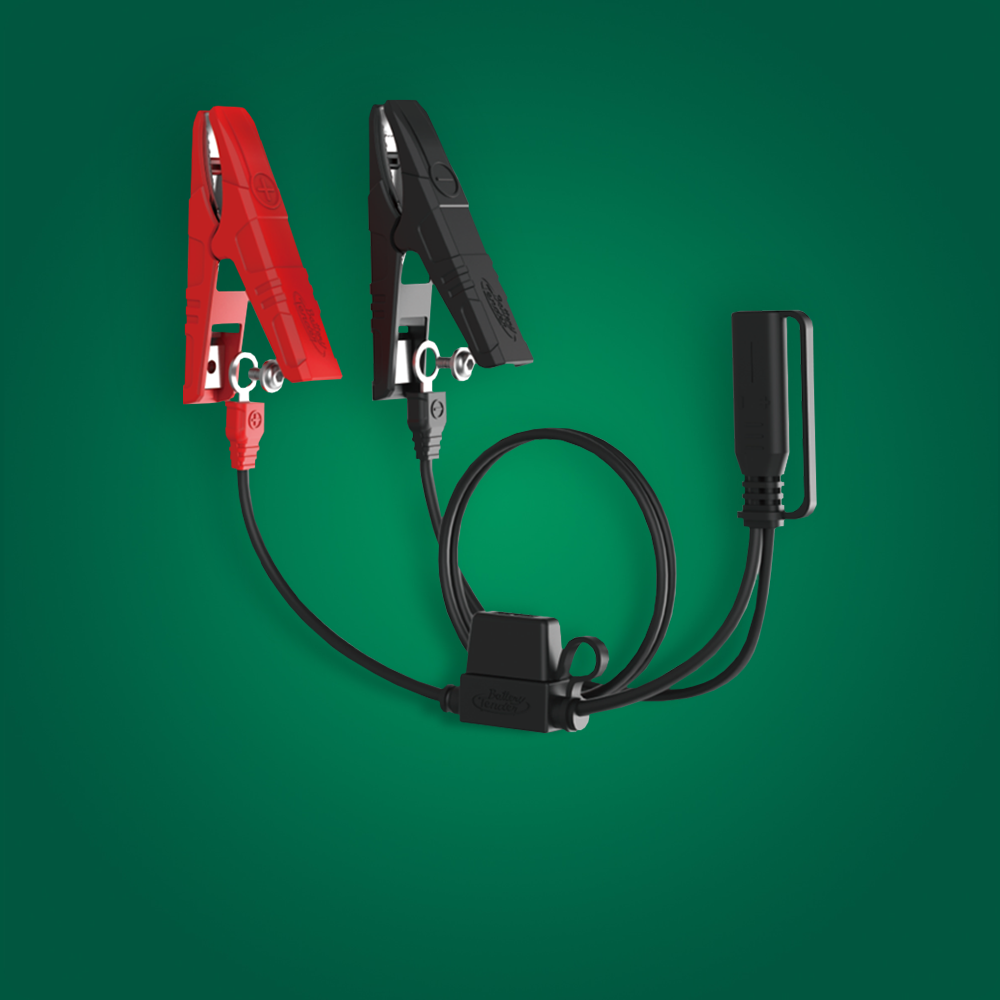
The Battery Tender Plus 12V 1.25A is the purpose-built solution for this application. Its four-stage automatic charging algorithm — initialization, bulk charge, absorption, and float maintenance — delivers a full, safe charge and then holds the battery at optimal voltage indefinitely without overcharging. Connect it via the quick-disconnect lead routed to an accessible location under the hood, and the auxiliary battery remains fully conditioned for the vehicle's first use after any storage interval.
Battery Tender Plus 12V 1.25A — Rivian 12V Auxiliary Maintenance →
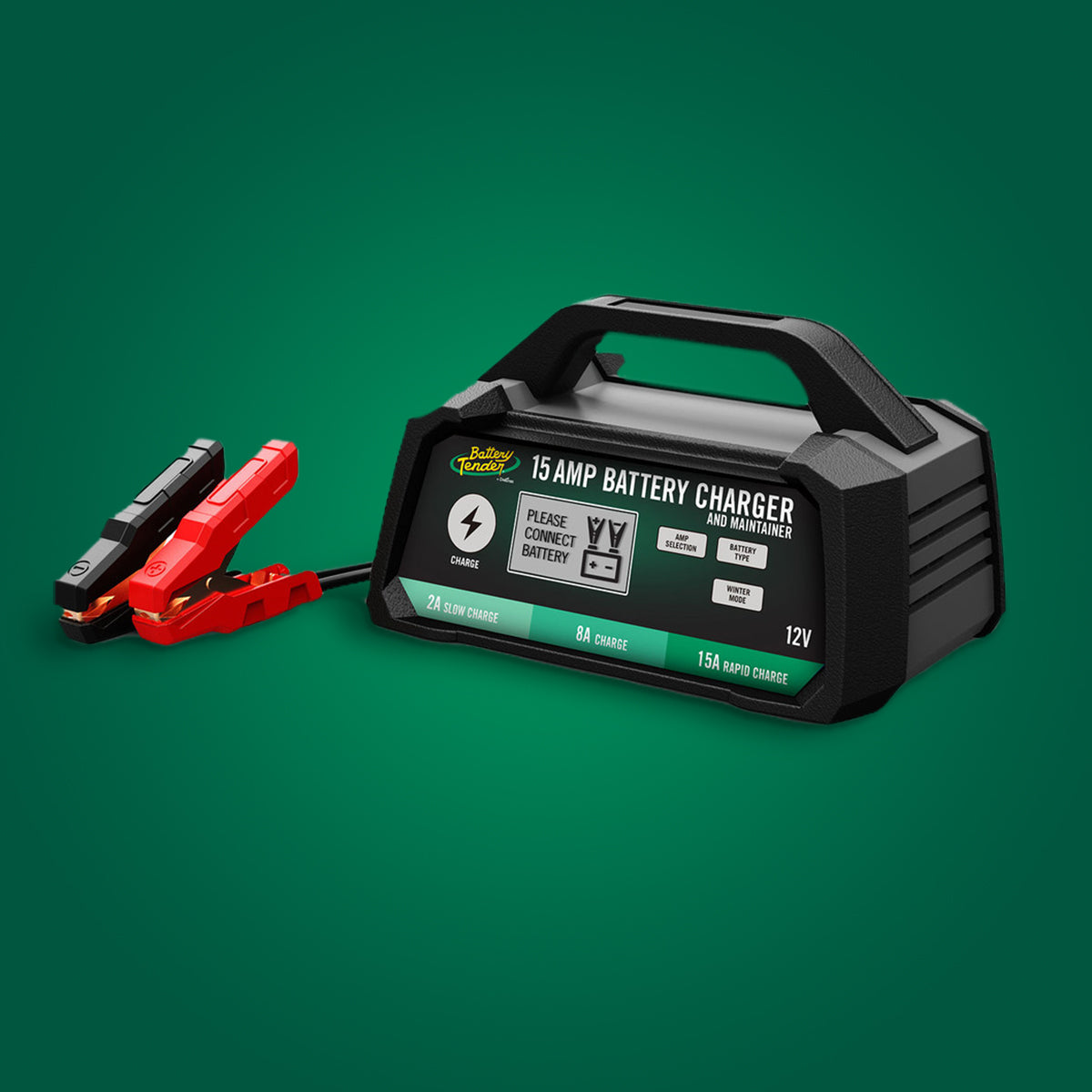
For situations requiring faster auxiliary battery recovery — a discharged auxiliary following an extended trip or an unexpected drain event — the Battery Tender 8A/2A Charger and Maintainer (SKU 022-1005-DL-WH) delivers significantly higher charge current for rapid recovery, then automatically transitions to maintenance mode once the battery reaches full charge.
Battery Tender 8A/2A Charger and Maintainer — Fast 12V Auxiliary Recovery →
Adventure Charging: Off-Grid and Remote Considerations
Rivian's adventure-oriented customer base frequently operates in environments where grid charging access is limited, unreliable, or entirely absent. Overland routes, wilderness camping areas, and remote trailheads present scenarios that no home Level 2 charger can address — but that a prepared Rivian owner can manage with the right supporting equipment.
The Rivian's vehicle-to-load (V2L) and vehicle-to-home capabilities (on equipped models) allow the traction battery to supply power to external devices — useful for powering camp equipment, tools, or emergency electronics. However, none of this functionality is available if the 12V auxiliary battery fails in the field.
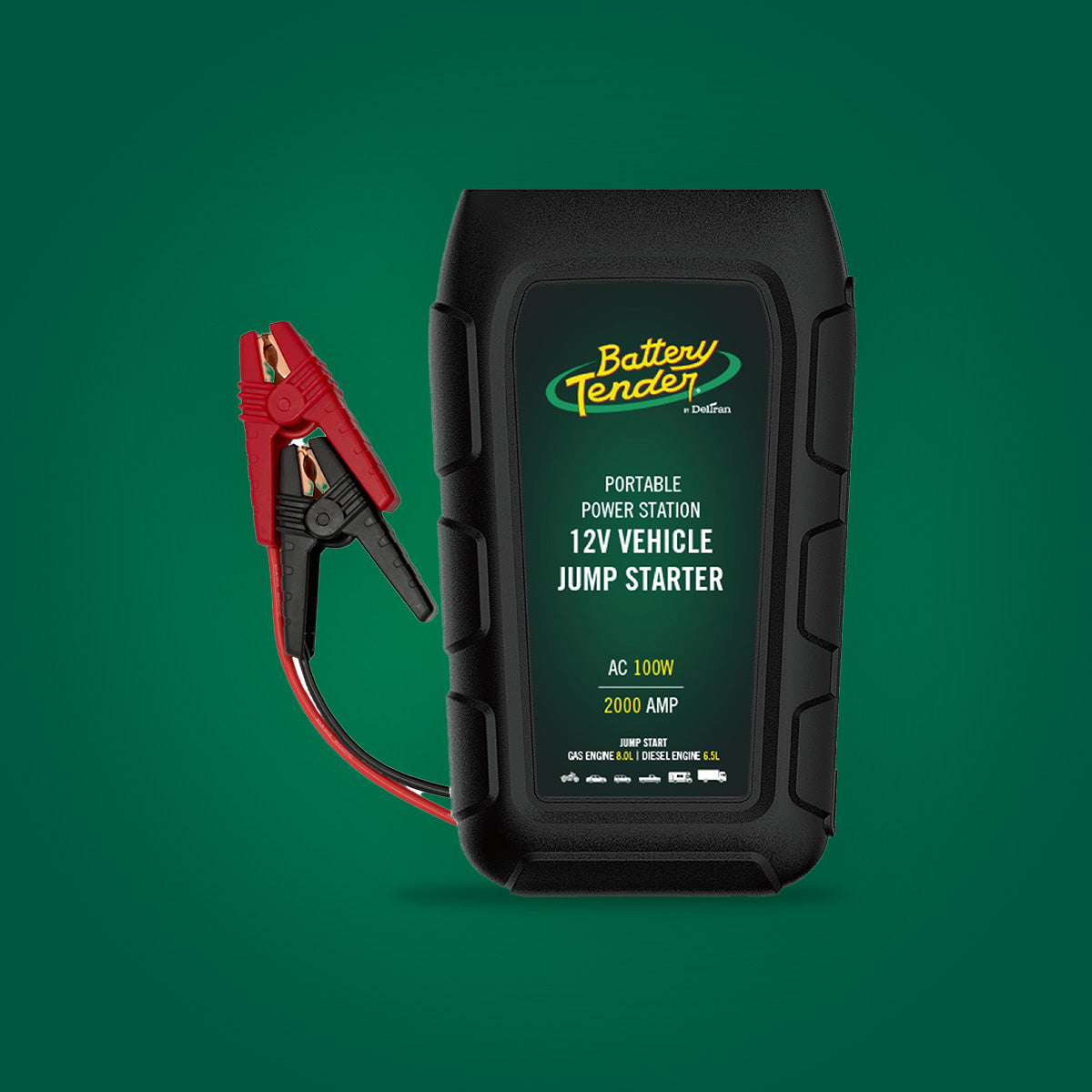
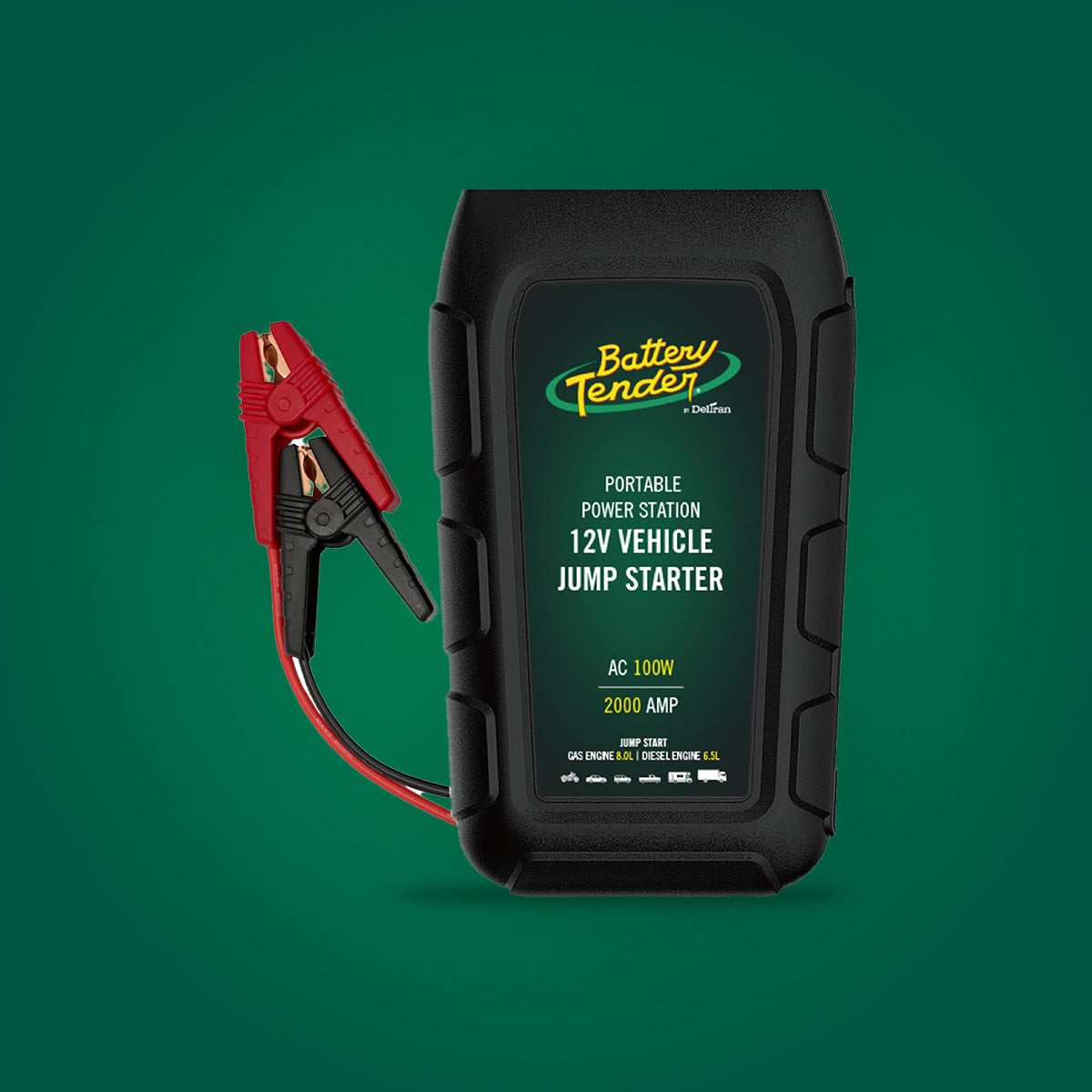
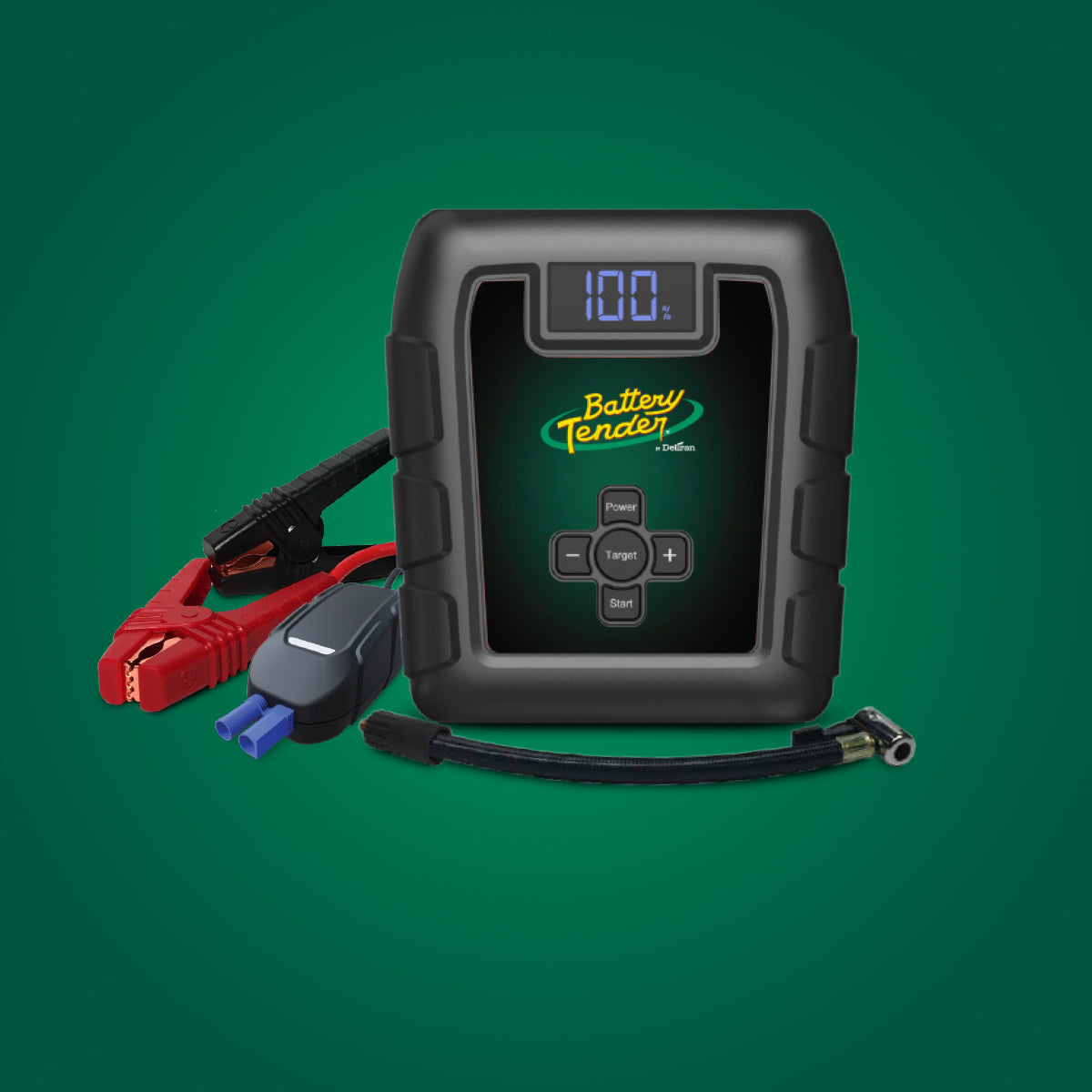
The Battery Tender Charge N Start provides emergency 12V auxiliary starting and recovery capability for off-grid situations. Compact enough to store in the R1T's front trunk or R1S's cargo area, it delivers the jump-starting power needed to recover a failed auxiliary battery in remote environments where roadside assistance may be hours away — or simply unavailable.
Charge N Start — Off-Grid Emergency Power for Adventure →
Frequently Asked Questions
What charger amperage do I actually need for a Rivian?
Most Rivian R1T and R1S configurations accept up to 48 amps (11.5 kW) on the standard charge port, making a 48-amp Level 2 charger the correct match for the majority of owners. Quad-Motor models with 19.2 kW capability benefit from 80-amp hardware if overnight charging windows are tight — particularly with the Max Pack. For Standard and Large pack owners who plug in nightly, a 48-amp charger completes a full charge within the off-peak window.
Is a hardwired charger or NEMA plug better for a Rivian installation?
Both are fully functional at 48 amps. Hardwired installations are marginally more reliable at high amperage by eliminating the plug connection, and they are preferred by many electricians for permanent garage setups. NEMA 14-50 plug-in installations offer flexibility for renters or owners who may relocate, and the outlet retains utility for other equipment. Choose based on your installation permanence and electrician's recommendation.
How much can I save with time-of-use rate optimization on a Rivian?
Savings vary by utility market, rate schedule, and driving intensity. In markets with significant peak-to-off-peak rate spreads, disciplined off-peak charging can reduce annual electricity costs for a high-mileage Rivian owner by $2,000–$5,000 or more compared to unmanaged daytime charging. The larger the Rivian's battery pack and the greater the weekly charging volume, the more impactful TOU optimization becomes.
How do I know if my Rivian's 12V auxiliary battery needs attention?
Warning signs include slow door handle response, alerts in the Rivian app related to low 12V voltage, or the vehicle failing to wake from sleep mode after extended parking. If the vehicle has been stored for more than a week without being plugged into a Level 2 charger — which does maintain the auxiliary battery while actively charging — connect a Battery Tender smart maintainer to restore and preserve auxiliary battery health.
Can I use a 240V outlet I already have for Rivian charging?
Existing NEMA 14-50 or NEMA 6-50 outlets are compatible with plug-in Level 2 chargers, provided the circuit is rated for the charger's amperage demand and the wiring is appropriately sized. Have a licensed electrician verify the circuit capacity before connecting a 48-amp charger to any existing outlet — circuits installed for dryers or ranges may be inadequate for sustained EV charging loads.
Conclusion
A properly executed Rivian home charging setup and time-of-use rate optimization strategy is not a single decision — it is a system of interconnected choices that compound in value over the life of the vehicle. Correctly sized wiring and a 48-amp Level 2 charger from Battery Tender ensure you are capturing the full charging capability your Rivian offers. Disciplined off-peak scheduling, aligned with your utility's TOU rate structure, transforms that charging capability into measurable annual savings that scale with your driving volume. Auxiliary battery maintenance with a Battery Tender smart charger prevents the system failures that undermine the reliability adventure-oriented drivers depend on. And off-grid preparedness with the Charge N Start ensures that remote environments never become stranding events. With Deltran's electrical expertise, applied across every layer of the Battery Tender system, gives Rivian owners the infrastructure to charge smarter, spend less, and go farther.