


Tesla Model 3 and Model Y Battery Maintenance: Auxiliary 12V and EV Charging Guide
Tesla Model 3 and Model Y battery maintenance requires understanding two distinct electrical systems that work in parallel: the high-voltage traction battery that powers the drivetrain, and the 12V auxiliary battery that runs every critical vehicle function from the touchscreen to the door handles. Neglecting either system creates real consequences — a depleted traction battery strands you without range, while a failed 12V auxiliary battery renders your Tesla completely unresponsive regardless of how much charge sits in the main pack. Battery Tender® produces chargers and EV charging equipment designed to protect both systems, keeping Model 3 and Model Y owners ahead of the most common and most frustrating failures Tesla drivers encounter.
Understanding Tesla's Two-Battery Architecture
Every Tesla operates with two separate battery systems that serve entirely different purposes. The high-voltage traction battery — the large lithium-ion pack mounted beneath the vehicle floor — stores the energy that drives the electric motors and determines your driving range. This is the battery most owners monitor closely through the Tesla app and the vehicle's charge display.
The 12V auxiliary battery is smaller, less visible, and far more frequently overlooked. It powers the vehicle's low-voltage systems: the touchscreen, the key fob receiver, the door handles, the climate control interface, and most critically, the contactors that connect the traction battery to the drivetrain. Without a functioning 12V battery, none of those systems operate. A Tesla with a dead 12V battery will not unlock with the key fob, will not display the touchscreen, and cannot be driven — even if the main traction pack reads 80% charge.
Tesla uses a DC-DC converter to charge the 12V battery from the main traction pack during normal operation. When the vehicle is parked and in a low-power sleep state, that converter may not run continuously, leaving the 12V battery to support whatever parasitic loads the vehicle's software platform generates. Understanding this relationship is the foundation of effective Tesla Model 3 and Model Y battery maintenance.
Why Tesla 12V Batteries Fail More Often Than Expected
Tesla owners who have experienced a 12V failure often describe it the same way: the car simply went dark. No response to the key fob, no touchscreen, no way to open the charge port or the frunk. This failure mode is more common in Teslas than in many other vehicles because of the unique demands Tesla's software platform places on the 12V system.
Sentry Mode is the primary culprit. When enabled, Sentry Mode keeps the vehicle's cameras continuously active to monitor the surrounding environment, drawing 200 to 300 watts on an ongoing basis while the car sits parked. Over-the-air software updates require the vehicle to remain "awake" during download and installation. Dog Mode runs the climate control system with the vehicle occupied but unattended. Each of these features that Tesla owners value and use regularly draws power through the 12V system.
The DC-DC converter that replenishes the 12V battery from the main pack only operates when the vehicle is sufficiently "awake." A Model 3 or Model Y parked in a garage for five to seven days with Sentry Mode active, combined with a main traction battery at a low state of charge, creates conditions where the 12V battery depletes without the converter running to compensate. The result is the dark, unresponsive vehicle that requires a jump-start before anything else can happen.
Cold weather accelerates this failure pattern. Low temperatures reduce battery capacity across all chemistries, and a 12V battery already stressed by parasitic loads from Tesla's software features has less reserve to draw on when ambient temperatures drop.
Lead-Acid vs. Lithium 12V: Which Tesla Has Which
Not all Tesla 12V auxiliary batteries are the same, and using the wrong charge profile damages the battery rather than protecting it. Early Model 3 and Model Y vehicles used conventional lead-acid or AGM 12V batteries — the same chemistry found in the vast majority of gasoline-powered vehicles. These batteries respond well to standard 12V maintenance charging.
Starting with the 2021 Model 3 refresh and the 2022 Model Y, Tesla transitioned to a lithium-ion 12V auxiliary battery. The lithium auxiliary battery offers improved cold-weather performance, longer service life, and faster recovery from deep discharge compared to lead-acid, but it requires a charger that delivers the correct lithium charge profile. Connecting a lead-acid charger to a lithium 12V battery applies an incorrect maintenance voltage that stresses the lithium cells over time and shortens battery life.
Battery Tender ISM (Infinite Sequential Monitoring) chargers automatically or manually accommodate both chemistries, making them the practical choice for Tesla owners who want a single charger that works correctly regardless of which 12V battery their vehicle uses.
Tesla Model 3 and Model Y Battery Maintenance: 12V Products and Protocol
For Tesla owners with garage access, the most effective protection against 12V battery failure is straightforward: connect a Battery Tender charger to the 12V auxiliary battery whenever the vehicle will sit for more than three days. This is especially important if Sentry Mode remains enabled, if the vehicle is stored during winter months, or if the main traction battery is at a lower state of charge.
Accessing the 12V battery is straightforward on both models. In the Model 3, the 12V battery is located in the frunk area under the hood. In the Model Y, it occupies a similar position in the front compartment. Both are accessible without tools under normal circumstances.
For 2020 and earlier Model 3 vehicles and 2021 and earlier Model Y vehicles with lead-acid or AGM 12V batteries, a standard Battery Tender charger set to AGM or lead-acid mode provides complete maintenance coverage. For 2021+ Model 3 and 2022+ Model Y vehicles equipped with the lithium 12V battery, select the lithium mode on a Battery Tender selectable charger.
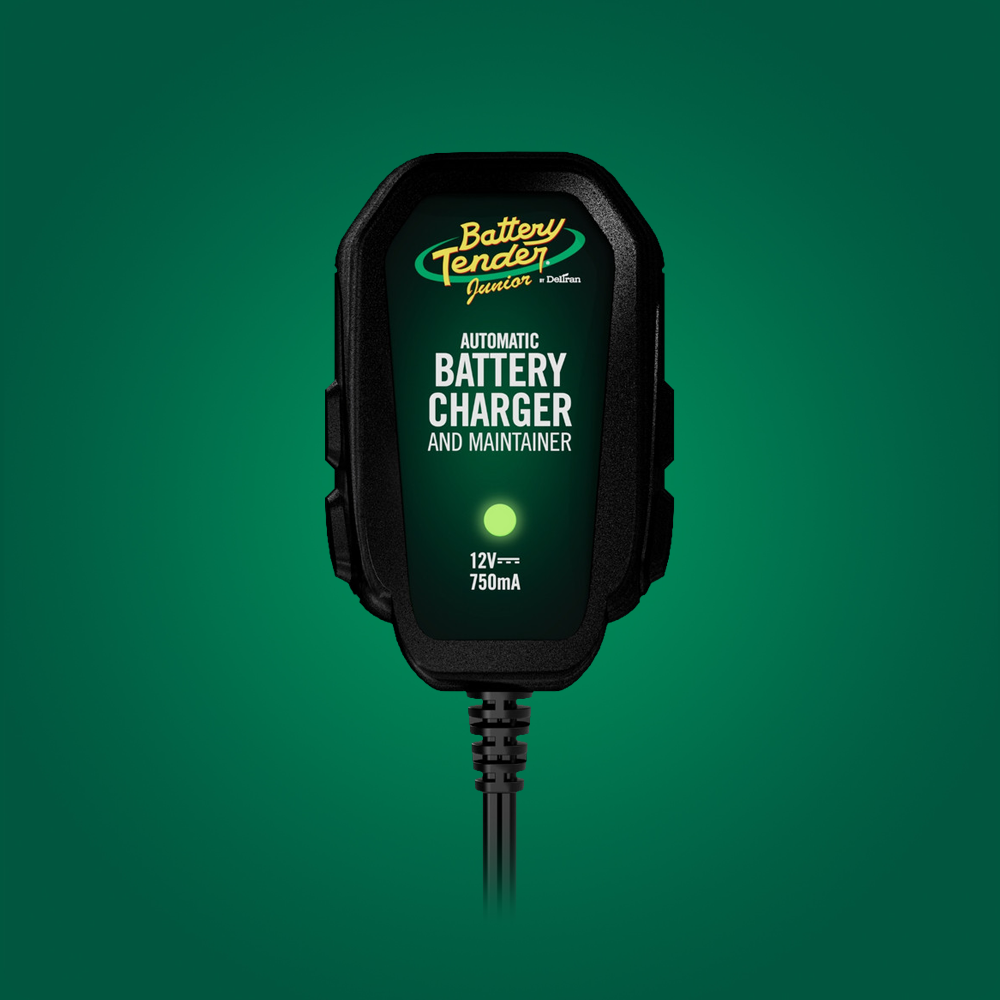
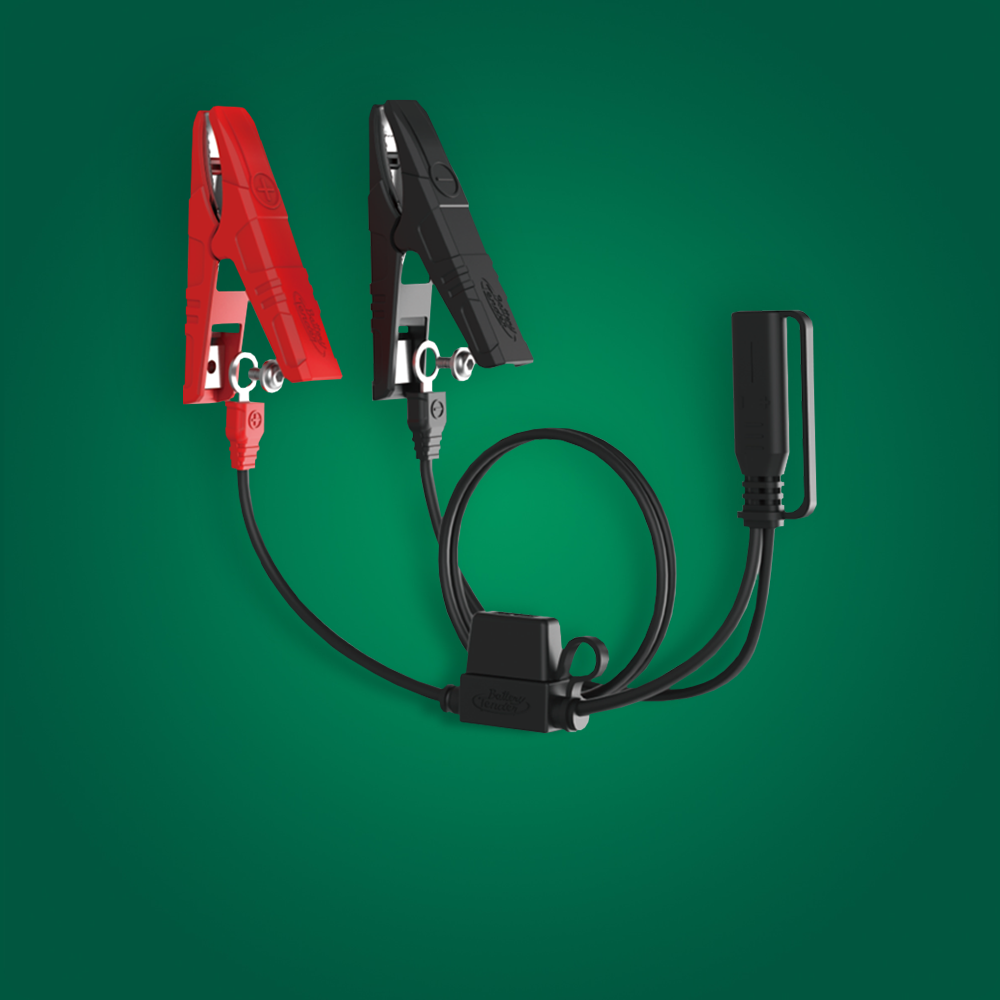
Battery Tender Junior 800mA Selectable Charger — A compact, garage-friendly maintenance charger that selects between lead-acid and lithium charge profiles. Ideal for Model 3 and Model Y owners who want a set-and-forget solution that works correctly on both older AGM and newer lithium 12V auxiliary batteries.
Battery Tender Plus 1.25 AMP Selectable Charger — A higher-output option for owners who need faster recovery from a partially depleted 12V battery before switching to float maintenance mode. Compatible with both lead-acid and lithium 12V batteries, covering the full range of Model 3 and Model Y auxiliary battery configurations.
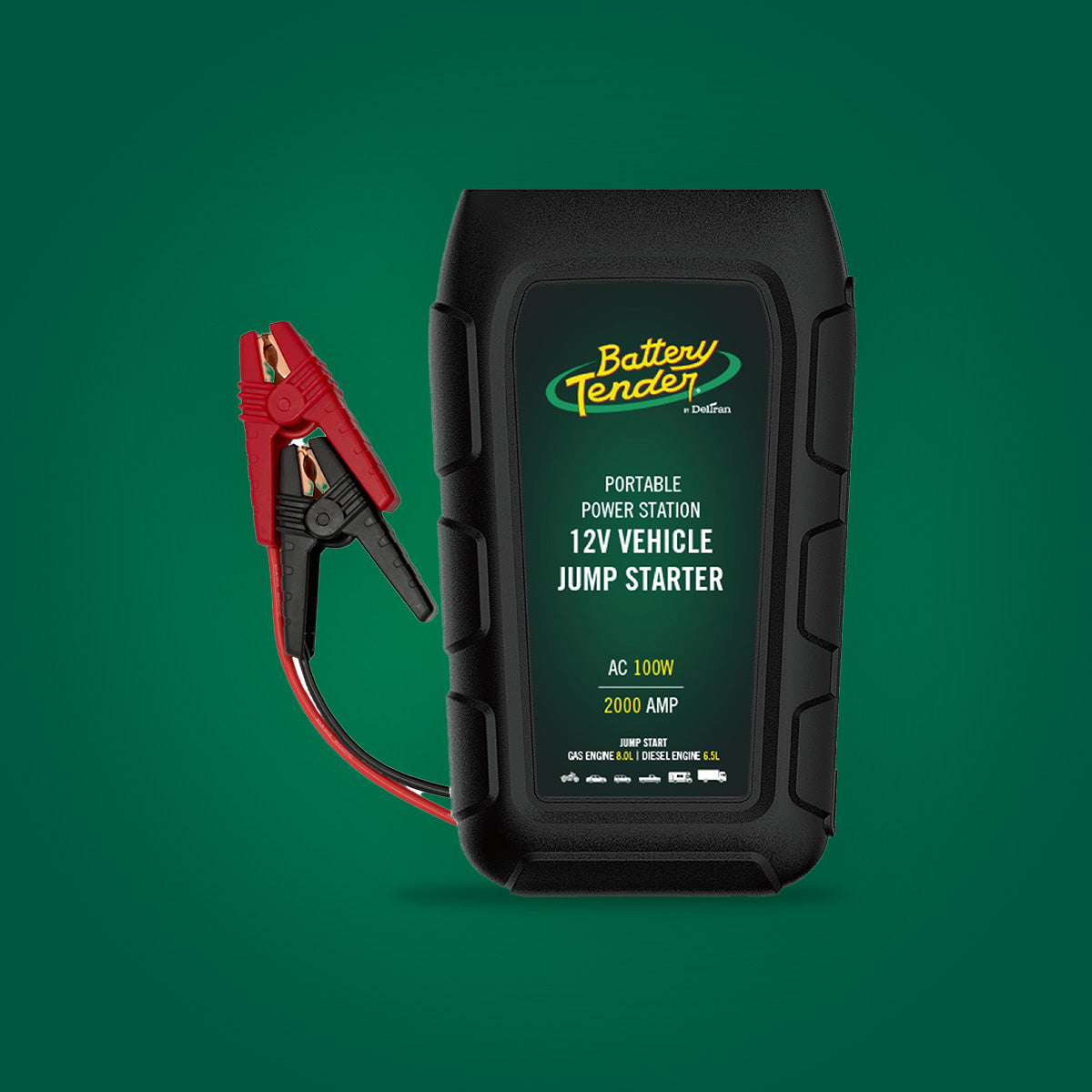
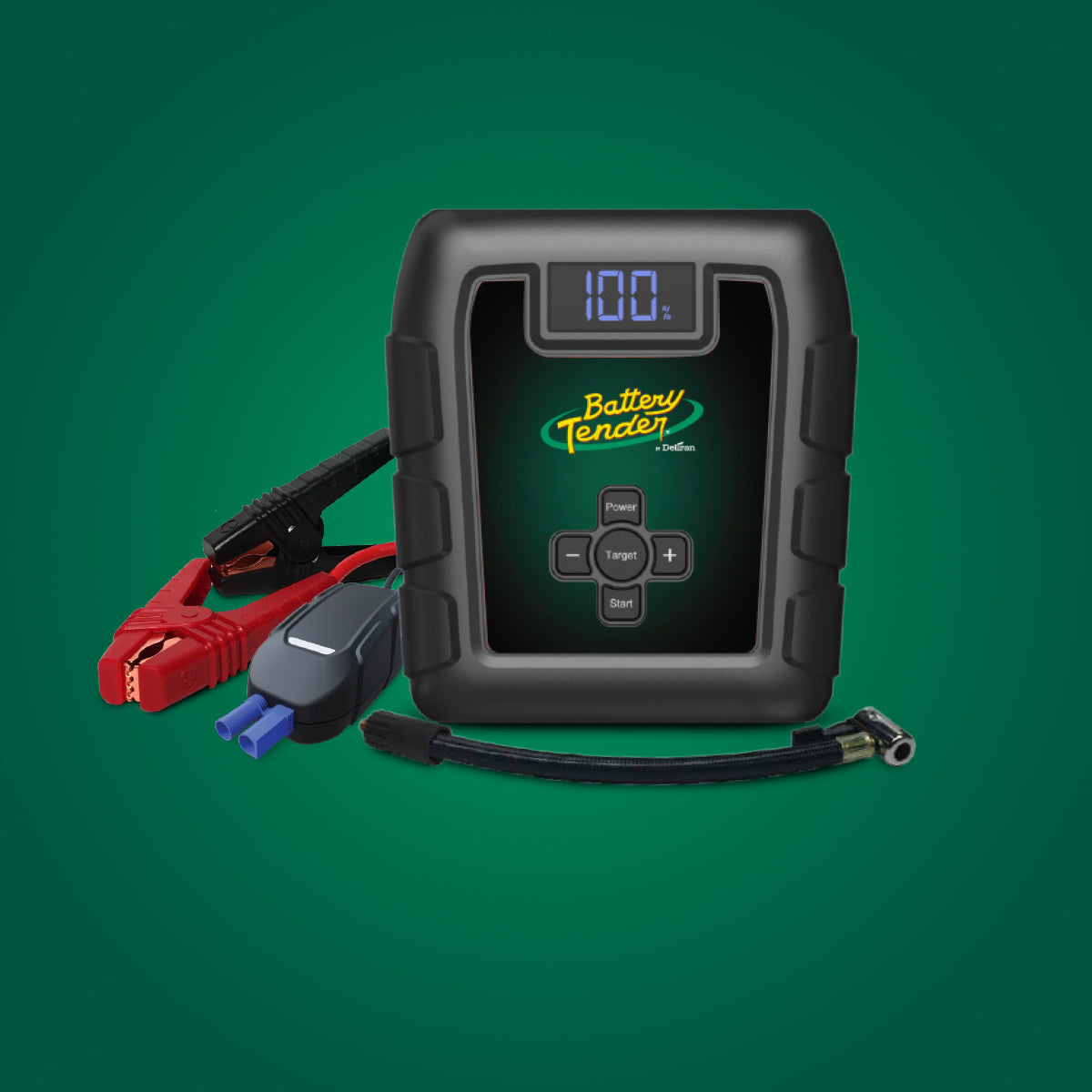
Battery Tender 800 AMP Jump Starter and Tire Inflator — When the 12V auxiliary battery has already failed and the Tesla is dark and unresponsive, this portable jump starter delivers the cranking power needed to revive the 12V system and restore vehicle access without requiring a second vehicle. The integrated tire inflator adds roadside utility that Tesla owners — who frequently deal with tire issues on low-profile performance tires — will find valuable to keep in the vehicle.
Tesla Main Traction Battery Charging: Level 1, Level 2, and Daily Habits
While 12V auxiliary battery maintenance addresses the most acute failure mode Tesla owners encounter, daily management of the main traction battery determines long-term battery health and day-to-day driving confidence. Tesla recommends that most owners charge to 80% for daily use, reserving the 100% charge setting for days when maximum range is needed. Keeping the traction battery between 20% and 80% state of charge reduces heat generation during charging and minimizes the electrochemical stress that accumulates over hundreds of charge cycles.
Level 1 charging — using a standard 120V household outlet — delivers approximately three to five miles of range per hour of charging time. For Model 3 and Model Y owners who drive fewer than 30 miles per day, Level 1 charging may be sufficient as a primary home charging method. For owners with longer commutes or those who want to wake up each morning with a fully replenished battery regardless of the previous day's drive, Level 2 charging is the practical upgrade.
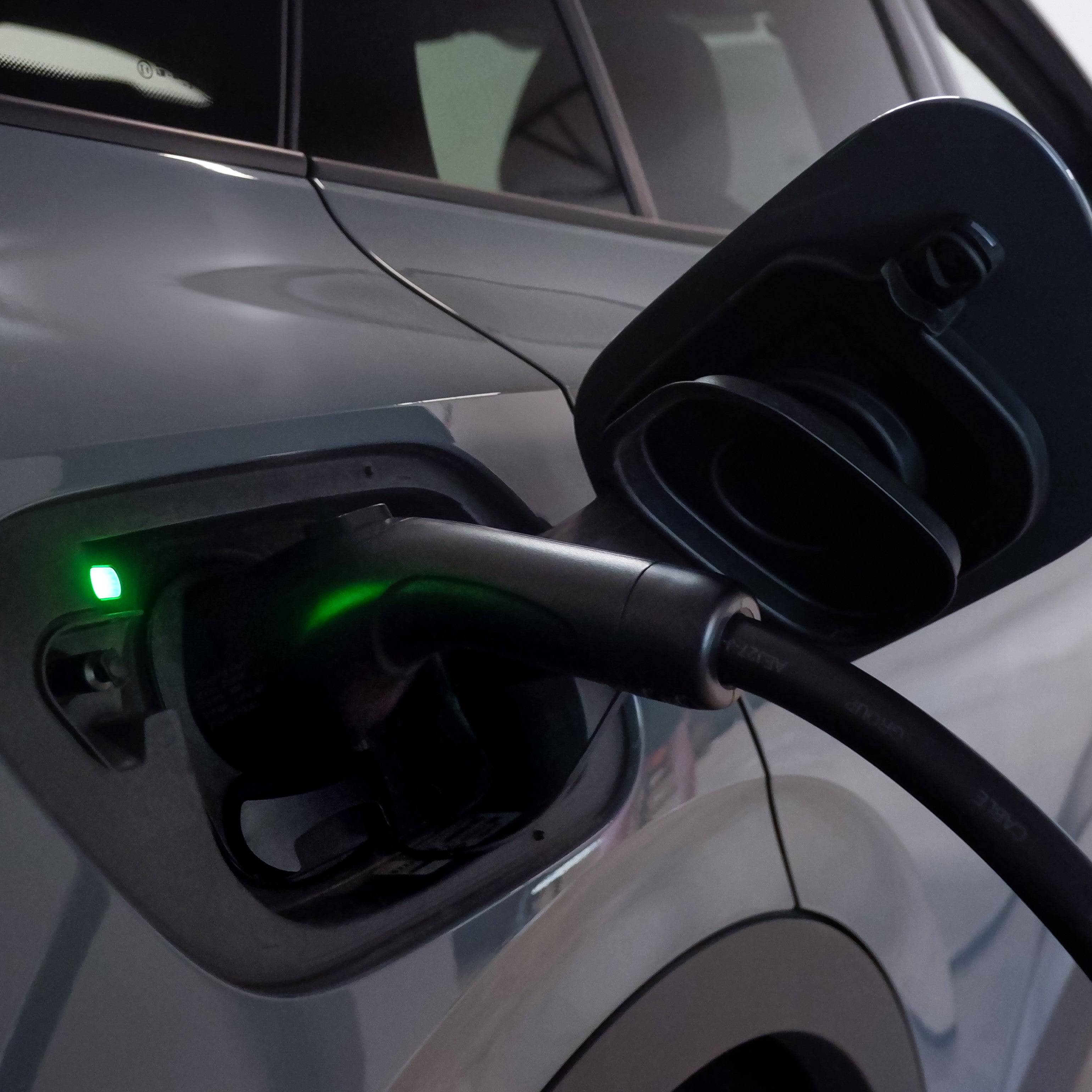
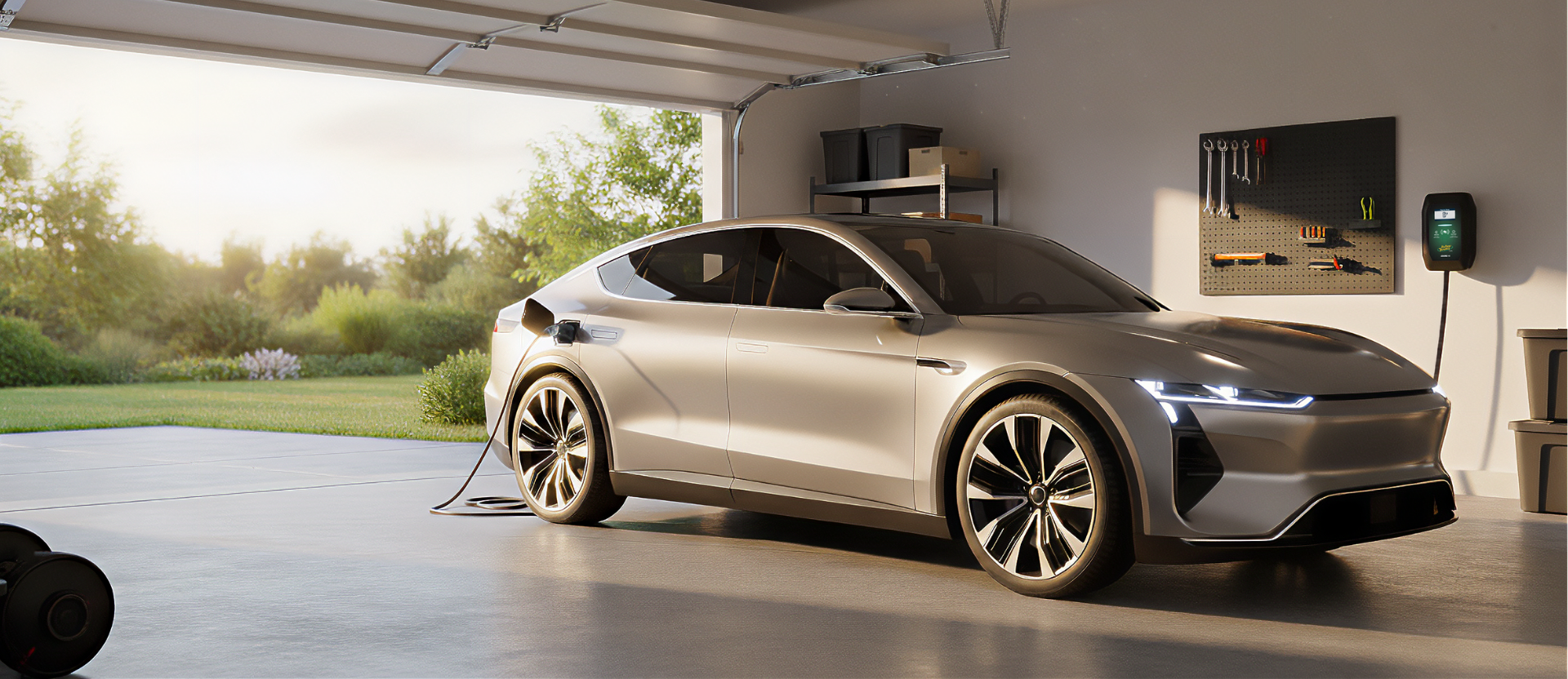
Level 2 charging operates at 240V and delivers significantly faster charging speeds. A 32-amp Level 2 charger provides approximately 25 miles of range per hour — enough to fully replenish a Model Y Long Range from 20% to 80% in roughly three to four hours of overnight charging. For most households, this means plugging in after dinner and waking up to a fully charged vehicle every morning without any concern about whether the previous night's charge window was sufficient.
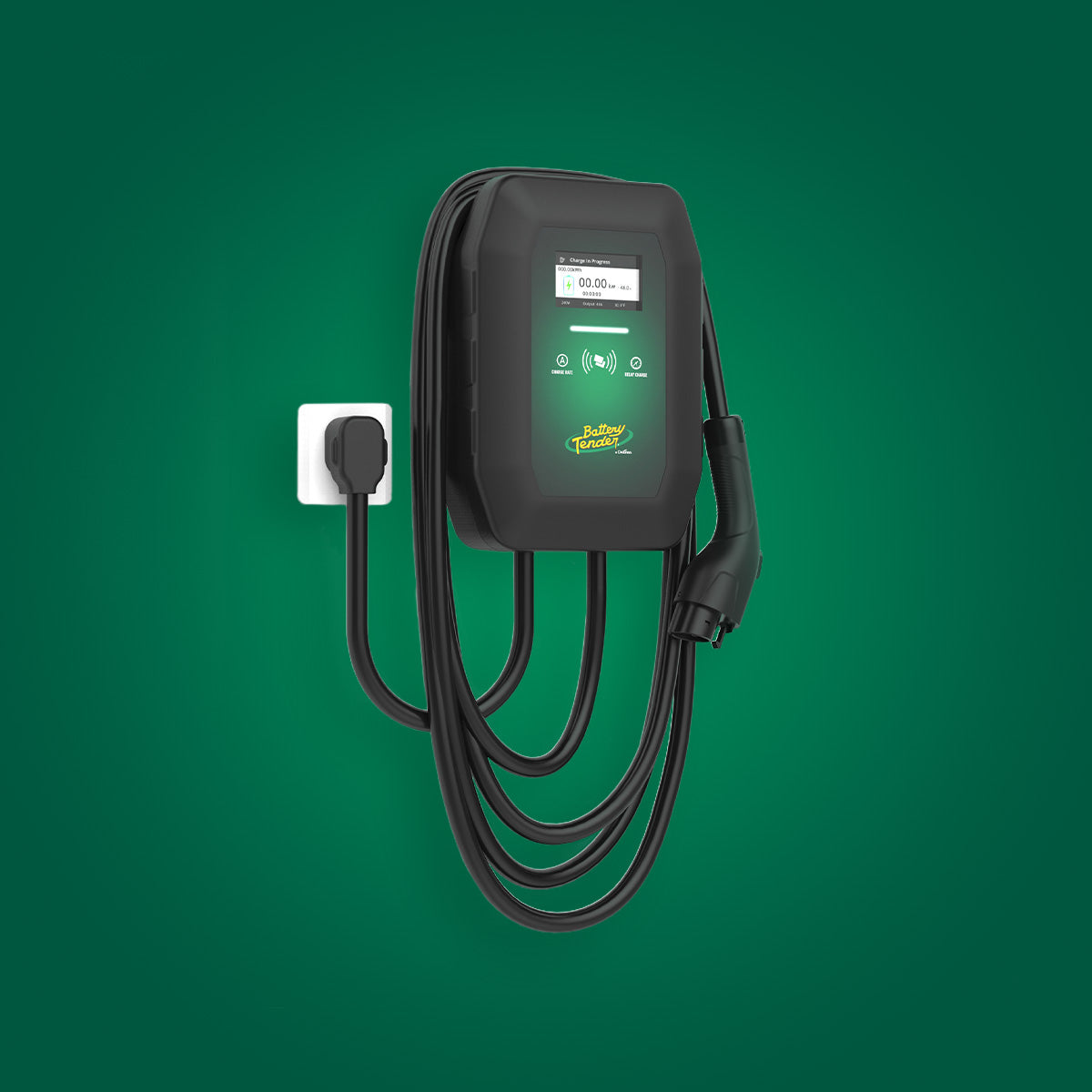
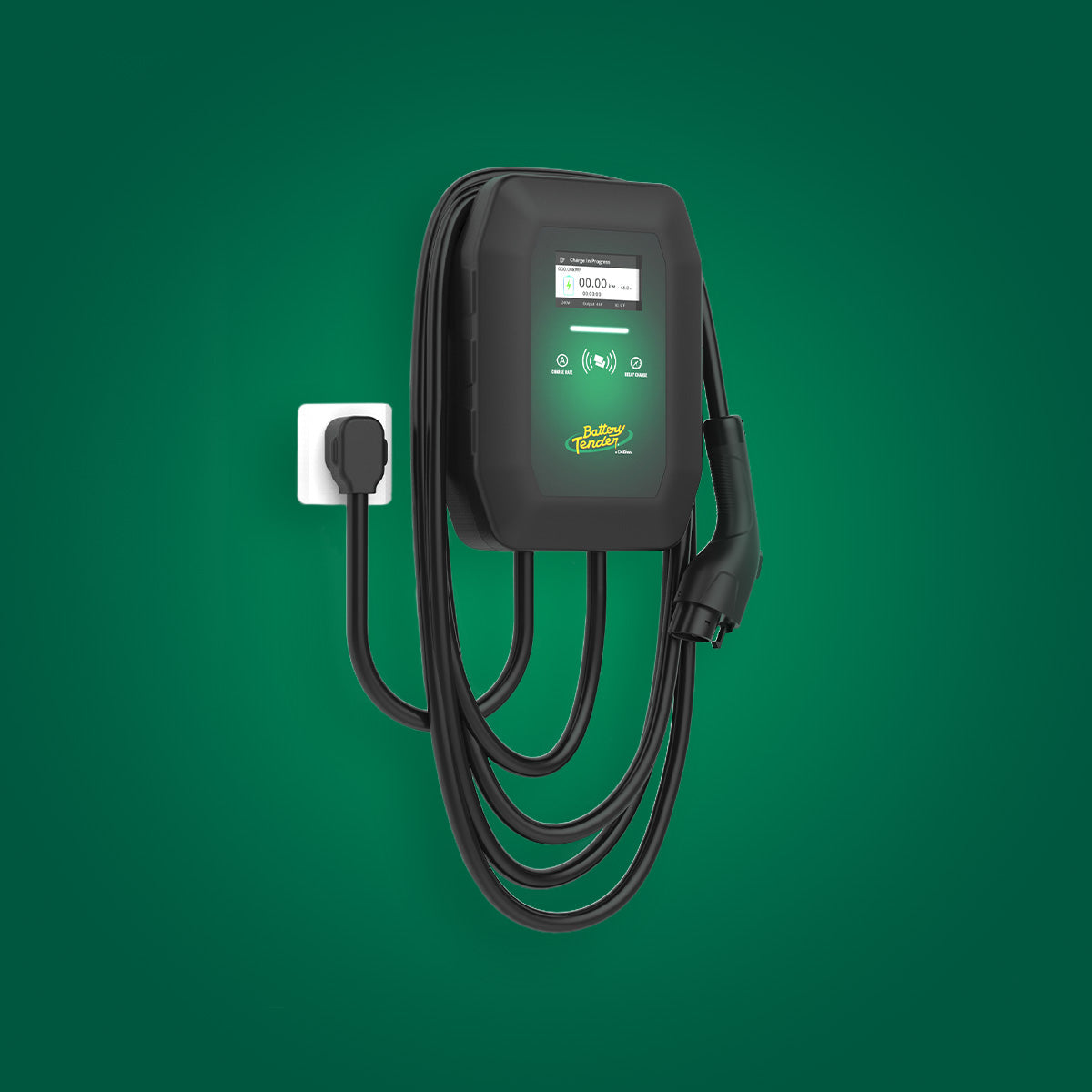
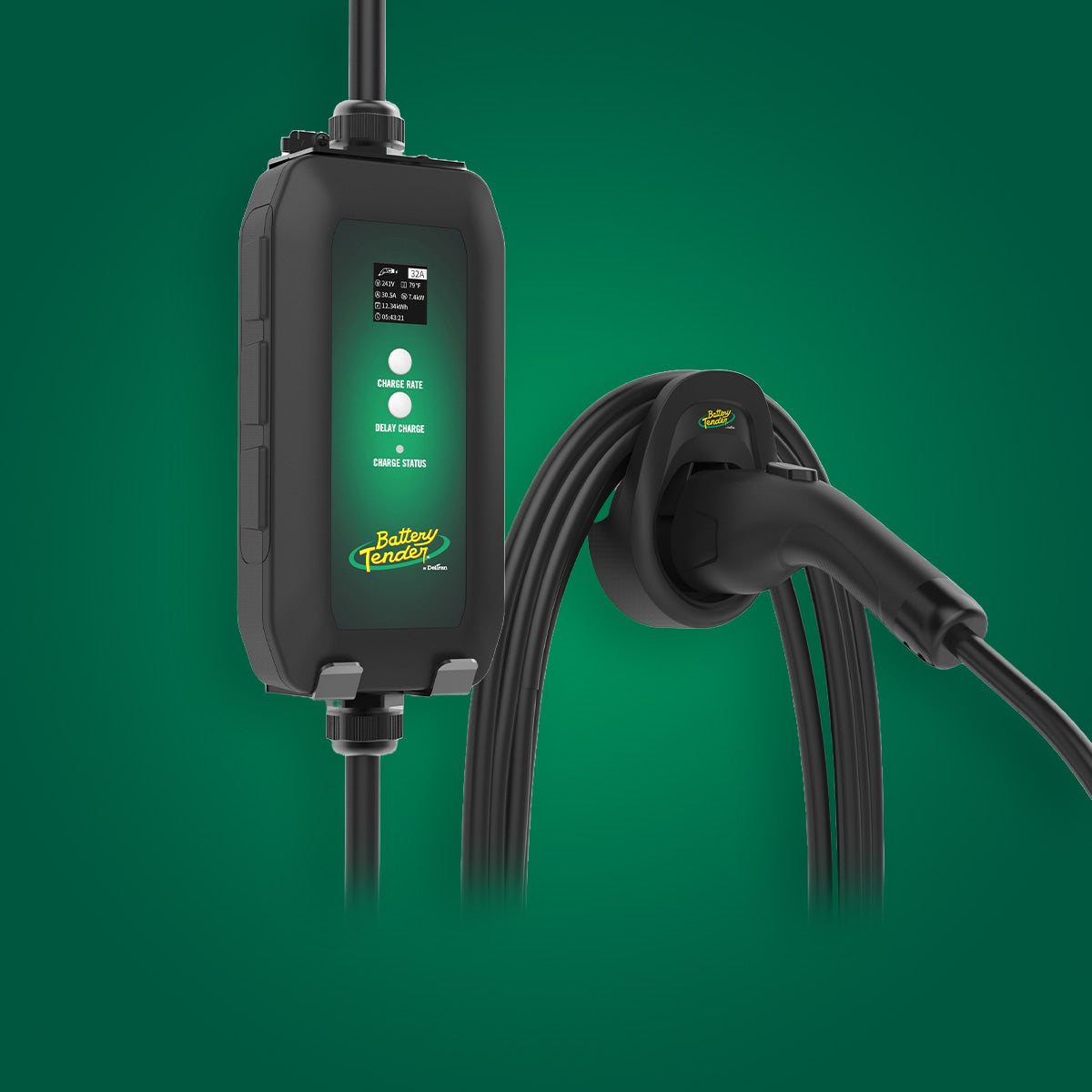
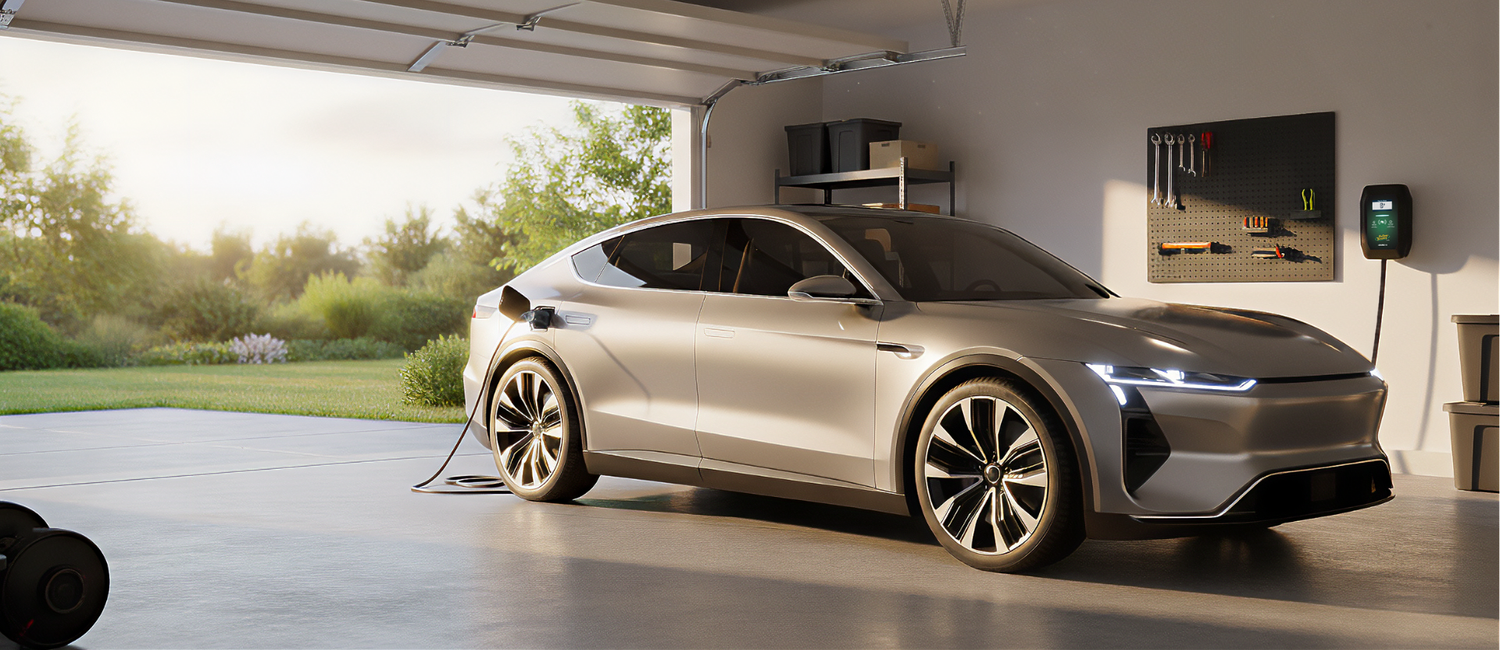
Battery Tender eCharge 32 AMP Level 2 EV Charger — A 240V, 32-amp home EV charger compatible with Tesla Model 3 and Model Y using the standard J1772 adapter included with every Tesla. The eCharge delivers up to 25 miles of range per hour, supporting overnight charging schedules that ensure the traction battery is replenished and ready each morning. Hardwired installation by a licensed electrician ensures a safe, permanent home charging solution that handles daily use across years of ownership. Also available at Costco.com.
Seasonal Storage and Long-Term Maintenance Considerations
Tesla owners who store their vehicles for extended periods — seasonal residents, owners with multiple vehicles, or those traveling for several weeks — face an elevated risk of 12V auxiliary battery failure during storage. The combination of time, Tesla's software-driven parasitic loads, and the absence of regular driving that would allow the DC-DC converter to replenish the 12V battery creates conditions where the auxiliary battery can fully discharge over a multi-week storage period.
For storage periods longer than two weeks, connecting a Battery Tender maintenance charger to the 12V auxiliary battery eliminates this risk entirely. The float maintenance mode holds the battery at full charge without overcharging, and the multi-stage charging algorithm means it can be left connected indefinitely without attention. Before storage, charging the main traction battery to approximately 50% state of charge — rather than full or nearly empty — reduces long-term degradation of the high-voltage pack during the storage period.
Cold-climate owners should treat the winter months as an extended maintenance scenario even without formal storage. Vehicles that sit in unheated garages or driveways for multiple days between drives during winter are exposed to the same 12V depletion risks as stored vehicles, compounded by the reduced battery capacity that cold temperatures impose on all battery chemistries.
FAQ: Tesla Model 3 and Model Y Battery Maintenance
What happens when the 12V auxiliary battery dies in a Tesla?
A dead 12V auxiliary battery renders the Tesla completely unresponsive. The key fob will not unlock the doors, the touchscreen will not activate, and the vehicle cannot be started or driven regardless of the main traction battery's state of charge. Recovery requires jumping the 12V battery to restore basic system power before normal operation can resume.
Can I use a regular car battery charger on my Tesla's 12V battery?
For older Model 3 and Model Y vehicles with lead-acid or AGM 12V batteries, a standard automotive charger is compatible. For 2021+ Model 3 and 2022+ Model Y vehicles with lithium 12V batteries, only a charger with a proper lithium charge profile should be used. Applying a lead-acid charge profile to a lithium 12V battery delivers incorrect maintenance voltage that damages the battery over time. Battery Tender selectable chargers handle both chemistries correctly.
How do I know if my Tesla has a lithium or lead-acid 12V battery?
Model 3 vehicles manufactured for the 2021 model year refresh and later, and Model Y vehicles from the 2022 model year and later, use lithium 12V auxiliary batteries. Earlier vehicles use lead-acid or AGM batteries. The vehicle's build date on the door jamb sticker or the Tesla app's vehicle information can help confirm the model year if there is any uncertainty.
Does connecting a battery charger to the 12V battery interfere with Tesla's systems?
Connecting a maintenance charger to a Tesla's 12V auxiliary battery does not interfere with the vehicle's software systems. Battery Tender chargers operate in float maintenance mode once the battery is fully charged, providing a stable voltage that simply prevents the battery from discharging further without pushing excess current into the battery.
What Level 2 charger amperage is right for a Tesla Model 3 or Model Y?
A 32-amp Level 2 charger provides approximately 25 miles of range per hour — sufficient for overnight replenishment of all current Model 3 and Model Y variants under normal daily driving conditions. Higher-amperage chargers are available but offer diminishing returns for home overnight charging where the vehicle sits connected for eight or more hours regardless of charge speed.
How often should I charge my Tesla's 12V auxiliary battery?
If the vehicle is driven regularly — several times per week — the DC-DC converter that charges the 12V battery from the main pack will typically maintain adequate 12V charge. A maintenance charger becomes important when the vehicle sits unused for three or more days, particularly with Sentry Mode enabled, during cold weather, or when the main traction battery is at a low state of charge.
Conclusion: Complete Tesla Model 3 and Model Y Battery Maintenance
Effective Tesla Model 3 and Model Y battery maintenance addresses both electrical systems that keep these vehicles performing at their best. The 12V auxiliary battery — often overlooked until it fails — is the single most common cause of a Tesla becoming completely unresponsive, and protecting it with a compatible maintenance charger is one of the simplest and most impactful steps any Tesla owner can take. The main traction battery benefits from consistent Level 2 home charging that keeps it within the optimal state-of-charge range for daily use and long-term health.
Battery Tender selectable 12V chargers cover the full range of Model 3 and Model Y auxiliary battery configurations, from early lead-acid batteries to the lithium 12V batteries in refreshed models. The Battery Tender eCharge 32 AMP Level 2 charger delivers the overnight charging speed that makes home charging practical for every driving day. Together, these tools provide the complete battery maintenance solution that keeps both systems in a Tesla functioning as designed — year after year.
Related guides: EV 12V Auxiliary Battery Maintenance · Hyundai Ioniq 5 and Kia EV6 Battery Maintenance Guide · More EV charging guides