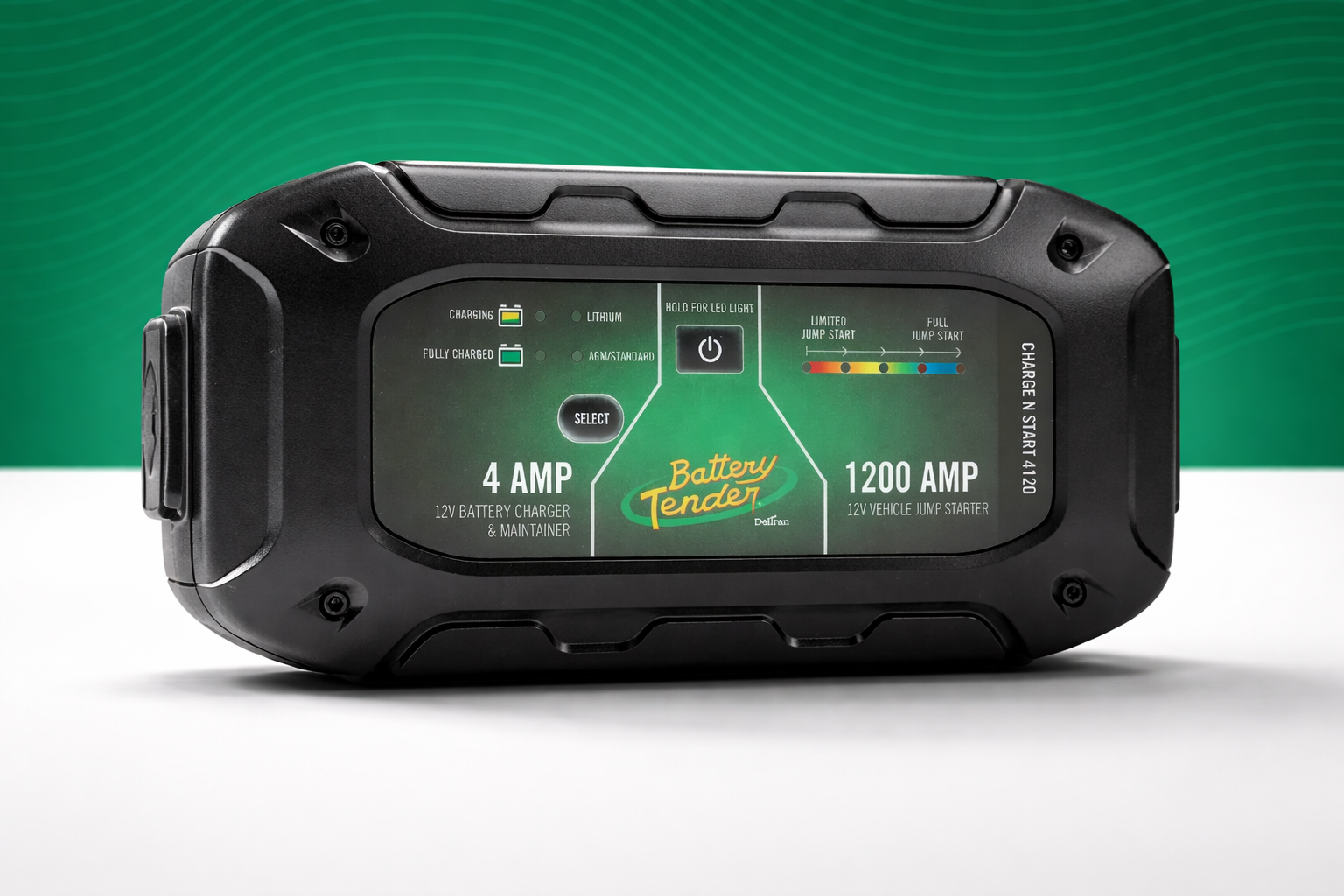
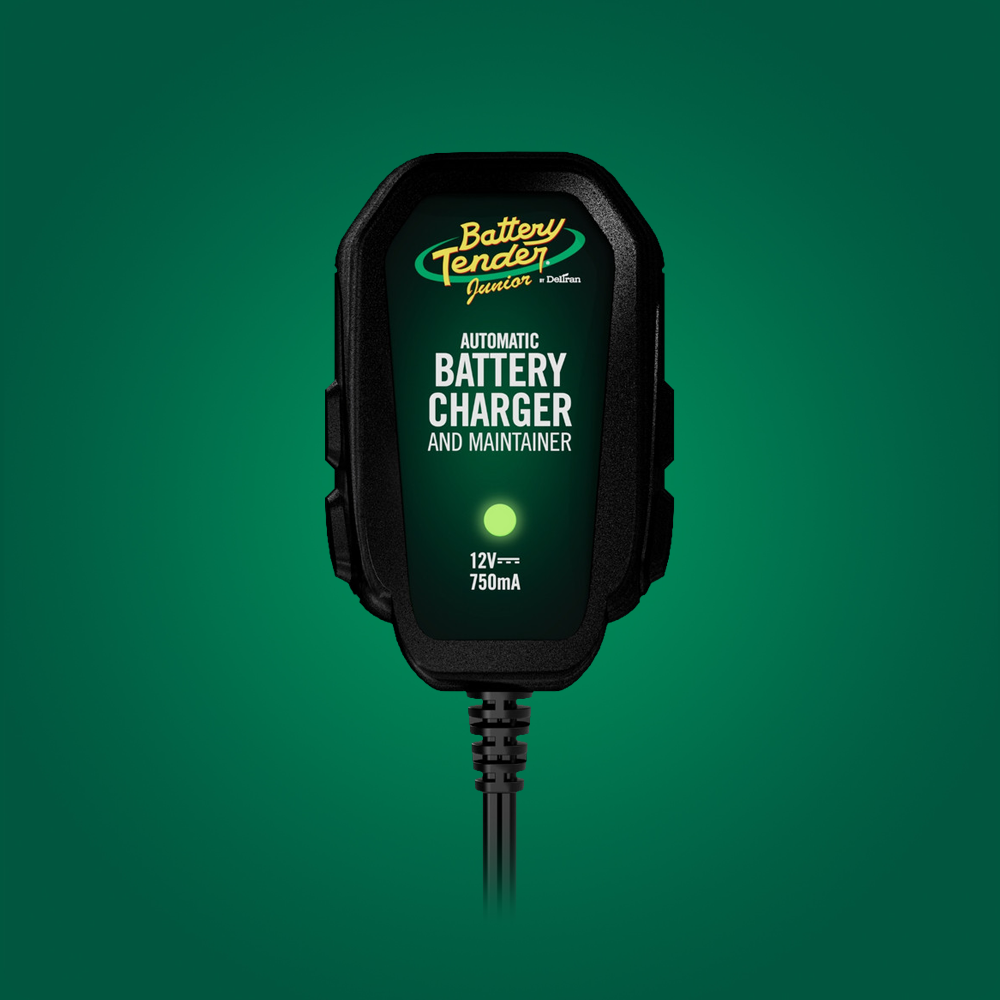
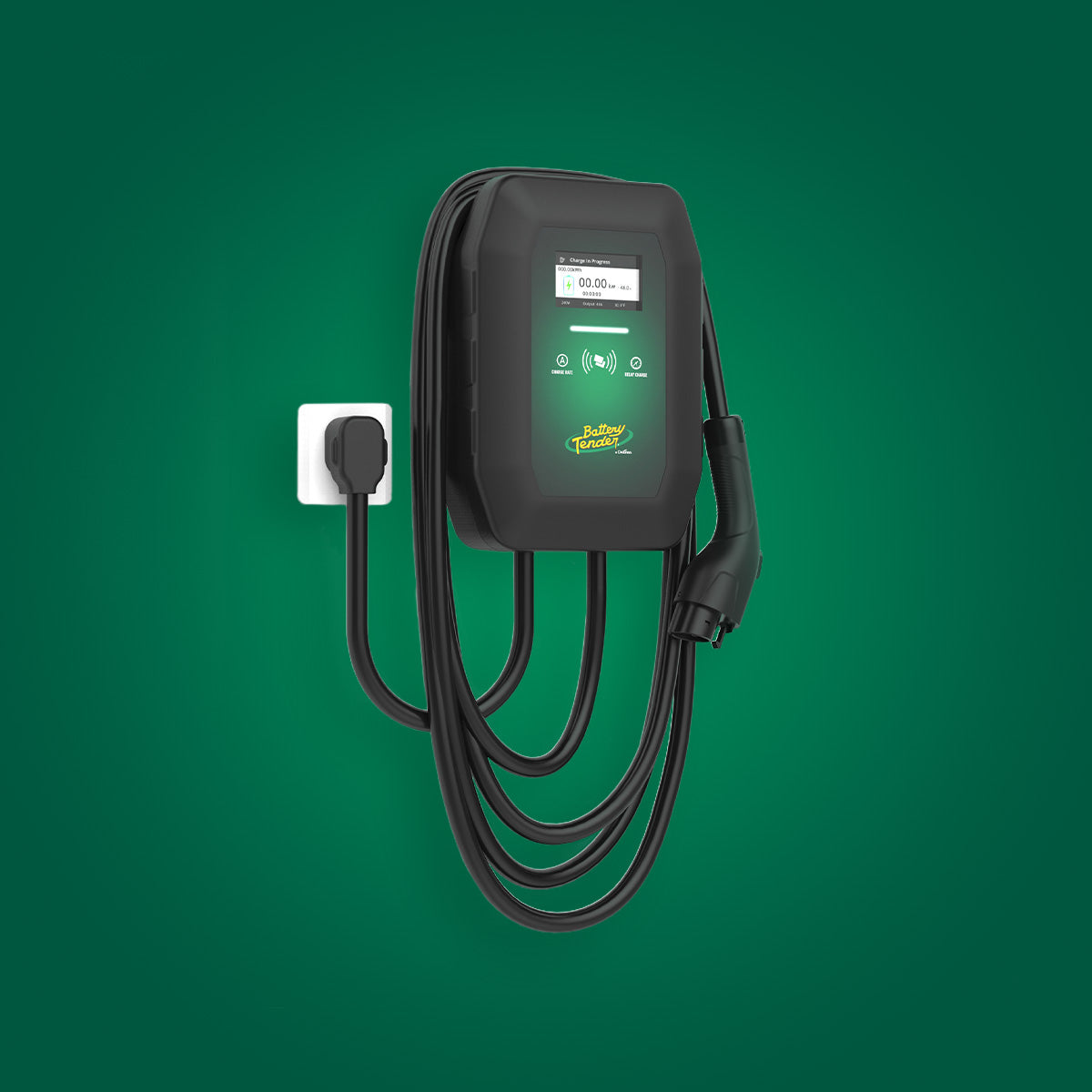
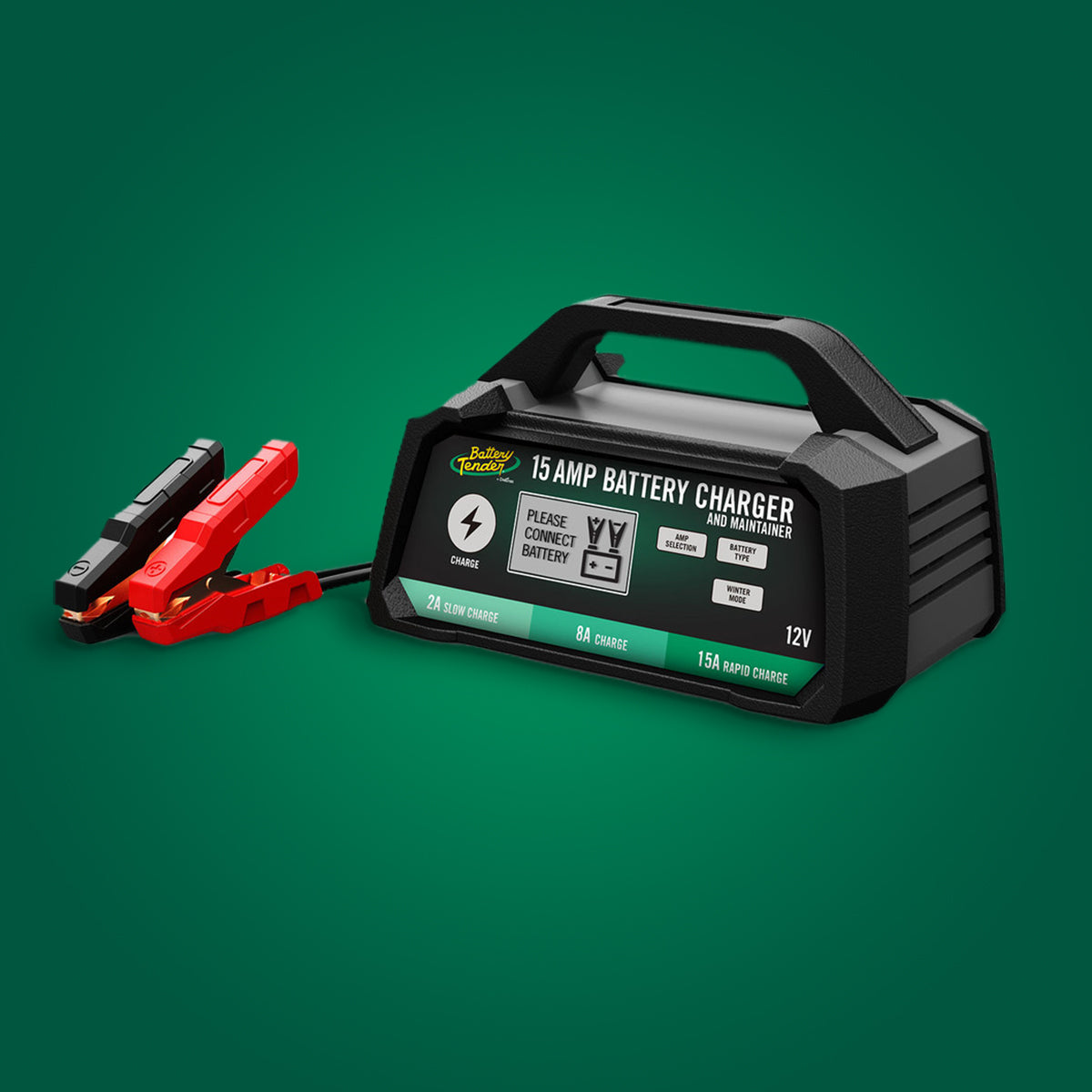



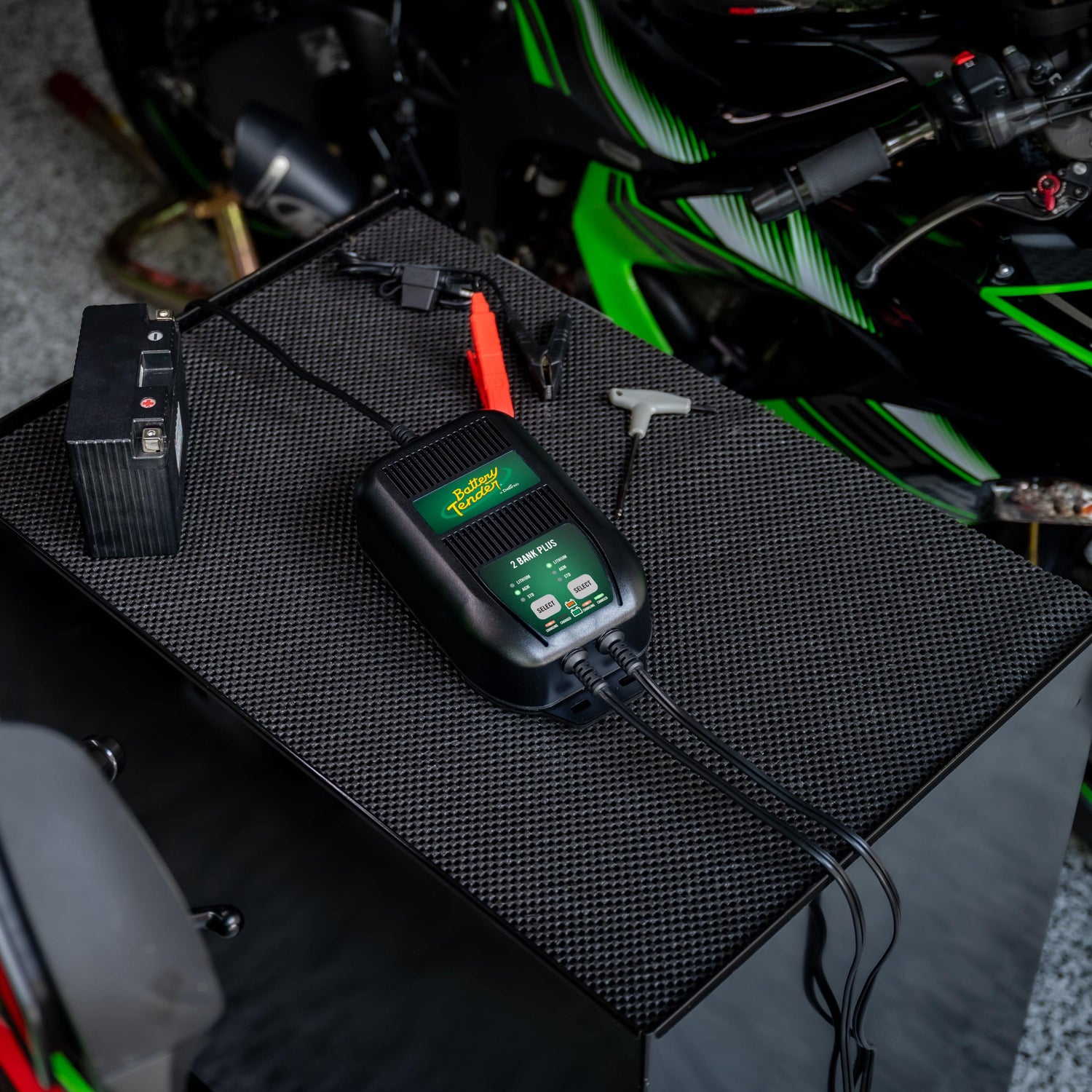
Battery Tender® a révolutionné l'entretien des batteries en 1989 en introduisant le premier chargeur de batterie intelligent grand public. Avant cette innovation, la charge des batteries entraînait des surcharges, la sulfatation et une durée de vie réduite de la batterie. Comprendre la technologie des chargeurs intelligents permet de saisir pourquoi une charge d'entretien appropriée prolonge considérablement la durée de vie de la batterie.
Pour une exploration plus approfondie, lisez : Comprendre le processus de charge en 4 étapes de Battery Tender .
Le problème avec les chargeurs « d'entretien » traditionnels
Anciens chargeurs d'entretien
- Fournissent un faible ampérage constant quelle que soit l'état de la batterie
- Ne peuvent pas détecter quand la batterie est complètement chargée
- Continuent de charger indéfiniment, ce qui provoque :
- Perte d'eau électrolyte (évaporation)
- Dégradation des plaques due à la surcharge
- Accumulation de chaleur réduisant la durée de vie de la batterie
- Corrosion de la grille sur les plaques positives
Impact sur la durée de vie
Une batterie maintenue sur un ancien chargeur d'entretien pendant 6 mois présente souvent une capacité pire qu'une batterie laissée complètement débranchée.
Technologie des chargeurs intelligents Battery Tender
Depuis 1989 : Le chargeur intelligent grand public original
Battery Tender a été le pionnier de la charge contrôlée par microprocesseur, créant une catégorie de produits entièrement nouvelle. Notre processus de charge propriétaire en 4 étapes reste la norme de l'industrie.
Le processus de charge en 4 étapes
Étape 1 : Initialisation
Durée : 1 à 5 secondes
Fonction : Vérification de sécurité
- Vérifie la tension de la batterie pour confirmer une bonne connexion
- Vérifie que la batterie est capable d'accepter une charge
- Détecte l'inversion de polarité
- Confirme des conditions de charge sûres
Si la tension de la batterie est trop faible (inférieure à 3 V) ou présente des signes de court-circuit interne, les modèles Battery Tender modernes refusent de charger, vous protégeant ainsi de situations potentiellement dangereuses.
Étape 2 : Charge en vrac
Durée : Varie selon la taille de la batterie et la profondeur de décharge
Fonction : Phase de charge principale
- Fournit l'ampérage maximal sûr (1,25 A, 5 A ou 10 A selon le modèle)
- Restaure rapidement 80 à 90 % de la capacité de la batterie
- Surveille la tension en continu
- Indicateur LED : Rouge (en charge) — Voyants Battery Tender et leur signification
Détails technologiques
- La phase de courant constant maintient un ampérage stable
- À mesure que la tension de la batterie augmente, le chargeur passe progressivement à la phase d'absorption
- La compensation de température ajuste la tension de charge en fonction de la température ambiante
- Empêche un courant de charge excessif qui endommage les plaques
Étape 3 : Absorption
Durée : 1 à 4 heures typiques
Fonction : Phase de charge d'appoint
- Fournit un courant décroissant à mesure que la batterie approche de la pleine charge
- Tension maintenue à 14,4-14,7 V (compensée en température)
- Le courant diminue progressivement à mesure que la résistance de la batterie augmente
- Assure une charge complète sans surcharge
- Indicateur LED : Jaune/Orange (absorption) — voir les significations des indicateurs
Cette phase est essentielle pour prévenir la sulfatation. Les batteries n'atteignant jamais une pleine charge développent des cristaux de sulfate durs qui réduisent définitivement la capacité.
Étape 4 : Mode Maintien (Float Mode)
Durée : Indéfinie
Fonction : Phase d'entretien
- Réduit la tension à 13,2-13,6 V
- Fournit juste assez de courant pour compenser l'auto-décharge
- Peut rester connecté indéfiniment sans dommage
- Retourne automatiquement à la charge en vrac si la tension chute (consommations parasites ou auto-décharge)
- Indicateur LED : Vert (mode maintien) — voir les significations des indicateurs
Pourquoi le mode Maintien est révolutionnaire
Les chargeurs traditionnels n'avaient pas de "mode d'entretien". Ils chargeaient (causant des dommages) ou se déconnectaient (permettant la décharge). Le mode maintien maintient une charge optimale indéfiniment.
Technologie de surveillance séquentielle infinie (ISM)
L'avancée propriétaire de Battery Tender
La technologie ISM surveille en continu :
- Tension de la batterie
- Courant de charge
- Température de la batterie (sur les modèles avec compensation de température)
- Taux d'acceptation de charge
- Temps passé dans chaque phase de charge
Réponse adaptative
- Ajuste les paramètres de charge en temps réel
- Compense les variations de température
- Détecte la dégradation de la batterie
- Optimise le taux de charge en fonction de l'état de la batterie
- Empêche la surcharge dans toutes les conditions
Technologie anti-étincelles
Innovation en matière de sécurité
Les chargeurs Battery Tender ne produisent pas d'étincelles lors de la connexion aux batteries, même si vous touchez accidentellement les pinces ensemble.
Comment ça marche
- Le chargeur ne s'active qu'après avoir détecté une connexion correcte de la batterie
- La protection contre l'inversion de polarité empêche les dommages dus à une connexion incorrecte
- La protection contre les courts-circuits arrête la sortie si les pinces se touchent
- La coupure basse tension empêche la charge des batteries endommagées
Charge spécifique à la chimie
Les modèles Battery Tender modernes optimisent pour
Plomb-acide inondé
- Tension d'absorption standard
- Temps d'absorption prolongé
- Option de charge d'égalisation périodique
AGM (Absorbed Glass Mat)
- Tension d'absorption plus faible (prévient le dessèchement)
- Temps d'absorption plus court (charge plus rapide)
- Régulation de tension plus sensible
Batterie gel
- La tension d'absorption la plus basse des types plomb-acide
- Très sensible à la surcharge
- Nécessite un contrôle précis de la tension
Lithium (LiFePO4) - Certains modèles
- Paramètres de tension entièrement différents
- Pas de mode flottant (le lithium n'en a pas besoin)
- Surveillance thermique critique
- Ces chargeurs Battery Tender incluent le mode lithium — voir les chargeurs compatibles lithium
Comparaison des options d'ampérage
Chargeur et mainteneur de batterie Battery Tender® Plus 12 V 1,25 A
- Idéal pour : Motos, VTT, voitures, petits bateaux
- Temps de charge : 10 à 30 heures pour une batterie complètement déchargée
- Le mieux pour : Charge d'entretien, stockage à long terme
Chargeur de batterie Power Tender® 12 V 5 A
- Idéal pour : Voitures, camions, grands bateaux, camping-cars
- Temps de charge : 2 à 8 heures pour une batterie complètement déchargée
- Le mieux pour : Rechargement hebdomadaire, véhicules à usage occasionnel
Chargeur de batterie Power Tender® sélectionnable 10 A / 2 A
- Idéal pour : Véhicules multiples, usage professionnel, grosses batteries
- Temps de charge : 1 à 4 heures pour une batterie complètement déchargée
- Le mieux pour : Rechargement rapide, ateliers, camions diesel
Tous maintiennent la même technologie intelligente – seule la vitesse de charge diffère.
Technologie de désulfatation
Qu'est-ce que la sulfatation
- Des cristaux de sulfate de plomb se forment naturellement pendant la décharge
- Les petits cristaux sont normaux et réversibles
- Les grands cristaux (provenant d'une sous-charge chronique) deviennent permanents
- La sulfatation est la cause n°1 de la défaillance des batteries
Pourquoi nous n'utilisons pas la désulfatation
- Contrairement à d'autres chargeurs qui tentent de « réparer » une batterie à l'aide d'une technologie d'impulsions agressive, Battery Tender se concentre sur la prévention des dommages avant qu'ils ne se produisent.
- Notre philosophie est qu'une batterie ne devrait jamais être laissée dans un état où elle doit être « récupérée ».
- Les impulsions à haute fréquence utilisées par d'autres marques peuvent solliciter les plaques internes. Nous pensons que « choquer » une batterie à plusieurs reprises pour briser les cristaux revient à plier un trombone – à terme, la structure interne s'affaiblit et cède.
- En maintenant la batterie complètement chargée, les cristaux de sulfate n'ont jamais la chance de se former et de durcir. C'est le moyen le plus efficace de maximiser la durée de vie de la batterie.
Compensation de la température
Pourquoi la température est importante
La tension de charge optimale varie avec la température :
- Les batteries froides nécessitent une tension plus élevée pour se charger
- Les batteries chaudes nécessitent une tension plus basse pour éviter la surcharge
- Différence : ~0,03 V par °F par rapport à la ligne de base de 77°F
Compensation Battery Tender
Les modèles avec capteurs de température s'ajustent automatiquement :
- Mesurent la température ambiante
- Ajustent les tensions de charge et d'entretien en conséquence
- Maintiennent une charge optimale de -40°F à 140°F
- Prolongent la durée de vie de la batterie dans les climats extrêmes
Systèmes de charge multibatteries
Pour plusieurs batteries
Chargeur de batterie 5 banques, 4 A sélectionnables 12 V / 6 V
- Cinq stations de charge indépendantes de 4 A
- Sélection individuelle de la chimie par batterie
- Surveillance et mode flottant séparés pour chaque batterie
- Une seule prise alimente les cinq
- Parfait pour : Plusieurs véhicules, collections de voitures classiques, applications marines
Chaque banque fonctionne de manière totalement indépendante – une batterie peut être en charge en vrac tandis qu'une autre est en mode flottant.
Chargeur de batterie embarqué WaveCharge Pro 3 banques 12 V, 30 A
- Trois stations de charge indépendantes de 10 A
- Sélection individuelle de la chimie par batterie
- Surveillance et mode flottant séparés pour chaque batterie
- Conception embarquée robuste, indice de protection IP68
- Parfait pour : Installations marines professionnelles, systèmes de moteur de pêche à la traîne (configurations 24 V ou 36 V) et utilisation en atelier haute performance
Chargeur de batterie Battery Tender® 4 banques, 1,25 A 12 V
- Quatre stations de charge indépendantes de 1,25 A
- Chimie de batterie sélectionnable
- Programme de charge intelligent en 4 étapes
- Entrée CA universelle avec alimentation 100-240 VCA, 50/60 Hz
- Parfait pour : Motos, VTT, motomarines, tondeuses autoportées et entretien des batteries de voitures classiques
Installation et caractéristiques de sécurité
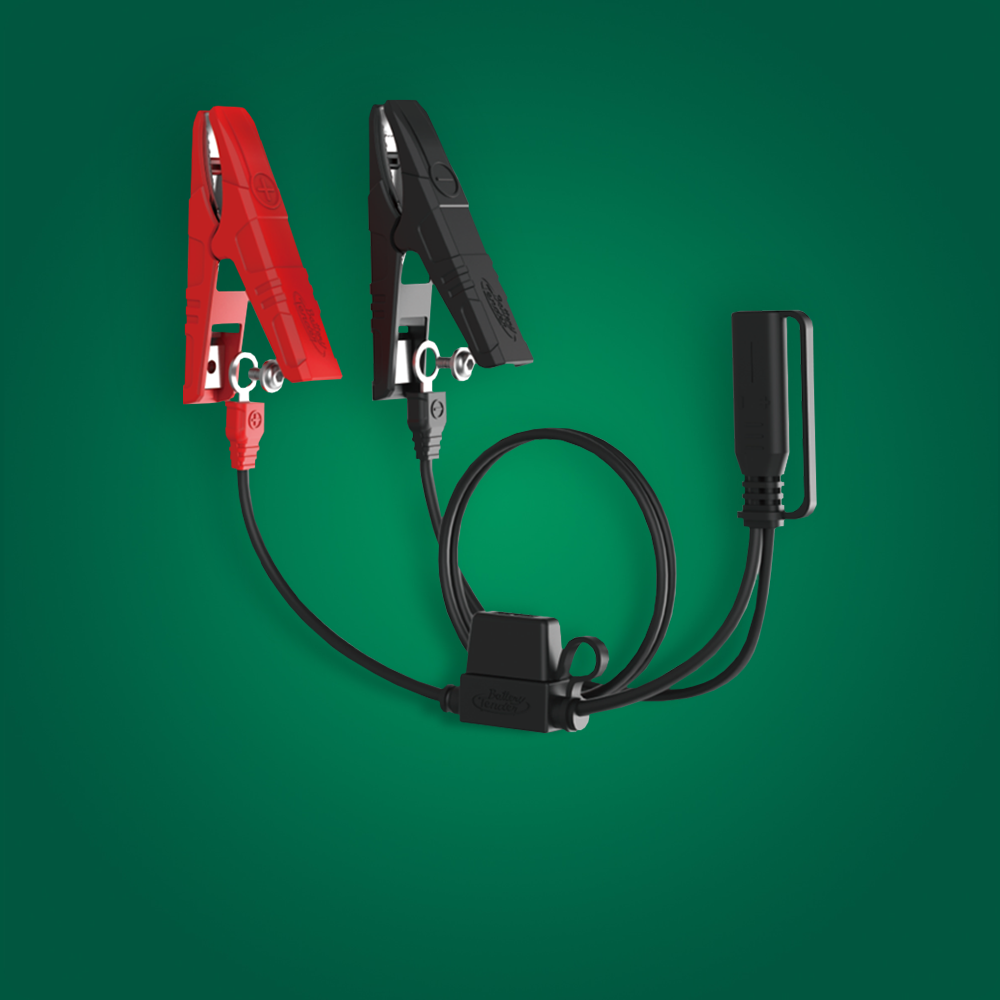
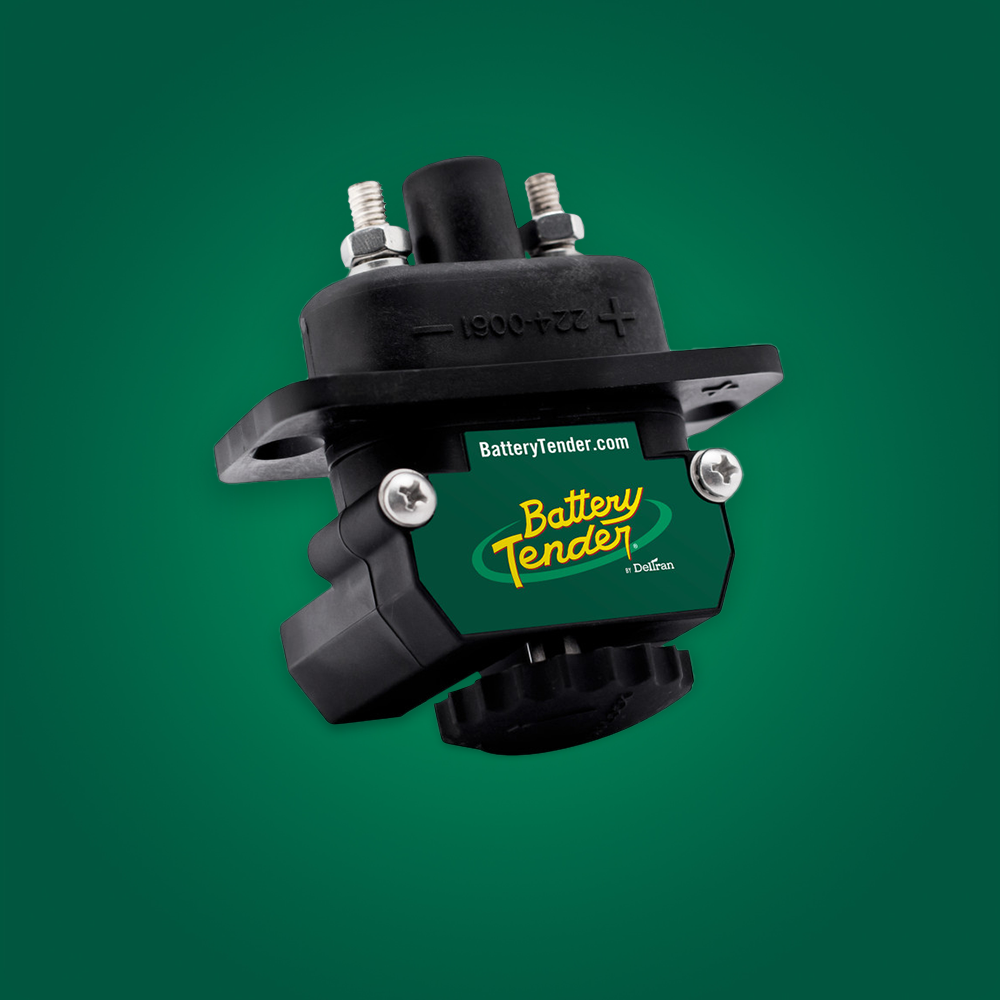
Faisceau de borne annulaire
- Connexion permanente à la batterie avec déconnexion rapide
- Connexion du chargeur Battery Tender sans outil
- Apparence professionnelle
- Le faisceau reste sur la batterie toute l'année
Certifications de sécurité
- Certifié UL (Underwriters Laboratories)
- Certifié CSA (Association canadienne de normalisation)
- Conforme à toutes les normes de sécurité nord-américaines
- Conforme à la Proposition 65 de la Californie
Idées fausses courantes
Mythe : « Tous les chargeurs intelligents sont identiques »
Réalité : Il existe d'énormes différences de qualité. Battery Tender a été le pionnier de cette technologie en 1989 et détient de nombreux brevets sur les algorithmes de charge.
Mythe : « Je peux simplement utiliser mon panneau solaire pour maintenir ma batterie »
Réalité : Les panneaux solaires fournissent une charge non régulée. Sans un contrôleur de charge approprié (qui est essentiellement un chargeur intelligent), les panneaux solaires peuvent surcharger ou sous-charger selon les conditions. Si vous utilisez l'énergie solaire, envisagez un contrôleur comme le contrôleur de charge solaire Battery Tender® .
Mythe : « Le mode flotteur surchargera s'il est laissé connecté trop longtemps »
Réalité : La tension du mode flotteur est trop basse pour surcharger. Les chargeurs Battery Tender peuvent rester connectés indéfiniment, c'est leur seul but.
Mythe : « Les chargeurs à ampérage plus élevé endommagent les petites batteries »
Réalité : Les chargeurs intelligents régulent le courant en fonction de la taille et de l'état de la batterie. Un chargeur de 10 A ne délivrera pas 10 A à une petite batterie qui ne peut accepter que 2 A en toute sécurité.
FAQ
Q : Comment un chargeur Battery Tender sait-il quand changer de mode ?
R : Le microprocesseur surveille en permanence la tension et le courant. Lorsque la tension atteint la cible et que le courant descend en dessous du seuil, le chargeur passe à la phase suivante.
Q : Les chargeurs intelligents peuvent-ils récupérer des batteries mortes ?
R : Dépend de « morte ». Si la tension est supérieure à 3 V et que la batterie ne présente aucun dommage physique, souvent oui. En dessous de 3 V indique généralement un dommage permanent.
Q : Pourquoi Battery Tender a-t-il inventé les chargeurs intelligents en 1989 ?
R : Le fondateur a constaté les dommages causés aux batteries par les chargeurs traditionnels et l'absence de solutions d'entretien appropriées. Il a développé la charge contrôlée par microprocesseur pour résoudre les deux problèmes.
Conclusion
La technologie des chargeurs de batterie intelligents a transformé l'entretien des batteries, passant d'une conjecture à une science précise. Le contrôle par microprocesseur, la charge en 4 étapes, la technologie ISM et le véritable mode d'entretien se combinent pour prolonger la durée de vie de la batterie.
Parcourez notre gamme complète de chargeurs de batterie intelligents .