


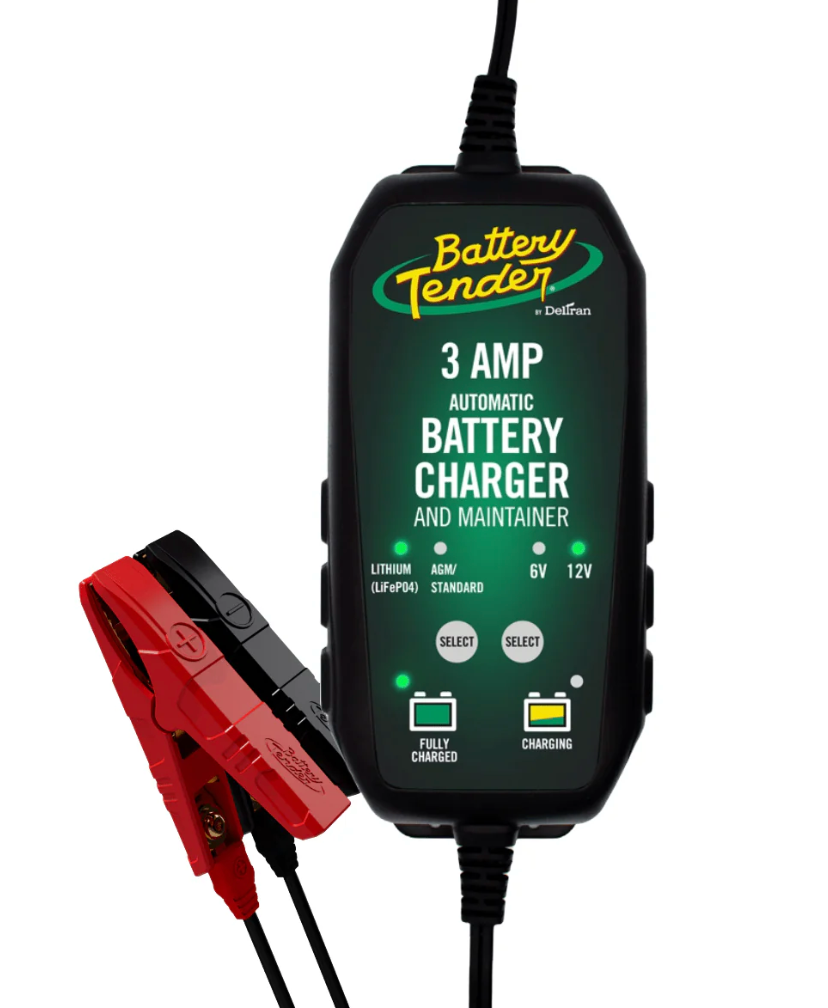
Best AGM Battery Charger: Match Amps, Voltage & Stages (2026)
The best AGM battery charger matches the battery's amp-hour rating, follows a controlled multi-stage profile, and drops to a safe maintenance mode instead of pushing current indefinitely. A Battery Tender® smart charger with Infinite Sequential Monitoring (ISM) does all three, which is why it can stay connected to an AGM battery all winter.
Key Takeaways
- AGM batteries need controlled voltage: roughly 14.4–14.8V during absorption and 13.2–13.8V in maintenance.
- Pick charger amps at about 10–20% of the battery's amp-hour rating for recharging, and 1–2 amps or less for storage.
- ISM monitors the battery through four stages. Conventional trickle chargers push constant current and can dry out a sealed AGM.
- Temperature compensation matters in cold garages and hot sheds, so check for it if the battery lives in an unheated space.
- Buy for the largest battery you own, and confirm the charger lists AGM or multi-chemistry support.
What Makes the Best AGM Battery Charger Different From a Standard Charger?
An AGM battery needs tighter voltage control than a flooded battery, so the best AGM battery charger regulates voltage precisely and never overshoots it. Absorbed Glass Mat batteries are sealed and valve-regulated. Their glass mat holds the electrolyte in place, and the cells recombine most of the gas they produce. You cannot add water if the electrolyte dries out.
That sealed design is why overcharging does permanent damage. Sustained voltage above about 15V can open the pressure valves, vent gas, and shorten battery life. Undercharging causes the opposite problem. An AGM left below roughly 12.4V at rest starts to form sulfate crystals on the plates, and capacity drops.
AGM Voltage Targets at a Glance
- Full charge at rest: about 12.8V or higher.
- Absorption (constant voltage): typically 14.4–14.8V, depending on the battery maker.
- Float or maintenance: typically 13.2–13.8V.
- Half charged: about 12.2V at rest.
Always confirm the numbers on the battery label. A charger that offers AGM or multi-chemistry selection and holds these voltage windows is a sound base for any AGM purchase.
Why ISM Smart Charging Beats Trickle Charging for AGM Batteries
ISM charging adapts to the battery's condition in four stages, while a conventional trickle charger delivers constant current whether the battery needs it or not. Infinite Sequential Monitoring (ISM) is the proprietary process behind Battery Tender chargers. It tests, charges, holds, and then maintains the battery with no user input.
- Initialization: tests the battery and applies gentle current to judge its condition.
- Bulk Charge: delivers full rated current until the battery reaches about 80% state of charge.
- Absorption: holds voltage constant while current tapers, which helps dissolve early sulfate crystals.
- Float Maintenance: sends charge only when battery voltage drops, so the charger can stay connected indefinitely.
A conventional trickle charger skips that logic. It pushes a small, constant current regardless of charge level. In a flooded battery, that cooks off water you can replace. In a sealed AGM, it dries the mat permanently. Float-only chargers are safer than trickle units, but they use constant voltage alone, with no absorption stage, so they recharge more slowly.
The practical payoff is battery life. A neglected AGM often dies in 2–3 years, while a battery kept in a correct maintenance routine commonly reaches 5 years or more. For a battery that costs real money, a maintainer pays for itself with one avoided replacement.
How to Size the Best AGM Battery Charger to Your Battery
Size the charger at roughly 10–20% of the battery's amp-hour (Ah) rating for recharging, and use a smaller maintainer if the battery only needs storage upkeep. A charger far too small takes days to recover a drained battery. One far too large can run too hot for a small AGM.
| AGM Battery Size | Typical Use | Charger Output | Good Fit |
|---|---|---|---|
| 2–30Ah | Motorcycle, ATV, lawn tractor | 0.75–1A | Battery Tender Junior 1 Amp |
| 14–80Ah | Car, motorcycle, boat starting battery | 1.25A | Battery Tender Plus |
| 50–120Ah | Truck, RV, boat, dual-purpose | 10A | Battery Tender Power Tender 10 Amp |
| 100Ah and up (banks) | Deep cycle, off-grid, fleets | 20A+ | Battery Tender PowerPlus 12V 26 Amp |
Charging Time Math
Use this formula: (battery Ah × depth of discharge) ÷ charger amps = approximate hours. Add 15–20% for the absorption taper.
- 100Ah AGM, 50% discharged, 10A charger: (100 × 0.5) ÷ 10 = 5 hours, or about 6 hours with taper.
- 20Ah motorcycle AGM, 50% discharged, 1A charger: (20 × 0.5) ÷ 1 = 10 hours, or about 12 hours with taper.
For related sizing logic on 12V banks, the cart charger guide covers matching voltage, chemistry, and amps in detail.
Best AGM Battery Charger Picks by Situation
No single model suits every AGM battery, so match the charger to the battery's size and where it lives. These three chargers cover most owners, and the inverter and extension cable support the setups around them.
Small AGM Batteries (Motorcycles, ATVs, Mowers)
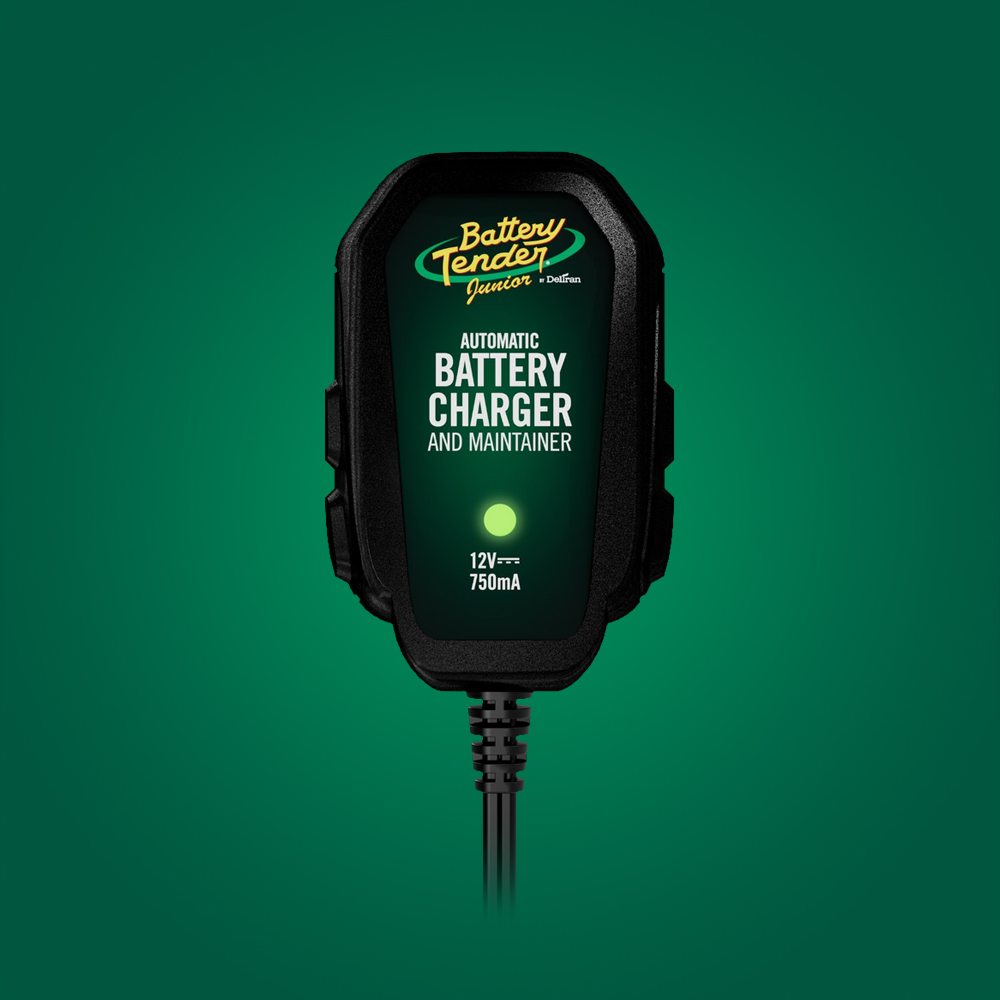
The Battery Tender Junior 1 Amp fits batteries in the 2–30Ah range. At 1A, it recovers a motorcycle AGM overnight without overworking a small battery. It is multi-chemistry, so it also handles lithium if the bike gets upgraded. Keep it in a dry, ventilated spot while it maintains the battery.
Battery Tender Junior Multi-Chemistry 12V 1 Amp Battery Charger and Maintainer
Large AGM Batteries (Trucks, RVs, Boats)
The Battery Tender Power Tender 10 Amp suits AGM batteries between about 50 and 120Ah. A 100Ah AGM that is half drained returns to full in roughly 6 hours, then the charger holds it in maintenance. The multi-chemistry design covers AGM, standard lead-acid, and lithium, which matters if the vehicle's battery type changes later.
Battery Tender Power Tender 10 Amp Multi-Chemistry 12V Battery Charger and Maintainer
Charger Plus Jump Starter for Emergency Starts
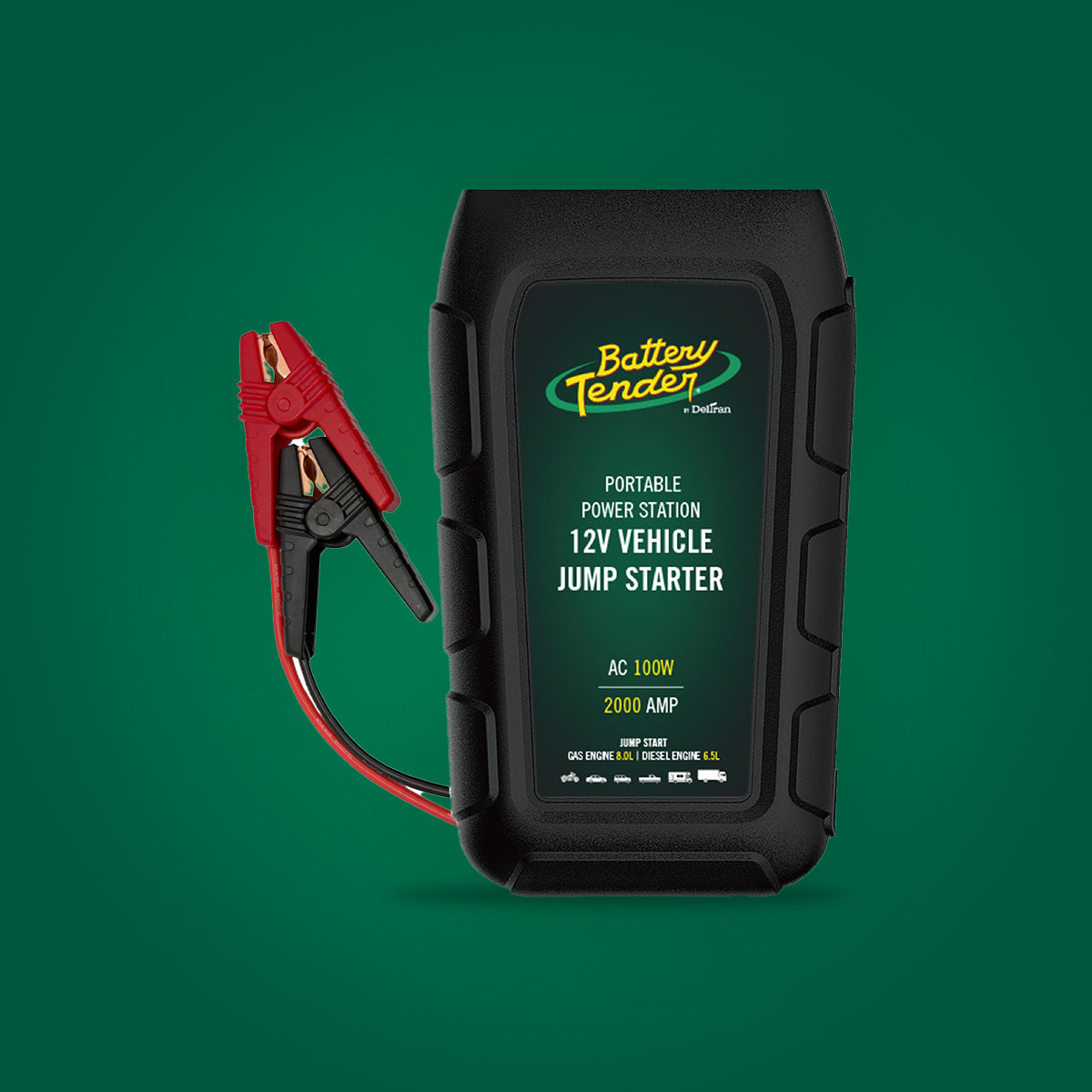
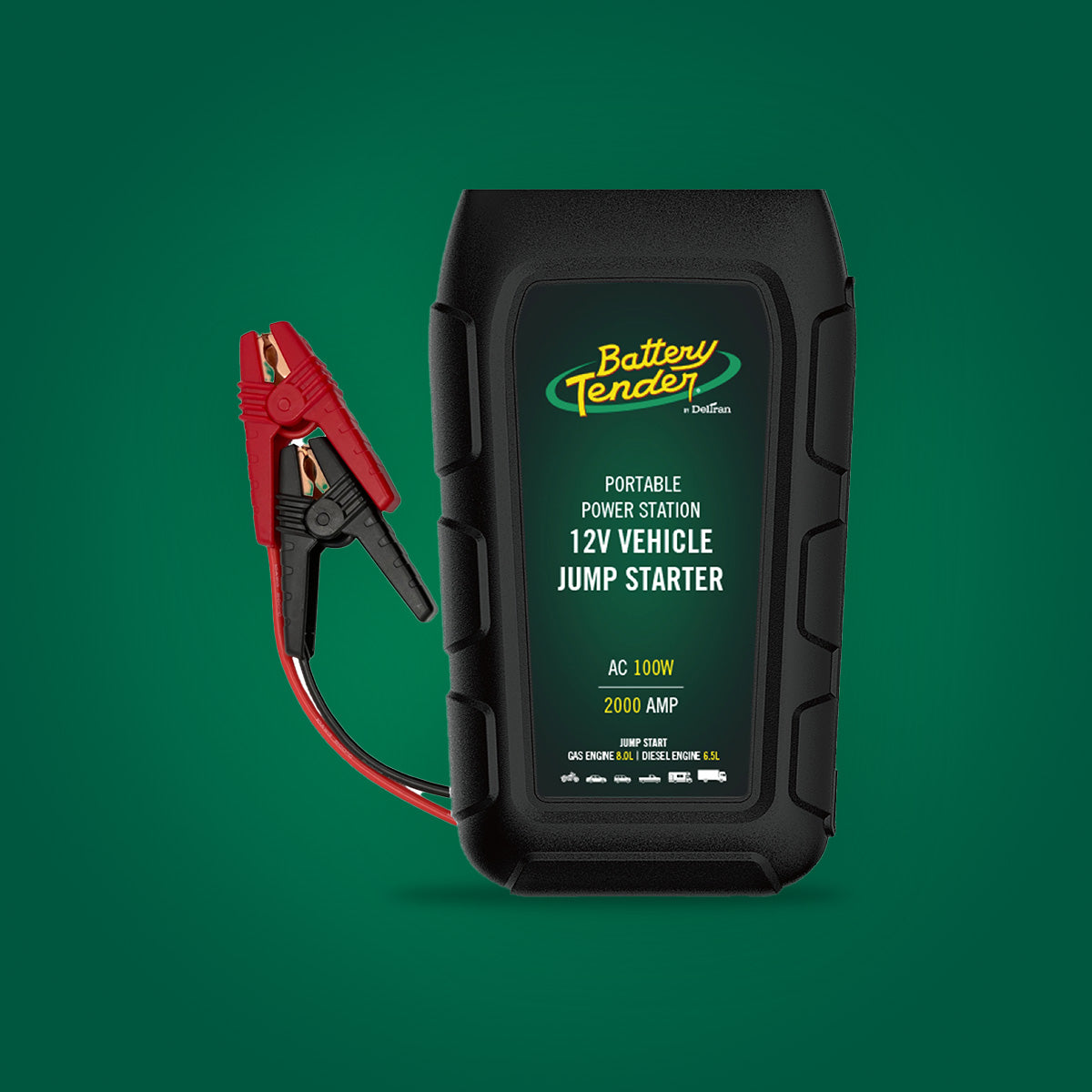
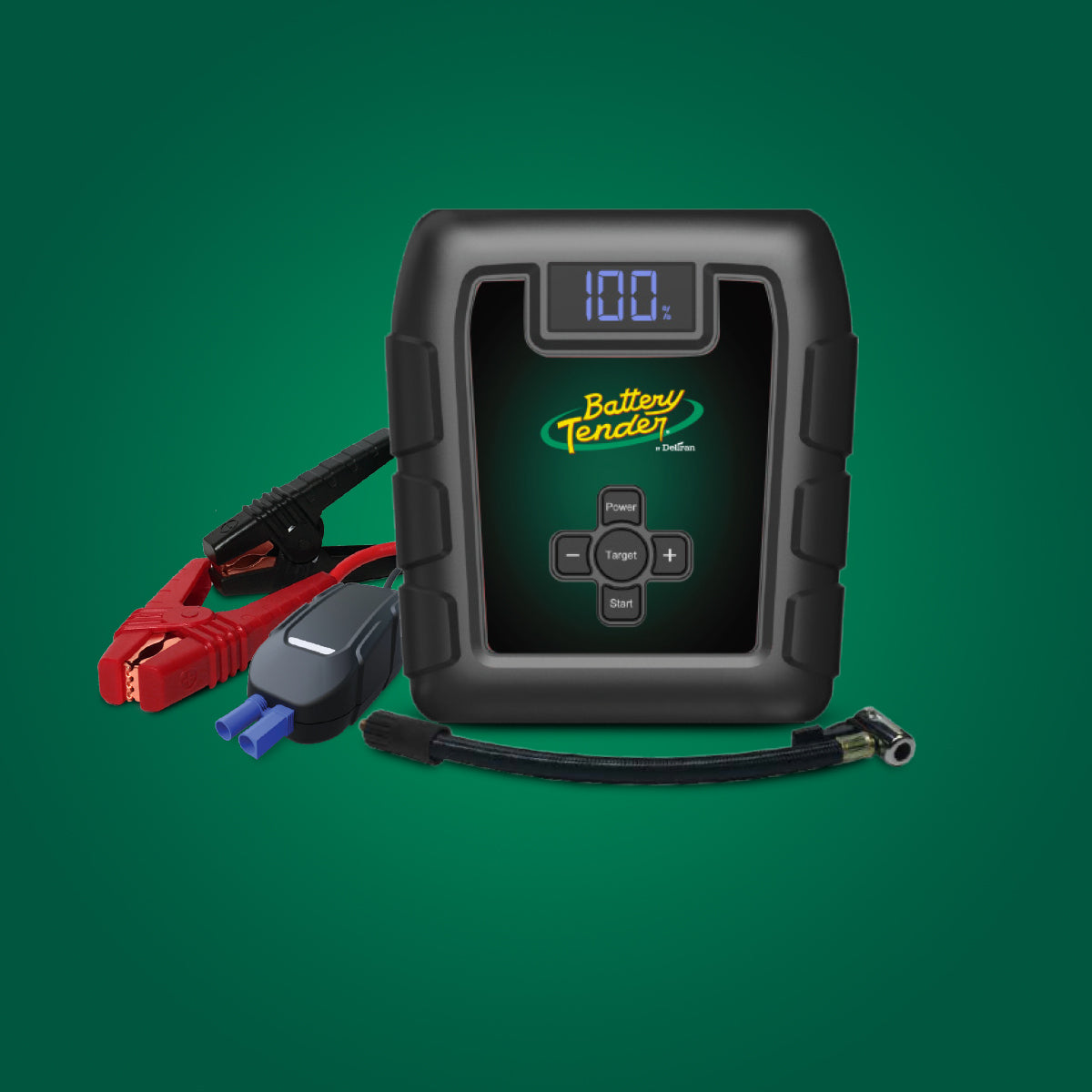
The Battery Tender Charge N Start 1120 combines a 1A charger with a 1,200A jump starter. It fits mid-size cars, SUVs, and boats that sit for weeks. The charger section handles all 12V battery types, including AGM, and the internal jump pack is lithium-ion. If the battery goes flat anyway, the same unit starts the engine (rated for up to 6.0L gas or 4.0L diesel). The bundle includes a ring terminal cable for a permanent connection.
Charging Away From a Wall Outlet
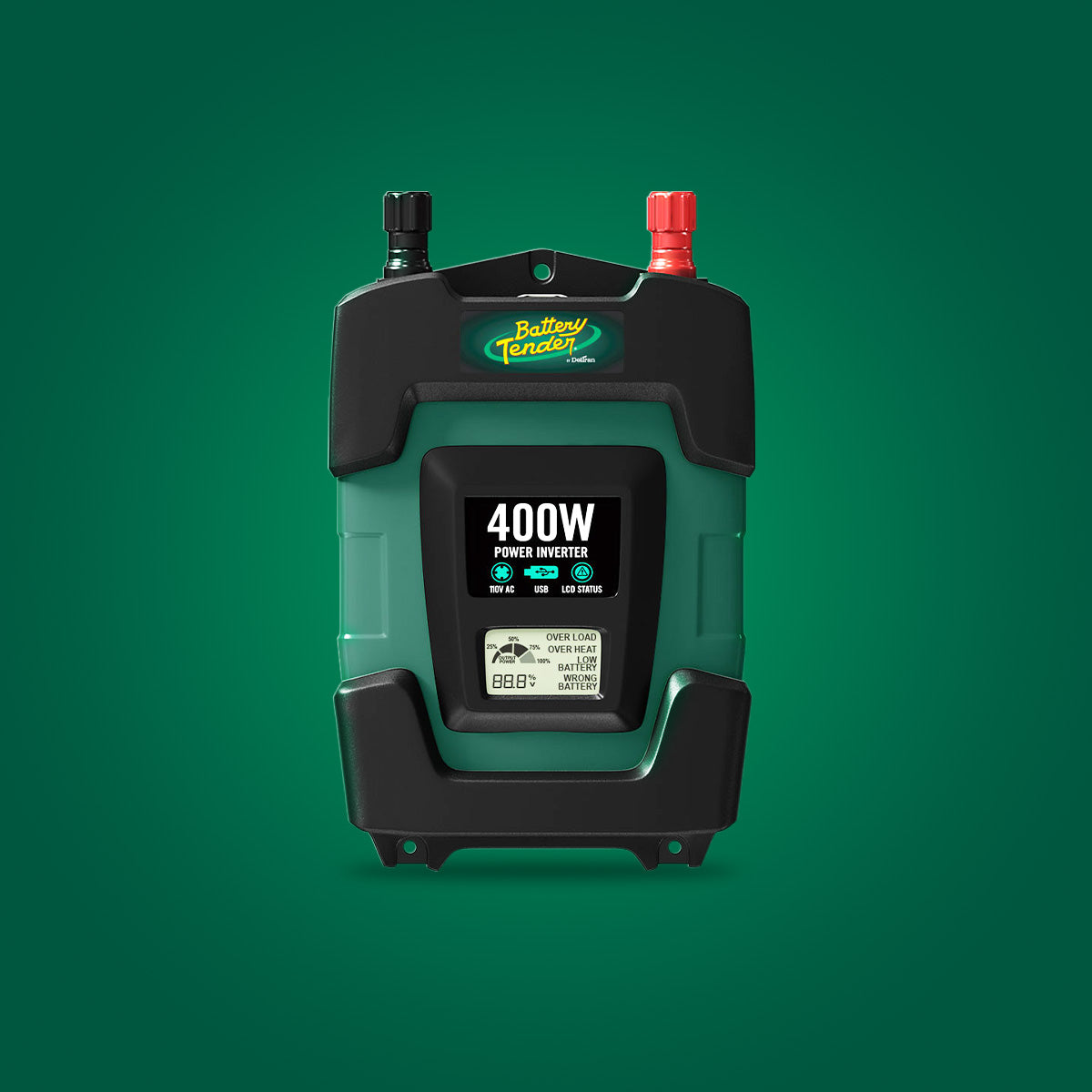
The Battery Tender Power Inverter 400 Watt 12V is not a charger. It converts 12V DC to 120V AC, so a wall-plug charger can run from a truck's electrical system at a job site, campsite, or farm. A 10A charger draws well under 400W, so the inverter has headroom. Keep the donor engine running while charging, so the source battery is not drained.
Battery Tender Power Inverter 400 Watt 12V
Reach and Convenience
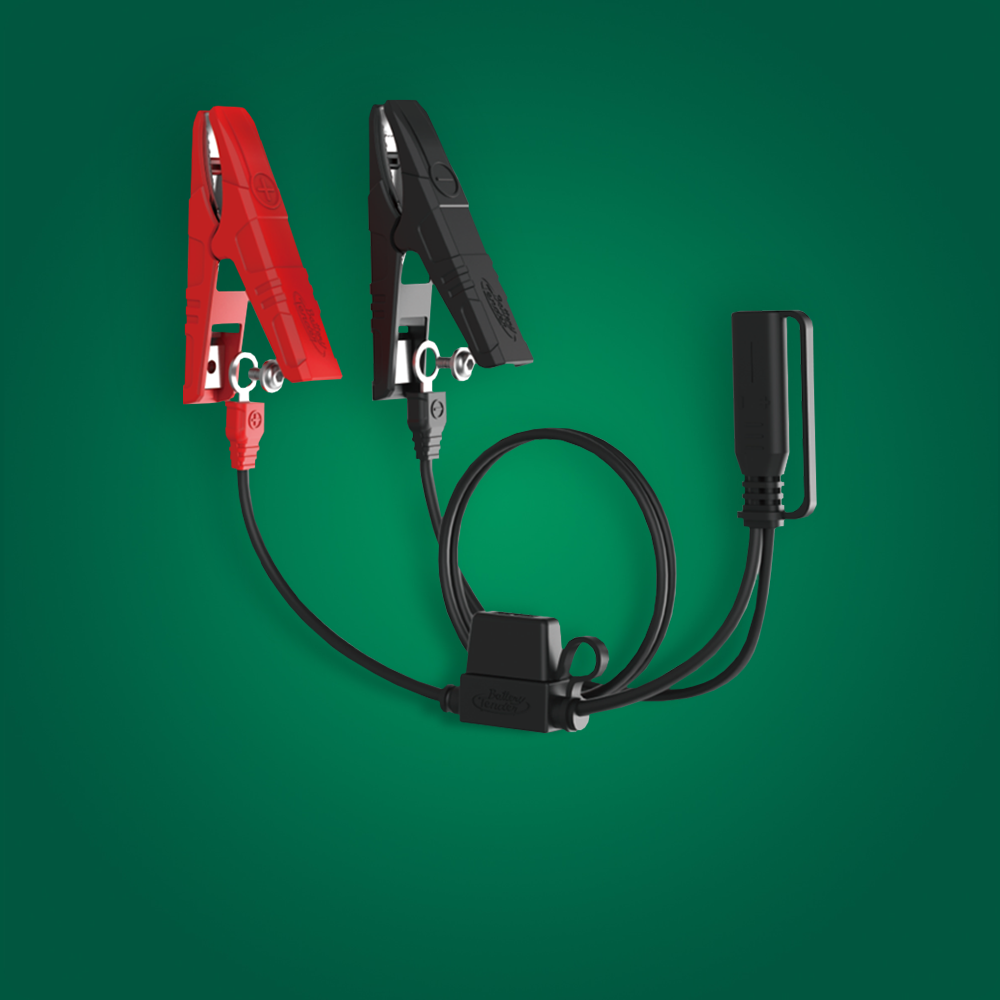
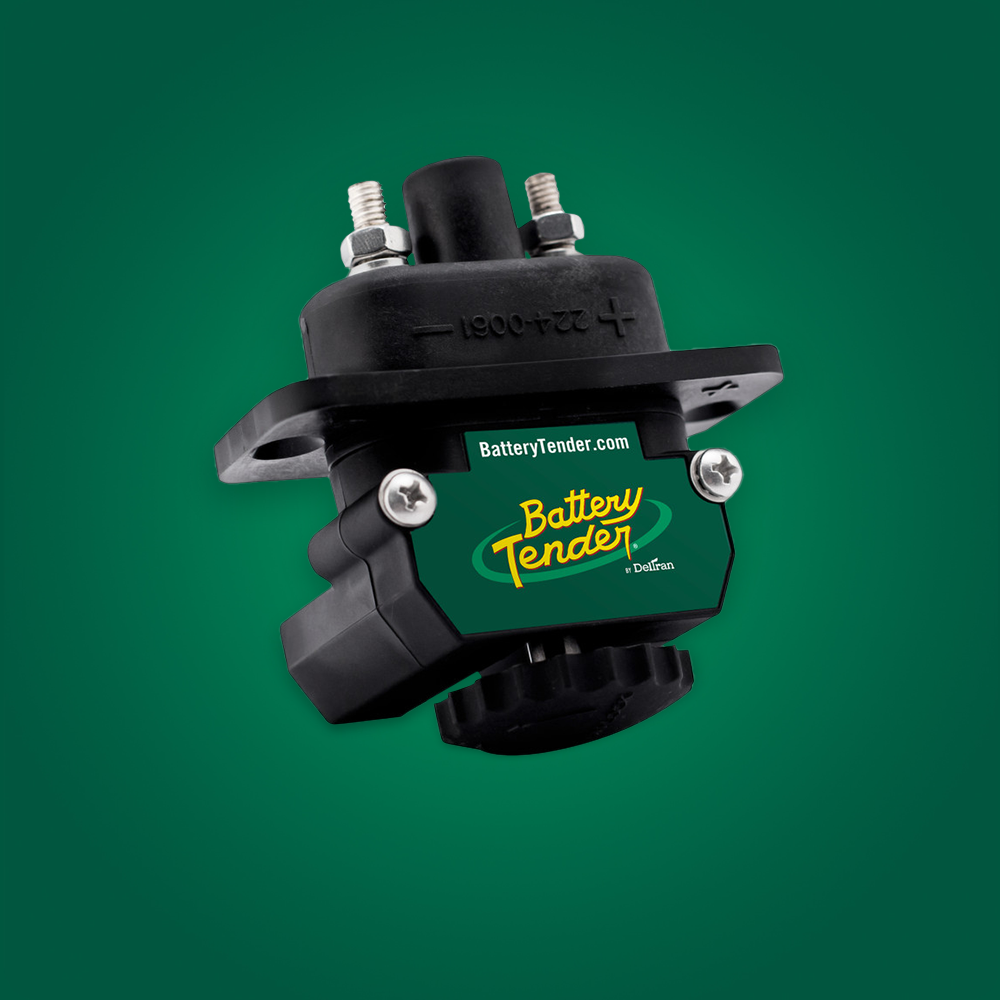
A permanent SAE connector on the battery makes each hookup a plug-in. The Battery Tender 6ft SAE Quick Disconnect Extension Cable adds reach when the battery sits behind a fairing or under a seat, and the outlet is not close. It also keeps the charger off hot engine parts.
Battery Tender 6ft SAE Quick Disconnect Extension Cable
How to Charge an AGM Battery Safely With the Best AGM Battery Charger
A safe AGM charge takes five steps and about ten minutes of setup. Following the order keeps sparks away from the battery and the charger's circuitry intact.
- Park the vehicle in a ventilated, dry area and turn everything off.
- Confirm the battery is 12V and check the label for AGM or sealed lead-acid.
- Connect the charger leads to the battery (red to positive, black to negative or chassis ground) before plugging into the wall.
- Select the AGM or multi-chemistry setting if the charger offers one, then plug in.
- Check that the charger reaches the maintenance stage, and leave it connected during storage.
Limits and Trade-Offs
A smart charger cannot revive a battery with a failed cell or shorted plates. If a fully charged AGM drops below 12.4V within a day or two of resting, the battery needs testing or replacement. Chargers also cannot fix deep sulfation that has set for months, though they can prevent it.
Temperature matters too. A cold garage needs a higher voltage and a hot shed needs a lower one. Chargers with temperature compensation, like the Battery Tender Plus (14–80Ah), adjust automatically. For standby batteries in generators, the Generac generator battery maintenance guide covers year-round upkeep.
Frequently Asked Questions
What is the best charger for an AGM battery?
The best charger for an AGM battery is a smart charger that lists AGM or multi-chemistry support, regulates voltage within AGM limits, and drops to maintenance mode once the battery is full. Size it at roughly 10–20% of the battery's amp-hour rating, and choose temperature compensation if the battery lives in an unheated space.
Can I use a regular charger on an AGM battery?
A regular charger may work briefly, but it is risky. Chargers built for flooded batteries can exceed AGM voltage limits, and trickle chargers deliver constant current that dries out the sealed mat. Use a smart charger with AGM or multi-chemistry support so voltage stays between about 14.4 and 14.8V during absorption.
How many amps should an AGM charger be?
Use about 10–20% of the battery's amp-hour rating for recharging. A 100Ah AGM suits a 10A charger, and a 20Ah motorcycle AGM suits a 1A charger. For storage-only maintenance, 1–2 amps is enough for most batteries. Higher amperage charges faster, but it should still taper through absorption.
Is it safe to leave an AGM charger connected all winter?
Yes, if the charger is a smart maintainer with ISM or a similar controlled profile. ISM moves to Float Maintenance after the battery is full and sends charge only when voltage drops. Do not leave a constant-current trickle charger connected, because it keeps pushing current and can dry out the sealed mat.
How long does it take to charge an AGM battery?
Use (battery Ah × depth of discharge) ÷ charger amps, then add 15–20% for absorption. A 100Ah AGM that is 50% discharged takes about 6 hours on a 10A charger. A 20Ah motorcycle AGM at 50% discharge takes about 12 hours on a 1A charger.
Conclusion
The best AGM battery charger is a smart, multi-stage unit sized to the battery: a 1A model for small powersports batteries, a 10A model for large truck, RV, and boat batteries, and a charger-plus-jump-starter if a dead battery would strand you. Start by writing down your battery's Ah rating and chemistry, then pick the output from the sizing table above. Browse the full Battery Tender charger collection to match a model to your AGM battery.