
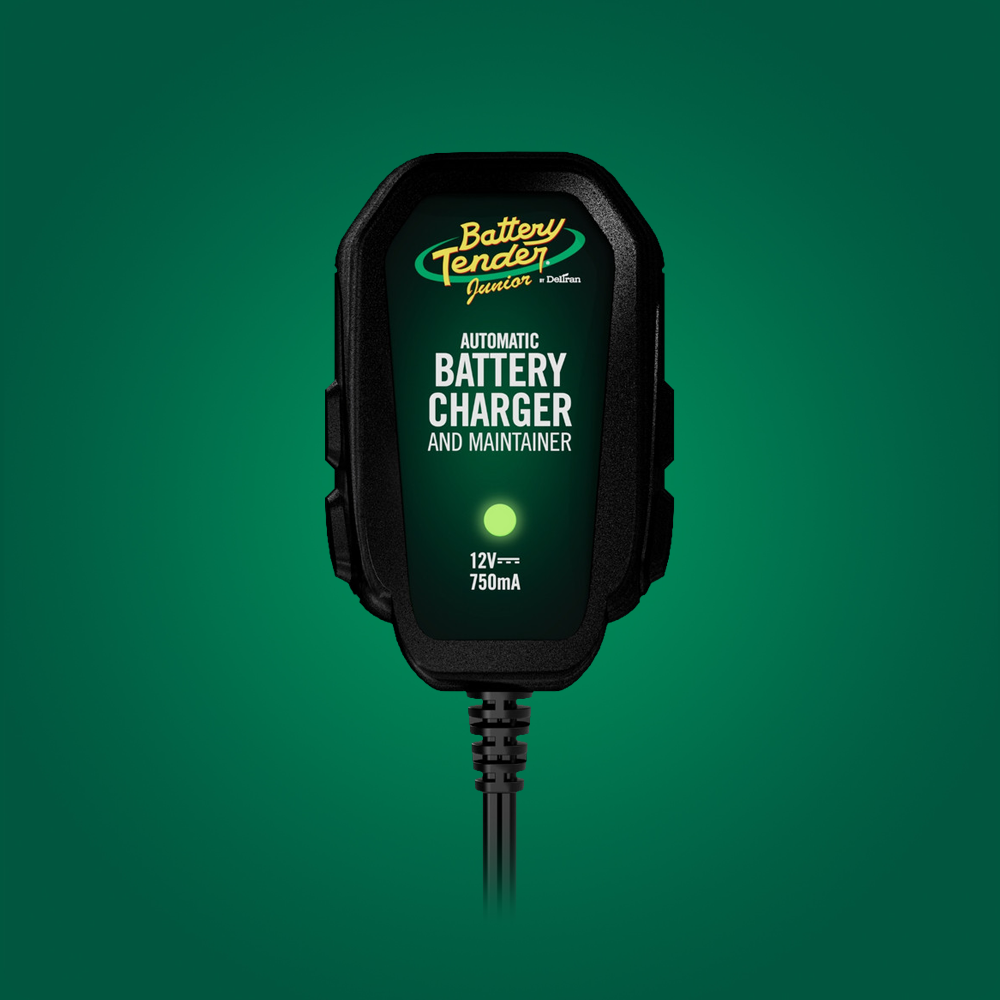
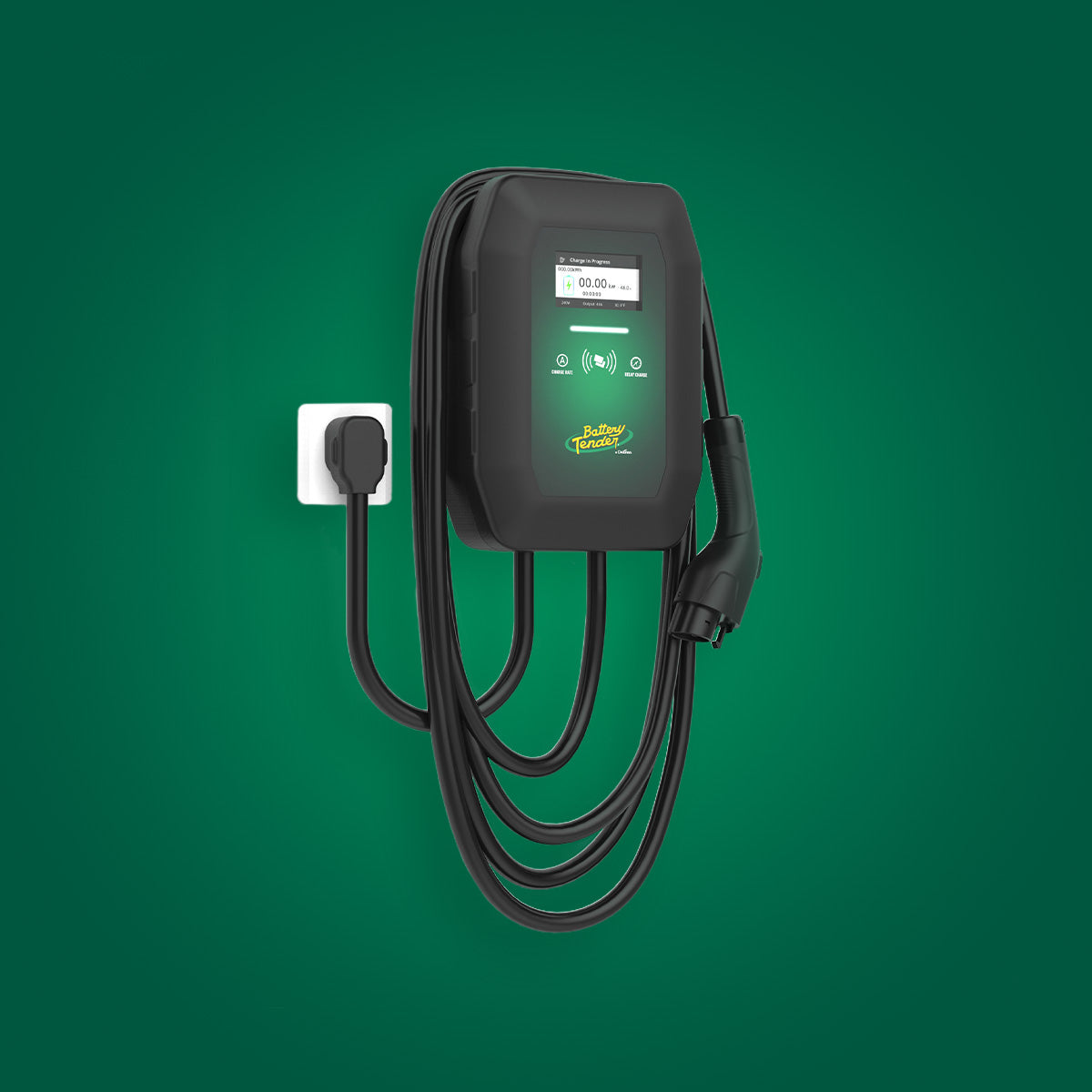
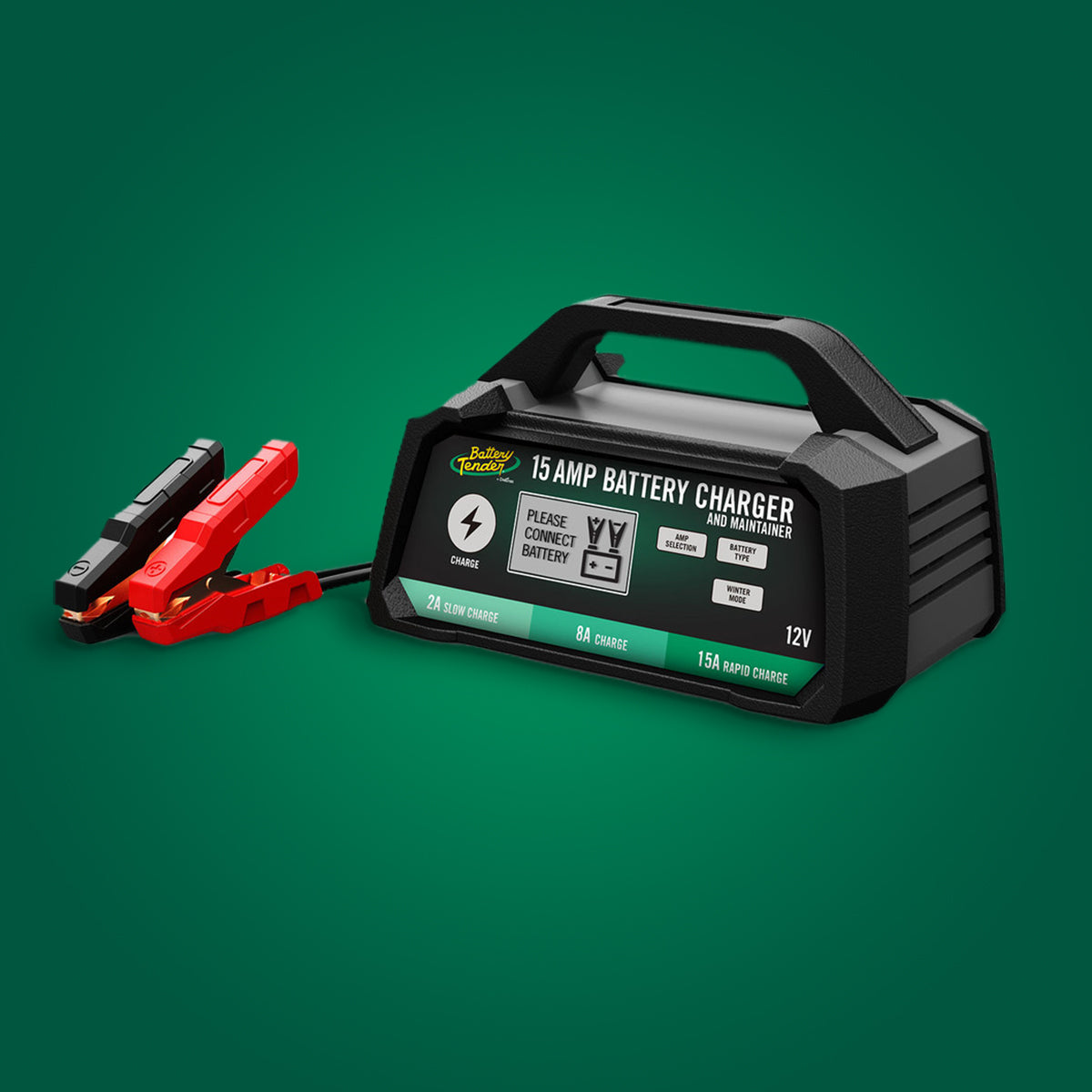
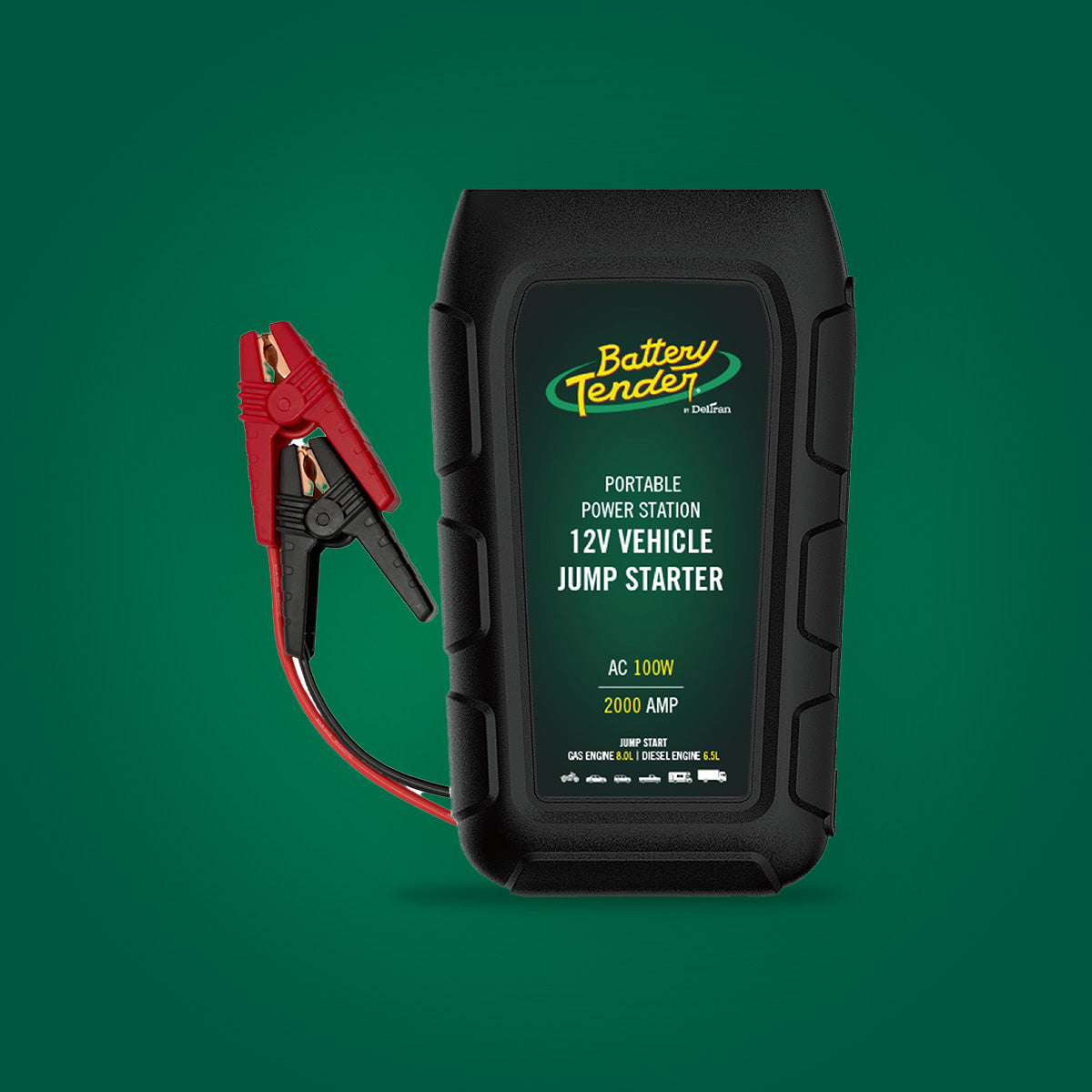


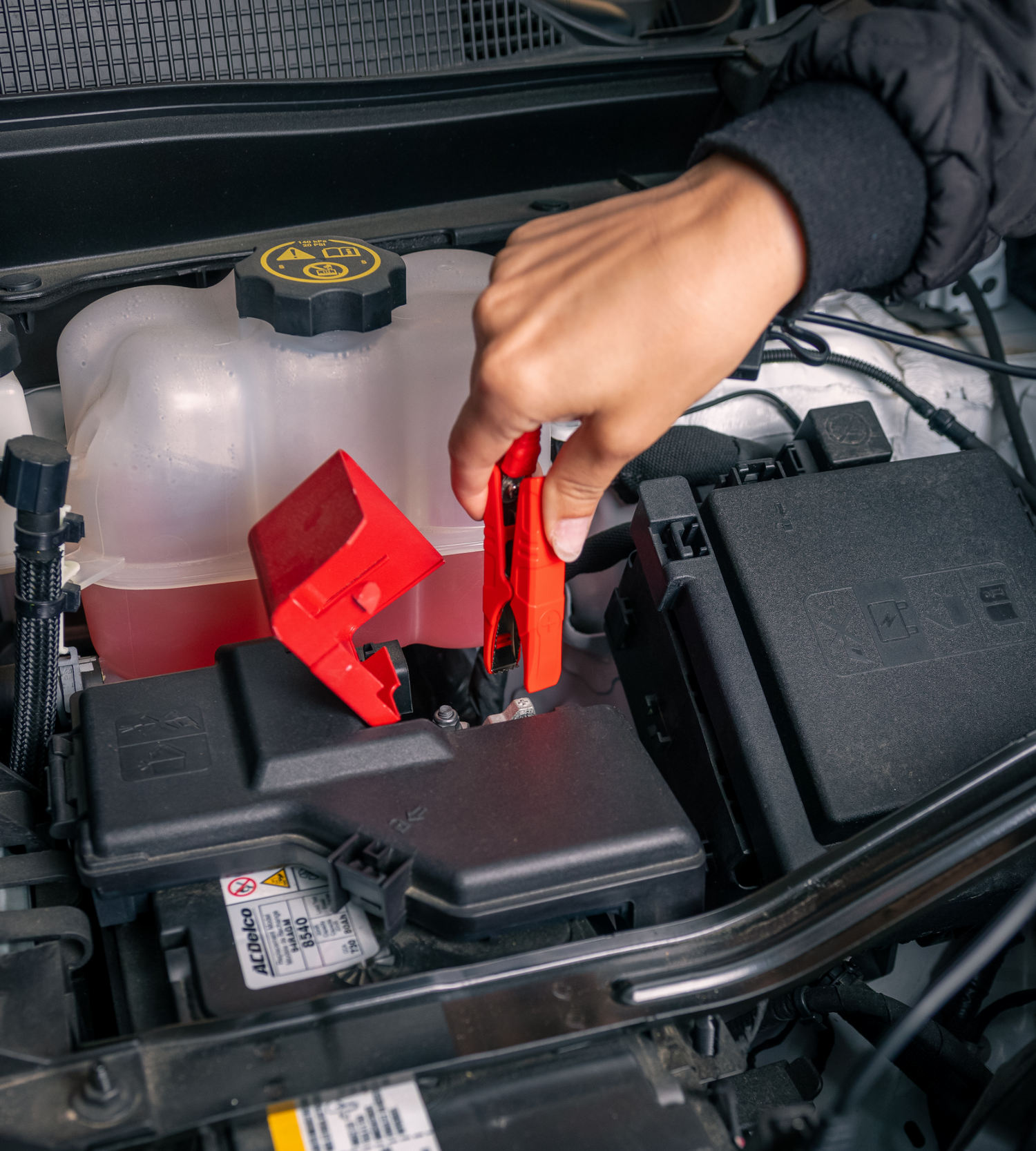
La propuesta de valor completa de un arrancador portátil depende de una cosa: funciona cuando lo necesita. Un arrancador con un 15% de carga después de permanecer en la guantera durante un año no puede arrancar su coche. Una unidad con abrazaderas corroídas que no hacen contacto sólido no puede transferir corriente. Los arrancadores requieren su propio mantenimiento; son herramientas que protegen otras herramientas, y como todas las herramientas, recompensan el cuidado con fiabilidad.
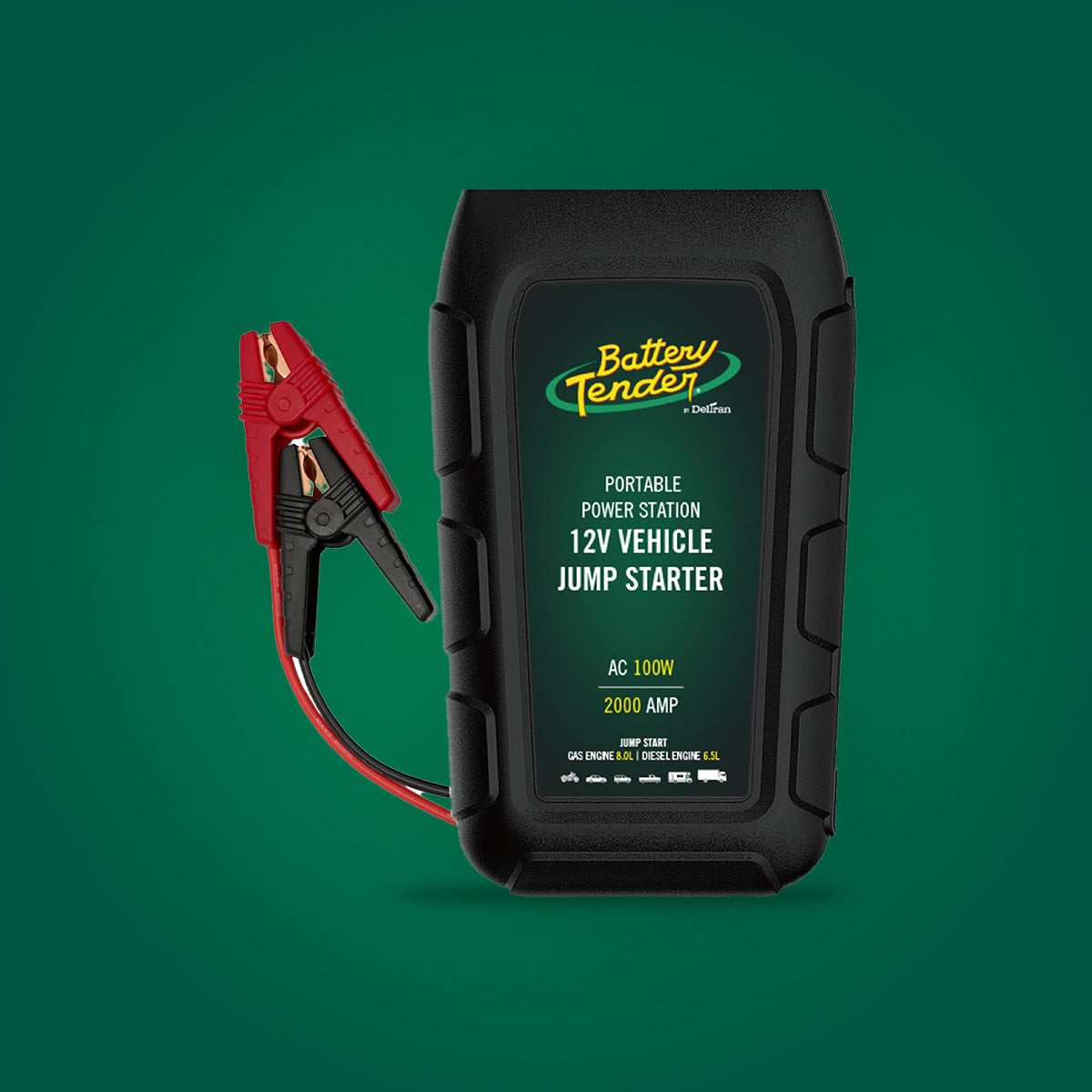
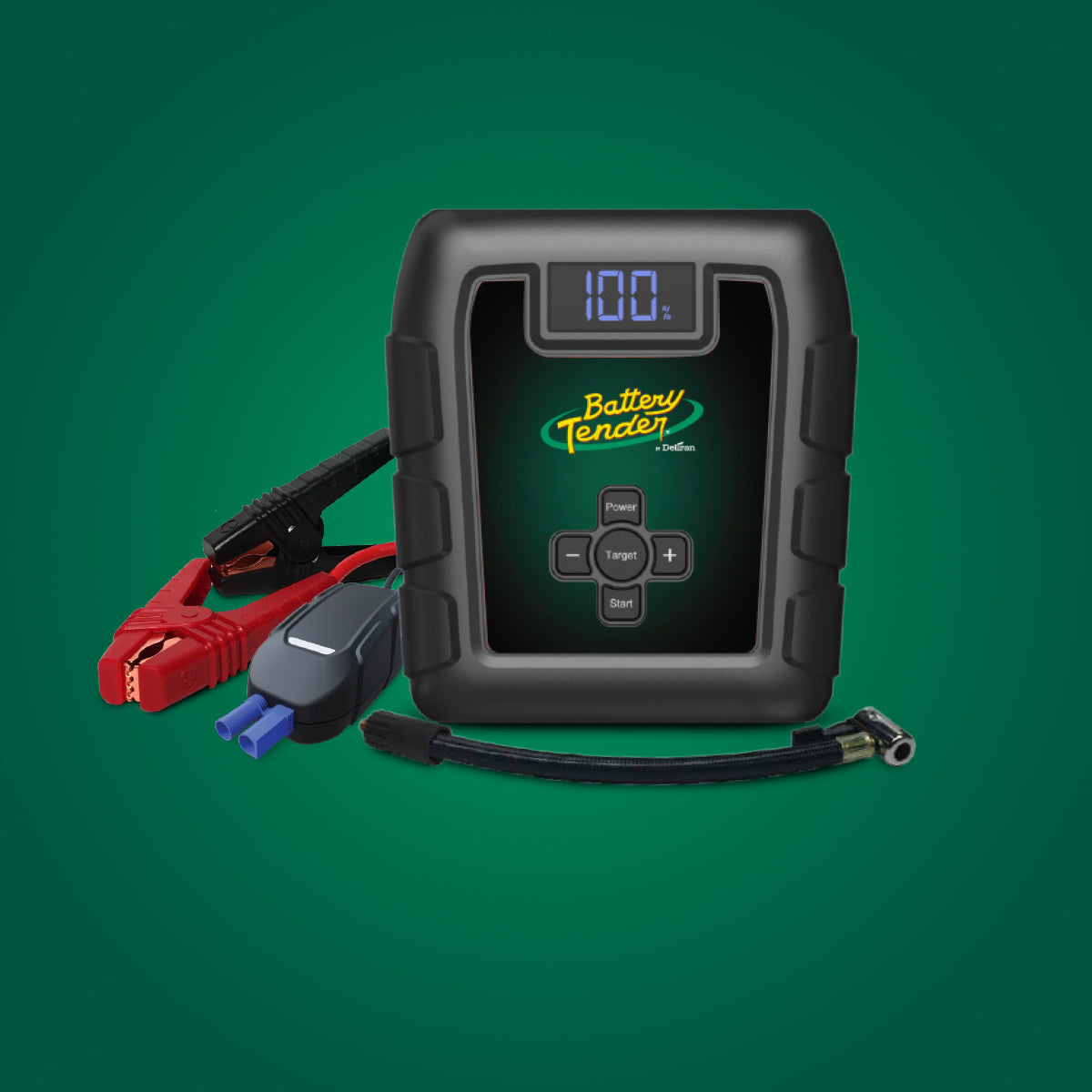
La línea de arrancadores Battery Tender®, incluido el Charge N Start de doble función, está diseñada para la durabilidad. Esta guía cubre los hábitos de mantenimiento que mantienen cualquier arrancador de litio listo para su uso inmediato, independientemente del tiempo que haya pasado desde la última emergencia.
Comprender la salud de la batería de litio en los arrancadores
Los arrancadores portátiles modernos utilizan celdas de batería de polímero de litio (LiPo) o de fosfato de hierro y litio (LiFePO4). Estas celdas tienen requisitos específicos de almacenamiento y mantenimiento que difieren significativamente de las baterías de plomo-ácido que arrancan:
| Característica | Recomendación |
|---|---|
| Carga de almacenamiento óptima | 50–80% de la capacidad total |
| Almacenamiento al 100% de carga (prolongado) | Degrada las celdas más rápido; evítelo para el almacenamiento a largo plazo |
| Almacenamiento al 0% de carga | Puede causar daños a las celdas; nunca la agote por completo y la deje |
| Temperatura de almacenamiento ideal | 50–80°F (10–27°C) |
| Frecuencia de carga (unidad almacenada) | Cargar al 50–80% cada 3–6 meses como mínimo |
| Vida útil esperada (LiFePO4) | 500–2000+ ciclos de carga antes de una degradación significativa |
Lista de verificación de mantenimiento trimestral
Cada 3 meses
- Verifique el indicador de nivel de batería; recargue si está por debajo del 50%
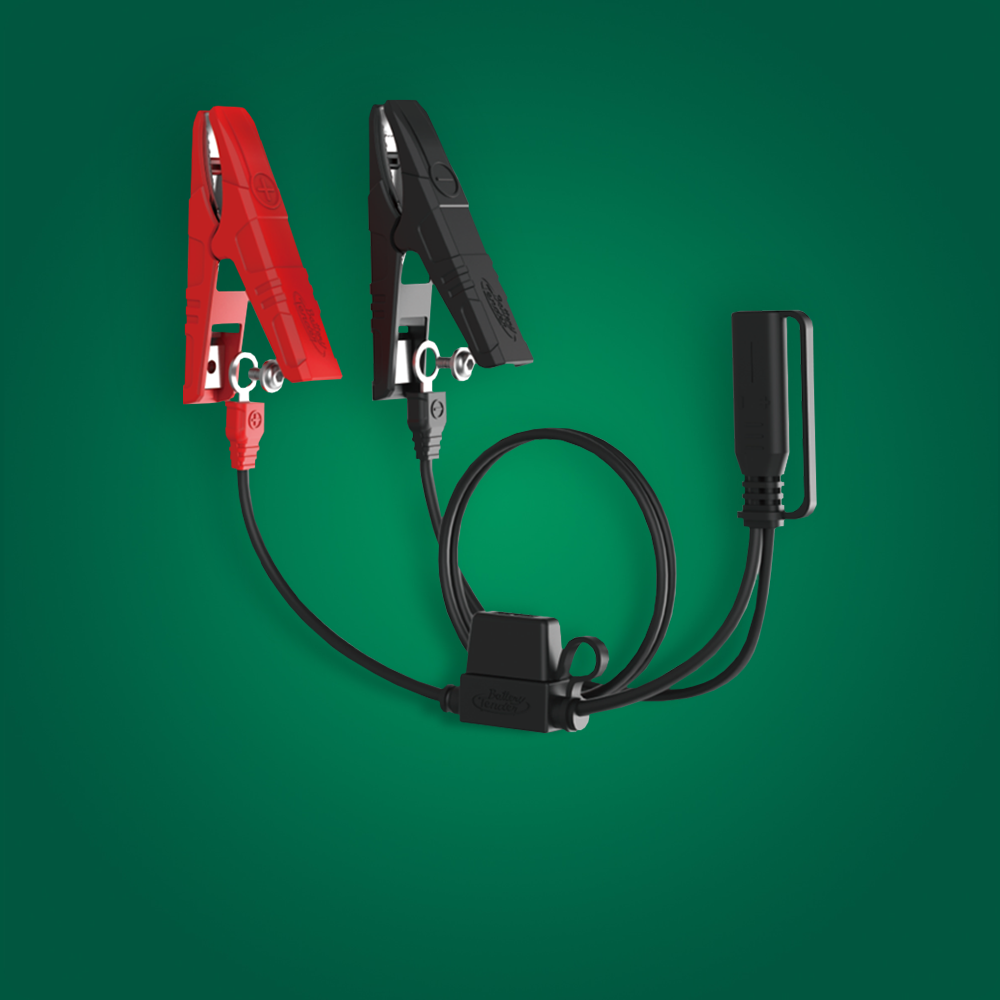
- Inspeccione los cables de las pinzas en busca de grietas, deshilachados o daños en el aislamiento
- Limpie las superficies de contacto de las pinzas con papel de lija fino o tela de esmeril si están corroídas u oxidadas
- Inspeccione los puertos de salida USB y CC en busca de residuos o corrosión; limpie con aire comprimido si es necesario
- Pruebe la función de luz LED (si está equipada)
- Limpie la unidad con un paño seco; elimine cualquier humedad, aceite o contaminantes de la carcasa
Mantenimiento anual
- Realice un ciclo completo de descarga/recarga para calibrar el indicador de batería: descargue hasta el 10% (use las salidas USB para drenar), luego recargue completamente y permita que el indicador se calibre
- Inspeccione la bolsa o el estuche de almacenamiento en busca de humedad; una unidad almacenada en un ambiente húmedo corre el riesgo de corrosión del conector incluso sin contacto directo
- Pruebe la función de arranque con un vehículo averiado dispuesto para confirmar el rendimiento en el mundo real
Mejores prácticas de almacenamiento
Temperatura
Las baterías de litio se degradan más rápido a temperaturas elevadas. Un arrancador almacenado en un coche negro en un verano de Phoenix, donde las temperaturas interiores superan regularmente los 140°F, se degrada considerablemente más rápido que uno almacenado en un garaje con clima controlado. Para vehículos en climas extremos, considere llevar el arrancador al interior durante períodos de calor extremo.
Nivel de carga para el almacenamiento
El rango de carga del 50–80% para el almacenamiento es importante. Almacenar con la carga completa (100%) mantiene las celdas bajo un ligero estrés desde el punto de vista químico; esta es la razón por la que las baterías de los teléfonos que permanecen enchufadas 24 horas al día, 7 días a la semana, se degradan más rápido que las que pasan por una rutina de descarga/carga. Almacenar al 50–80% reduce este estrés y prolonga la longevidad de las celdas.
La naturaleza de cargador/arrancador dual del Charge N Start mantiene la unidad en buenas condiciones de forma natural: como se enchufa rutinariamente para cargar las baterías del vehículo, su propio nivel de carga interno se mantiene regularmente. Este mantenimiento incidental es uno de los beneficios subestimados del diseño de doble función.
Consideraciones de almacenamiento en vehículos
Si va a guardar el arrancador en un vehículo, considere lo siguiente:
- El almacenamiento en la guantera o debajo del asiento expone la unidad a temperaturas extremas del interior del vehículo
- El almacenamiento en el maletero en climas cálidos es particularmente dañino; las temperaturas del maletero pueden superar las temperaturas del compartimiento del motor en algunos vehículos
- Una bolsa acolchada protege la unidad de vibraciones y daños físicos
- Para vehículos de flota o almacenamiento a largo plazo, las verificaciones trimestrales de carga son más críticas que para las unidades utilizadas y cargadas regularmente
Solución de problemas comunes
La unidad no se enciende
Si el arrancador no se enciende después de intentar cargarlo: conéctelo al cable de carga durante 30 minutos, luego vuelva a verificar. Algunas unidades entran en un modo de protección de sueño profundo cuando están completamente descargadas; es posible que se requiera una carga lenta de 30 minutos para activar el BMS. Si la unidad aún no muestra respuesta después de la carga, es posible que la batería esté agotada más allá de la recuperación.
Indicador rojo durante el intento de arranque
Un LED rojo o un indicador de error durante un intento de arranque suele indicar: conexión de polaridad inversa (rojo en negativo), una unidad demasiado descargada para emitir corriente de arranque, o el problema eléctrico del vehículo es demasiado grave (cortocircuitos en el cableado del vehículo). Verifique la polaridad de las pinzas, verifique la carga de la unidad y consulte la guía de códigos de error del manual del propietario.
Las pinzas se calientan durante el arranque
Algo de calor en las pinzas durante el arranque es normal: la corriente fluye a través de ellas. El calor excesivo sugiere pinzas corroídas o mal conectadas con alta resistencia. Limpie las superficies de contacto de las pinzas y asegure un contacto sólido de metal con metal con el terminal de la batería.
Cuándo reemplazar su arrancador
Reemplace el arrancador cuando se aplique cualquiera de los siguientes:
- No arranca un vehículo que antes arrancaba con facilidad, a pesar de estar completamente cargado
- El nivel de carga disminuye rápidamente después de la carga: más del 20% de pérdida dentro de una semana de almacenamiento a temperatura ambiente
- Cualquier daño visible en la carcasa, los cables o las pinzas que no se pueda reparar de forma segura
- La unidad tiene más de 5 años y muestra un rendimiento reducido; las celdas de litio tienen una vida útil
Conclusión
Un arrancador mantenido con verificaciones de carga trimestrales e inspecciones anuales sigue siendo fiable durante 5 a 8 años o más. Descuidado, almacenado al 0% de carga durante un verano en Arizona y nunca inspeccionado, la misma unidad podría fallar por completo en una o dos temporadas. Tres minutos de atención trimestral es toda la inversión necesaria para mantener su respaldo de emergencia fiable.
La función de carga dual del Charge N Start hace que este mantenimiento sea casi automático para los propietarios de vehículos que lo usan regularmente como cargador de baterías.
Explore el Charge N Start completo y la línea de arrancadores en batterytender.com.


