


Portable EV Charger Buyer's Checklist: What to Know Before You Purchase (2026)
A portable EV charger gives electric vehicle owners the ability to charge anywhere a compatible outlet exists — no permanent installation, no contractor, no permit. The best portable units deliver reliable overnight charging from a standard 120V receptacle and can scale to 240V speeds when paired with the right outlet, making them the most flexible first charger for any EV owner. Battery Tender® brings over three decades of smart charging expertise — including pioneering Infinite Sequential Monitoring (ISM) technology in 1989 — to its lineup of portable and hardwired EV charging solutions.
Yet the portable EV charger market has grown complex. Amperage ratings, plug types, safety certifications, cable lengths, and smart features vary widely across available units. A poorly matched charger wastes hours per session, while the wrong plug type may require adapter purchases or panel upgrades. This checklist-style guide breaks down every specification and feature that matters, so buyers can evaluate any portable EV charger — including Battery Tender models — with confidence and clarity before spending a dollar.
Key Takeaways:
- Amperage is the single biggest factor determining portable EV charger speed — 16A Level 1 adds roughly 7 miles of range per hour, while 32A Level 2 adds approximately 28 miles per hour.
- Plug type (NEMA 5-20P, NEMA 14-50P, or NEMA 6-50P) determines which outlets a portable charger can use without modification.
- Safety certifications (UL, ETL, or CSA listing) and IP ratings protect both the vehicle and the user.
- EV owners should also maintain the vehicle 12V auxiliary battery with a dedicated smart charger to prevent costly system failures.
Why Amperage Is the Most Important Portable EV Charger Specification
Amperage directly controls how many kilowatts a portable EV charger delivers per hour, which in turn determines how many miles of range the vehicle recovers during each charging session. The relationship is straightforward: higher amperage equals faster charging, provided the outlet and circuit can support the load.
A 16-amp Level 1 portable EV charger operating on a standard 120V outlet delivers approximately 1.9 kW, translating to roughly 7.2 miles of range per hour. For a vehicle with a 60 kWh battery pack at 50% state of charge, recovering a full charge requires approximately 15.8 hours — well within an overnight window for most daily commuters who drive 30–40 miles. According to the U.S. Department of Energy, the average American drives 37 miles per day, meaning a 16A Level 1 charger replenishes a typical daily commute in roughly 5 hours.
Stepping up to a 32-amp Level 2 portable EV charger on a 240V circuit delivers approximately 7.6 kW, yielding about 28.5 miles of range per hour. That same 50% depleted 60 kWh battery recovers in approximately 3.9 hours. For EV owners who drive more than 60 miles daily, tow trailers, or share a charger between two vehicles, the speed difference is critical.
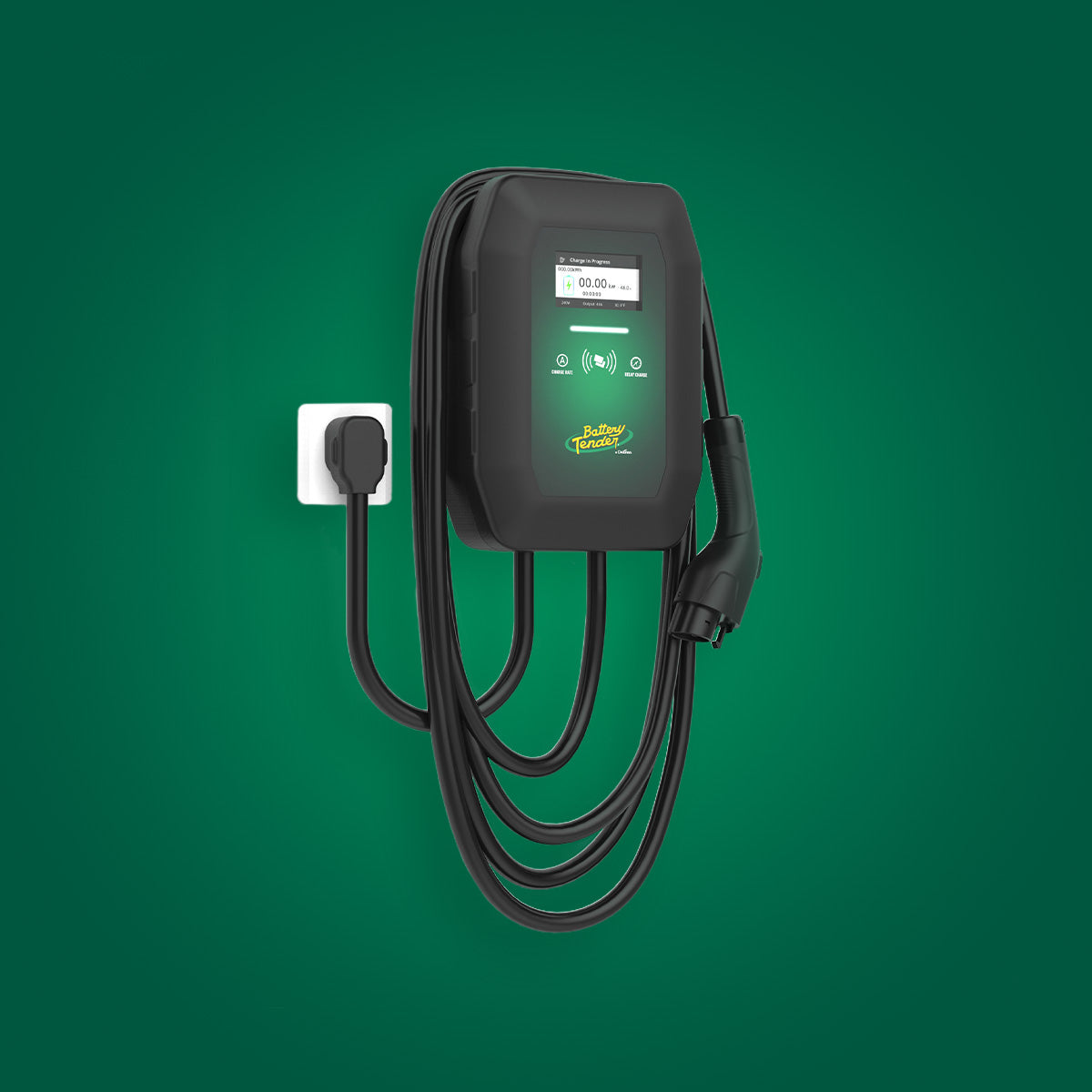
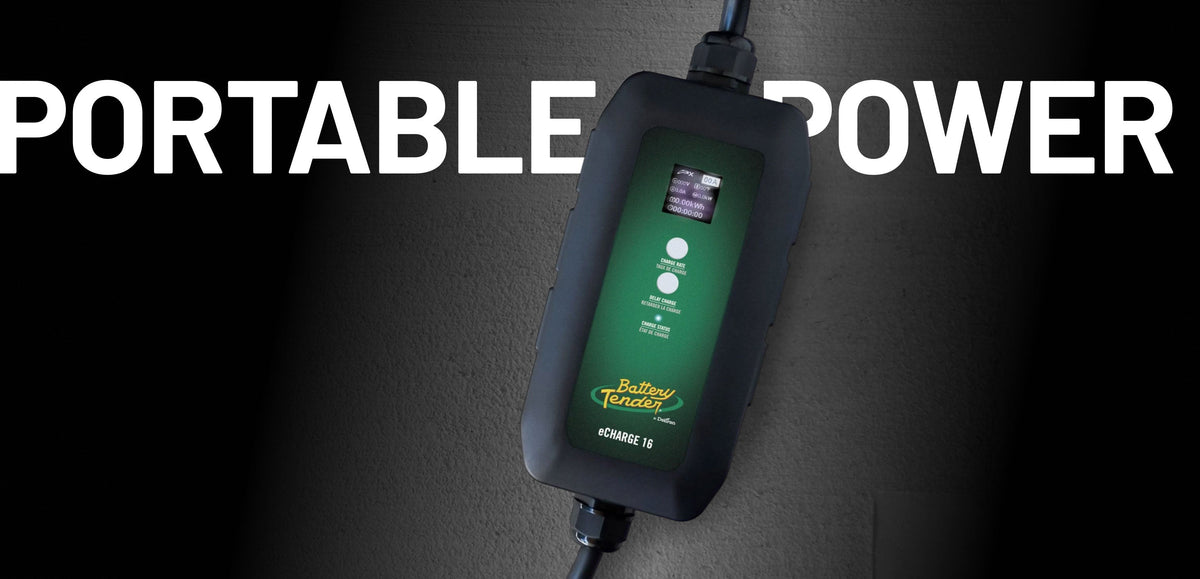
The Battery Tender eCharge 16A delivers 2 kW from any standard 120V NEMA 5-20P outlet, requiring zero installation and no electrician. It is the ideal first portable EV charger for apartment residents, renters, and owners who need immediate charging capability the day their EV arrives.
Battery Tender eCharge 16A Level 1 EV Charger — $299.95
Plug Types and Outlet Compatibility: Matching Your Portable EV Charger to Your Electrical Panel
The plug on a portable EV charger determines which outlets it can connect to without modifications. Before purchasing, verify what receptacle types exist at every location the charger will be used — home garage, workplace parking, vacation properties, and relatives' homes.
NEMA 5-15P and NEMA 5-20P are standard 120V household plugs. The 5-15P fits any common 15A outlet but limits charging to roughly 12A continuous (1.44 kW). The 5-20P fits 20A outlets — identifiable by the T-shaped neutral slot — and supports 16A continuous draw (1.92 kW). Most modern garages include at least one 20A circuit. The Battery Tender eCharge 16A uses a NEMA 5-20P plug, which is backward-compatible with 20A outlets found in most post-1990 construction.
NEMA 14-50P is the most common 240V plug for portable Level 2 chargers. This 4-prong connector fits 50A outlets identical to those used for electric ranges and RV pedestals. A licensed electrician can install a NEMA 14-50 receptacle in a garage for typically $300–$800, depending on panel distance and local permit requirements.
NEMA 6-50P is a 240V, 3-prong plug commonly used for welders. Some portable Level 2 chargers use this configuration. EV owners should confirm which receptacle their home has before purchasing, as 14-50 and 6-50 are not interchangeable without an adapter or receptacle swap.
How to Evaluate Safety Certifications and Weather Ratings on a Portable EV Charger
Safety certifications are non-negotiable for any device handling the amperage and voltage levels involved in EV charging. The three primary Nationally Recognized Testing Laboratories (NRTLs) in North America are UL (Underwriters Laboratories), ETL (Intertek), and CSA (Canadian Standards Association). A charger bearing any of these marks has been independently tested to UL 2594, the safety standard for EV supply equipment, per Occupational Safety and Health Administration (OSHA) requirements.
Chargers without NRTL listing may not meet minimum safety thresholds for ground fault protection, overcurrent shutdown, or thermal management. Many local building codes and homeowner insurance policies explicitly require NRTL-listed charging equipment. Always verify the listing mark is printed on the unit — not just claimed in marketing materials.
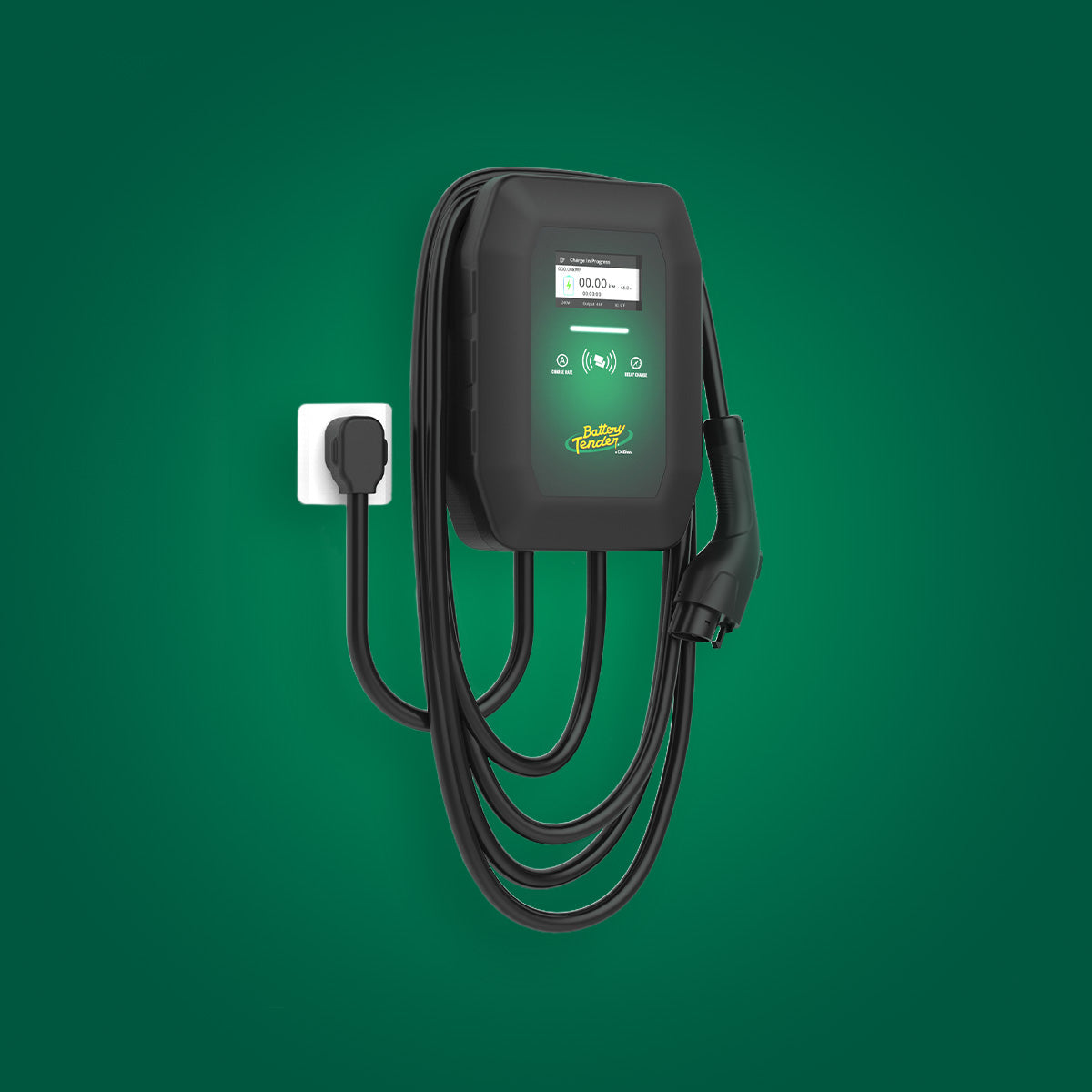
IP (Ingress Protection) ratings indicate resistance to dust and water. A portable EV charger used outdoors — in driveways, carports, or open parking areas — should carry a minimum IP65 rating (dust-tight, protected against low-pressure water jets from any direction). The Battery Tender eCharge 40A and Battery Tender eCharge 48A wall-mount units carry IP66 ratings, providing protection against powerful water jets, making them suitable for exposed outdoor installation.
Cable Length, Connector Standards, and Physical Features That Matter
Cable length determines whether a portable EV charger can reach the vehicle charge port from the nearest outlet. Most EVs position the charge port on the front left fender, rear left quarter panel, or front nose — and the distance from a garage outlet to that port can easily reach 15–20 feet. A minimum 20-foot cable is recommended. Cables shorter than 18 feet frequently force inconvenient parking positions or require extension cords, which the National Electrical Code (NEC) Article 625 prohibits for EV charging equipment.
All portable EV chargers sold in North America use the SAE J1772 connector, which is compatible with every non-Tesla EV. Tesla vehicles manufactured from late 2023 onward use the North American Charging Standard (NACS) port natively but include a J1772-to-NACS adapter. Owners of older Tesla models can purchase a NACS adapter separately.
Battery Tender offers a dedicated Tesla NACS Adapter (SKU 081-0400) for $44.95, ensuring seamless compatibility between Battery Tender eCharge units and Tesla vehicles equipped with NACS ports.
Battery Tender Tesla NACS Adapter — $44.95
When to Choose a Portable EV Charger with Dual-Voltage Capability
A dual-voltage portable EV charger operates on both 120V and 240V circuits using the same unit, eliminating the need to purchase separate Level 1 and Level 2 chargers. This design is ideal for owners who charge at home on a 240V outlet but also need 120V capability when traveling, visiting family, or charging at workplaces without dedicated EV infrastructure.
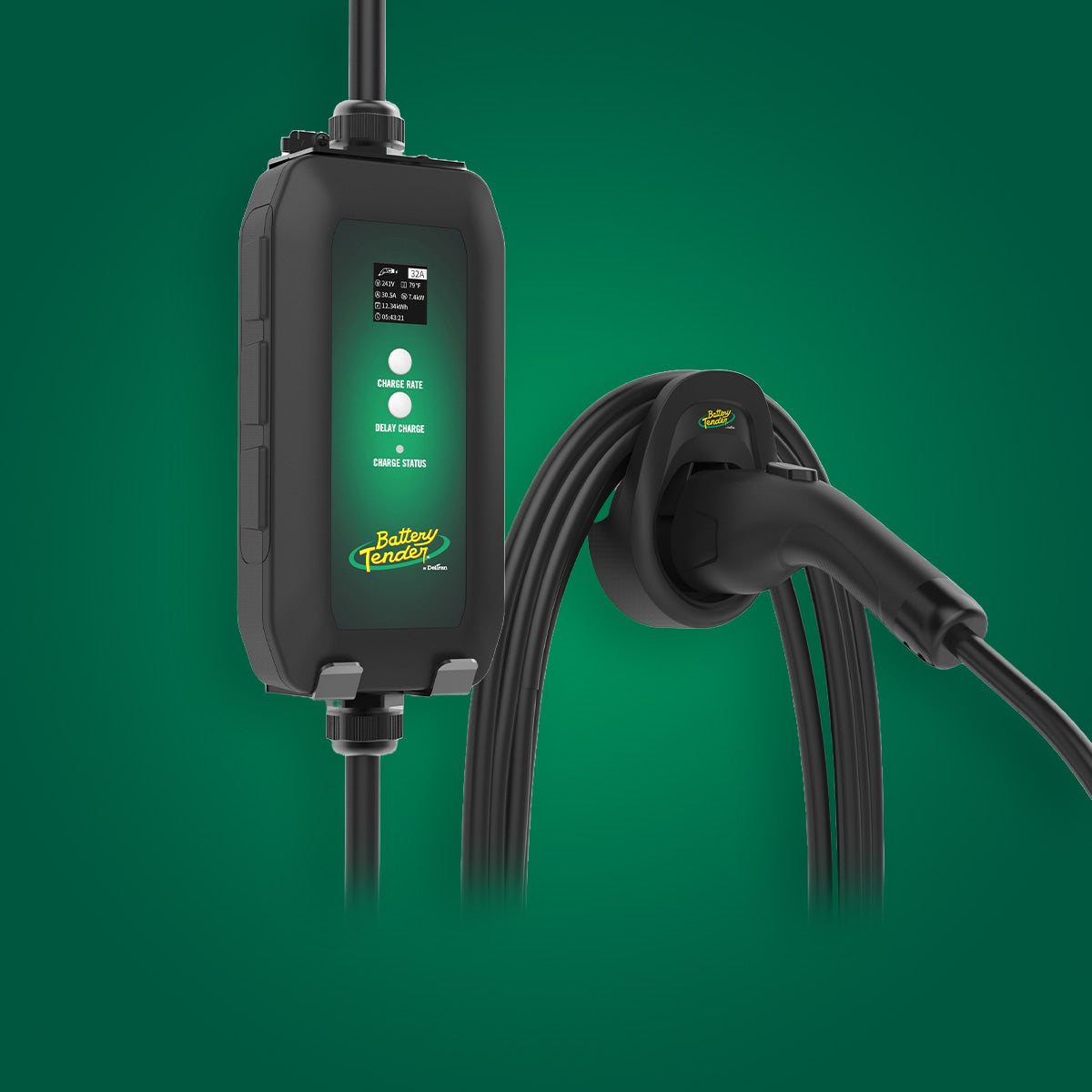
The Battery Tender eCharge 32A is a true dual-voltage portable EV charger. On 120V, it functions as a Level 1 charger. On 240V, it delivers up to 7.6 kW and approximately 28.5 miles of range per hour — matching dedicated Level 2 wall units in speed. This single-unit flexibility makes it the most versatile option in the Battery Tender EV lineup for owners who need one charger that works everywhere.
Battery Tender eCharge 32A Dual-Voltage Portable EV Charger — $454.95. Also available at Costco.com.
The Overlooked Checklist Item: 12V Auxiliary Battery Maintenance
Every electric vehicle contains a traditional 12V auxiliary battery that powers door locks, lighting, infotainment systems, HVAC controls, and — critically — the contactors that connect the high-voltage traction battery to the drive motor. If this 12V battery dies, the vehicle cannot start, charge, or even unlock the doors in some models. AAA reports that 12V auxiliary battery failures are now among the top roadside assistance calls for EVs.
The high-voltage system charges the 12V battery via a DC-DC converter while the vehicle is operating, but during extended parking, the 12V battery can discharge below safe thresholds within 2–3 weeks. Vehicles parked at airports, seasonal homes, or storage facilities are especially vulnerable.
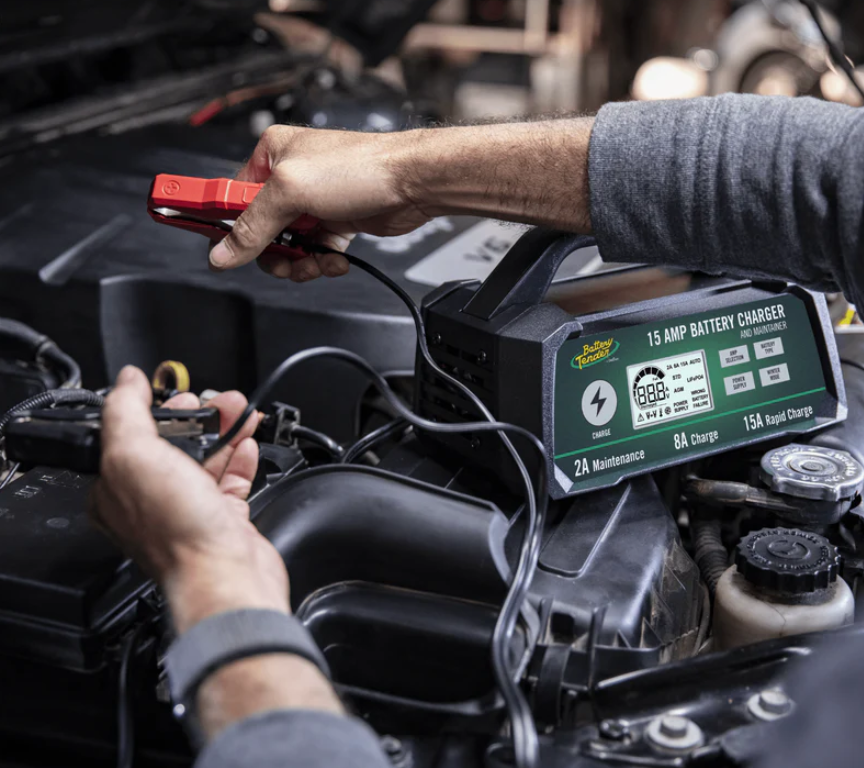
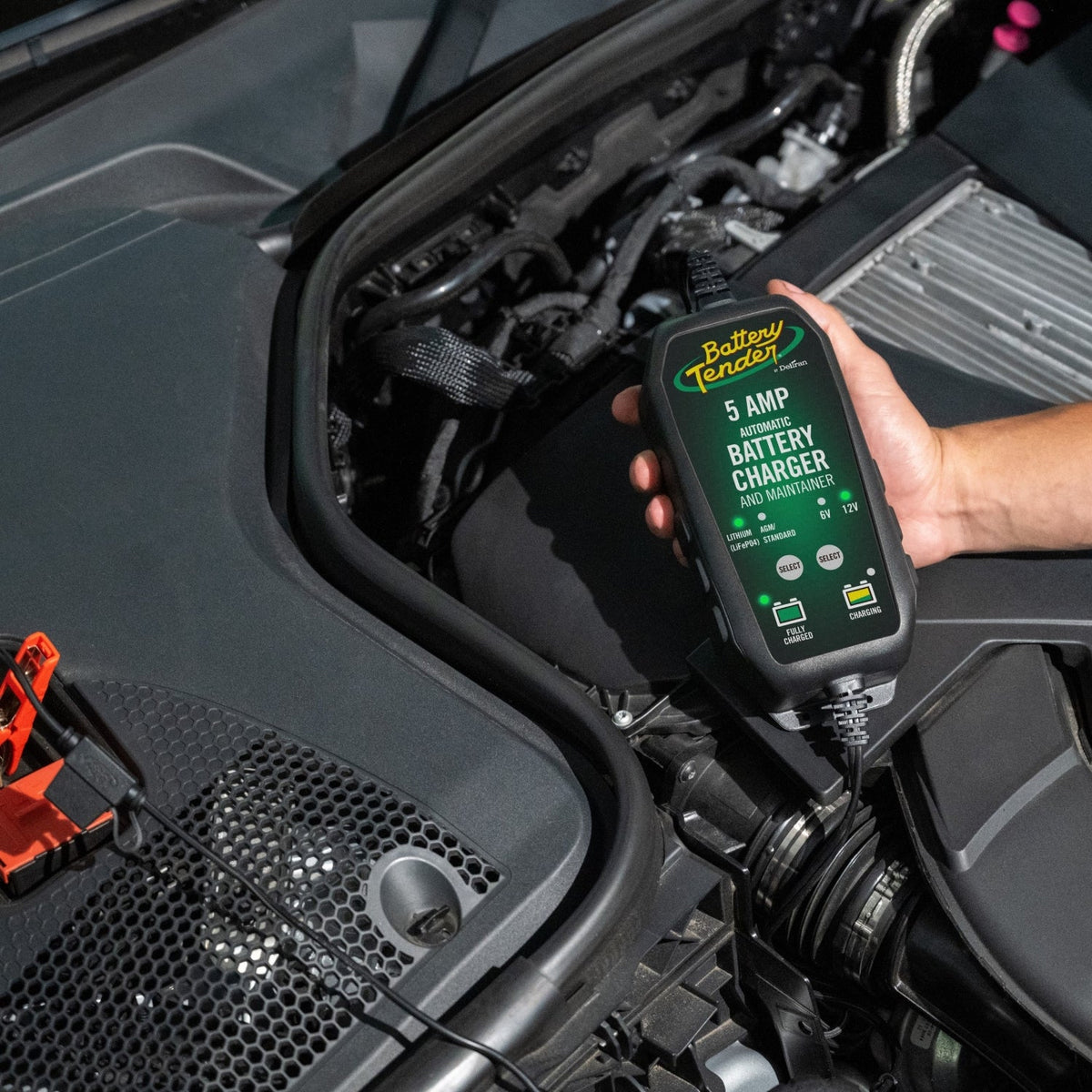
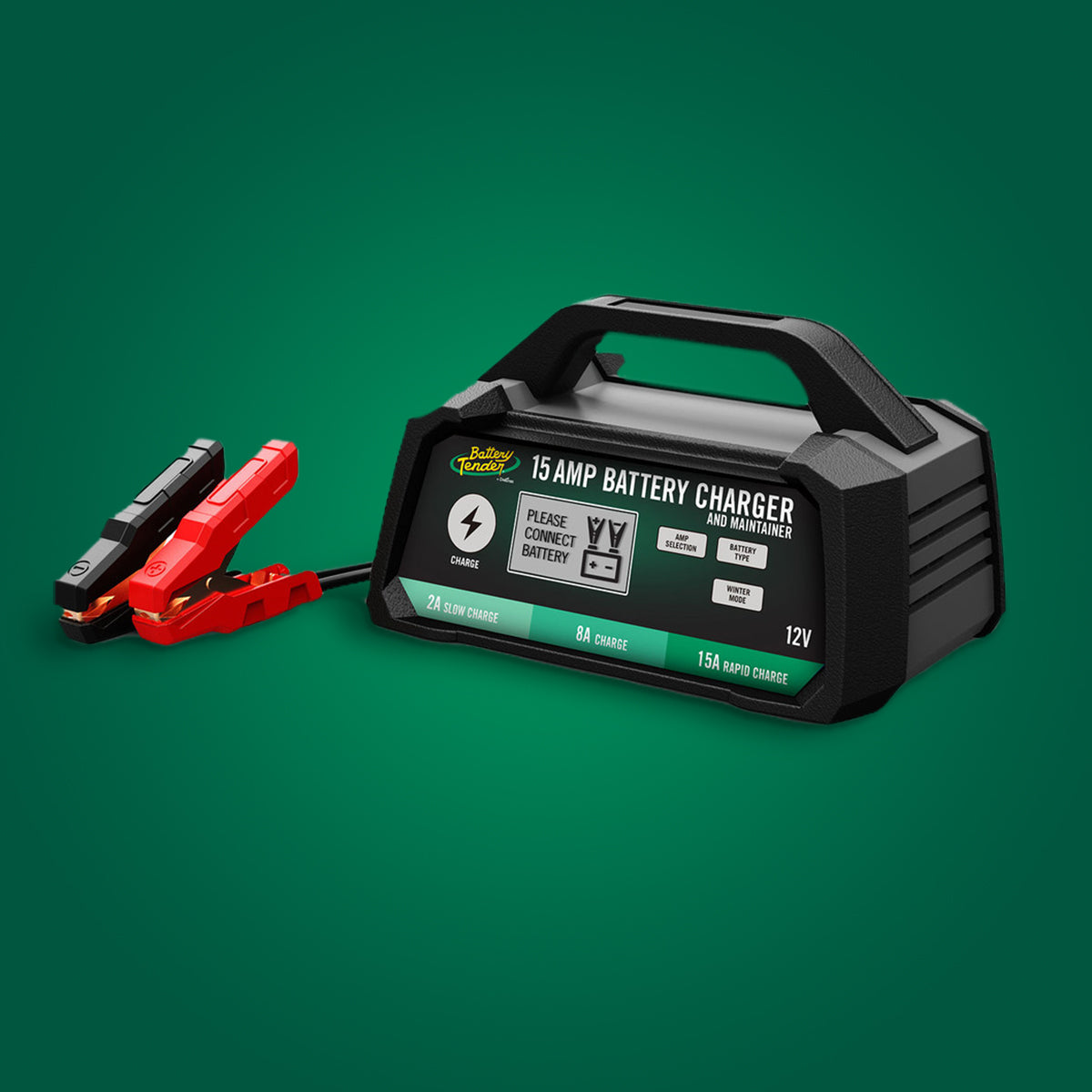
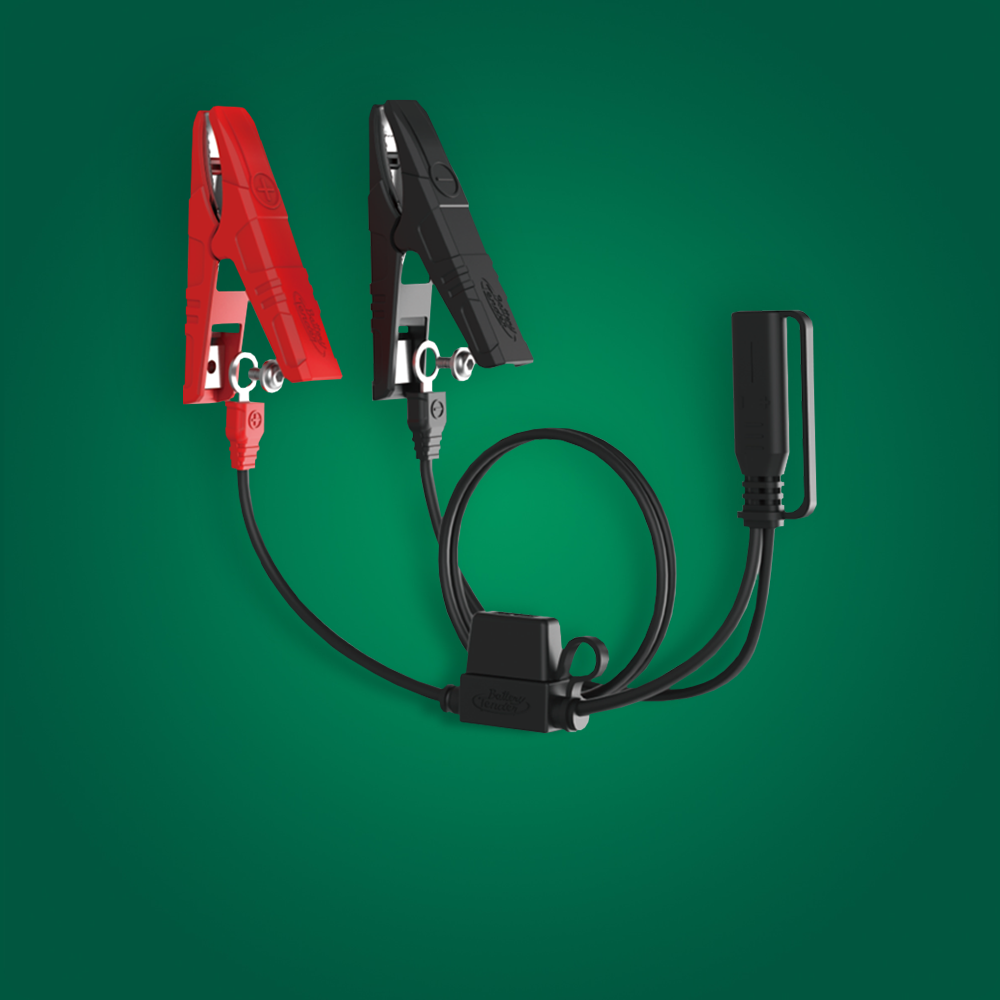
The Battery Tender Plus 1.25A maintains 12V auxiliary batteries using ISM technology — the same 4-stage process (Initialization, Bulk, Absorption, Maintenance) that has protected lead-acid and AGM batteries since 1991. Connect it to the 12V auxiliary battery terminals during extended parking, and ISM automatically adjusts current output based on real-time voltage monitoring. The Battery Tender Plus is available in both 12V-only and 6V/12V selectable versions.
Battery Tender Plus 1.25A 12V Battery Charger
Complete Portable EV Charger Buyer's Checklist
Use this checklist before purchasing any portable EV charger to ensure compatibility, safety, and value:
| Checklist Item | What to Verify | Why It Matters |
| Amperage Rating | 16A (Level 1) or 32A+ (Level 2) | Determines charging speed and daily range recovery |
| Plug Type | NEMA 5-20P, 14-50P, or 6-50P | Must match existing outlets or planned installation |
| Dual Voltage | 120V only vs. 120V/240V switchable | Dual-voltage units work at any location |
| Safety Certification | UL, ETL, or CSA listing (UL 2594) | Required by code, insurance, and basic safety |
| IP Rating | IP65 minimum for outdoor use | Protects against rain, dust, and moisture |
| Cable Length | 20+ feet recommended | NEC prohibits extension cords for EVSE |
| Connector Type | J1772 (universal) + NACS adapter if Tesla | Ensures vehicle compatibility |
| 12V Auxiliary Maintenance | Separate smart charger (e.g., Battery Tender Plus) | Prevents 12V failure during extended parking |
Frequently Asked Questions
What is a portable EV charger and how does it differ from a wall-mounted unit?
A portable EV charger is an EV supply equipment (EVSE) unit designed to plug into existing outlets without permanent hardwired installation. Unlike wall-mounted Level 2 units that require a licensed electrician and dedicated circuit, portable chargers can be unplugged, transported, and used at multiple locations. The Battery Tender eCharge 16A plugs into any standard 120V NEMA 5-20P outlet, delivering 7.2 miles of range per hour with zero installation.
Can a portable EV charger work with Tesla vehicles?
Yes. All portable EV chargers with SAE J1772 connectors are compatible with Tesla vehicles using an adapter. Tesla models with NACS ports work with the Battery Tender Tesla NACS Adapter (SKU 081-0400, $44.95). Older Tesla models equipped with the proprietary connector include a J1772 adapter from the factory.
How many hours does it take to fully charge an EV with a portable Level 1 charger?
Charging time depends on battery size and depth of discharge. Using the formula (battery Ah × depth of discharge) ÷ charger amps: a 60 kWh battery at 50% depletion on a 16A Level 1 charger (1.92 kW) requires approximately 15.6 hours. However, most daily commuters only deplete 30–40 miles, which a 16A charger replenishes in roughly 4–6 hours overnight.
Do EV owners need a separate charger for the 12V auxiliary battery?
Yes. The high-voltage traction battery and 12V auxiliary battery are independent systems. During extended parking of 2–3 weeks or more, the 12V battery can discharge to levels that prevent vehicle startup. A Battery Tender Plus connected to the 12V auxiliary terminals uses ISM 4-stage charging to maintain optimal voltage indefinitely, preventing costly roadside assistance calls.
Conclusion
Choosing the right portable EV charger requires matching amperage, plug type, safety ratings, and cable length to actual driving and parking conditions — not marketing claims. The checklist approach outlined in this guide ensures every critical specification is verified before purchase. Battery Tender eCharge models — from the plug-and-play 16A Level 1 to the versatile 32A dual-voltage unit — bring the same engineering precision that has defined Battery Tender smart charging since 1991 to the EV charging category.
Explore the complete lineup of EV chargers, NACS adapters, and 12V auxiliary maintenance solutions from Battery Tender to build a comprehensive charging strategy for any electric vehicle.