



Electric Motorcycle 12V Battery Systems: The Complete Maintenance Guide
Every electric motorcycle on the road today — from a Zero SR/F to a Harley-Davidson LiveWire to an Energica Ego — depends on two entirely separate electrical systems working in perfect harmony. The high-voltage traction battery gets all the attention, but it's the humble electric motorcycle 12V battery system that determines whether your bike starts at all. When that small auxiliary battery fails, the main contactor stays open, the instrument cluster stays dark, and your expensive electric motorcycle becomes an immovable sculpture. Understanding how to properly maintain this critical system — along with your bike's primary charging infrastructure — is the difference between reliable ownership and roadside frustration.
How 12V Auxiliary Systems Work in Electric Motorcycles
Electric motorcycles use a two-tier electrical architecture that mirrors what engineers deploy in electric cars, but in a dramatically compressed package. The high-voltage traction pack — typically ranging from 7 kWh on entry-level commuters to over 21 kWh on performance models — powers the motor controller and propels the bike. Everything else runs on 12V.
A DC-DC converter steps the high-voltage pack down to approximately 13.8V to power the low-voltage accessory bus and simultaneously top off the 12V auxiliary battery. This 12V circuit handles the LED lighting system, horn, turn signals, instrument display, ABS module, ride mode selector, alarm system, battery management system (BMS) monitoring circuits, and — most critically — the main contactor relay that connects the traction pack to the motor controller. Without sufficient voltage from the 12V auxiliary battery, that contactor cannot engage. The motorcycle will not power on regardless of how fully charged the main pack is.
The challenge unique to electric motorcycles compared to electric cars is battery capacity. A Tesla Model 3 uses a 30–45 Ah 12V auxiliary battery with substantial reserve. A Zero SR/F uses a lithium 12V auxiliary battery of approximately 5 Ah. An Energica Ego+ uses roughly 9 Ah. These small batteries have very little tolerance for prolonged parasitic drain or improper charging practices.
Why Electric Motorcycles Destroy 12V Batteries Faster Than You Expect
Parasitic draw is the primary villain. When an electric motorcycle is parked and switched off, the onboard computer, GPS receiver, alarm system, Bluetooth module, and BMS monitoring circuits continue drawing current. A typical electric motorcycle pulls 20–40 milliamps continuously in standby mode. On a 5 Ah battery, that seemingly insignificant drain produces complete discharge in as little as five to eight days.
Deep discharge is catastrophic for both lead-acid and lithium auxiliary batteries. A lead-acid battery that drops below 10.5V suffers sulfation — crystalline deposits that permanently reduce capacity. A lithium auxiliary battery that drops below its minimum cell voltage can trigger its internal protection circuit, rendering the battery unresponsive even after recharging attempts. Either failure mode leaves you with a motorcycle that will not start.
Compounding the problem: the DC-DC converter that normally maintains the 12V battery only operates when the traction pack is sufficiently charged and the motorcycle's main systems are active. A bike stored for two weeks with no external maintenance charging is a bike at serious risk of auxiliary battery failure.
Seasonal storage amplifies every risk factor. Cold temperatures dramatically reduce battery capacity — a 5 Ah lithium battery may deliver only 3 Ah of usable capacity at 32°F. Electric motorcycle owners who store their bikes through winter without a maintenance charger connected consistently report 12V battery failures that require professional service or full battery replacement.
Selecting the Right Battery Tender® Charger for Your Electric Motorcycle's 12V System
Matching charger output to battery capacity is not optional — it's essential for battery longevity. The industry standard recommendation is a charge rate between 10% and 20% of battery capacity in amp-hours. For a 5 Ah auxiliary battery, that means an ideal charger output of 0.5A to 1.0A. For a 9 Ah battery, 0.9A to 1.8A is appropriate.
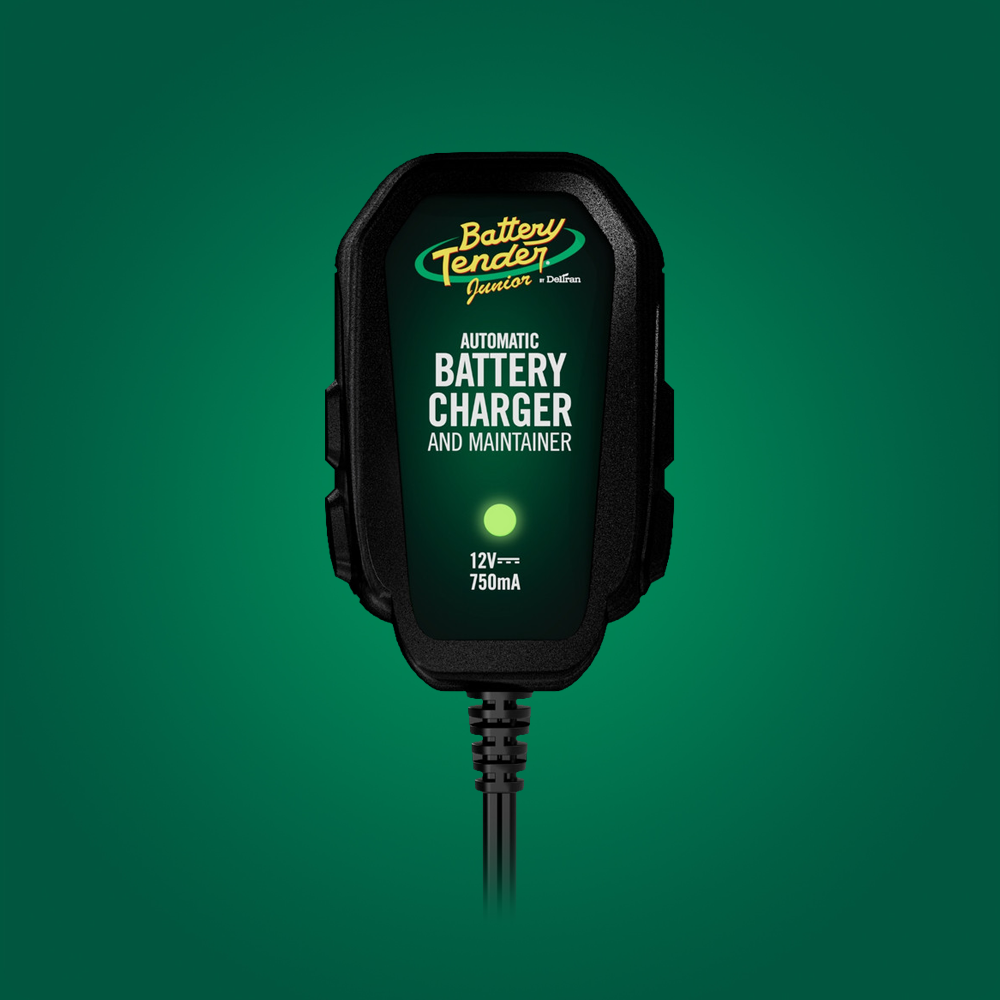
The Battery Tender® Junior 800mA Charger and Maintainer is purpose-built for exactly this application. Its 800mA output sits precisely within the optimal charge window for 5–9 Ah auxiliary batteries. The four-stage charging algorithm — initialization, bulk charge, absorption, and float maintenance — delivers full charge to a depleted 5 Ah battery in approximately six to eight hours, then automatically transitions to a safe float voltage that holds the battery at peak charge indefinitely without overcharging. This is the unit to keep permanently connected during any storage period exceeding three days.
For electric motorcycles equipped with lithium auxiliary batteries — including the Zero SR/F, SR/S, and DSR/X, as well as several Energica models — lithium chemistry demands specific charging profiles. The Battery Tender® Lithium 12V Battery Charger is engineered specifically for lithium iron phosphate (LiFePO4) and lithium ion auxiliary batteries. It applies the correct voltage ceiling and terminates at the precise state of charge that lithium cells require, eliminating the risk of overcharge that can accelerate lithium degradation. Using a standard lead-acid charger profile on a lithium auxiliary battery shortens its service life — sometimes dramatically.
For owners who want a single charger capable of handling both lead-acid and lithium 12V batteries across multiple vehicles, the Battery Tender® Plus 12V 1.25 Amp Battery Charger and Maintainer provides flexible output with automatic chemistry detection. Its slightly higher output charge rate suits larger auxiliary batteries in the 9–15 Ah range while remaining safe for smaller packs when the battery reaches absorption phase.
Level 1 and Level 2 EV Charging for the Traction Battery
While the 12V auxiliary system demands dedicated maintenance charging, the high-voltage traction pack has its own infrastructure requirements that deserve equal attention. Most electric motorcycles support both Level 1 (120V AC) and Level 2 (240V AC) charging through an onboard charger that converts AC power to the DC voltage required by the traction pack.
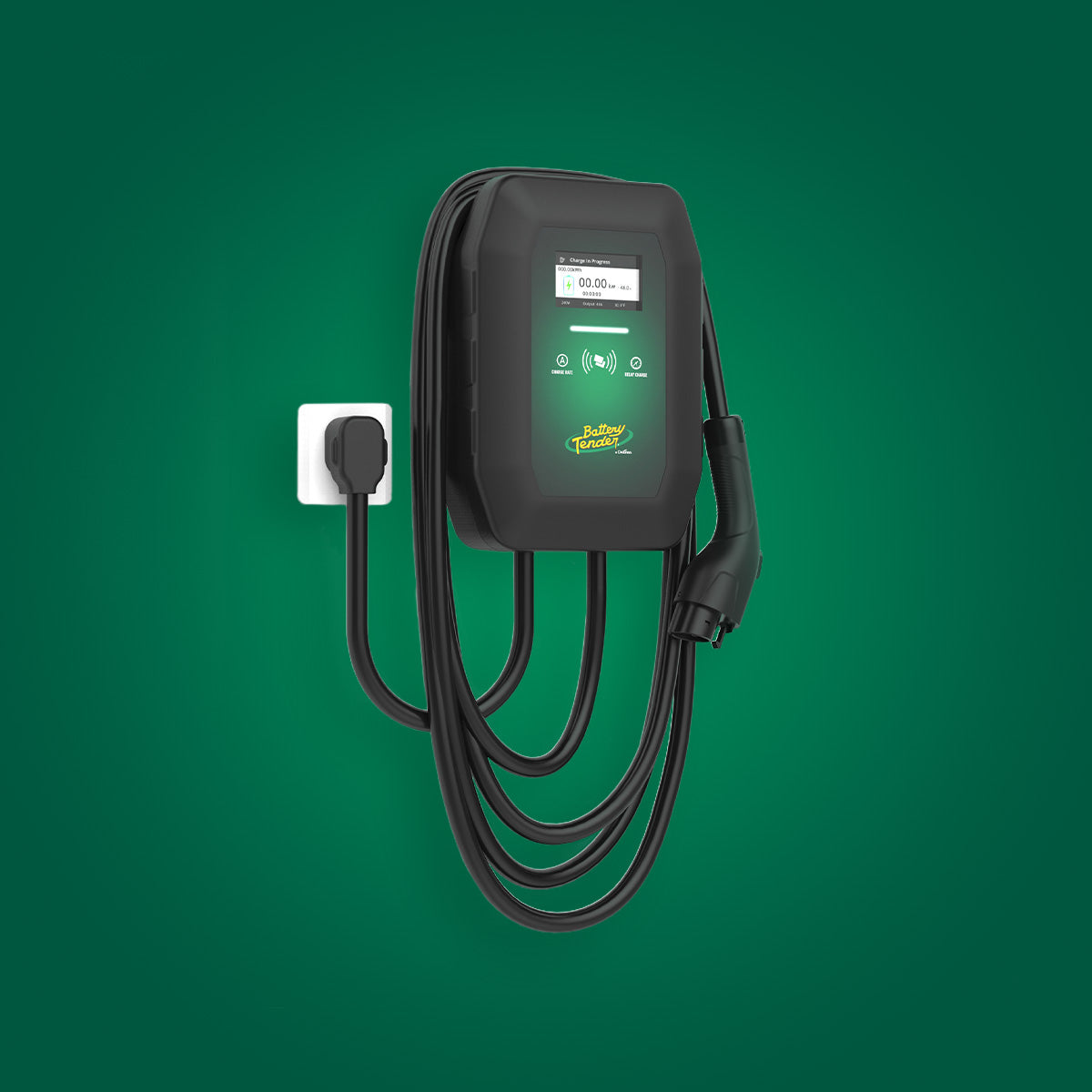
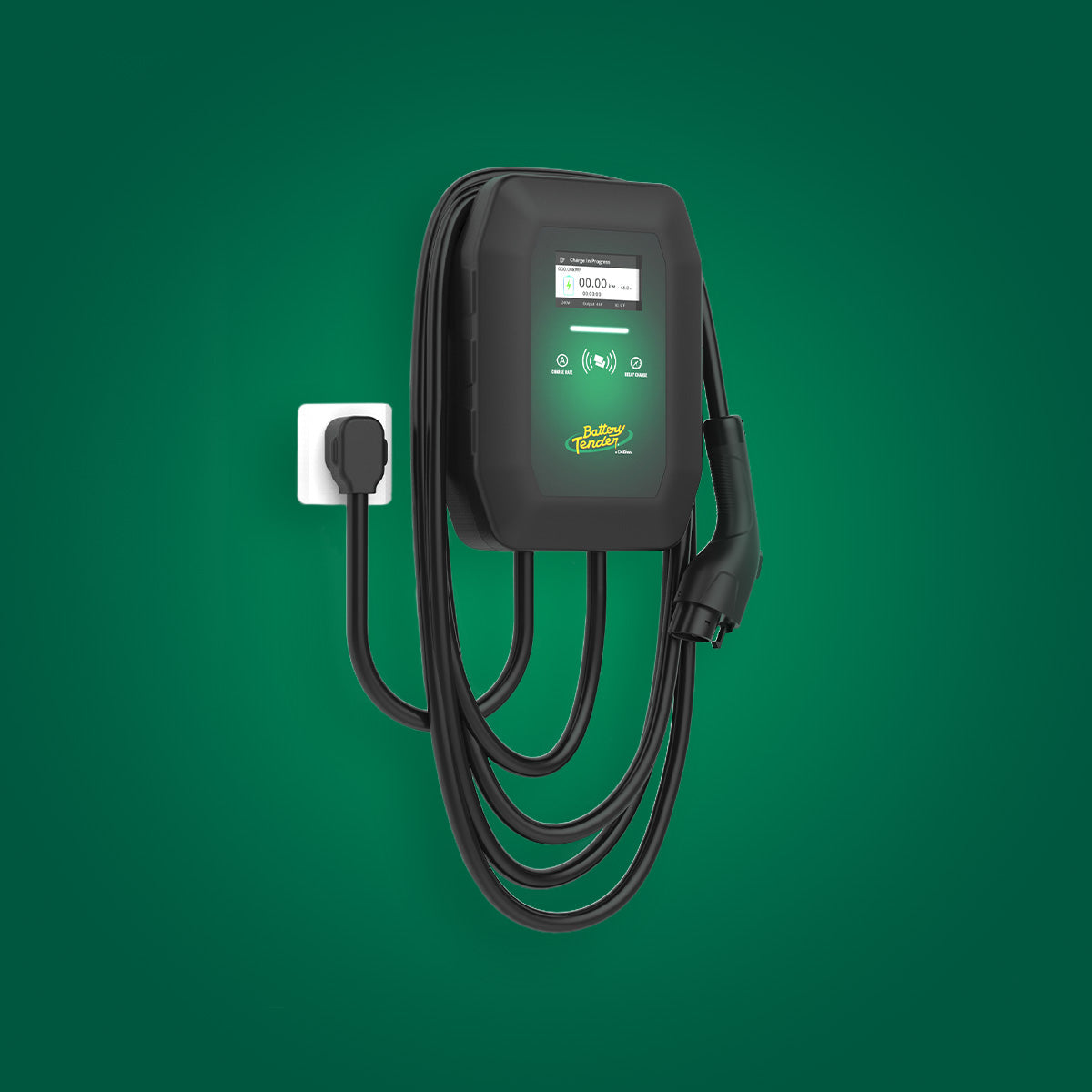
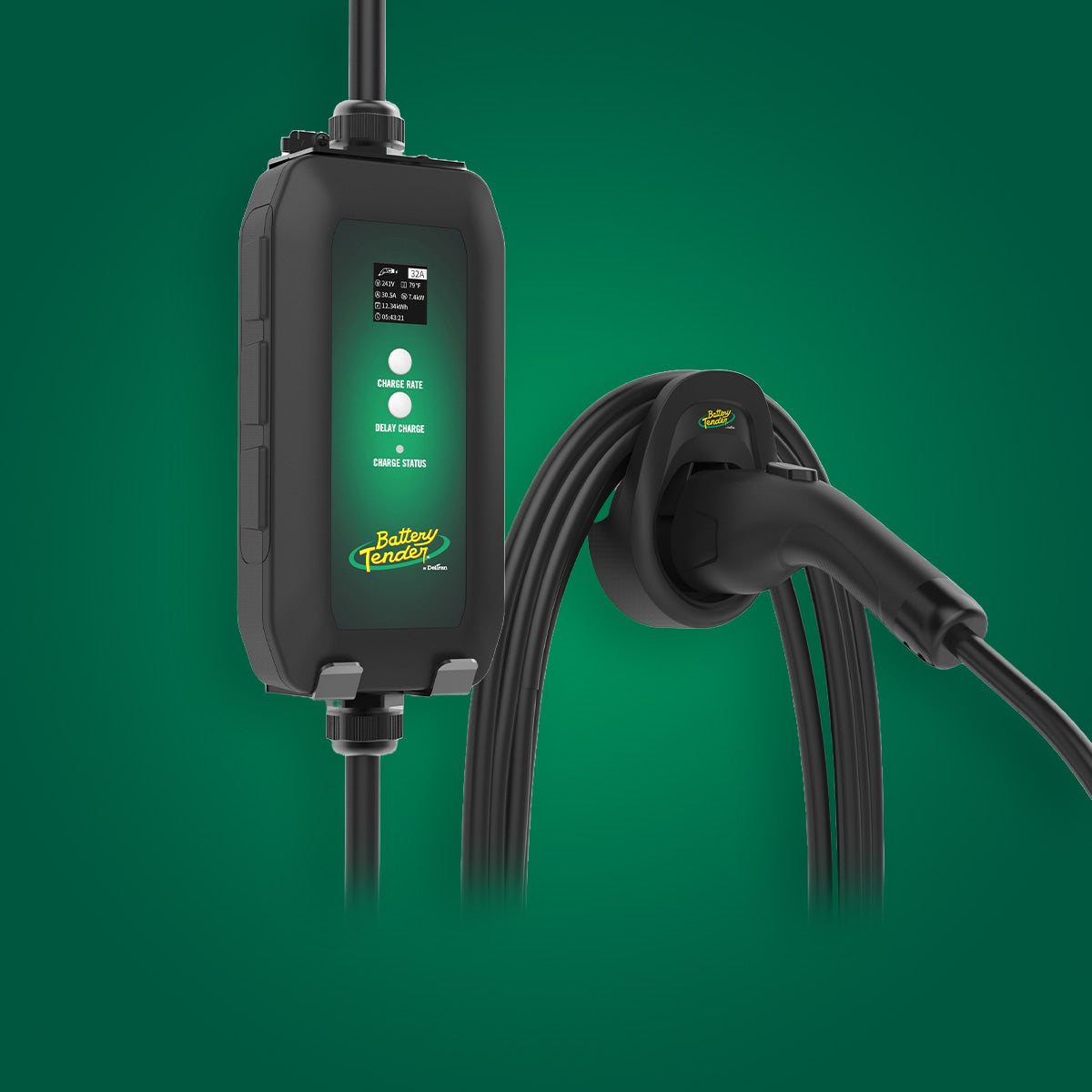
Level 1 charging uses a standard 120V household outlet through a J1772 connector or proprietary cable. Typical charge rates run 1–3 kW, which may replenish 20–40 miles of range per hour of charging. For commuters covering 30–50 miles daily, Level 1 overnight charging is entirely sufficient. Battery Tender®'s Level 1 EV Charger provides a reliable, weatherproof solution for garage and home charging, delivering consistent power with built-in safety protections that protect both the charger and the motorcycle's onboard charging system.
Level 2 charging operates on 240V AC service and delivers dramatically faster replenishment — typically 7–22 kW depending on the motorcycle's onboard charger capacity. A Zero SR/F with its 6 kW onboard charger reaches full charge from near-empty in approximately two hours on a Level 2 source. Energica models supporting up to 22 kW three-phase charging can complete a full charge cycle in under an hour. Battery Tender®'s Level 2 EV Charger delivers the hardwired 240V performance that serious electric motorcycle riders need for fast overnight recovery and convenient day-use top-off. Its compact, weatherproof design suits both garage installation and covered outdoor mounting.
An important operational note: when connecting any EV charger to the traction pack, ensure the 12V auxiliary battery is in good condition first. Many electric motorcycles require the 12V system to be active before the onboard charger will accept AC power from a Level 1 or Level 2 source. A dead 12V battery can prevent EV charging from initiating — making auxiliary battery maintenance a prerequisite, not an afterthought.
Emergency Recovery When the 12V System Goes Dead
Even with disciplined maintenance charging, situations arise. You return from a two-week trip to find the 12V battery fully discharged and the motorcycle unresponsive. The key fob does nothing. The ignition switch produces no display activity. The bike is effectively locked in a completely inert state.
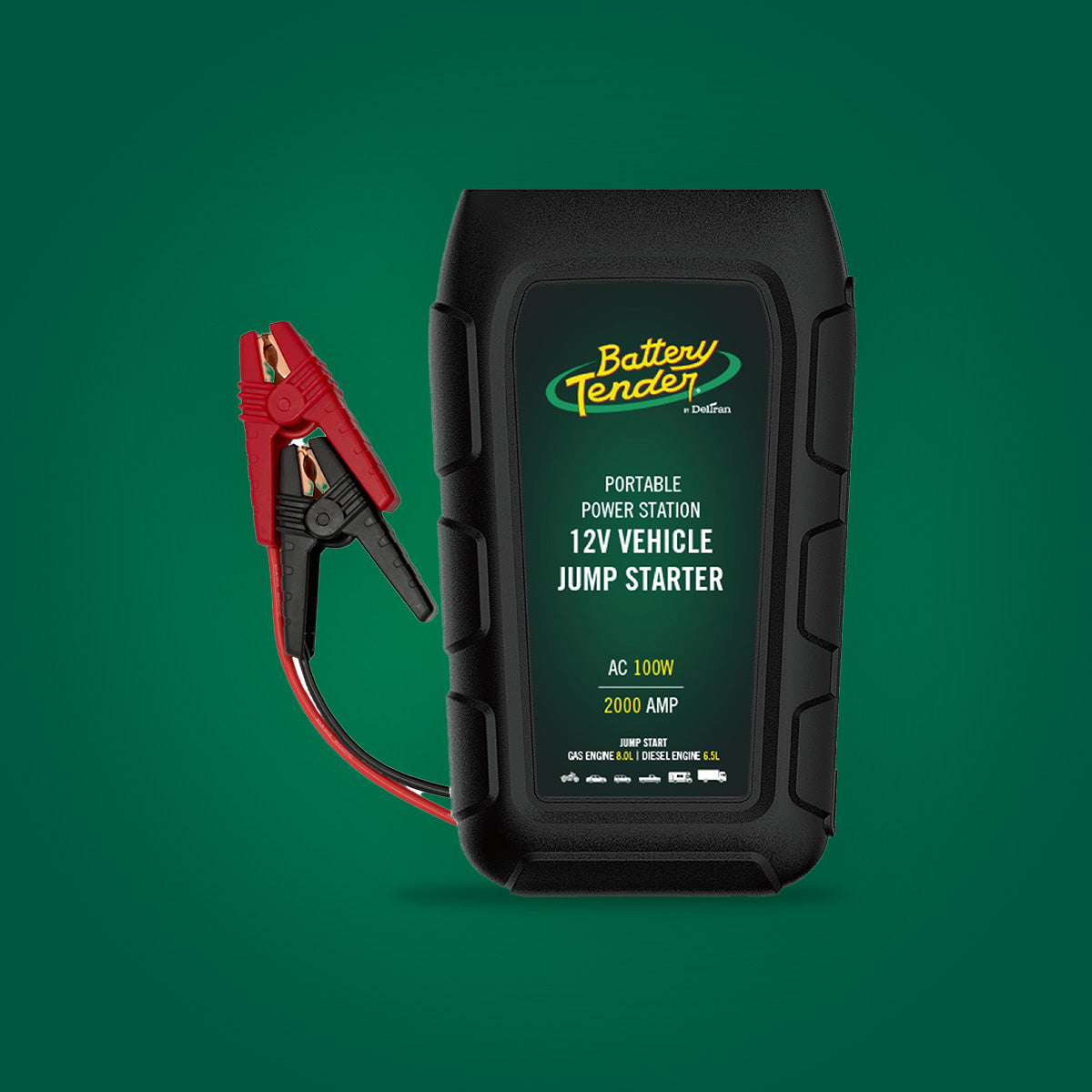
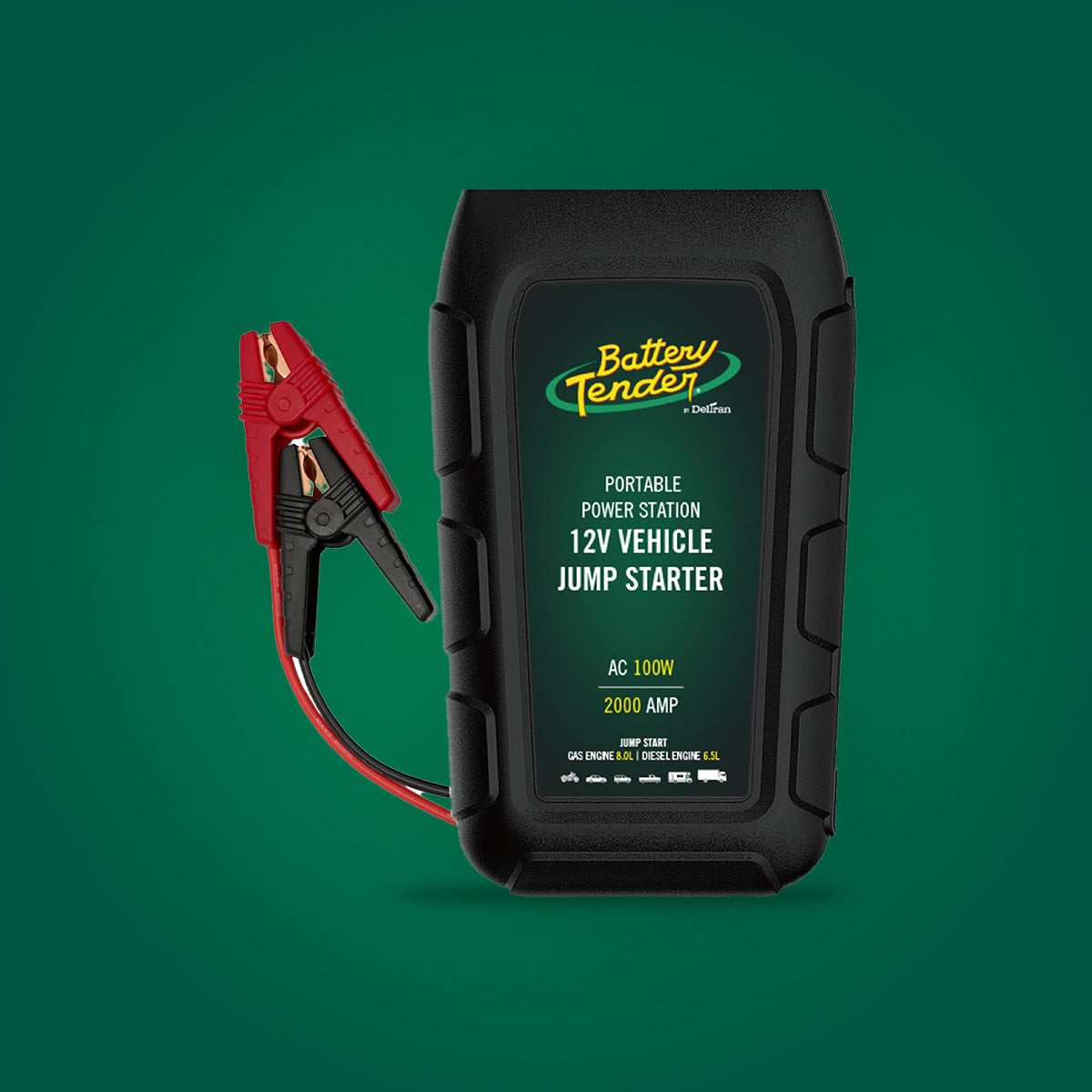
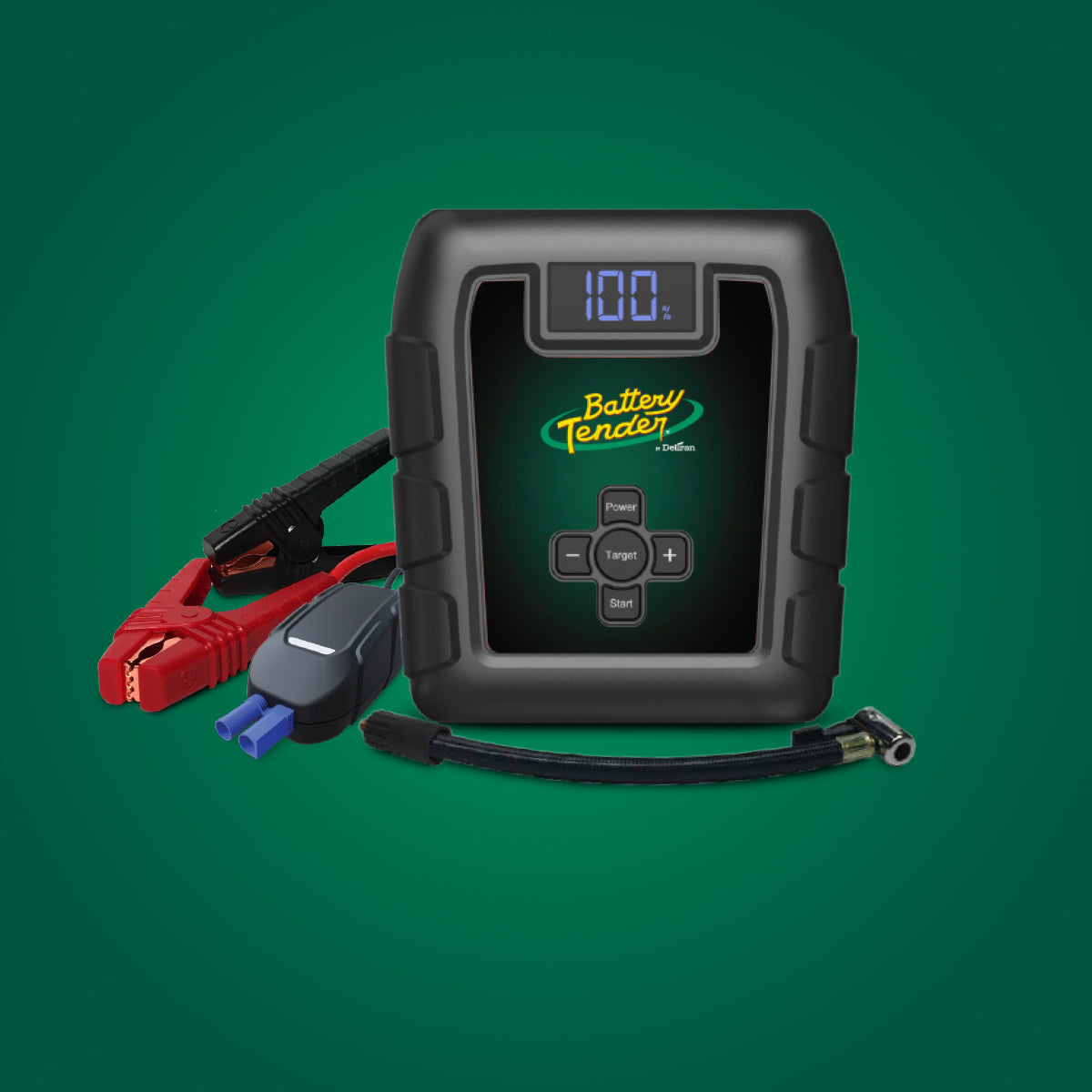
A quality portable jump starter provides immediate recovery. Connect the jump starter's positive clamp to the auxiliary battery's positive terminal and negative to a chassis ground point away from the battery. Allow the jump starter to deliver charge for 60–90 seconds before attempting to power on the motorcycle. Many electric bikes will boot normally once sufficient 12V voltage is restored, allowing the DC-DC converter to take over and complete the charge cycle from the traction pack.
Avoid connecting another motorcycle or vehicle's running charging system directly to an electric motorcycle's 12V system. The voltage spikes from an alternator can damage sensitive electronics in the bike's BMS and control modules. A jump starter or a dedicated charger is always the correct recovery tool.
After emergency recovery, connect a proper maintenance charger immediately and allow a full charge cycle to complete before returning the bike to service. A battery that has been deeply discharged should be load-tested to verify it has not suffered permanent capacity loss.
Installation and Access: Getting the Charger Connected Properly
Most electric motorcycles position the 12V auxiliary battery under a seat panel, behind a side fairing, or beneath the fuel tank area (repurposed as a storage compartment on EVs). Access varies considerably by model. Zero Motorcycles provides relatively straightforward battery access. Some Energica models require partial fairing removal. Consult your owner's manual before assuming battery location.
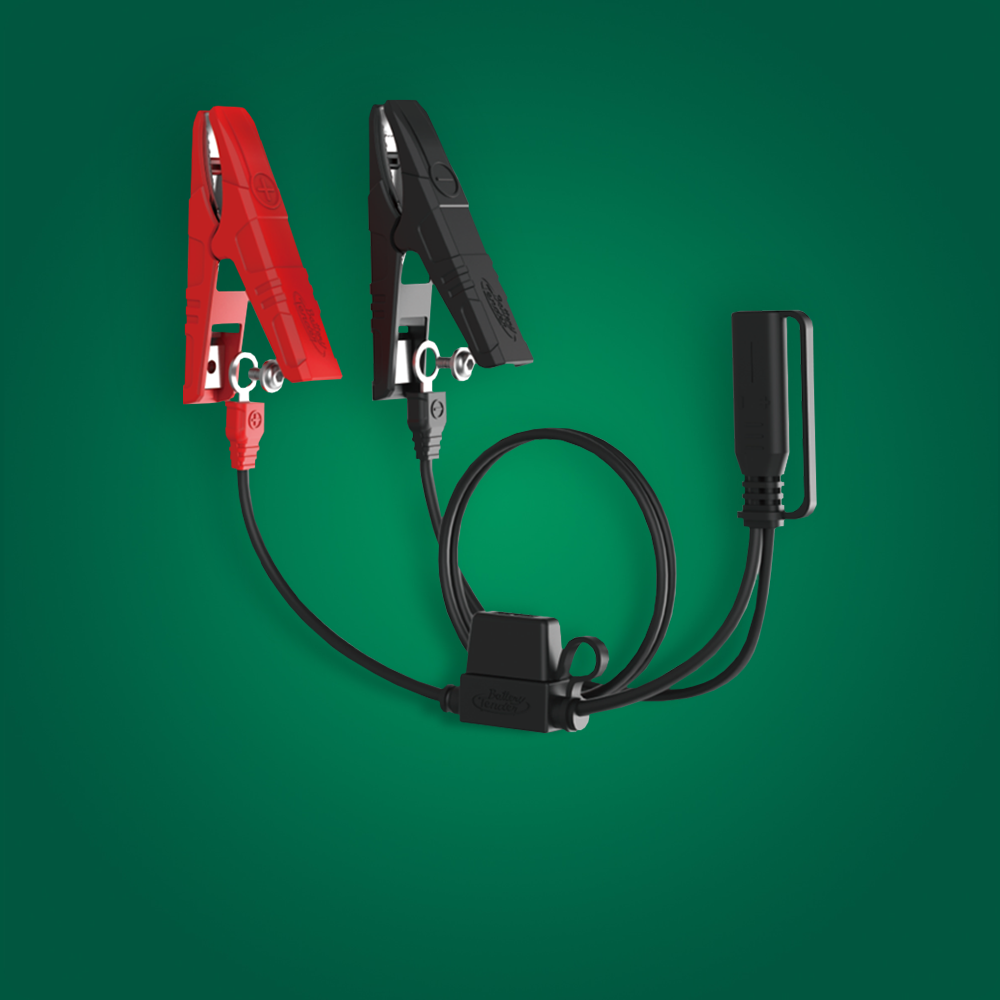
For frequent maintenance charging without repeated access to the battery terminals, Battery Tender®'s quick-disconnect harness accessories allow you to run a permanent pigtail connector through a small opening in the bodywork. The SAE connector parks flush against the fairing or under a seat edge, providing instant charger connection in seconds without tools. This is the preferred setup for any electric motorcycle owner who charges regularly — which should be every owner.
Always verify charger polarity before connecting. Electric motorcycles can have unconventional battery orientations depending on how the auxiliary battery is packaged within the frame structure. Reverse polarity connection, even briefly, can damage charging system electronics that are expensive to replace.
Maintenance Schedule for Electric Motorcycle Battery Systems
A structured approach to both your 12V auxiliary battery and traction pack charging infrastructure prevents the vast majority of electric motorcycle electrical failures:
- Any storage period over 3 days: Connect a Battery Tender® maintenance charger to the 12V auxiliary battery.
- Weekly during active riding season: Verify the 12V battery voltage reads above 12.6V (lead-acid) or above 13.2V (lithium) with a multimeter.
- Monthly: Inspect battery terminals for corrosion. Clean with a baking soda solution if needed. Apply dielectric grease after cleaning.
- Seasonal storage: Connect maintenance charger to 12V battery for the entire storage period. Maintain traction pack at 50–80% charge per manufacturer recommendation. Do not store either battery fully depleted.
- Annually: Load-test the 12V auxiliary battery, especially on bikes over two years old. Replace if capacity has dropped below 80% of rated Ah.
- Level 1/Level 2 charging: Inspect the charge cable and connector for damage before each use. Keep the J1772 port clean and free of moisture and debris.
Frequently Asked Questions About Electric Motorcycle 12V Battery Systems
Can I use any 12V charger on my electric motorcycle's auxiliary battery?
No. Electric motorcycle auxiliary batteries are small — typically 5–12 Ah — and require chargers with appropriately low output currents. A 10-amp automotive charger will damage these small batteries. Use a charger specifically designed for powersports and small battery applications, such as the Battery Tender® Junior 800mA or the Battery Tender® Lithium 12V Charger for lithium auxiliary batteries.
Will keeping my electric motorcycle plugged into the Level 2 EV charger maintain the 12V battery?
It depends on the motorcycle's design. Some models maintain 12V auxiliary battery charge through the DC-DC converter whenever the main pack is connected to an active charging source. Others only operate the DC-DC converter when the bike is fully powered on. Check your owner's manual. When in doubt, connect a dedicated 12V maintenance charger regardless of whether the traction pack is on charge.
How do I know if my 12V auxiliary battery has failed beyond recovery?
A battery that will not hold charge above 12.0V after a full charge cycle, or that drops rapidly under minimal load, has likely suffered permanent capacity loss. Professional load testing provides a definitive answer. Most electric motorcycle dealers and battery retailers can perform this test. A failed auxiliary battery should be replaced promptly — it is the most common cause of electric motorcycle non-starts.
Is it safe to use a Level 1 EV charger outdoors?
Battery Tender® Level 1 EV chargers are weatherproof and designed for outdoor use in covered locations. Avoid direct rain exposure on the connector interface during charging. Never use an extension cord that is undersized for the charger's amperage rating, as voltage drop can reduce charging efficiency and create fire risk.
What is the typical service life of an electric motorcycle's 12V auxiliary battery?
With proper maintenance charging, a quality lead-acid auxiliary battery should last three to five years. Lithium auxiliary batteries, when kept within their proper voltage range and charged with a compatible lithium charger, can exceed five to seven years of service. Deep discharge events significantly reduce these figures — sometimes causing failure after a single severe discharge cycle.
Conclusion
Electric motorcycle ownership rewards riders with exceptional performance, low operating costs, and a fundamentally different riding experience. It also introduces electrical maintenance responsibilities that differ meaningfully from conventional motorcycles. The electric motorcycle 12V battery system is small, easy to overlook, and absolutely essential to every ride. Pairing a Battery Tender® maintenance charger matched to your auxiliary battery chemistry with a reliable Level 1 or Level 2 EV charging solution for your traction pack creates a complete, professional-grade home charging infrastructure. Visit Battery Tender® EV Chargers and the Battery Tender® Powersports lineup to find every component your electric motorcycle needs to stay charged, maintained, and ready to ride.


