


Golf Course Fleet Battery Maintenance: Complete Commercial Guide
A golf course fleet is a substantial capital investment. Forty to sixty electric golf carts, each requiring a battery bank worth $800 to $1,500, represents $40,000 to $90,000 in battery assets alone. The difference between a battery management program that extends pack life to 5 to 7 years and a neglectful program that burns through packs in 2 to 3 years is easily $50,000 to $100,000 in premature replacement costs over a decade.
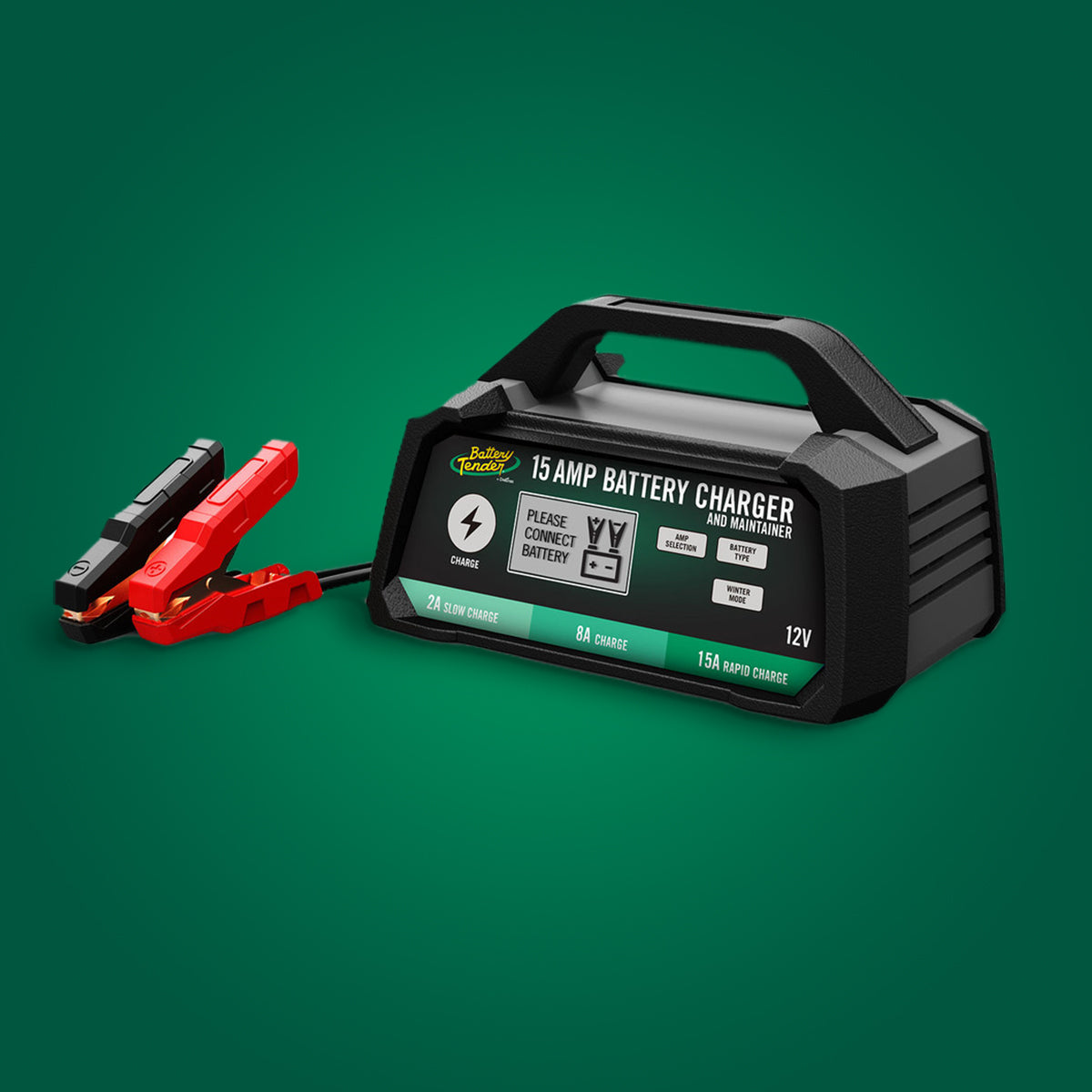
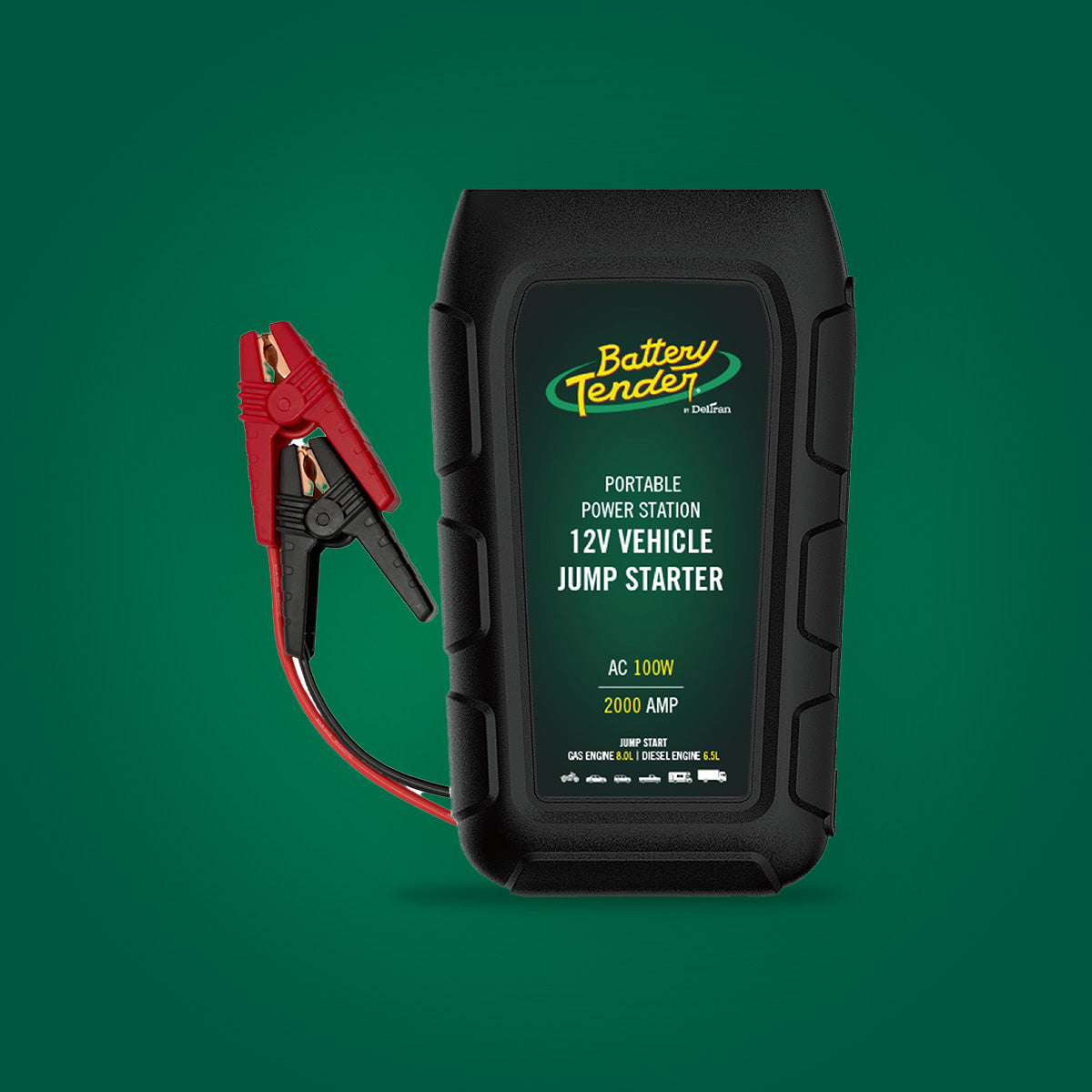
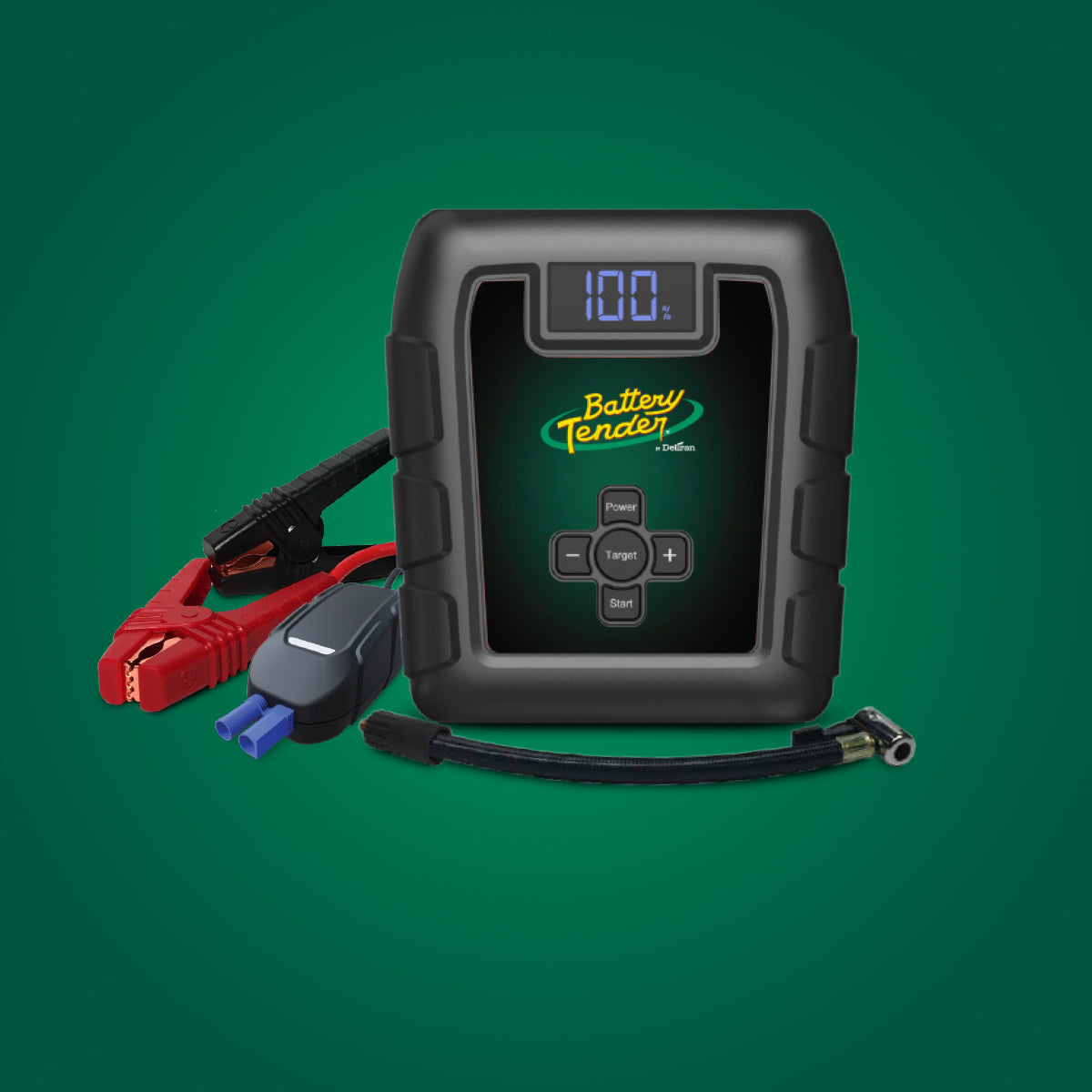
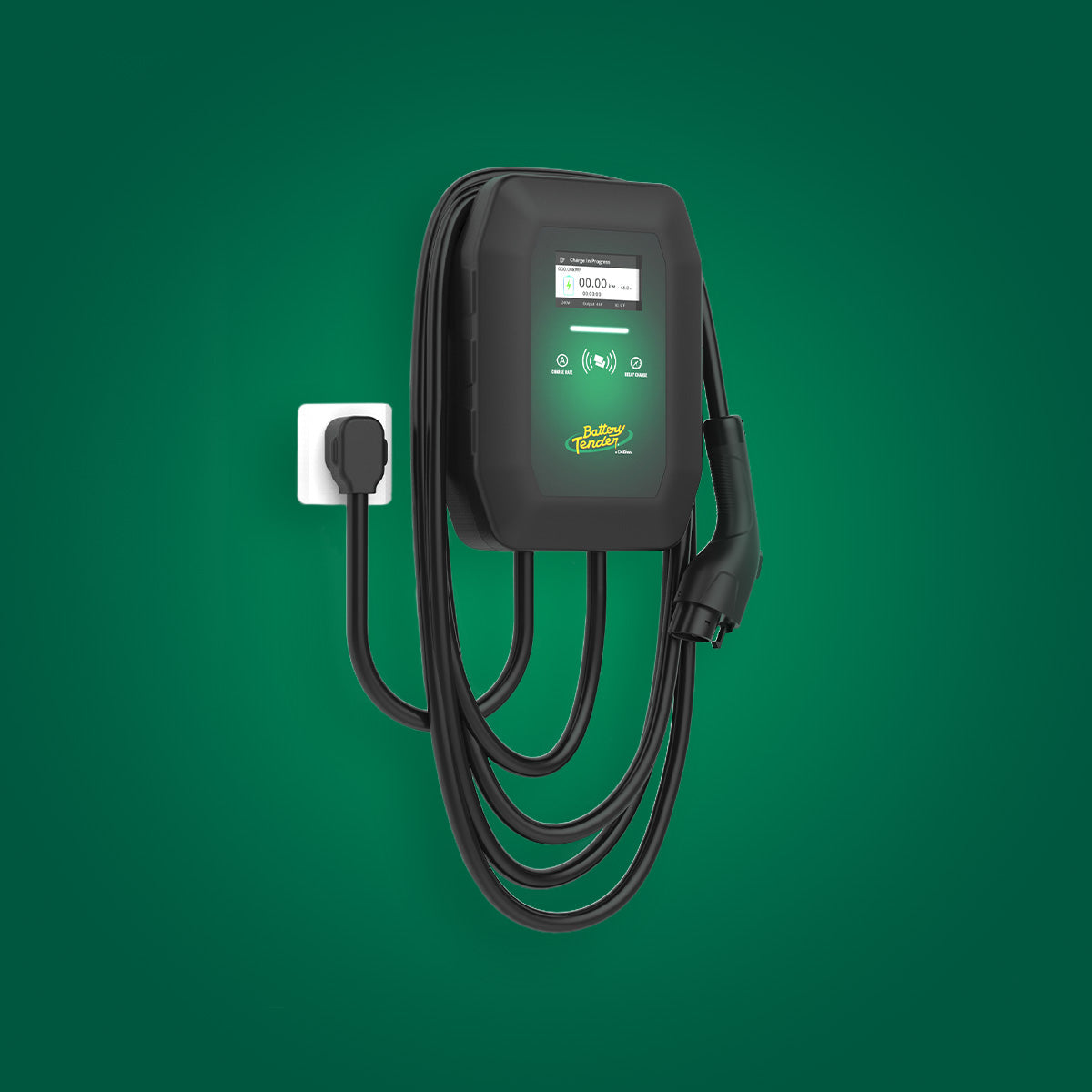
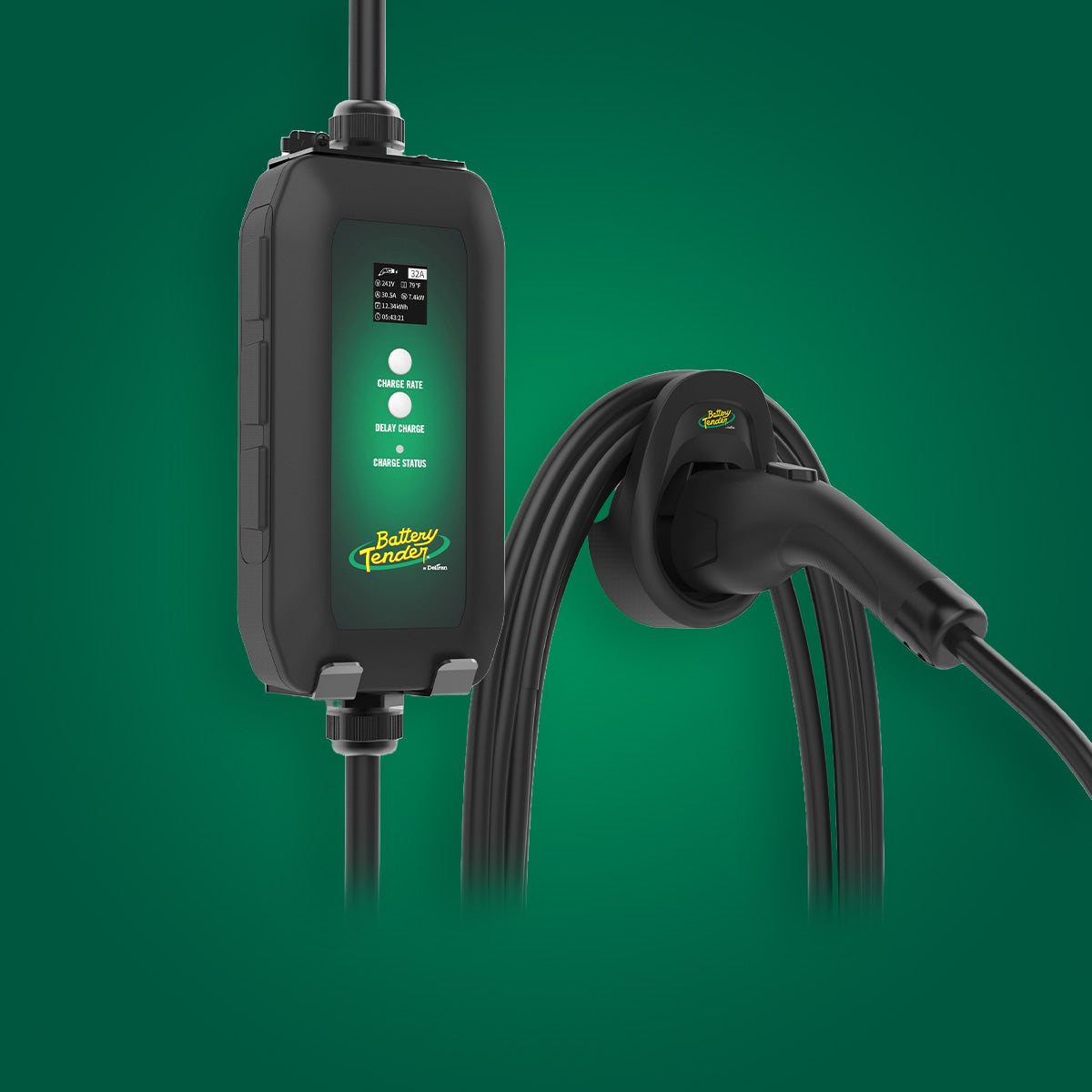
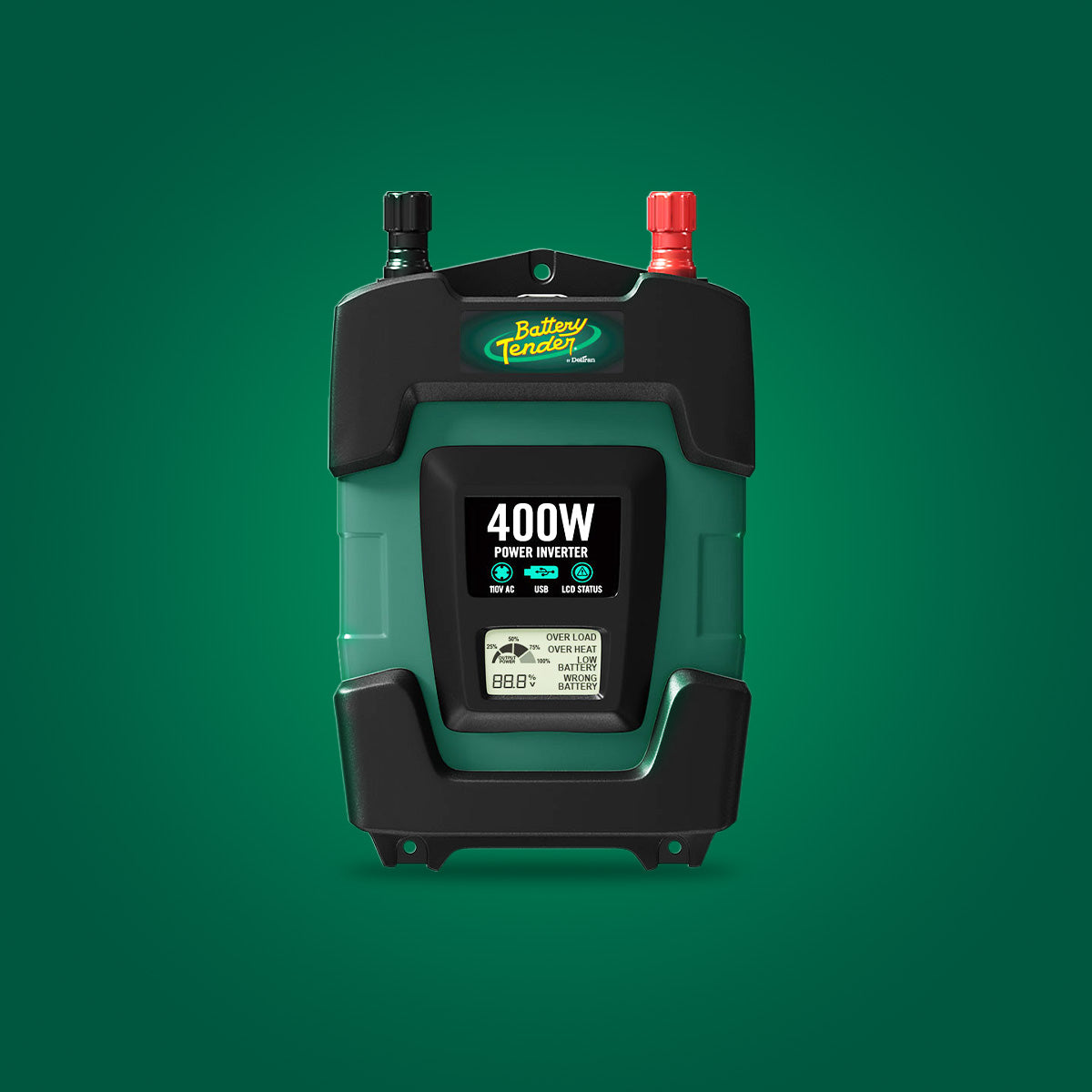
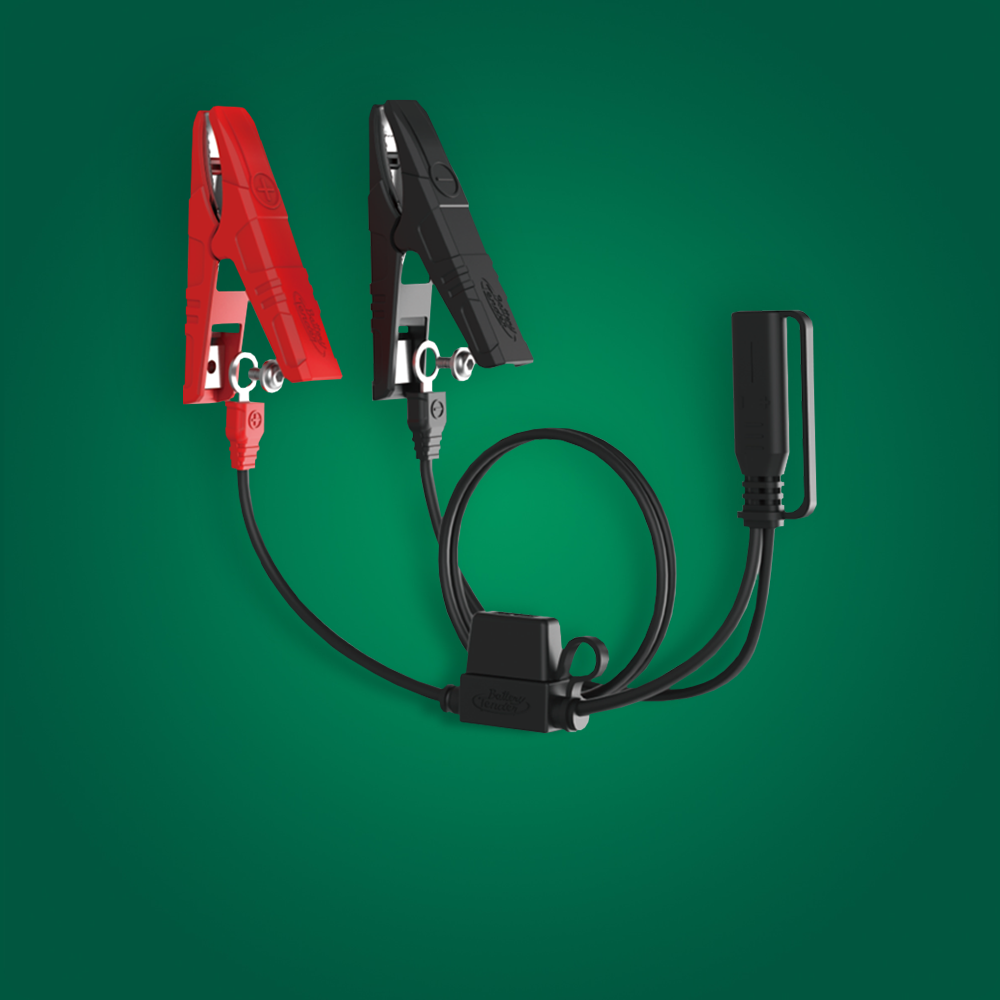
Battery Tender® PowerPlus commercial charging systems are designed for exactly this application, delivering the consistent, properly staged charging that dramatically extends golf cart battery life and maximizes fleet uptime.
Understanding Golf Cart Battery Chemistry
The vast majority of golf course fleets operate on flooded lead acid (FLA) 6-volt batteries wired in series to create 36V or 48V systems. A 48V cart uses eight 6V batteries in series; a 36V cart uses six. FLA golf cart batteries require regular water additions, typically every 10 to 30 charging cycles depending on climate and usage. Proper equalization charging is essential to prevent stratification and maintain capacity across all cells in each battery.
The Daily Charging Imperative
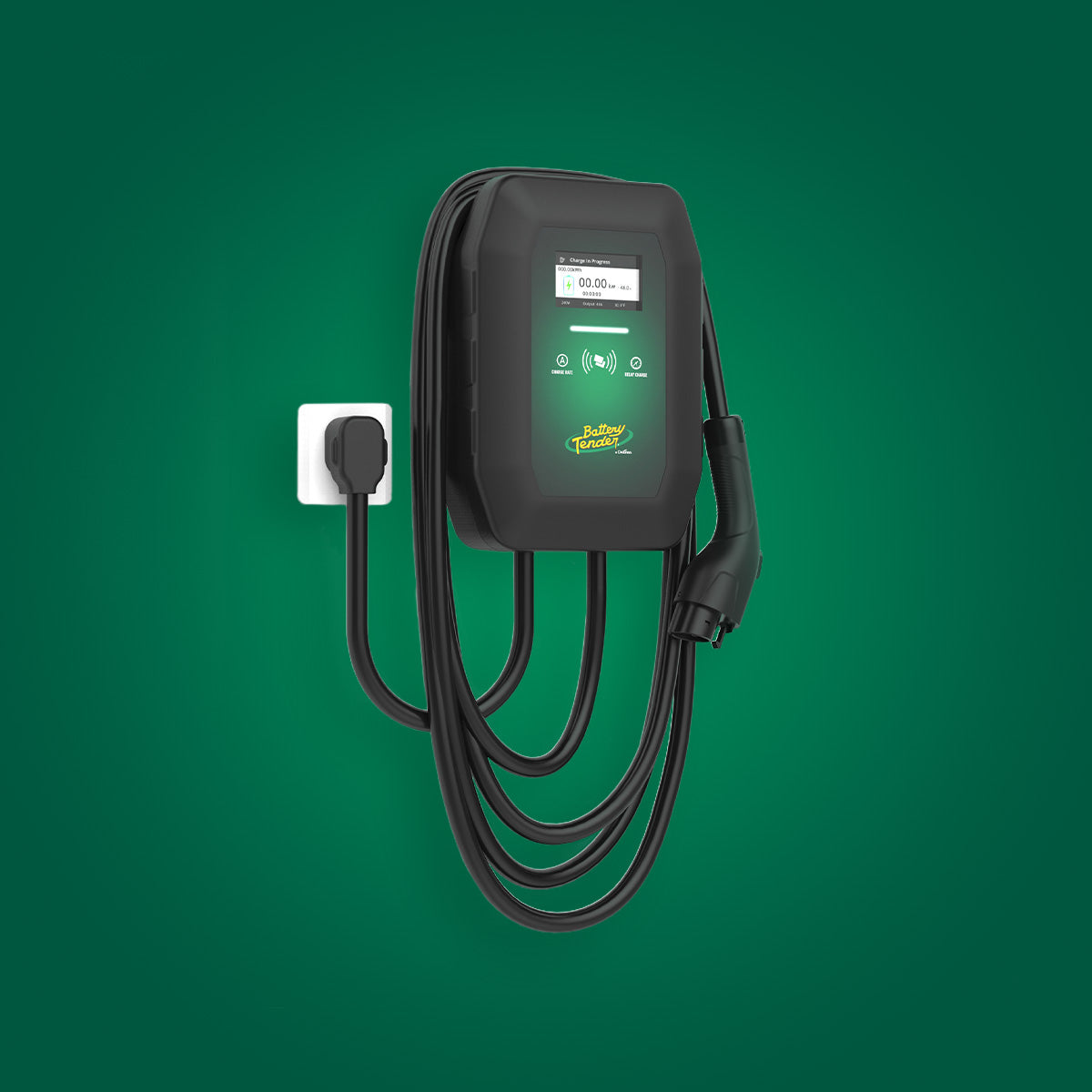
Golf cart batteries must be fully charged after every use period — no exceptions. A battery left in a partial state of charge overnight begins sulfating immediately. The Battery Tender PowerPlus series provides commercial-grade charging matched to 36V and 48V golf cart applications.
Battery Tender Golf Cart Charging Solutions
Water Maintenance Program
Establish a documented watering schedule based on your climate and usage. Always water after charging, not before. Use only distilled water — never tap water, which contains minerals that contaminate electrolyte and accelerate plate degradation.
Fleet Rotation and Load Balancing
Not all carts in a fleet are used equally. Implement a rotation system that cycles all carts through different usage patterns over time. Track mileage or round counts by cart and rotate assignments periodically.
Recognizing Battery Replacement Needs
Golf cart batteries approaching end of life show characteristic symptoms: shorter range per charge, one or more batteries running warmer than others, visible plate damage, excessive water consumption, and sulfur smell during charging. Replace battery banks in complete sets when possible.
Lithium Conversion Considerations
Lithium iron phosphate golf cart batteries offer roughly half the weight of flooded equivalents, no water maintenance, longer cycle life, and faster charge acceptance. For high-utilization commercial fleets where batteries cycle twice daily, lithium conversion ROI can be compelling over a 5 to 7 year horizon.
Recommended Products for Golf Course Fleets
Battery Tender Golf Cart Charging Solutions