

Battery Tender® Charger Product Comparison: Find the Right Model for Your Powersports Battery
The wrong charger does not just slow down a charge — it shortens battery life, causes failed starts, and costs money replacing batteries that should have lasted years. This product comparison covers the Battery Tender Junior, Plus, and Power Tender series, explaining exactly what each model was designed to do and which one belongs connected to your motorcycle, ATV, UTV, personal watercraft, or passenger vehicle. Every model in the lineup uses Infinite Sequential Monitoring (ISM) charging — a smart technology that constantly monitors battery voltage and condition, applying precisely the right voltage and current at every moment so the battery is never overcharged, never undercharged, and never left without exactly what it needs.
How ISM Charging Makes Chemistry and Capacity Matching Work
Infinite Sequential Monitoring is the technology behind every Battery Tender charger's automatic four-stage charging process. Rather than delivering a fixed bulk current regardless of battery state, ISM continuously monitors battery voltage and condition in real time, dynamically adjusting both voltage and current output as the battery moves through initialization, bulk charge, absorption, and float maintenance. This is not simply overcharge prevention — ISM is actively evaluating the battery at every moment and responding with precisely calibrated output, pulling back current as the battery approaches full capacity and holding voltage at the correct float level indefinitely once a full charge is reached. The charger is always responding to what the battery actually needs, not pushing a preset current until a timer trips.
Because ISM manages voltage and current delivery dynamically throughout every stage, there is no risk of overcharging from extended connection — and no risk of the charger walking away from a chronically undercharged battery due to inaccurate current profiles. What ISM cannot do, however, is substitute for chemistry matching. Lithium iron phosphate (LiFePO4) batteries require a fundamentally different charge profile than flooded lead-acid, AGM, or gel cell batteries — a higher target absorption voltage and no extended float phase. A charger calibrated exclusively for lead-acid will chronically undercharge a lithium battery over time, regardless of how precisely ISM manages current delivery, because the voltage targets themselves are calibrated for the wrong chemistry. The model breakdown below addresses both chemistry compatibility and output range for every major application in the powersports and passenger vehicle categories.
Junior 750mA: The Powersports Maintenance Standard
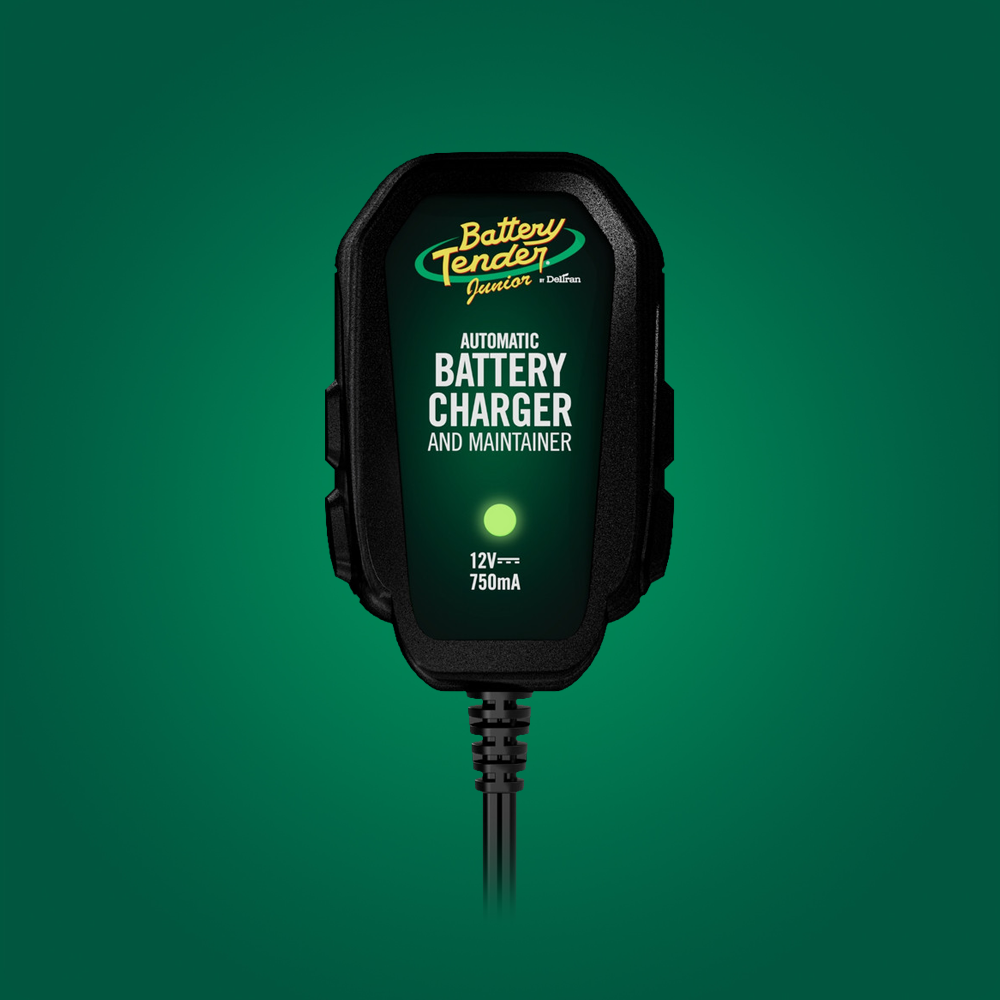
The Battery Tender Junior 0.75A 12V is the most widely used maintenance charger in powersports for a reason. It is precisely calibrated for the battery banks installed in the majority of motorcycles, ATVs, personal watercraft, and lawn tractors — typically in the 10 to 20Ah range. ISM charging monitors the battery continuously throughout every stage, adjusting output automatically and confirming the shift to float with a green LED once the battery reaches full charge. No manual intervention is required at any point.
This is the charger that belongs in every powersports owner's garage. It draws minimal power, installs in minutes via the included ring terminal harness or alligator clips, and can remain connected through an entire storage season without any risk of overcharging or undercharging. For riders storing a machine from late fall through early spring, the Junior 750mA is the most cost-effective protection available against a dead battery on the first ride of the season. It is purpose-built for standard flooded lead-acid chemistry in small-capacity powersports batteries, and no other unit in the lineup is better matched to that specific application.
Junior 1A Selectable Chemistry: The Modern Powersports Upgrade
The Battery Tender Junior 1A Selectable Chemistry steps up to 1A output and adds the ability to select between lithium iron phosphate, AGM, standard flooded lead-acid, and gel cell batteries from a single unit. This is the correct choice for any powersports rider who has upgraded to a lithium battery — or anyone operating a machine where battery chemistry is something other than conventional flooded lead-acid.
The chemistry selection capability is a functional requirement, not a marketing feature. Lithium batteries need a charge profile that targets a higher absorption voltage and does not carry an extended float phase. Running a standard lead-acid charger on a lithium battery produces a chronic undercharge condition at best and accelerated cell degradation at worst over long-term connection — even with ISM actively monitoring and adjusting output, the voltage targets themselves are calibrated for the wrong chemistry, so the charger cannot deliver what a lithium cell actually needs. The selectable chemistry design eliminates that risk entirely by ensuring ISM operates against the correct voltage profile for whichever chemistry is selected. Riders who switched to lithium for weight reduction and cold-cranking performance advantages need a charger built to deliver the correct profile for that chemistry. The Junior 1A Selectable Chemistry does exactly that, at a price accessible to any powersports owner managing a single-battery machine.
Plus 1.25A: The Passenger Car and Light Vehicle Benchmark
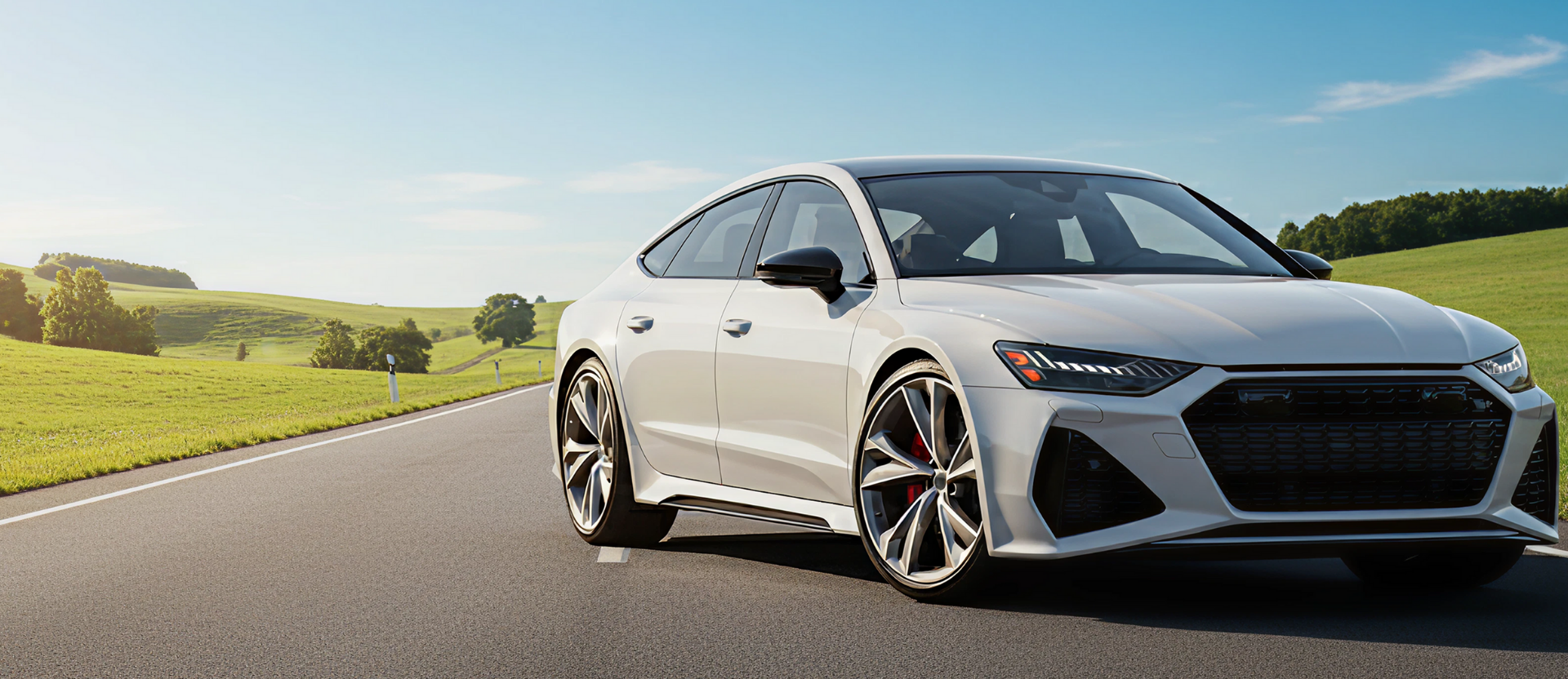
The Battery Tender Plus 1.25A 12V is the standard recommendation for passenger cars, small SUVs, crossovers, and light-duty trucks with batteries in the 15 to 45Ah range. At 1.25A, it delivers meaningfully faster bulk charge recovery than the Junior 750mA while remaining fully appropriate for the battery sizes installed in the majority of daily-driver passenger vehicles. ISM charging monitors the battery continuously, adjusting voltage and current output at every stage and stepping back as the battery progresses toward full charge.
This is the right charger for the daily driver that sits in a garage for two weeks during a family vacation, the weekend car that sees limited use across winter months, or the classic vehicle in seasonal storage. The Plus 1.25A can stay connected without any risk of overcharging or undercharging — even across months of continuous operation, ISM keeps the battery at exactly the right state of charge throughout. Spark-proof connection design and reverse polarity protection add a layer of safety for users who connect and disconnect frequently. For the largest segment of vehicle owners — those running conventional passenger cars with standard flooded or AGM 12V batteries — the Plus 1.25A represents the most balanced and well-matched charger in the lineup.
Power Tender Series: Full-Size Vehicles, Large Batteries, and 6V Vintage Applications
The Power Tender series is built for applications that exceed the capacity range where the Plus 1.25A operates most efficiently — full-size truck batteries in the 60 to 80Ah range, large passenger car AGM batteries, dual-battery setups in work trucks, full-size UTV batteries, and any application running a 6-volt electrical system.
The Battery Tender 4 AMP Power Tender 12V/6V delivers 4A output with dual-voltage compatibility, making it the correct choice for large-capacity 12V batteries and vintage vehicles or older motorcycles operating on 6V systems. ISM charging continuously monitors battery condition, automatically adjusting voltage and current through absorption and into float as the battery reaches capacity, so a deeply discharged large battery recovers fully without manual monitoring. The dual-voltage capability adds genuine versatility for owners maintaining both vintage and modern vehicles in the same space.
For owners who need fast recovery from deep discharge in addition to long-term maintenance capability, the Battery Tender 8A/2A Selectable provides 8A bulk output for rapid recovery of severely depleted large batteries, with a selectable 2A mode for smaller batteries or extended maintenance connections. A 60Ah battery that sat dead through an entire winter can return to a viable state of charge in hours rather than days at 8A. ISM charging monitors battery condition continuously and manages every stage transition automatically in either output mode, ensuring the battery receives precisely what it needs throughout recovery and maintenance — maintaining full overcharge and undercharge protection from the first connection through indefinite float.
Product Comparison at a Glance: Match Your Battery to the Right Model
Use this reference to match your vehicle type, battery capacity, and chemistry to the correct charger:
- Motorcycle, ATV, personal watercraft, or lawn tractor (10–20Ah, flooded lead-acid): Junior 750mA — purpose-built for standard powersports battery maintenance.
- Powersports machine with lithium (LiFePO4), AGM, or gel cell battery: Junior 1A Selectable Chemistry — required for correct lithium charge profile and multi-chemistry flexibility.
- Passenger car, small SUV, crossover, or light truck (15–45Ah): Plus 1.25A — the benchmark for standard passenger vehicle battery maintenance and storage charging.
- Full-size truck, large SUV, van, full-size UTV, or 6V vintage vehicle (45–80Ah or 6V system): 4 AMP Power Tender — matched output for large-capacity batteries and dual-voltage compatibility.
- Fast recovery from deep discharge, multi-vehicle shop use, or maximum versatility: 8A/2A Selectable — maximum bulk speed plus selectable maintenance mode in a single unit.
Frequently Asked Questions
Can I use the Junior 750mA on a car battery?
The charger will function, but it is not the right match for the application. At 750mA, recovering a passenger car battery in the 35 to 50Ah range takes an impractically long time, and a deeply discharged large battery may take far longer to reach full charge at that output level. ISM will monitor the battery correctly throughout, but output range still determines practical recovery time. The Plus 1.25A is the correct choice for passenger car applications.
Will a standard lead-acid charger damage a lithium battery?
Yes — over time. Even with ISM continuously monitoring and adjusting output, a charger calibrated for lead-acid chemistry uses voltage targets designed for that chemistry. Lithium iron phosphate batteries require a higher absorption voltage target and no extended float phase. A lead-acid charger will chronically undercharge a lithium battery or stress cells during prolonged connection because ISM is optimizing against the wrong voltage profile — it can only work with the targets it is calibrated for. The Junior 1A Selectable Chemistry is the correct choice for any lithium powersports battery, ensuring ISM operates against the right profile from the start.
How long can these chargers stay connected without overcharging?
Every model in this lineup is designed for indefinite connection in float maintenance mode. ISM does not simply prevent overcharging — it continuously monitors the battery and actively adjusts voltage and current output to hold the battery at exactly the correct state of charge throughout float. Units can remain connected through a full storage season without manual intervention or risk of battery damage from overcharging or undercharging.
What is the practical difference between the 4 AMP Power Tender and the 8A/2A Selectable for a truck battery?
Both will maintain a full-size truck battery effectively in float mode, with ISM monitoring and adjusting output continuously in either unit. The key difference is recovery speed from a deeply discharged state. The 8A/2A Selectable's bulk mode brings a dead large battery back significantly faster than the 4 AMP Power Tender. For routine storage maintenance where recovery speed is not a factor, the 4 AMP Power Tender is a well-matched, cost-effective option. For fast recovery from a dead or severely depleted battery, the 8A/2A Selectable is the better choice.
Are these chargers compatible with AGM batteries?
Yes. The Junior 1A Selectable Chemistry includes a dedicated AGM mode, ensuring ISM operates against the correct voltage profile for AGM chemistry. The Plus 1.25A, 4 AMP Power Tender, and 8A/2A Selectable are all compatible with AGM batteries. Always confirm chemistry compatibility in the product documentation for the specific model before connecting to an AGM battery.
Which model is best for a powersports owner managing multiple machines with different battery types?
The Junior 1A Selectable Chemistry handles lithium, AGM, flooded lead-acid, and gel cell batteries from a single unit — and because ISM calibrates its monitoring and output against whichever chemistry is selected, each battery type receives the correct charge profile every time. For riders managing multiple machines with varying battery chemistries, it is the most flexible single-unit option in the powersports segment of the lineup.
Does ISM charging mean I never need to worry about charger output matching my battery capacity?
ISM ensures the charger continuously monitors the battery and applies precisely the right voltage and current at every stage — preventing overcharging, preventing undercharging, and holding the battery at exactly the correct state of charge throughout float. However, output range still matters for practical recovery time. A 750mA charger connected to a large passenger car battery will take an impractically long time to recover a deeply discharged battery. Matching the charger's output range to your battery's Ah capacity ensures efficient, timely recovery in addition to the precise ongoing management ISM provides.
Conclusion
Every Battery Tender Junior, Plus, and Power Tender model was engineered around the same principle: ISM charging that continuously monitors battery condition and applies precisely the right voltage and current at every stage — eliminating both overcharging and undercharging throughout recovery and long-term maintenance. The Junior 750mA handles standard powersports batteries with precision. The Junior 1A Selectable Chemistry adds lithium and multi-chemistry capability for modern powersports applications, ensuring ISM always operates against the correct voltage profile. The Plus 1.25A covers the largest segment of passenger vehicle owners. The Power Tender series addresses full-size vehicles, large-capacity batteries, and 6V vintage applications — with the 8A/2A Selectable adding fast-recovery capability for deep-discharge situations. Use this product comparison as your guide: identify your battery's Ah rating and chemistry, match it to the model built for that exact application, and your battery will be precisely maintained and ready to perform — whether that is the first warm day of riding season or a cold morning in January.
Related guides: Battery Charger 10 Amp: Matching Charger Output to Battery Size (2026) · Battery Tender Charge N Start Complete Guide · More automotive battery care guides