

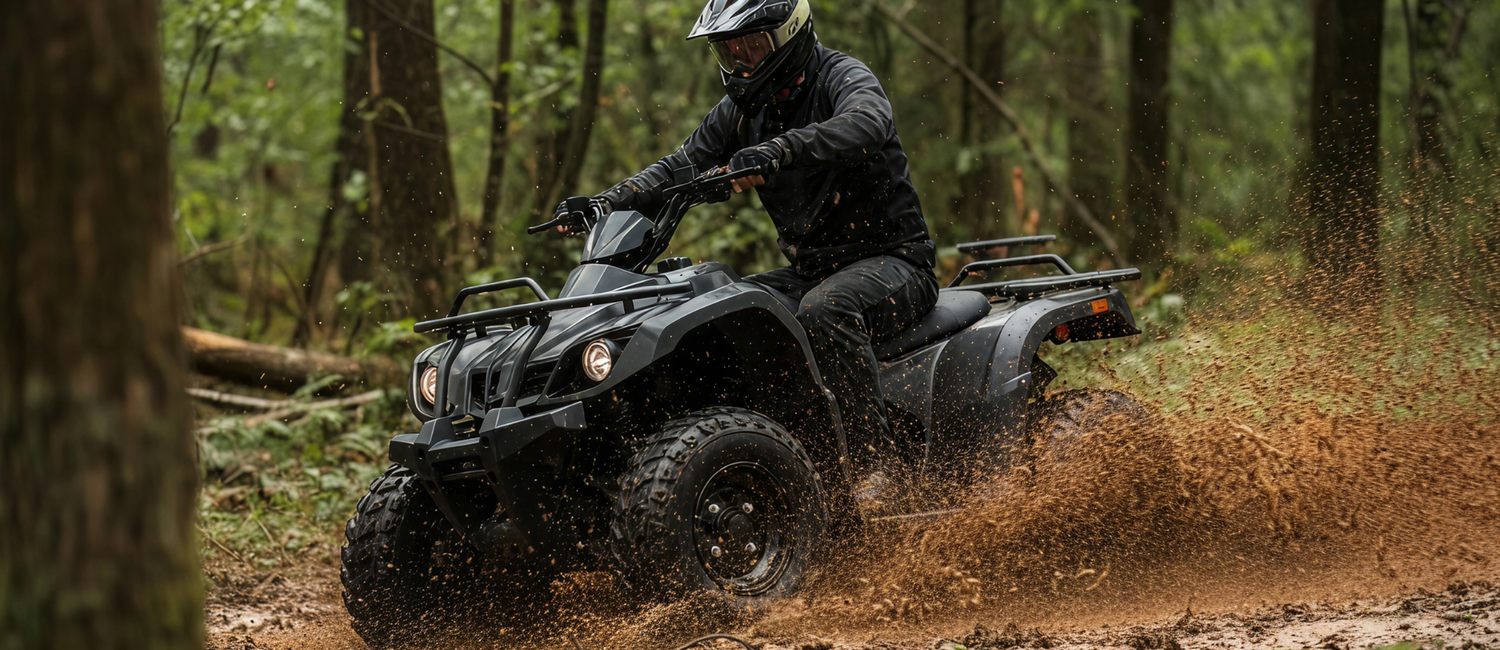
El UTV moderno ha evolucionado mucho más allá de un simple vehículo utilitario. Los side-by-sides actuales, desde el Can-Am Maverick X3 hasta el Polaris RZR Pro R y el Honda Talon, incorporan sofisticados paquetes electrónicos, sistemas de montaje de accesorios, equipos de iluminación, cabrestantes y sistemas de sonido que crean demandas eléctricas muy superiores a las que una motocicleta o un pequeño ATV imponen a una batería.
Al mismo mismo tiempo, las baterías de UTV son físicamente más pequeñas que las baterías de automóviles, lo que crea una situación en la que un side-by-side con muchos accesorios puede sobrecargar su sistema de carga de serie, especialmente en escenarios de uso intenso.
Battery Tender® respalda a los propietarios de UTV en aplicaciones recreativas, utilitarias y competitivas. Esta guía aborda los desafíos eléctricos específicos que presentan los UTV y proporciona soluciones prácticas para mantener la fiabilidad de la batería en condiciones exigentes.
Compre productos Battery Tender para deportes motorizados.
Por qué los UTV son más exigentes con las baterías que los ATV
Mayor carga de accesorios
Un ATV de serie tiene demandas eléctricas relativamente modestas: encendido, iluminación y, quizás, un cabrestante. Un UTV deportivo moderno puede llevar una barra de luces LED que consume entre 15 y 25 amperios, un sistema estéreo de 12 V que consume entre 10 y 20 amperios, un cabrestante de 3.500 libras que consume entre 50 y 100 amperios durante su funcionamiento, equipos electrónicos de GPS/navegación, puertos de carga rápida USB duales y asientos con calefacción, todo ello desde un sistema de batería que puede tener solo entre 20 y 30 Ah de capacidad. El sistema de carga de serie se encarga del funcionamiento normal, pero el uso sostenido de accesorios a bajas RPM (velocidades de ruta) puede agotar la batería más rápido de lo que el alternador la recarga.
Estrés por vibración
Los UTV diseñados para un uso todoterreno agresivo someten todos los componentes, incluida la batería, a importantes cargas de vibración y choque. El crawling en rocas, los saltos en dunas de arena y la conducción en senderos difíciles crean impactos que, con el tiempo, causan daños en las placas de la batería si esta no está correctamente asegurada. Las baterías AGM toleran mejor las vibraciones que los diseños inundados debido a su construcción con electrolito absorbido, y la mayoría de los UTV modernos vienen de fábrica con baterías AGM por esta razón.
Patrones de viaje cortos
El uso de UTV es inherentemente de arranques y paradas: la conducción por senderos implica frecuentes períodos de inactividad, estacionamiento en miradores, operaciones de cabrestante y descansos con el motor apagado. A diferencia de un viaje por carretera en el que el alternador funciona a RPM sostenidas durante una hora, la conducción por senderos en UTV puede implicar muchos arranques y paradas del motor con un tiempo de carga mínimo entre ellos. El efecto acumulativo durante un día largo es una batería progresivamente agotada.
Comprender el sistema de carga de su UTV
Los sistemas de carga de UTV de serie están dimensionados para la carga eléctrica de fábrica con una modesta reserva para accesorios comunes. Polaris, Can-Am y Honda suelen proporcionar entre 13 y 25 amperios de capacidad de carga a las RPM de funcionamiento. Al ralentí o a bajas RPM, la potencia de carga disminuye; algunos UTV producen una potencia de carga mínima por debajo de las 2.000 RPM.
Si su UTV está muy equipado con accesorios, calcule el consumo total de accesorios y compárelo con la potencia de salida del sistema de carga a las RPM de funcionamiento típicas. Si los accesorios consumen más de lo que produce el alternador a velocidades de ruta, la batería se agota lentamente durante un viaje largo, lo que provoca que el vehículo no arranque después de un largo día.
Elección del cargador de batería adecuado para su UTV
Los UTV con baterías AGM de fábrica necesitan un cargador con un perfil de carga adecuado para AGM; los cargadores de plomo-ácido inundados estándar pueden sobrecargar las baterías AGM al suministrar un voltaje excesivo en la etapa de absorción. Todos los cargadores inteligentes Battery Tender manejan correctamente las baterías AGM a través del algoritmo ISM.
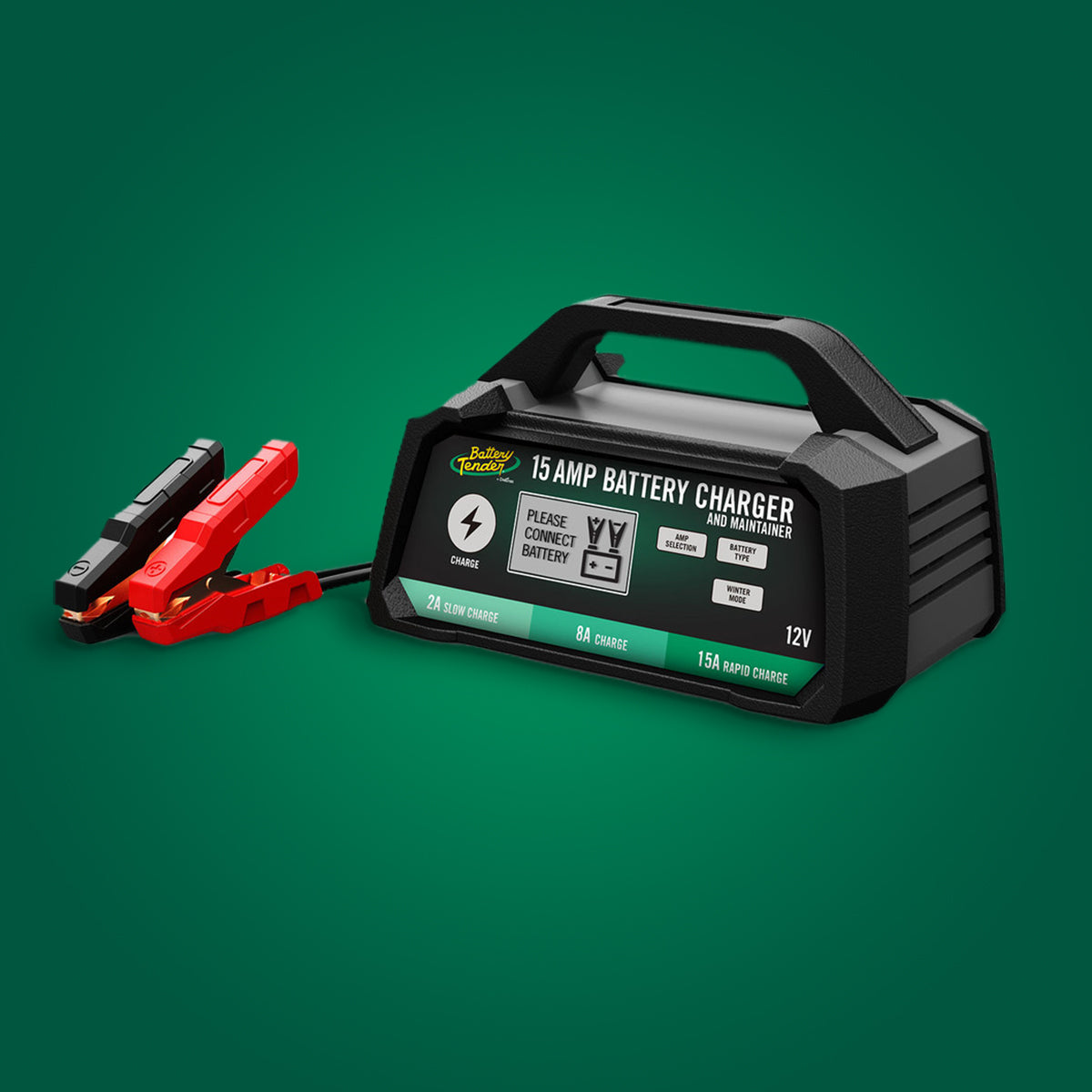
Para UTV recreativos y utilitarios estándar, el Battery Tender Plus de 1.25 AMP proporciona una excelente carga de mantenimiento durante el almacenamiento y entre sesiones de conducción. Para UTV con baterías más grandes de 20-30 Ah o aquellos que se utilizan intensamente en aplicaciones con muchos accesorios, el Power Tender de 4 AMP proporciona una recarga más rápida entre sesiones sin sacrificar el algoritmo de carga inteligente.
Compre el Battery Tender Plus 1.25 AMP 12V (SKU: 021-0128) para mantenimiento nocturno, o el Power Tender de 4 AMP (SKU: 022-0209-BT-WH) para una recuperación más rápida entre días de uso intenso.
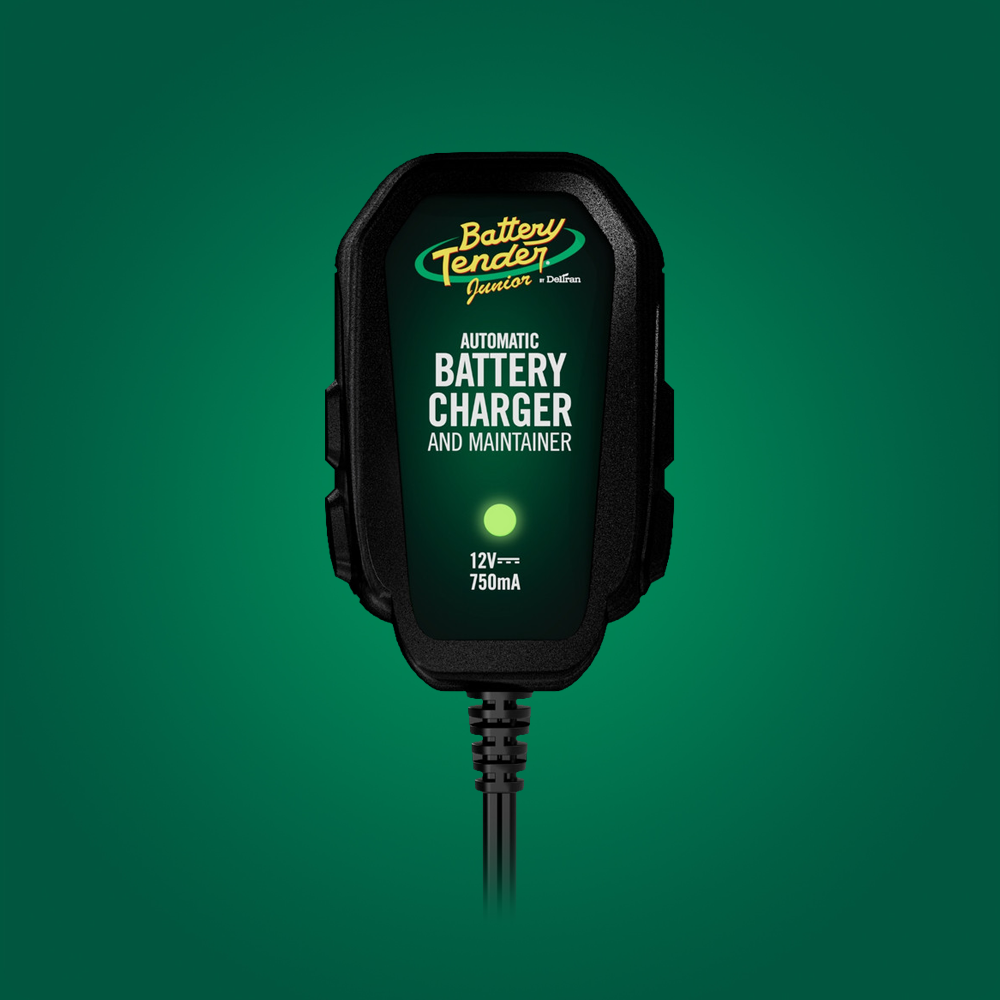
Para UTV con actualizaciones de batería de litio, cada vez más populares en aplicaciones deportivas competitivas, el cargador de química seleccionable proporciona el perfil de voltaje correcto.
Compre el Battery Tender Junior 1 AMP de química seleccionable (SKU: 022-0199-DL-WH) para baterías de UTV de plomo-ácido/AGM o litio.
Gestión de accesorios de alto consumo
Gestión del cabrestante
El funcionamiento del cabrestante es el mayor consumo eléctrico individual en la mayoría de los UTV: un cabrestante de 3.500 lb puede consumir entre 80 y 100 amperios durante un uso intensivo. Con ese consumo de corriente, una batería de 25 Ah se agota en aproximadamente 15 minutos de uso continuo del cabrestante. Las mejores prácticas para el uso del cabrestante son:
- Mantener el motor en marcha a más de 2.000 RPM durante el uso del cabrestante para maximizar la potencia del alternador.
- Usar el cabrestante en tirones cortos en lugar de un funcionamiento continuo sostenido; permitir una breve recuperación entre tirones.
- Considerar una configuración de doble batería con una batería de cabrestante dedicada si las situaciones de recuperación son frecuentes.
Barras de luces
Las barras de luces LED son muy eficientes en comparación con las halógenas, pero las barras de alto lumen aún consumen una corriente significativa. Una barra de LED de 40 pulgadas y 300W consume aproximadamente 25 amperios a 12V, el equivalente a encender el motor de arranque durante un breve instante, excepto de forma continua. Con el motor apagado en el campamento, una barra de luces de 300W agota una batería de 30 Ah en aproximadamente 1.2 horas. Mantenga el motor en marcha cuando use luces de alto consumo durante períodos prolongados.
Sistemas de sonido
Un sistema de sonido UTV amplificado con subwoofer puede consumir entre 15 y 30 amperios a un volumen moderado. A un volumen alto con refuerzo de graves, los picos de corriente pueden ser significativamente mayores. Al igual que la barra de luces, la música prolongada con el motor apagado agota las baterías rápidamente; esta es una de las razones más comunes por las que los UTV no arrancan al final de un día en las dunas.
Almacenamiento estacional y preparación para la primavera
Los UTV que se almacenan estacionalmente, especialmente en climas del norte donde el invierno restringe el acceso todoterreno, enfrentan el mismo riesgo de sulfatación que las motocicletas y los ATV. Conecte un cargador inteligente Battery Tender antes del almacenamiento y déjelo conectado durante todo el período de almacenamiento. Esto evita por completo el daño por sulfatación que hace que los reemplazos de baterías estacionales sean rutinarios para los propietarios que omiten este paso.
Antes del primer viaje de primavera, cárguelo completamente, inspeccione los terminales y considere una prueba de carga si la máquina tiene más de 2 o 3 años. Un UTV que no arranca el primer fin de semana de primavera después de meses de almacenamiento sin carga probablemente ha sufrido una sulfatación prevenible.
Arranque de emergencia para UTV
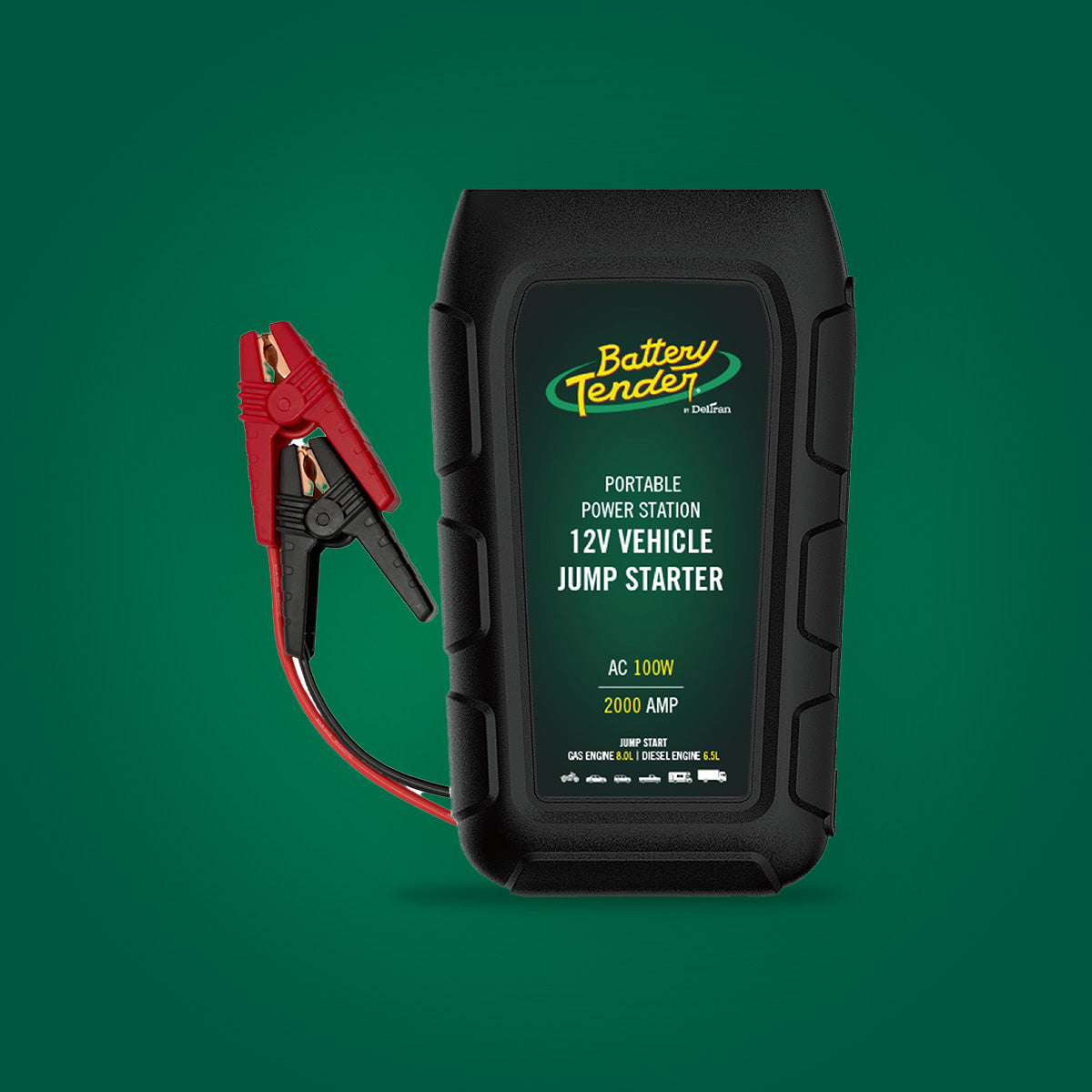
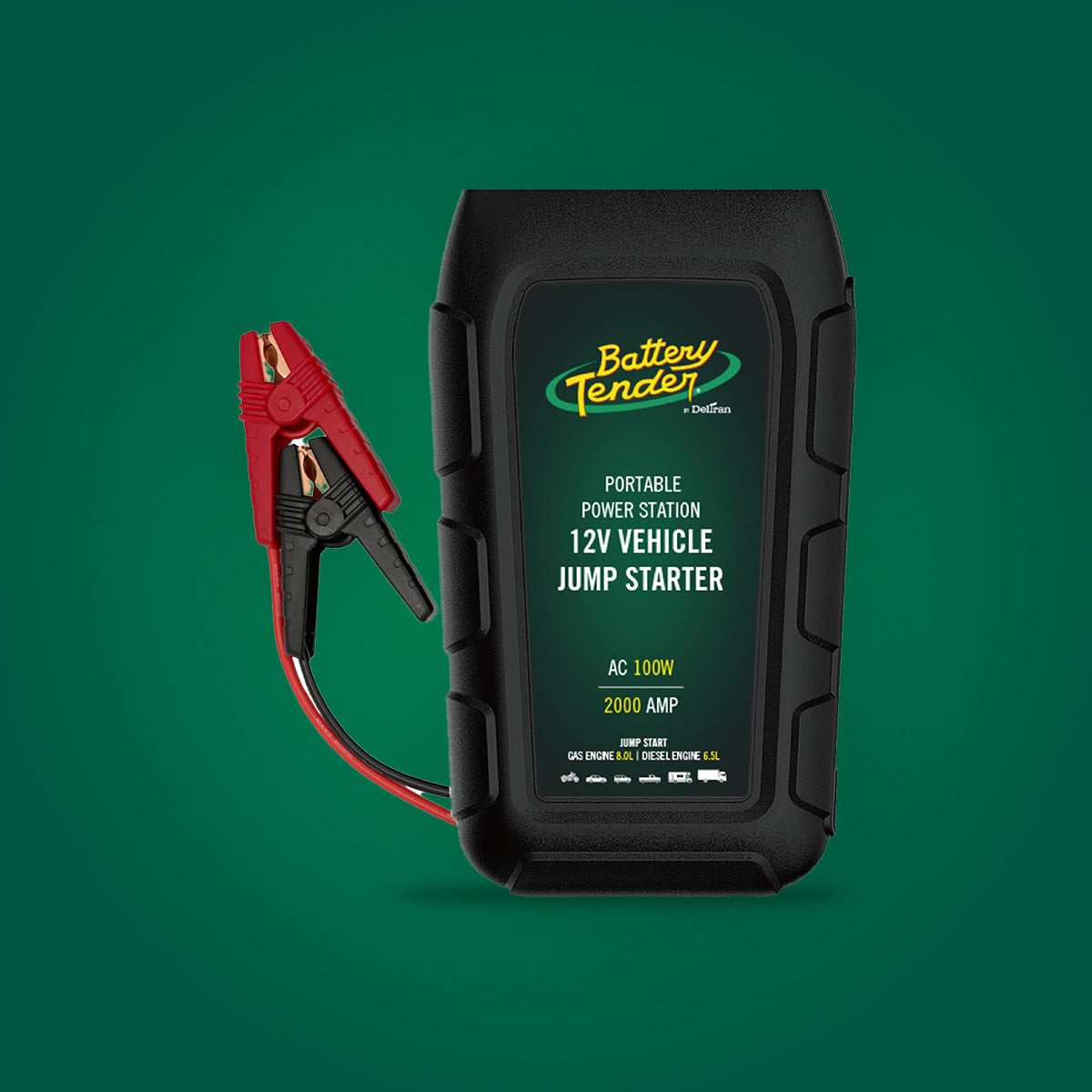
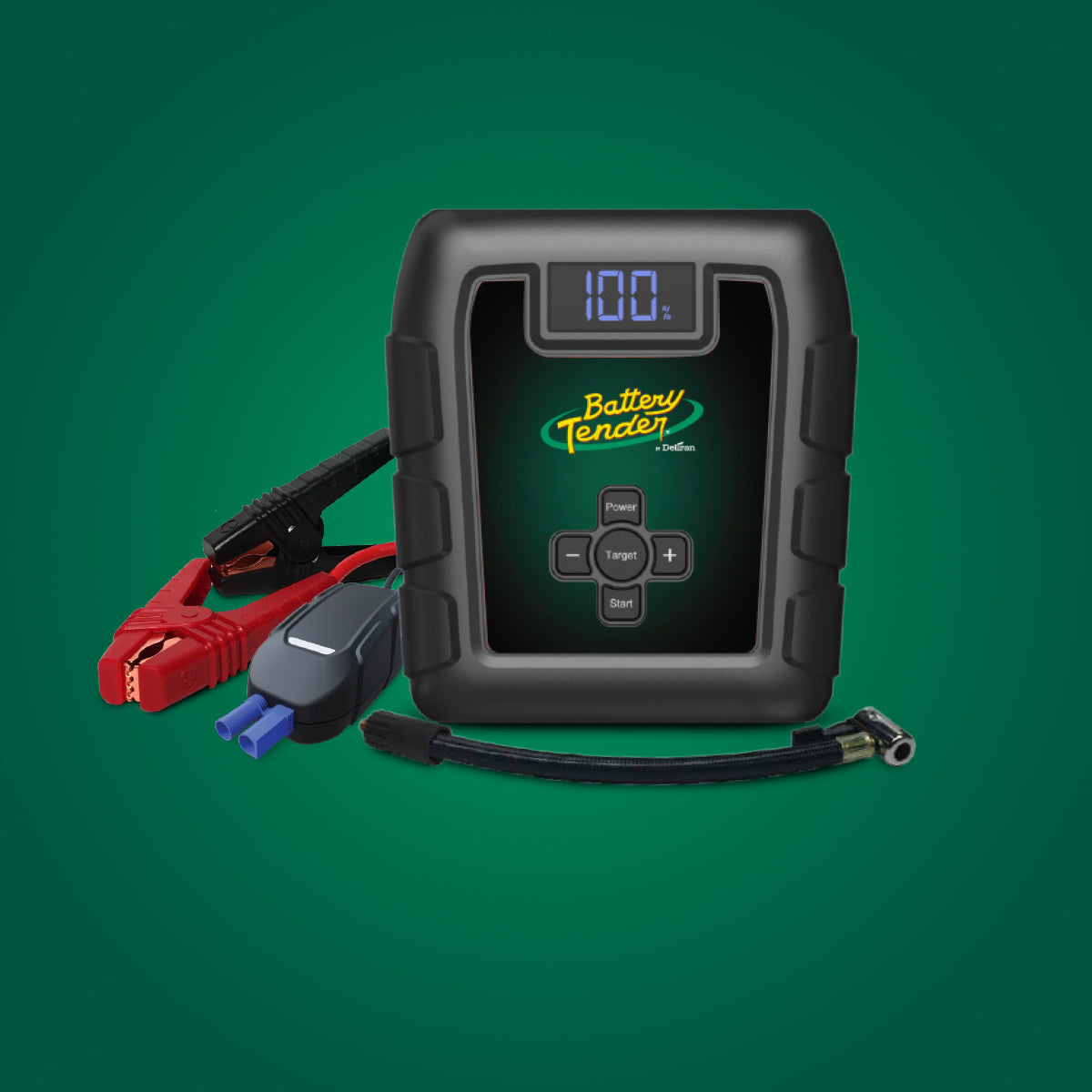
A diferencia de las motocicletas, los UTV son demasiado grandes y pesados para arrancarlos empujando, y a menudo se encuentran en lugares donde otro vehículo no puede acercarse lo suficiente para usar cables de arranque tradicionales. Un arrancador de litio compacto es la solución práctica, lo suficientemente potente como para arrancar el motor del UTV desde el compartimiento de almacenamiento del vehículo sin ninguna ayuda externa.
El Charge N Start 1120 proporciona 1200 amperios de capacidad de arranque de emergencia, suficiente para cualquier motor de UTV actualmente en el mercado, combinado con un cargador inteligente de 1 amperio incorporado para el mantenimiento entre viajes.
Explore el Charge N Start 1120 (SKU: 030-7012-WH), el cargador de mantenimiento 2 en 1 y arrancador de emergencia para el día de ruta para propietarios de UTV.
Preguntas frecuentes
¿Puedo actualizar a una batería más grande en mi UTV?
En la mayoría de los casos, sí, si la batería más grande encaja físicamente y tiene un diseño de terminales compatible. Una batería con mayor capacidad de Ah maneja mejor las cargas sostenidas de accesorios. Verifique que las dimensiones físicas coincidan con la bandeja de la batería, confirme que la posición de los terminales sea compatible y asegúrese de que el hardware de sujeción pueda asegurar la batería, que puede ser más pesada.
¿Por qué se agota constantemente la batería de mi UTV en las dunas de arena?
El uso prolongado de accesorios con el motor apagado es la causa más común. Las barras de luces, los sistemas de sonido y la iluminación de camping consumen una corriente significativa de la batería sin que el alternador la recargue. Encienda el motor periódicamente para recargar, limite el uso de accesorios con el motor apagado o invierta en un cargador solar para un uso prolongado en el campamento.
¿Con qué frecuencia debo cargar la batería de mi UTV si lo uso cada fin de semana?
Si conduce varias horas cada fin de semana y el vehículo arranca fácilmente después de cada sesión, es posible que el alternador esté funcionando correctamente. Conecte un cargador inteligente durante la noche durante la semana si se aplica alguna de las siguientes condiciones: los paseos implican un uso intensivo de accesorios, la máquina permanece inactiva 4 o más días entre paseos, o el rendimiento del arranque ha sido lento en algún momento.
¿Es mejor una batería AGM que una de litio para un UTV?
Para uso recreativo utilitario, la AGM ofrece un rendimiento excelente, fiabilidad en todo tipo de clima y un costo más bajo. Para uso deportivo de rendimiento donde la reducción de peso es importante, la significativa ventaja de peso del litio es relevante. El litio requiere un cargador compatible y cuesta 2-3 veces más por adelantado, pero ofrece una vida útil más larga y un voltaje más constante a través de una descarga profunda.
Conclusión
Los sistemas eléctricos de los UTV soportan más carga que cualquier otra categoría de vehículos Powersports, y lo hacen con una batería relativamente pequeña, en condiciones que estresan todos los componentes.
Comprender el equilibrio eléctrico de su máquina, gestionar de forma inteligente los accesorios de alto consumo y mantener la batería con un cargador inteligente entre sesiones es la fórmula para un UTV que arranca de forma fiable cada vez que lo necesita y funciona durante todo el día.
Compre la línea completa de cargadores de batería para deportes motorizados.