


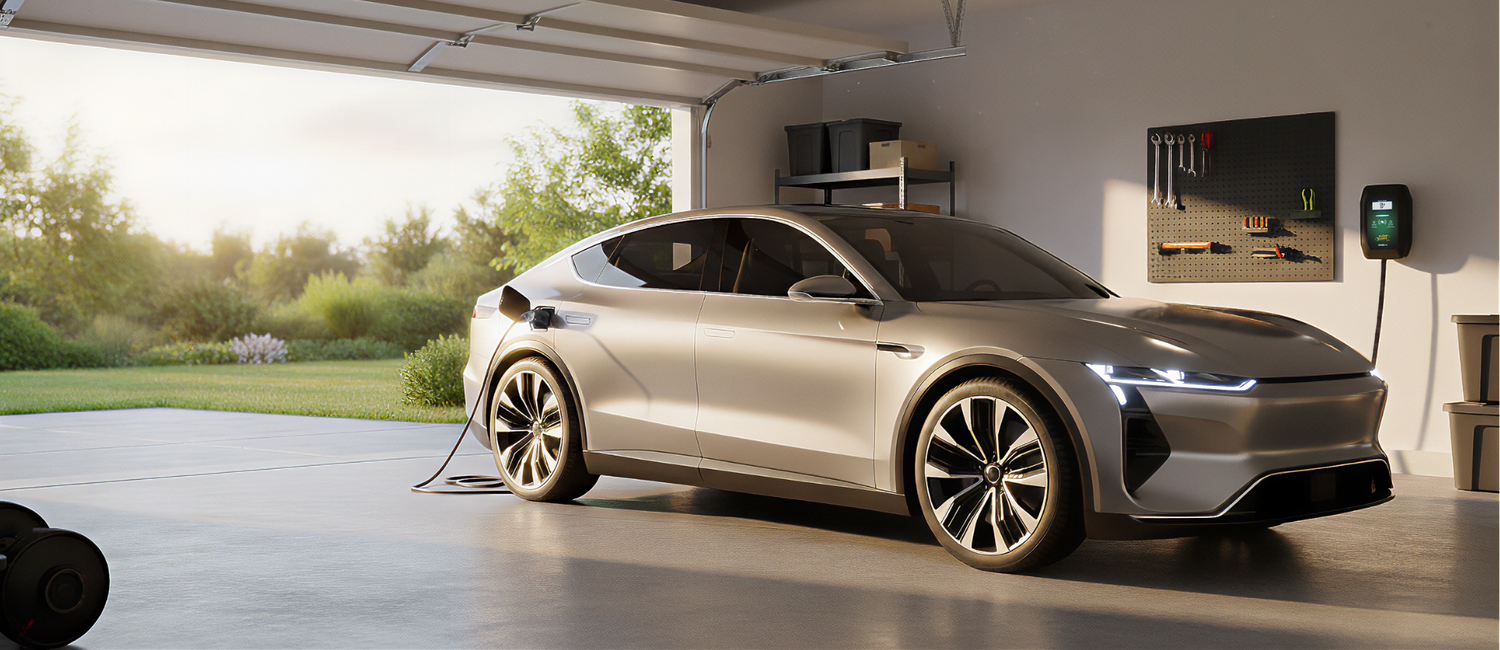
EV Home Charging Setup: The Complete First-Timer's Guide
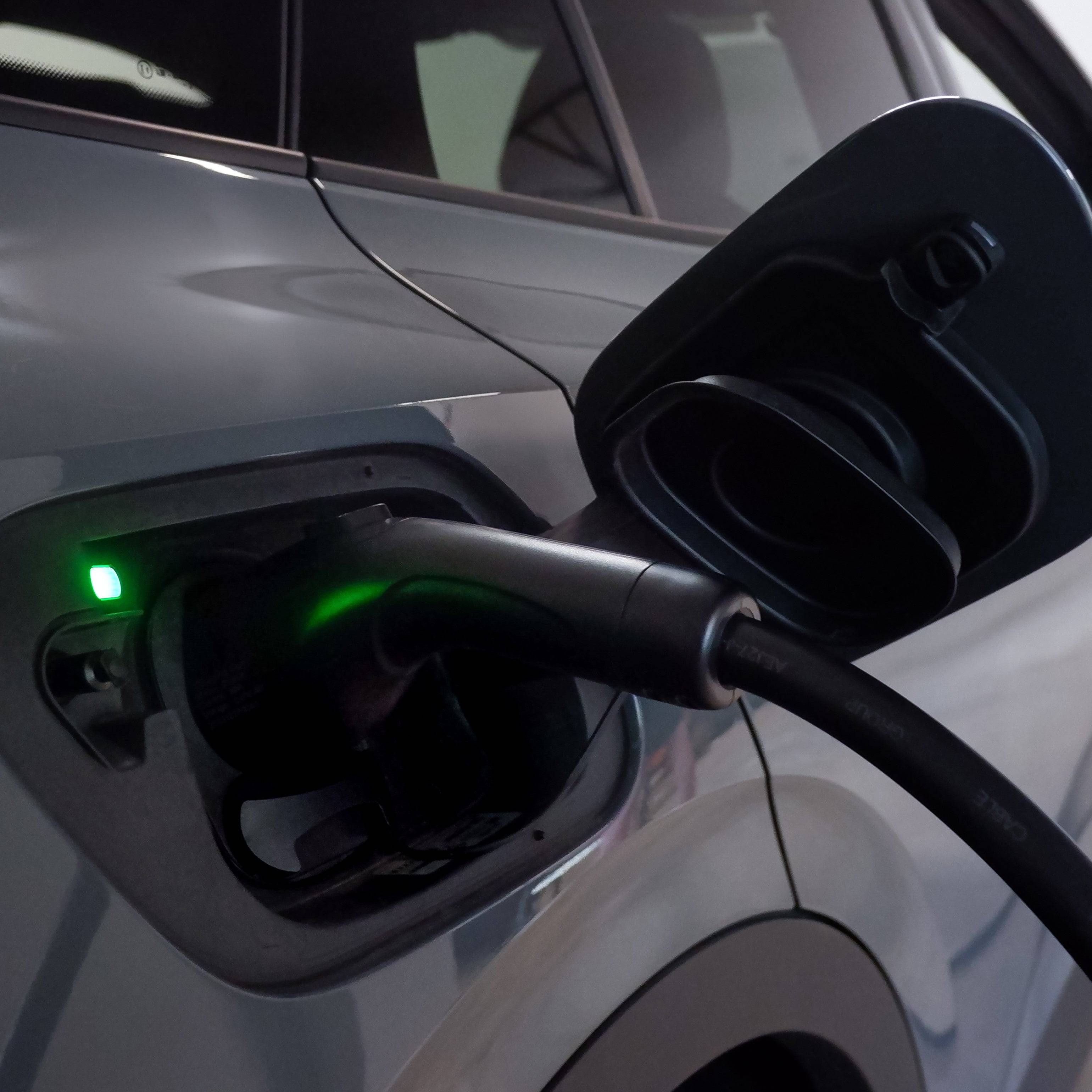
Buying your first electric vehicle changes how you think about fueling. Instead of stopping at a gas station twice a week, you plug in at home each night and wake up to a full battery every morning. That shift is one of the most satisfying parts of EV ownership — but only if your ev home charging setup is matched correctly to your vehicle, your driving habits, and your garage or parking situation. This guide walks you through every decision you need to make, from choosing between Level 1 and Level 2 charging to selecting the right charger for your circuit, understanding electrical requirements, and maintaining the 12V auxiliary battery that most new EV owners overlook entirely.
Do You Actually Need a Level 2 Charger?
The honest answer is: not always. Every electric vehicle ships with a portable charging cable that works on a standard 120V household outlet. This is called Level 1 charging, and it delivers approximately 3 to 5 miles of range per hour. That number sounds modest, but run the math on your actual daily driving before assuming it is insufficient.
If you drive 35 miles per day and plug in when you arrive home, eight to ten hours of Level 1 charging recovers 30 to 50 miles of range — enough to fully replenish a typical daily commute. For drivers who park near an outlet, commute under 40 miles daily, and have a predictable overnight charging window, Level 1 is genuinely adequate. There is no upgrade required.
Level 2 becomes the right investment when any of the following apply: you drive more than 50 miles per day, your vehicle has a larger battery pack (60 kWh or more), you want the flexibility to fully recover the battery overnight after a long-distance drive, or you simply value the convenience of a battery that is always at 100% regardless of when you plugged in. Level 2 also becomes essential in households with two EVs sharing a single overnight charging window.
Level 2 Charging: What the Numbers Actually Mean
Level 2 chargers operate on 240V circuits — the same voltage used by electric dryers, ranges, and water heaters — and deliver between 20 and 44 miles of range per hour depending on the charger's output amperage and the vehicle's onboard charger acceptance rate. Most modern EVs accept between 32 and 48 amps of AC charging current, which translates to roughly 7.7 kW to 11.5 kW of power delivery.
At those rates, an EV with a 75 kWh battery pack charges from 20% to 80% in approximately four to six hours. That means regardless of how depleted the battery is when you plug in at 10 PM, the vehicle is fully charged well before your 7 AM departure. The psychological benefit of that consistency is underrated — you stop thinking about charging entirely because the problem solves itself overnight.
The limiting factors are the charger's rated amperage, the dedicated circuit in your home, and the vehicle's acceptance rate. A 48-amp charger on a 60-amp circuit delivers maximum speed for any vehicle that can accept it. A 32-amp charger on a 40-amp circuit is the most common residential installation and handles the vast majority of EVs sold today with ease.
Understanding Circuits and Electrical Requirements
Every Level 2 charger requires a dedicated 240V circuit. The National Electrical Code requires that circuit to be rated at 125% of the charger's continuous draw — meaning a 32-amp charger requires a 40-amp dedicated circuit, and a 48-amp charger requires a 60-amp dedicated circuit. These circuits terminate in either a hardwired connection or a NEMA outlet at the charging location.
The most common outlet type for portable Level 2 chargers is the NEMA 14-50, a four-prong 50-amp receptacle found in most garages that already have an electric dryer or range connection nearby. If your garage does not have an existing 240V outlet, a licensed electrician will need to run a new circuit from your main panel. The cost varies by panel capacity and the distance of the run, but most residential installations complete in a single day.
Before scheduling an electrical upgrade, check your main panel's available capacity. Older panels rated at 100 amps may have limited headroom for a new 40- or 60-amp circuit, particularly in homes with electric HVAC, electric water heating, or other large loads. A panel assessment by a licensed electrician resolves this question definitively and is worth the service call before purchasing equipment.
The Battery Tender® EV Charger Lineup: Four Options for Every Setup
Battery Tender offers a complete four-charger lineup covering every residential charging scenario, from apartment dwellers using standard outlets to homeowners who want the fastest possible overnight charge from a wall-mounted unit.
The Battery Tender eCharge 16 AMP Level 1 Portable EV Charger is the entry point for drivers whose daily driving is modest and whose garage already has a standard 120V outlet. It is purpose-built for Level 1 use and delivers reliable, consistent charging for commuters who cover less than 40 miles per day. The portable format means it travels with the vehicle, providing charging access from any standard outlet at a destination.
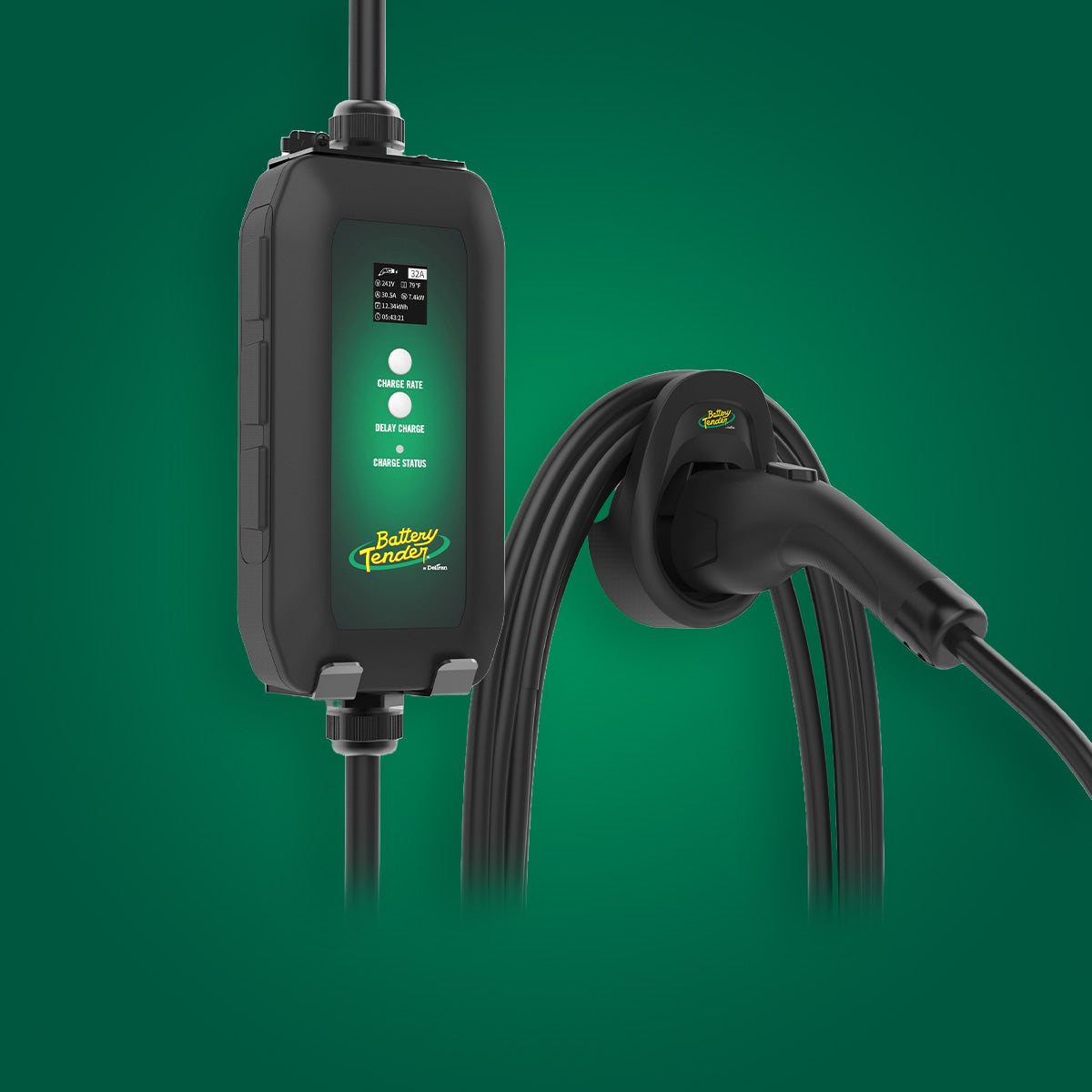
The Battery Tender eCharge 32 AMP Level 1+2 Portable EV Charger is the ideal first Level 2 upgrade for most homeowners. It operates on both 120V and 240V circuits, which means it delivers Level 1 capability from a standard outlet and full Level 2 speed — up to 25 miles of range per hour — from any NEMA 14-50 receptacle. No hardwiring is required. If you already have a NEMA 14-50 outlet in your garage or if your electrician installs one, this charger is operational the same day. The dual-voltage design also makes it valuable as a portable backup unit for travel, giving you Level 2 speed at campgrounds, RV parks, and any location with a compatible outlet. Also available at Costco.com.
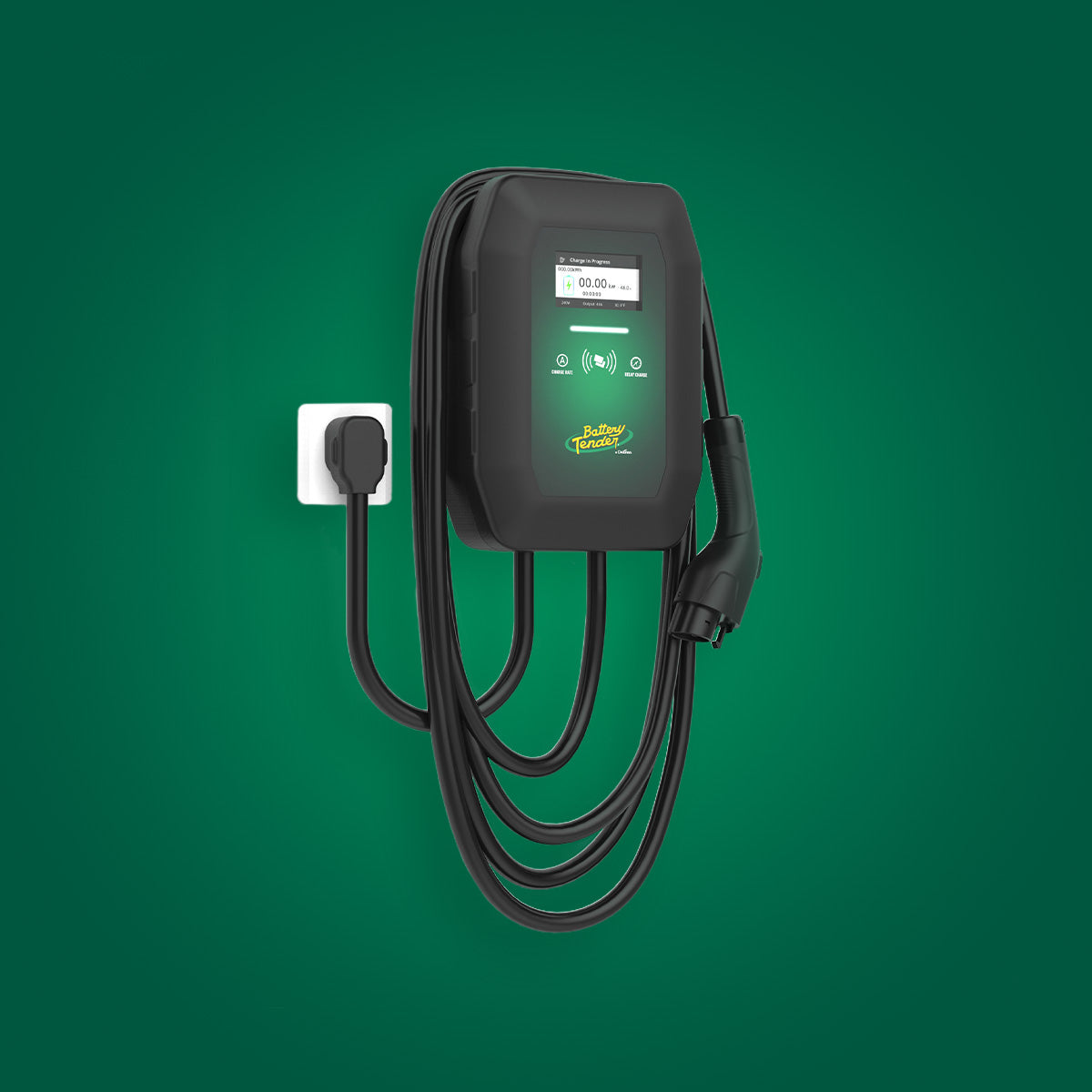
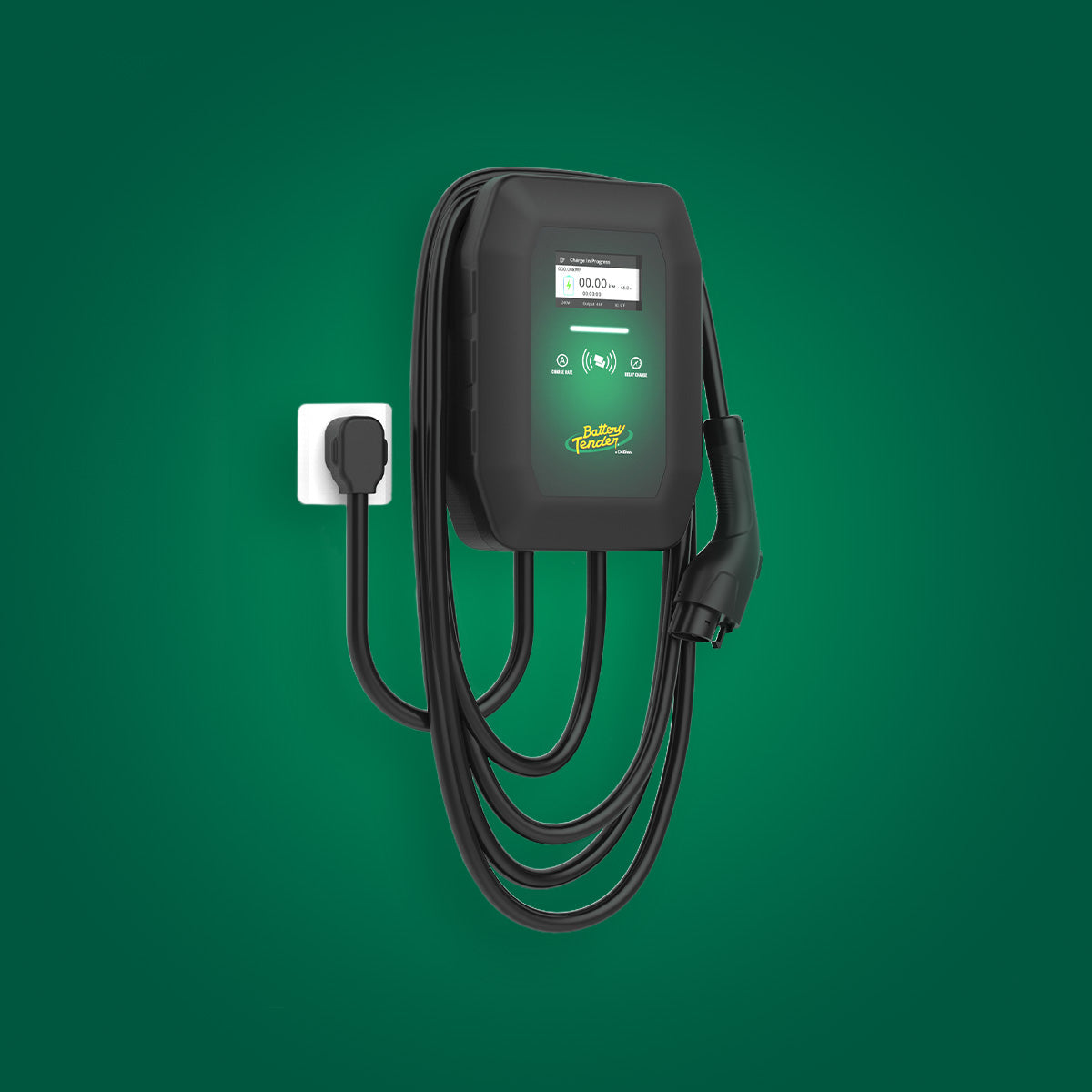
The Battery Tender eCharge 40 AMP Level 2 Mountable EV Charger steps up the output for households with vehicles that accept higher charge rates or drivers who want the fastest possible Level 2 charge from a permanently installed unit. At 40 amps on a dedicated 50-amp circuit, this charger delivers approximately 9.6 kW of continuous power, recovering most mid-size EV battery packs fully in under five hours. The wall-mount design keeps cables organized, weatherproofing is built in for garage installations, and the fixed format eliminates the friction of connecting and disconnecting a portable unit each evening. Also available at Costco.com.
For households with the largest modern battery packs — 100 kWh and above — or drivers who want to future-proof their installation against higher-capacity vehicles, the Battery Tender eCharge 48 AMP Level 2 EV Charger is the top of the lineup. At 48 amps on a dedicated 60-amp circuit, it delivers up to 11.5 kW of power, pushing overnight charge rates as high as 44 miles of range per hour. This is the correct choice for vehicles like the Rivian R1T, GMC Hummer EV, Ford F-150 Lightning, and any EV rated to accept 11 kW or more of AC charging. It is also the right choice for two-vehicle households where both cars share a single charger and maximizing charge speed reduces the window of potential conflict.
The 12V Auxiliary Battery: The Maintenance Item Every EV Owner Misses
Every electric vehicle — without exception — contains a conventional 12V lead-acid or lithium auxiliary battery. This battery powers the vehicle's low-voltage systems: door locks, windows, the infotainment display, exterior lights, and the high-voltage contactors that connect the main traction battery to the drive system. If the 12V battery depletes, the vehicle will not start, will not charge, and in many cases will not unlock.
EV manufacturers typically size the 12V battery conservatively and program the vehicle's BMS to trickle-charge it from the main pack during normal use. But if the vehicle sits unused for an extended period — a week or more without driving or active charging — the 12V battery can deplete below the threshold required to activate the high-voltage system. This is particularly common with infrequent-use vehicles, vehicles stored during winter, or second EVs in a household that primarily drives the other car.
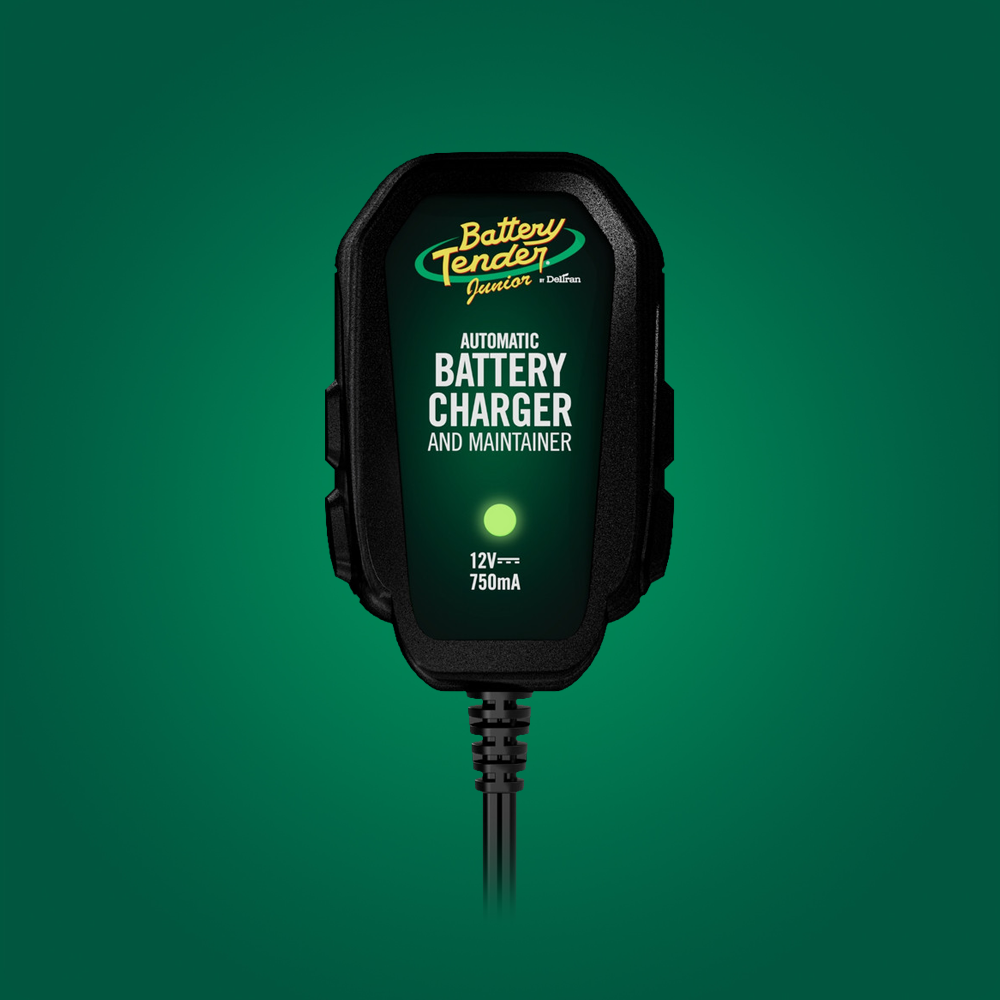
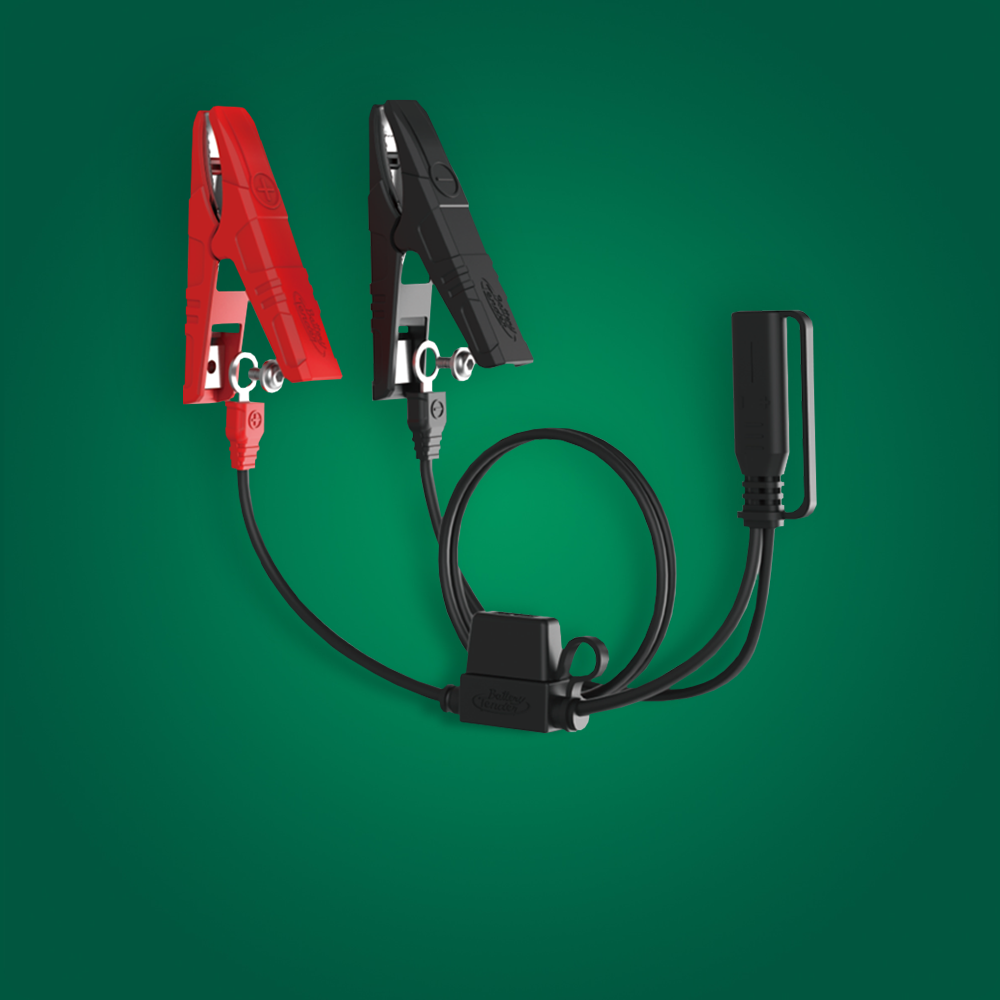
The solution is straightforward: connect the Battery Tender Plus 12V 1.25A to the 12V battery terminals whenever the vehicle will sit unused for more than a few days. The Battery Tender Plus applies a fully automatic four-stage charge cycle — desulfation, bulk charge, absorption, and float maintenance — that keeps the 12V battery at full charge indefinitely without overcharging. This is the same charger that has been the standard for conventional vehicle battery maintenance for decades, and it works identically on EV auxiliary batteries.
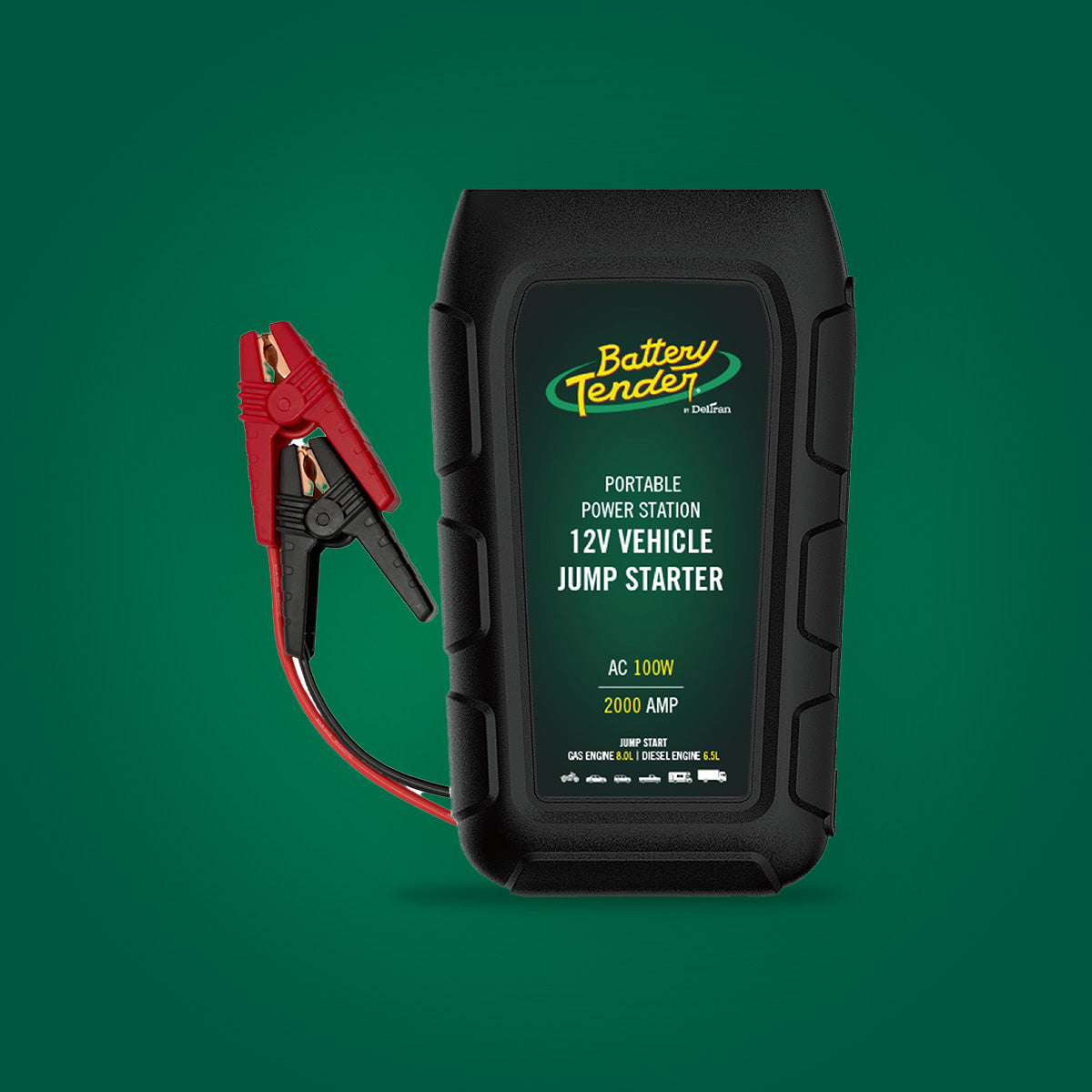
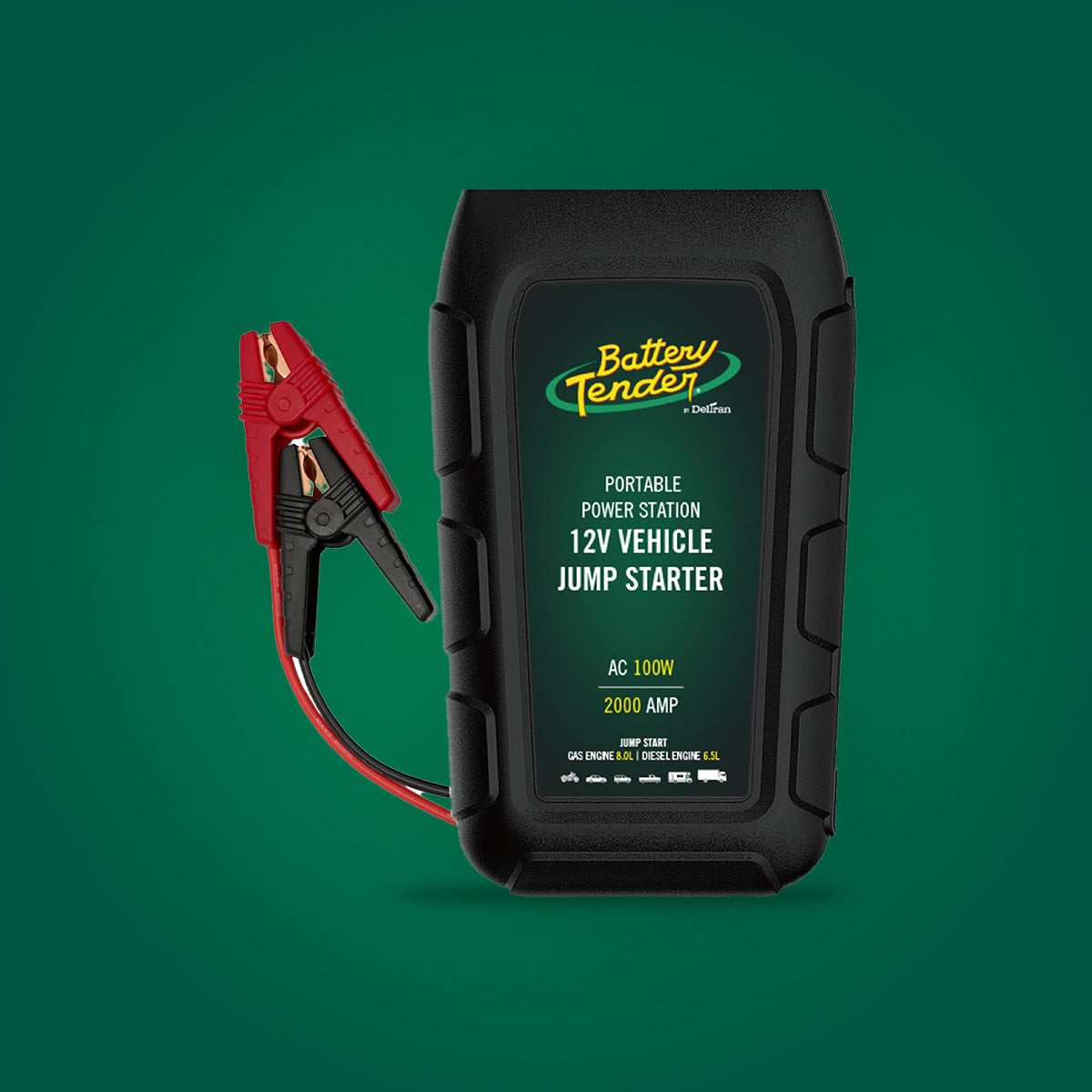
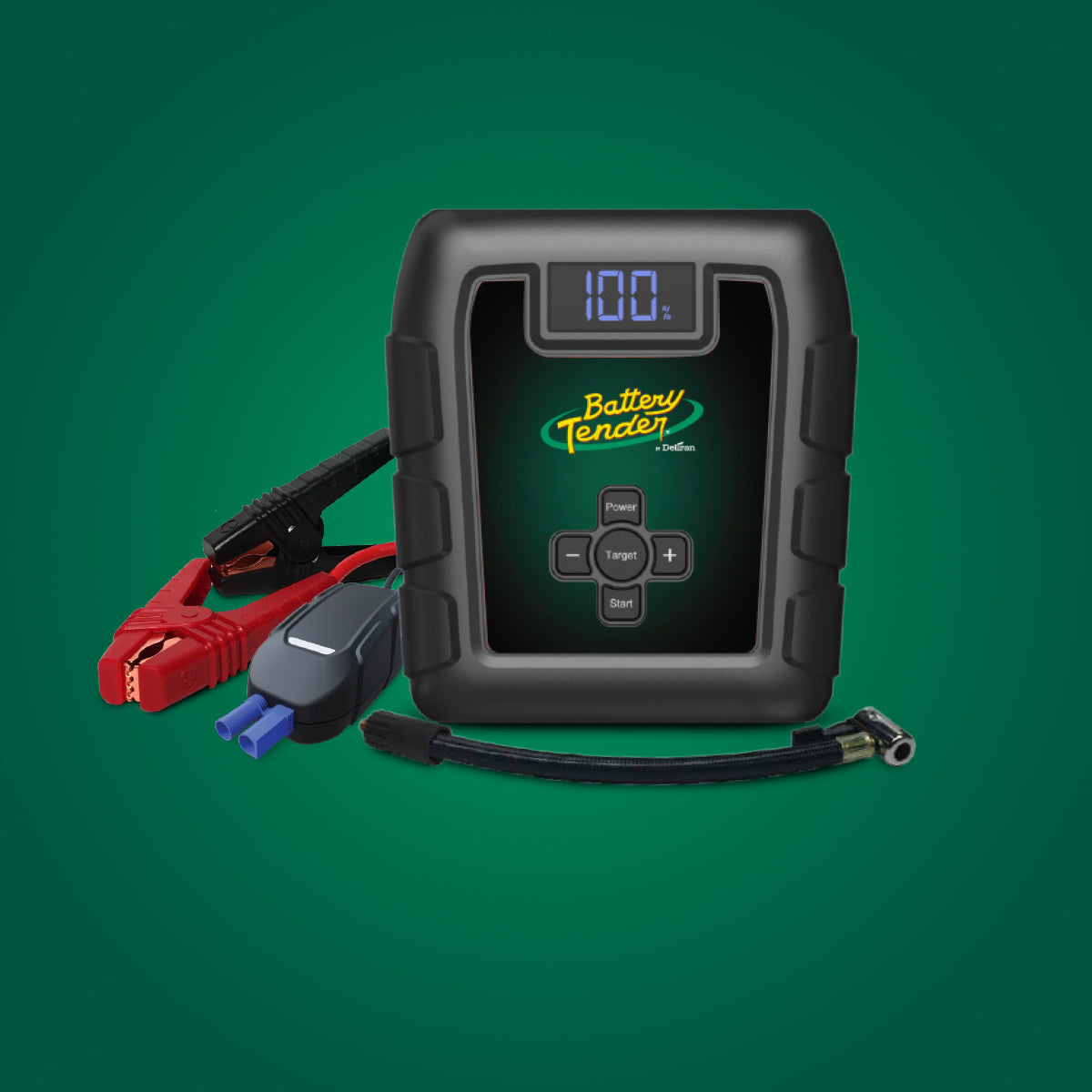
For emergency situations where the 12V battery has already depleted, the Battery Tender 800 AMP Jump Starter provides the current needed to restore the 12V system and get the vehicle charging again. Unlike traditional jump-starting from another vehicle, the portable jump starter does not require a second car and works safely in a closed garage.
Planning Your Installation: A Practical Checklist
Before purchasing a charger, work through this sequence to avoid surprises:
- Calculate your daily mileage. If you consistently drive under 40 miles per day, Level 1 may be sufficient. Above 50 miles, budget for Level 2.
- Check your vehicle's onboard charger rating. This is listed in the owner's manual under charging specifications. A vehicle rated for 7.2 kW accepts 32 amps. A vehicle rated for 11.5 kW benefits from a 48-amp charger.
- Inspect your main panel. Confirm available breaker slots and total capacity before deciding between a 40-amp and 60-amp circuit installation.
- Assess your parking situation. Garage with existing 240V outlet: the 32-amp portable charger is operational immediately. No existing 240V outlet: schedule an electrician before purchasing the charger.
- Decide between portable and hardwired. Portable chargers offer flexibility and travel utility. Hardwired or wall-mounted units offer cleaner installation and in some cases higher amperage output.
- Plan for the 12V battery. Purchase a Battery Tender Plus at the same time as your EV charger. It is inexpensive insurance against a common and frustrating failure mode.
Frequently Asked Questions About EV Home Charging Setup
Can I plug a Level 2 charger into an extension cord?
No. Level 2 chargers draw sustained high current that standard extension cords are not rated to handle safely. The charger must connect directly to a properly rated outlet or hardwired connection. Using an extension cord creates a fire risk and will likely trigger the charger's built-in protection to shut down the session.
How long does a Level 2 charger installation take?
A straightforward installation — new NEMA 14-50 outlet on an existing accessible circuit, or a short new circuit run from a panel with available capacity — typically takes three to five hours for a licensed electrician. More complex runs through finished walls or panel upgrades may require a full day or a scheduled return visit.
Does charging at home increase my electric bill significantly?
On average, charging an EV at home costs the equivalent of $1.00 to $1.50 per gallon of gasoline when calculated against electricity rates and miles driven. Most households see a meaningful reduction in total transportation fuel cost after switching to home charging. Time-of-use electricity rate plans, available from most utilities, allow you to charge during off-peak hours at reduced rates — typically scheduling overnight charging to begin after 11 PM.
Is it safe to leave the charger plugged in all night?
Yes. All Battery Tender EV chargers include built-in safety protections — ground fault detection, over-temperature protection, and automatic session management. Modern EVs also manage the charge session actively through the onboard battery management system, stopping current flow at the programmed state of charge target. Leaving the vehicle plugged in overnight is the standard and recommended usage pattern.
What is the difference between a 32-amp and 48-amp charger in real-world use?
For most vehicles with onboard chargers rated at 7.2 kW (32 amps), there is no practical difference — both chargers fully charge the vehicle overnight and the 48-amp unit simply waits at the vehicle's acceptance limit. For vehicles rated at 9.6 kW or 11.5 kW, the 48-amp charger delivers noticeably faster charging. If you own or plan to purchase a vehicle with a higher-capacity onboard charger, the 48-amp unit is the future-proof choice.
Do I need a special outlet for the Battery Tender portable chargers?
The Battery Tender eCharge 32 AMP and similar portable Level 2 chargers use a standard NEMA 14-50 outlet — the same four-prong receptacle found on electric dryer and range circuits. If your garage already has one, no additional installation is required. If not, a licensed electrician can install a NEMA 14-50 outlet on a new dedicated 40-amp circuit in most cases during a single service call.
Conclusion
A properly planned ev home charging setup removes one of the few remaining friction points in EV ownership. Choose the charger that matches your actual daily mileage and your vehicle's acceptance rate — whether that is the portable 32-amp dual-voltage unit for immediate NEMA 14-50 compatibility, the 40-amp wall-mount for a clean permanent installation, or the 48-amp unit for maximum speed with today's largest battery packs. Add a Battery Tender Plus to the kit for 12V auxiliary battery maintenance, and your home charging system is complete, reliable, and built to handle every EV you will ever own.
Related guides: Electric Vehicle Charging Station Installation Guide: Home Level 2 Complete · EV 12V Auxiliary Battery Maintenance · More EV charging guides