




Cart Charger Guide: Match Voltage, Chemistry & Amps (2026)
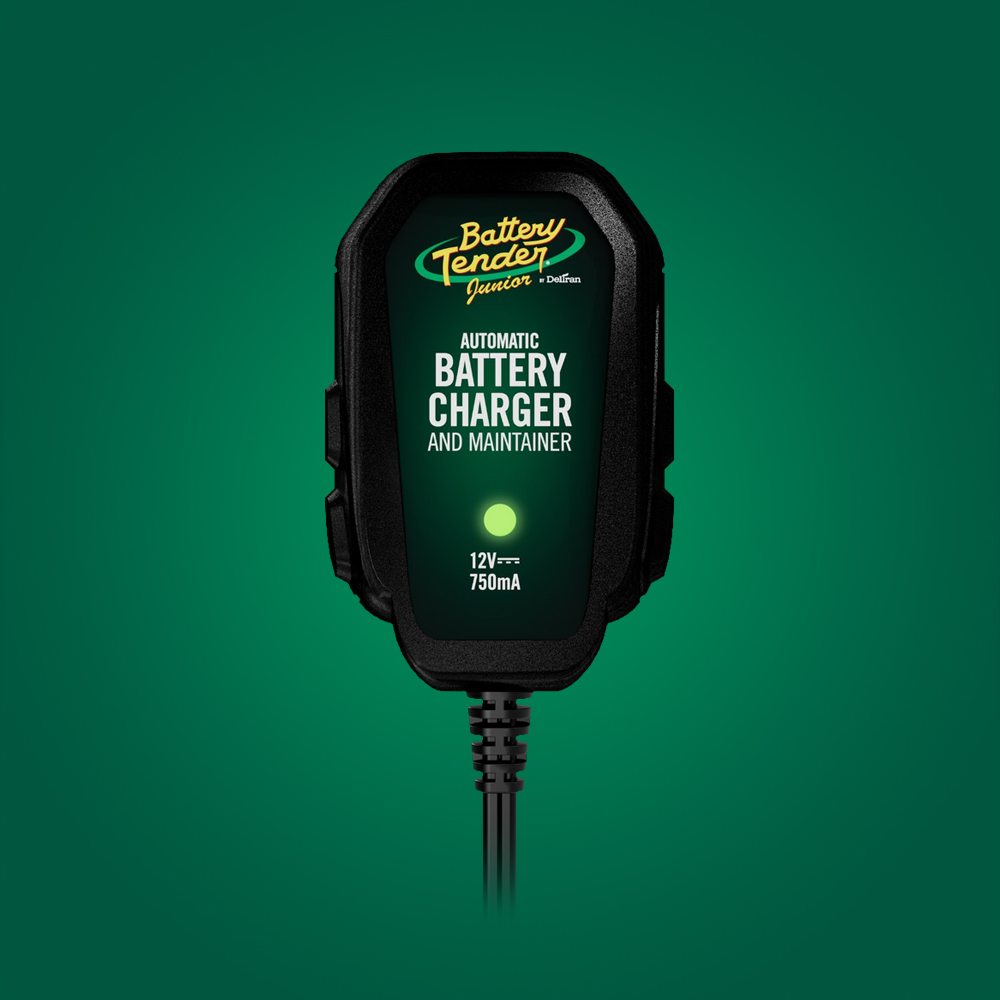
A cart charger must match the cart's battery voltage, chemistry, and amp-hour capacity. For the 12V starting, accessory, and deep-cycle batteries in gas golf carts, utility carts, and small electric carts, a Battery Tender® smart maintainer using Infinite Sequential Monitoring (ISM) is the right type of charger. Traction packs at 36V or 48V need a charger built for that voltage.
The Battery Tender brand pioneered smart charging in 1989, and the core lesson from that work still applies: batteries in carts fail early from undercharging, overcharging, and long idle periods, not from hard use. A cart parked in a shed from November to March can lose 5-10% of its charge per month on a 12V lead-acid battery. This guide shows how to identify the battery system, size the charger with simple math, and connect it safely.
Key Takeaways
- Check system voltage first: 6V, 8V, and 12V batteries are wired in series to make 36V and 48V packs, and a 12V charger cannot charge those packs.
- Size the charger with this formula: (battery Ah × depth of discharge) ÷ charger amps = approximate hours.
- ISM charging runs four stages and is safe to leave connected indefinitely. Conventional trickle chargers push constant current and can overcharge.
- Battery Tender Plus chargers include temperature compensation, which adjusts charge voltage automatically in unheated sheds and garages.
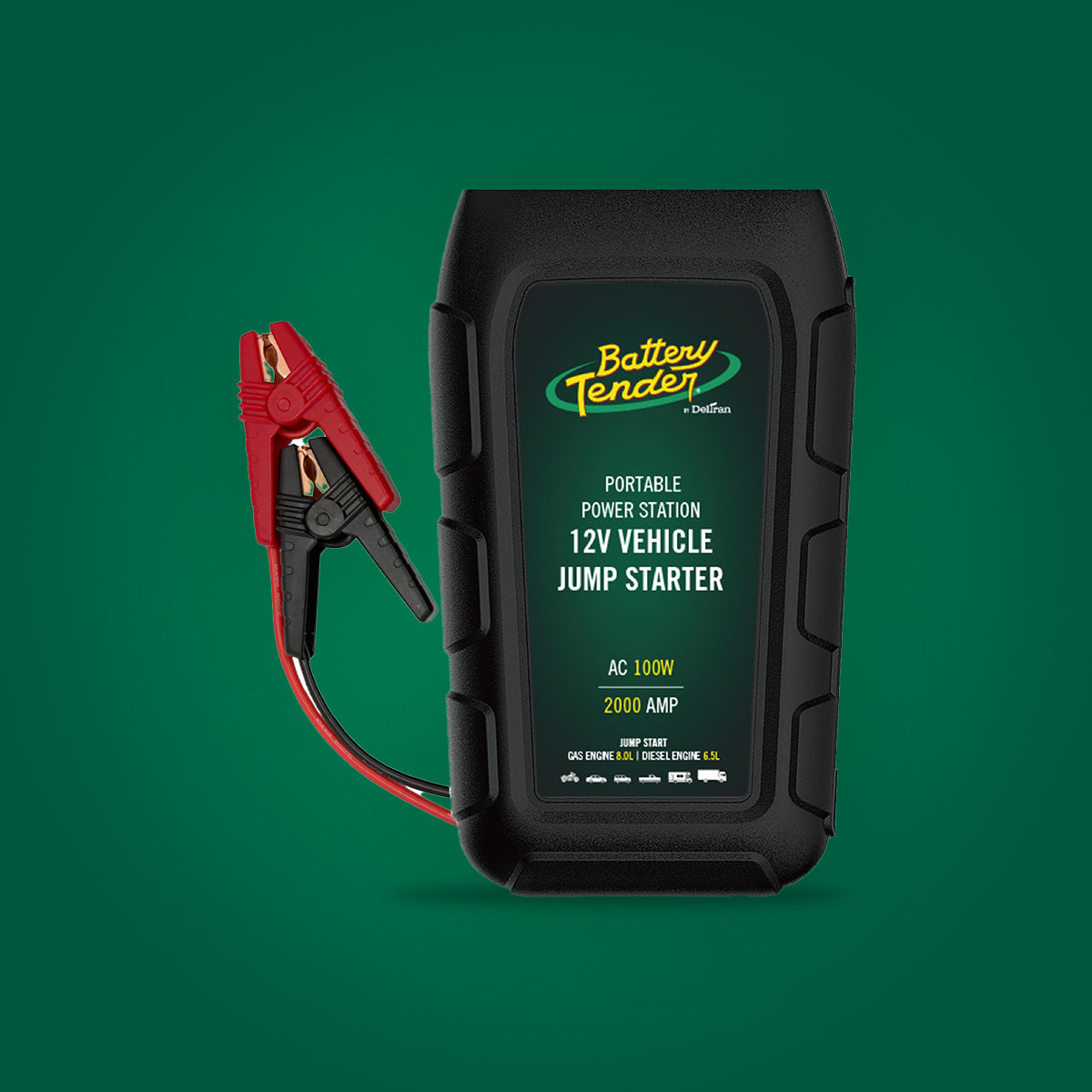
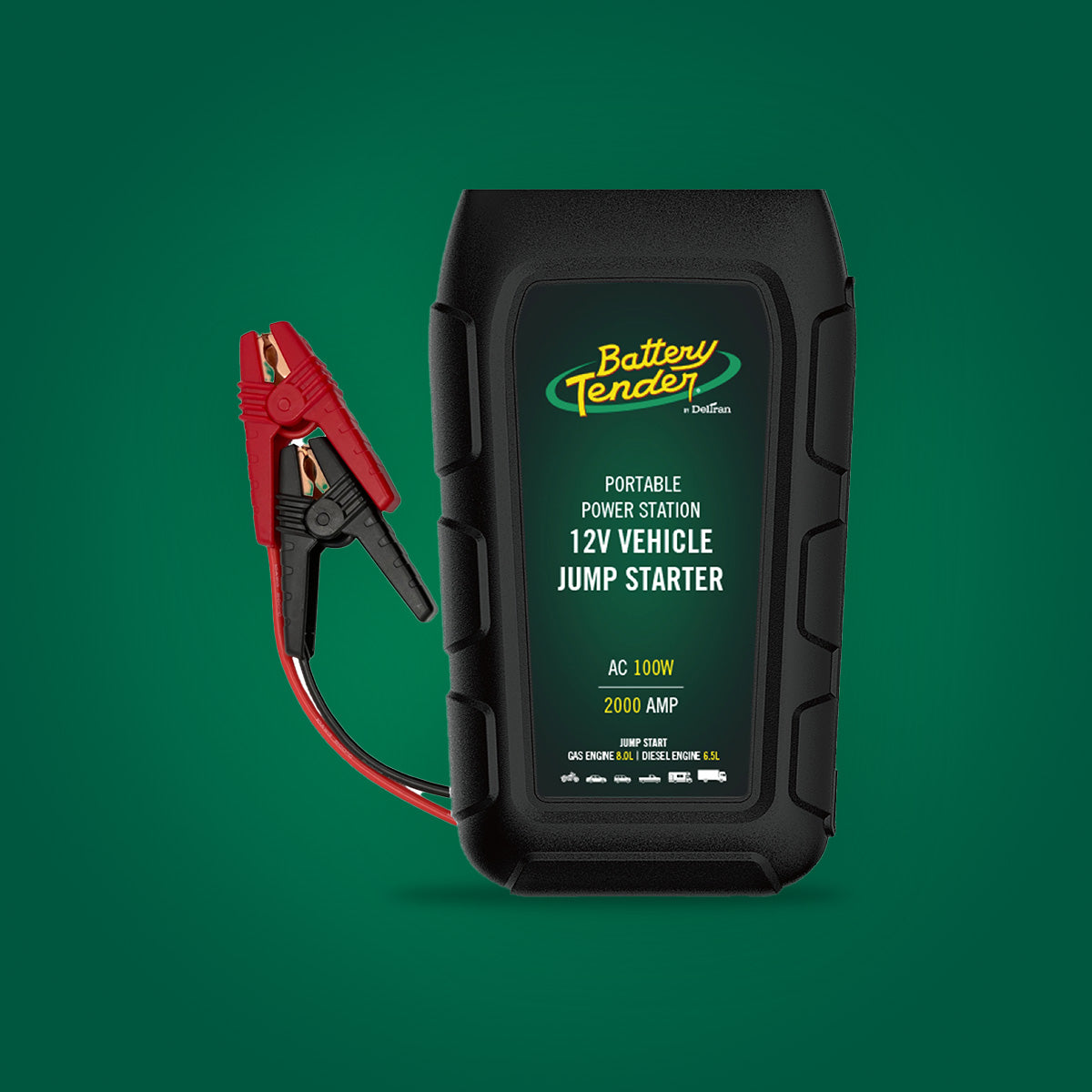
- Keep a portable jump starter on the cart or in the truck for the day a battery is already too low to charge normally.
What Is a Cart Charger, and Which Battery Does Your Cart Use?
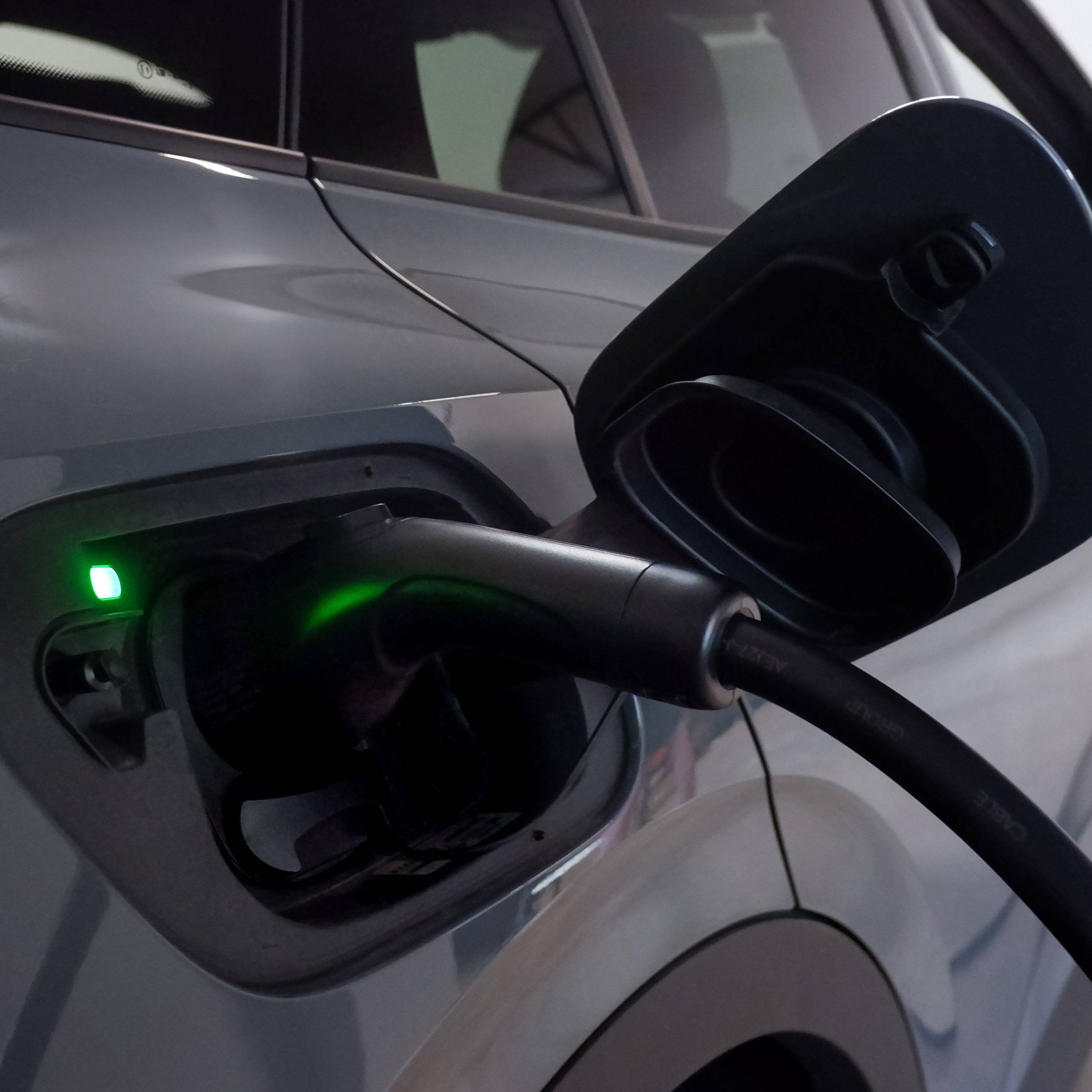
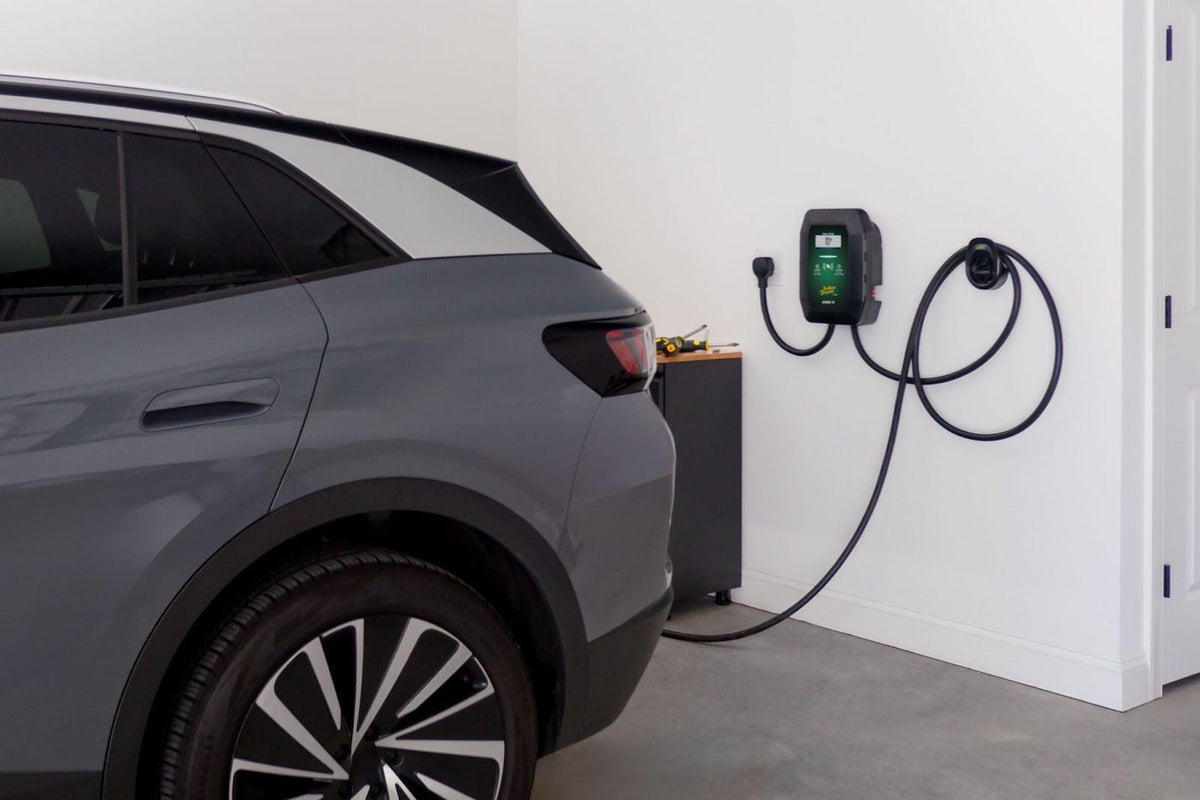
A cart charger is any charger that restores and maintains the batteries in a golf cart, utility cart, or similar low-speed vehicle. The right one depends on the cart's battery system, which varies more than most owners expect.
Some carts have a single 12V battery, and others have a pack of six batteries. Many owners are unsure which they have, so the table below lists the common setups.
| Cart type | System voltage | Battery setup | Charger approach |
|---|---|---|---|
| Gas golf cart (starting battery) | 12V | One automotive-style flooded or AGM battery | 12V ISM maintainer |
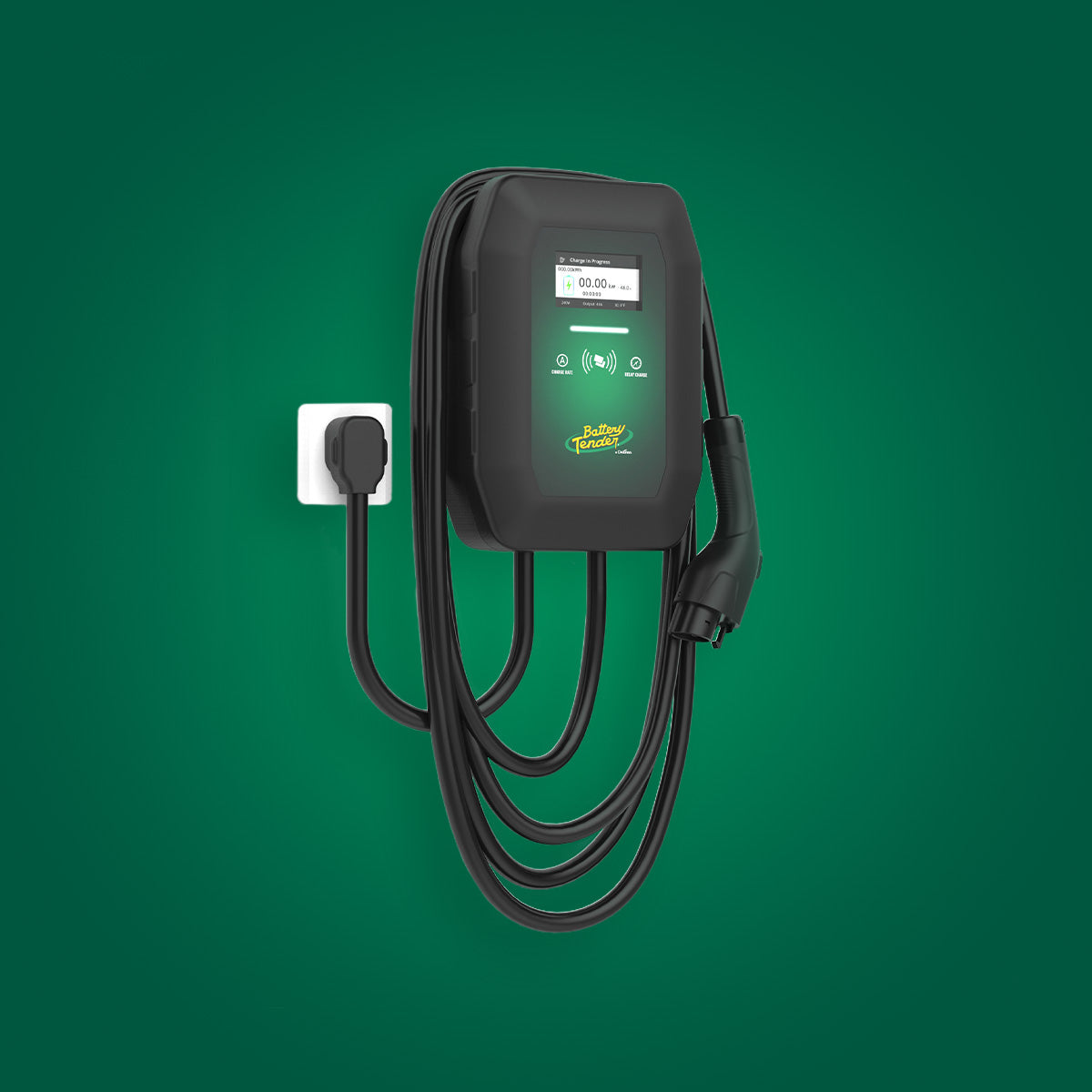
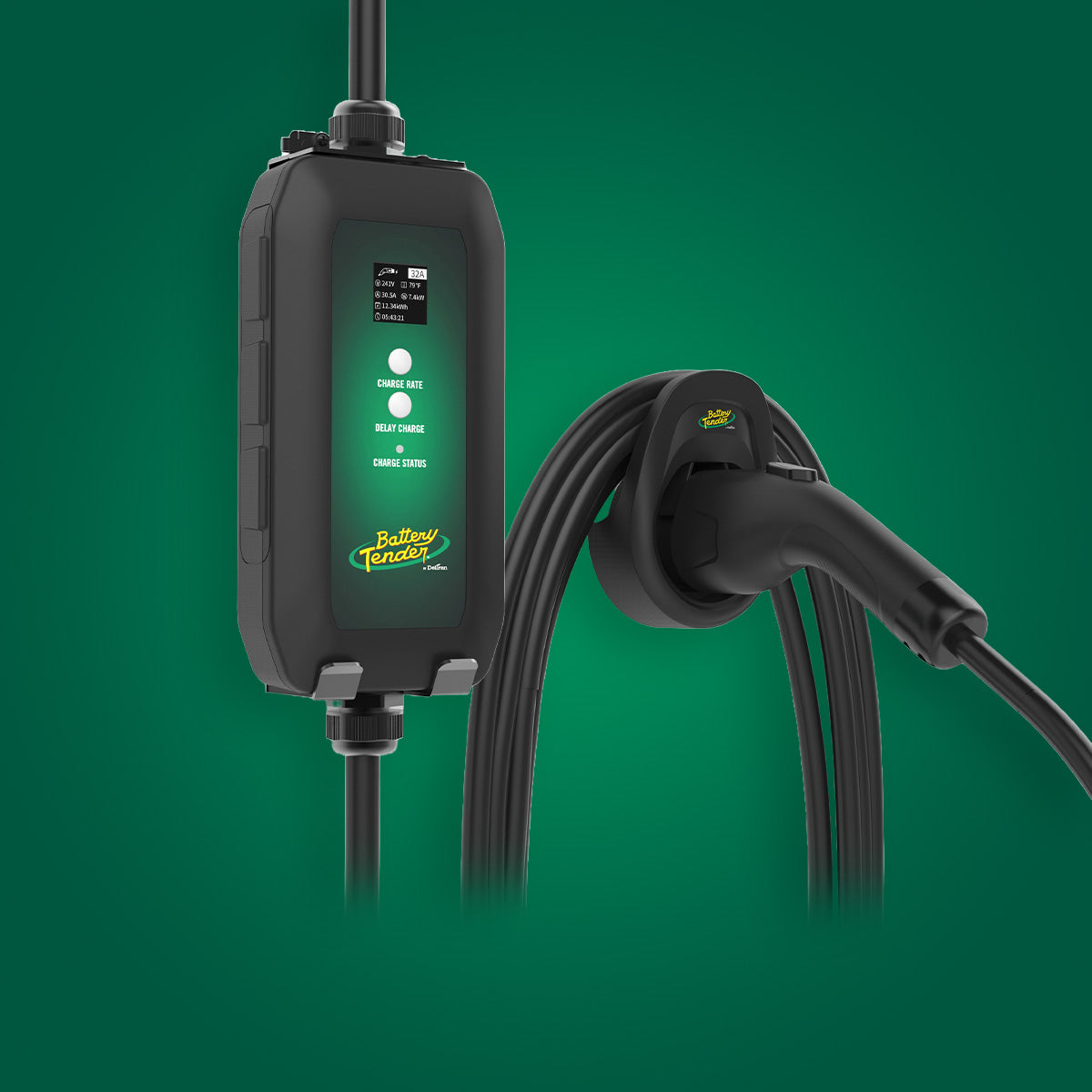
| Electric golf cart (traction pack) | 36V or 48V | Three or six batteries (36V), four 12V or six 8V (48V), or a lithium pack | Charger built for the pack voltage, such as Battery Tender PowerPlus 36V or 48V |
| Utility or flatbed cart | 12V | One deep-cycle battery, 35-100Ah | 12V ISM charger sized to the Ah rating |
| Cart with 12V accessory battery (lights, winch, audio) | 12V | AGM or flooded, 18-55Ah | 1.25A to 3A ISM maintainer |
| Kids' ride-on cart | 6V or 12V | Small sealed lead-acid, 7-12Ah | Low-amp ISM maintainer |
The first four rows cover most carts. This guide focuses on the 12V rows, because most owners overlook those batteries, and they are the ones that leave a cart unable to start or run its accessories.
How to Size a Cart Charger to Your Battery
Size a cart charger by amp-hours (Ah), not by how big the cart looks. A charger that is too small takes days to recover a dead battery. A charger that is too large can be harsh on small batteries.
Step-by-Step Sizing
- Read the battery label. Find the voltage (6V, 8V, or 12V) and the Ah rating. If only reserve capacity is printed, a common approximation is Ah ≈ reserve minutes × 0.6.
- Identify the chemistry. Flooded, AGM, gel, or lithium. Match the charger's selectable chemistry or confirm compatibility.
- Estimate depth of discharge. A battery at 12.0V resting is roughly 50% discharged, and one at 12.6V or above is near full.
- Apply the formula. (Ah × depth of discharge) ÷ charger amps = approximate hours.
- Add margin. Real charging runs 10-20% longer than the formula because current tapers in the Absorption stage.
The table shows the formula at 50% discharge for two charger sizes.
| Battery size | Amp-hours to replace (50% discharged) | 1.25A charger | 3A charger |
|---|---|---|---|
| 18Ah AGM | 9Ah | about 7.2 hours | about 3 hours |
| 35Ah deep-cycle | 17.5Ah | about 14 hours | about 5.8 hours |
| 55Ah deep-cycle | 27.5Ah | about 22 hours | about 9.2 hours |
| 80Ah deep-cycle | 40Ah | about 32 hours | about 13.3 hours |
A 1.25A charger is a maintainer first and a slow recharger second. For batteries above roughly 55Ah that are regularly drawn down, a 3A or larger charger is the better choice. For a battery that only needs to stay full during storage, 1.25A is enough.
Why a Smart Cart Charger Beats a Trickle Charger
A smart cart charger reads the battery's condition and adjusts its output, while a trickle charger delivers a fixed current whatever the battery needs. The difference becomes obvious after a few weeks of continuous connection.
Battery Tender ISM technology runs four automatic stages:
- Initialization: tests the battery and applies a gentle current to judge its condition.
- Bulk: delivers full rated current until the battery reaches about 80% state of charge.
- Absorption: holds voltage constant while current tapers, which completes the charge and helps limit sulfation.
- Float Maintenance: sends charge pulses only when voltage drops, so the battery stays full without being overcharged.
A conventional trickle charger has no such stages. It pushes the same current in whether the battery is empty or full, which can boil electrolyte in flooded batteries and cook sealed ones. Float-only chargers are safer but slower, because they lack the Absorption stage. For a closer look at each stage, see the ISM charging technology deep dive.
Sulfation is the practical reason this matters. Lead sulfate crystals harden on the plates when a battery sits partly discharged, and each hardened crystal permanently reduces capacity. Cart batteries commonly last two to three years under neglect. With consistent maintenance charging that prevents sulfation, five years or more is a realistic target, though actual life depends on use, heat, and depth of discharge.
Temperature Matters in Sheds and Garages
Cold batteries need a higher charge voltage and hot batteries need a lower one. The Battery Tender Plus includes temperature compensation, so it adjusts its charge voltage automatically as the shed swings from 20°F in January to 90°F in July. For a cart stored in an unheated building, that feature alone justifies the choice.
Best Cart Charger Options for 12V Cart Batteries
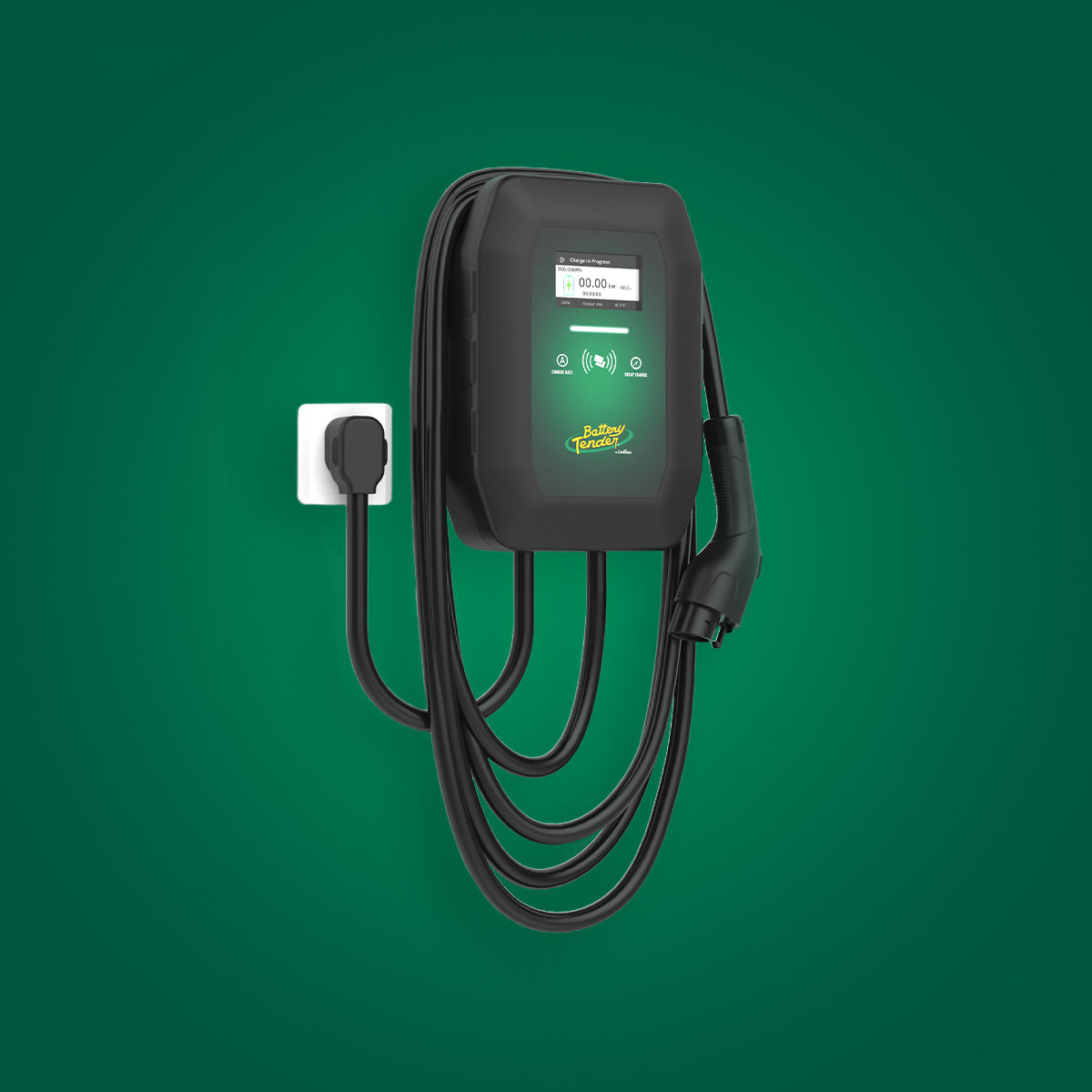
These options cover the 12V batteries in carts from small accessory AGMs to larger deep-cycle units. Traction packs at 36V or 48V require a charger rated for that voltage, such as the Battery Tender PowerPlus 36V or 48V, which are listed in the Battery Tender charger collection.
Battery Tender Plus: Best Overall for Starting and Accessory Batteries
The Battery Tender Plus delivers 1.25A with ISM charging and temperature compensation. That fits a gas cart's starting battery or a 14-80Ah accessory battery stored for months. The IP65 version resists dust and water spray, which suits a garage with a hose nearby or a cart kept under a carport.
Battery Tender Plus 12V 1.25 Amp IP65
Battery Tender Power Tender 3 Amp: For Bigger or Frequently Drained Batteries
The Battery Tender Power Tender 3 Amp switches between 12V and 6V, so it covers a 12V utility cart battery and 6V ride-on or vintage cart batteries. At 3A, a 55Ah battery that is half discharged recovers in roughly 9 hours instead of 22. That turnaround suits a cart that is used and recharged weekly.
Battery Tender Power Tender 3 Amp 12V/6V Battery Charger and Maintainer
Battery Tender Weather Resistant 1 Amp: For Open or Damp Storage
The Battery Tender Weather Resistant 1 Amp charger is a good match for carts parked outdoors under cover, in barns, or at a lakeside shed where humidity is high. At 1A, it suits batteries around 18-35Ah, such as an accessory AGM for a light bar or a small utility cart.
Battery Tender Weather Resistant 1 Amp 12V Battery Charger
Battery Tender Jump N Start 800 Amp: Backup When the Battery Is Already Dead
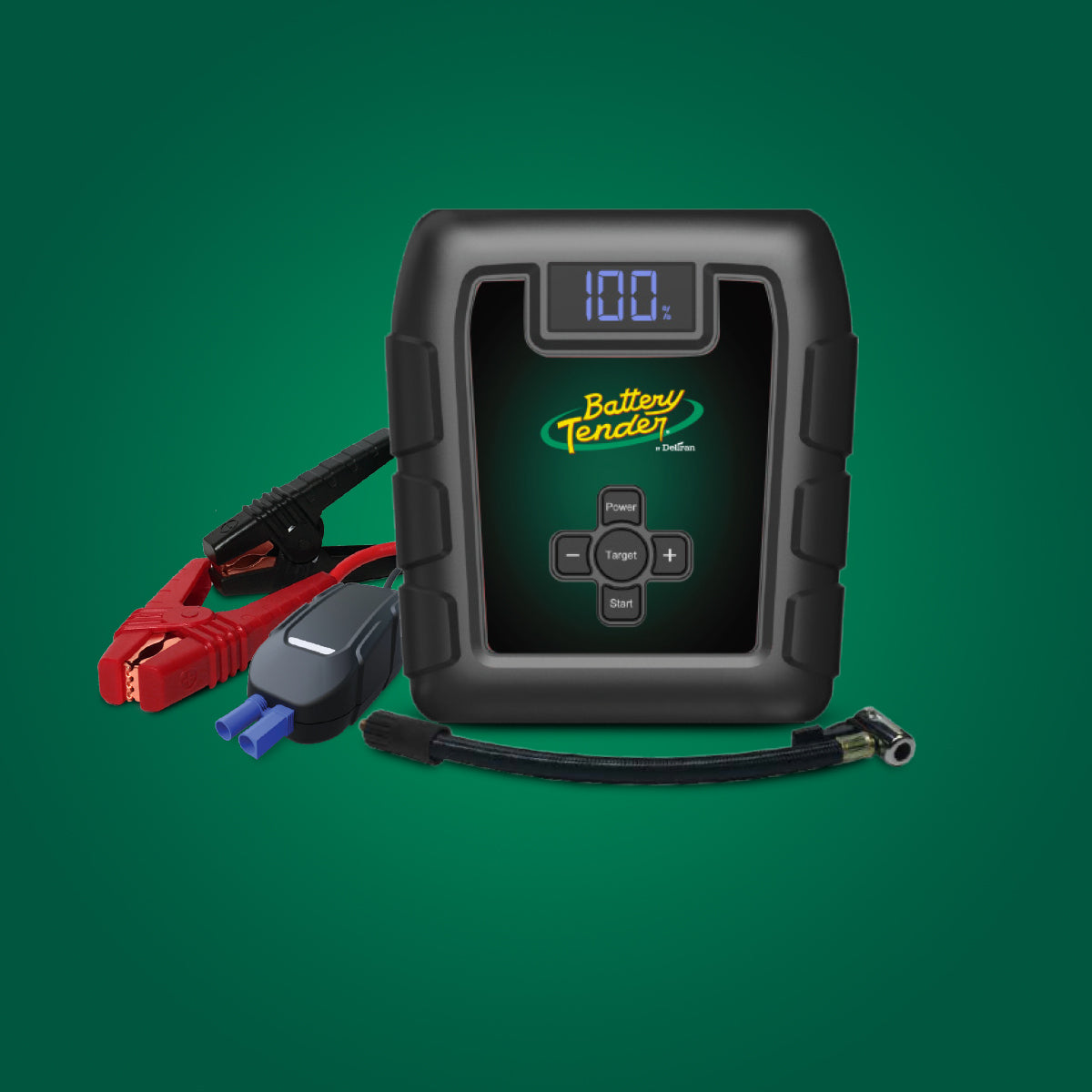
A maintainer prevents dead batteries, but it cannot help a cart that was left for a season without one. The Battery Tender Jump N Start 800 Amp is a lithium-ion jump starter rated for 4.0L gas and 2.0L diesel engines, which covers a gas cart's engine. It also includes a tire inflator, so it earns its place in the cart shed or truck bed.
Battery Tender Jump N Start 800 Amp Jump Starter and Tire Inflator
Ring Terminal Cable: For Permanent Connection
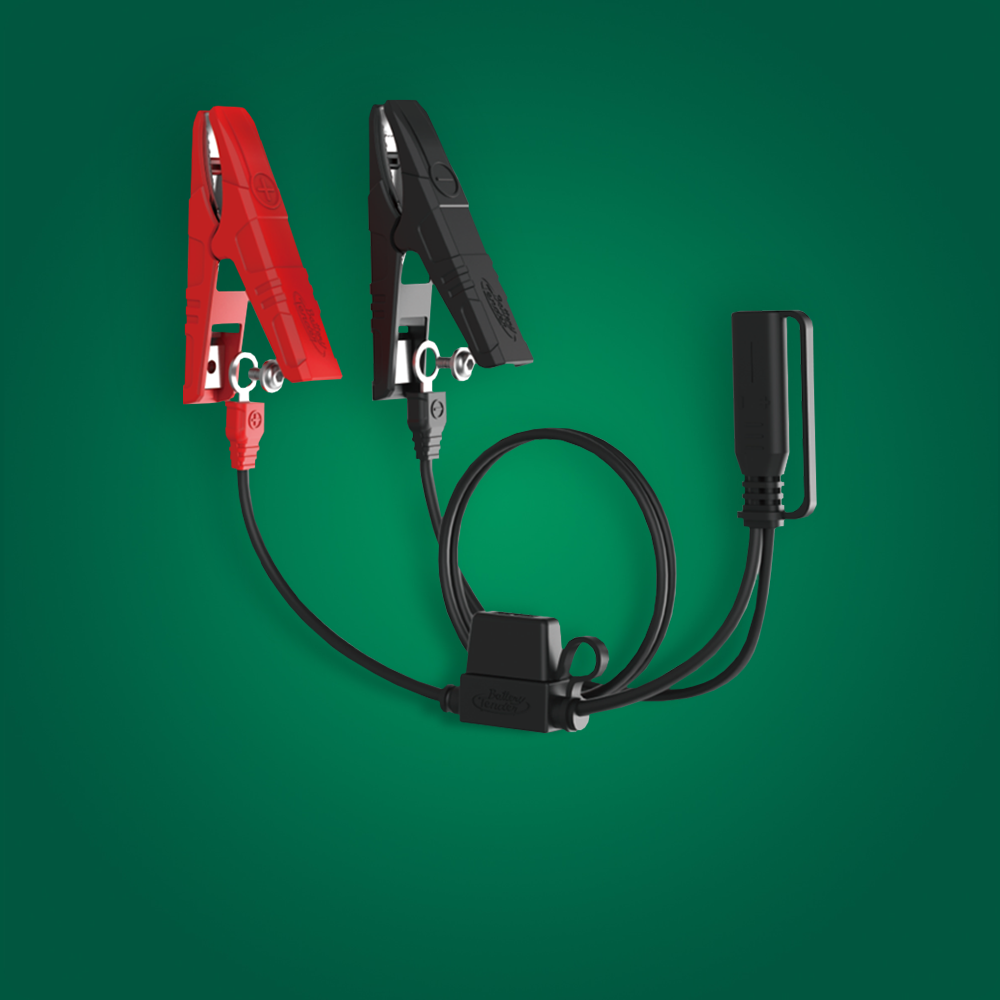
Where a Battery Tender PowerPlus or Battery Tender WaveCharge Pro charger is installed, the Battery Tender PowerPlus and Battery Tender WaveCharge Pro Ring Terminal Cable provides a fixed connection to the battery terminals. It is compatible only with those charger families, so check the charger model before ordering.
Battery Tender PowerPlus and Battery Tender WaveCharge Pro Ring Terminal Cable
How to Connect and Maintain a Cart Charger
- Park and power down. Turn the key off and set the tow/run switch to the correct position if the cart has one.
- Disconnect from any pack. If the 12V battery is part of a series string, do not charge it with a 12V charger while it is wired into the pack. Use a charger built for the full pack voltage, or isolate the battery first.
- Check flooded batteries. Top up with distilled water to cover the plates before charging, and clean corrosion from the terminals.
- Connect DC first. Attach the red clamp or ring terminal to positive, then black to negative, before plugging into AC.
- Select chemistry and voltage. Choose the correct mode for AGM, flooded, or lithium if the model has a selector.
- Leave it connected. ISM handles the rest, and the charger can stay connected through storage.
Charge flooded batteries in a ventilated area, because they release hydrogen gas. Keep sparks and flames away. For another small-engine example of the same routine, see the lawn mower battery charger guide.
Frequently Asked Questions
What is a cart charger?
A cart charger restores and maintains the batteries in a golf cart, utility cart, or similar vehicle. Electric carts use chargers matched to the pack voltage, usually 36V or 48V. Gas carts and utility carts with 12V batteries use a 12V smart charger or maintainer matched to the battery's amp-hour rating and chemistry.
Can I use a 12V charger on a 36V or 48V golf cart?
No. A 36V or 48V pack is made of several batteries wired in series, and a 12V charger cannot supply the required voltage. Charging a single battery in the pack while it is still connected is also unsafe. Use a charger designed for the full pack voltage, or disconnect the battery first.
Is it safe to leave a cart charger connected all winter?
Yes, if it is a smart charger with ISM or similar monitoring. The Float Maintenance stage sends charge pulses only when voltage drops, so the battery stays full without overcharging. A conventional trickle charger should not be left connected for weeks, since it pushes constant current regardless of battery state.
How long does a cart charger take to charge a 12V battery?
Use (Ah × depth of discharge) ÷ charger amps. A 55Ah battery at 50% discharge holds 27.5Ah to replace, which takes about 22 hours at 1.25A or about 9 hours at 3A. Add 10-20% for the Absorption taper. Small batteries recover much faster.
How often should I charge cart batteries that are not in use?
A lead-acid battery can lose roughly 5-10% of its charge per month in storage, so unattended batteries drift toward sulfation within a few months. A connected ISM maintainer avoids the schedule entirely. Without one, check voltage monthly and recharge any battery that reads below about 12.4V.
Conclusion
The right cart charger comes down to three checks: voltage, chemistry, and amp-hours. Match those, choose ISM over trickle charging, and a 12V cart battery can reach five years or more instead of two or three. Start by reading the battery label today, run the sizing math in the table above, and then browse the Battery Tender charger collection to pick the charger that fits.