




Apartment and Condo EV Charging Solutions: A Complete Guide for Renters and Owners
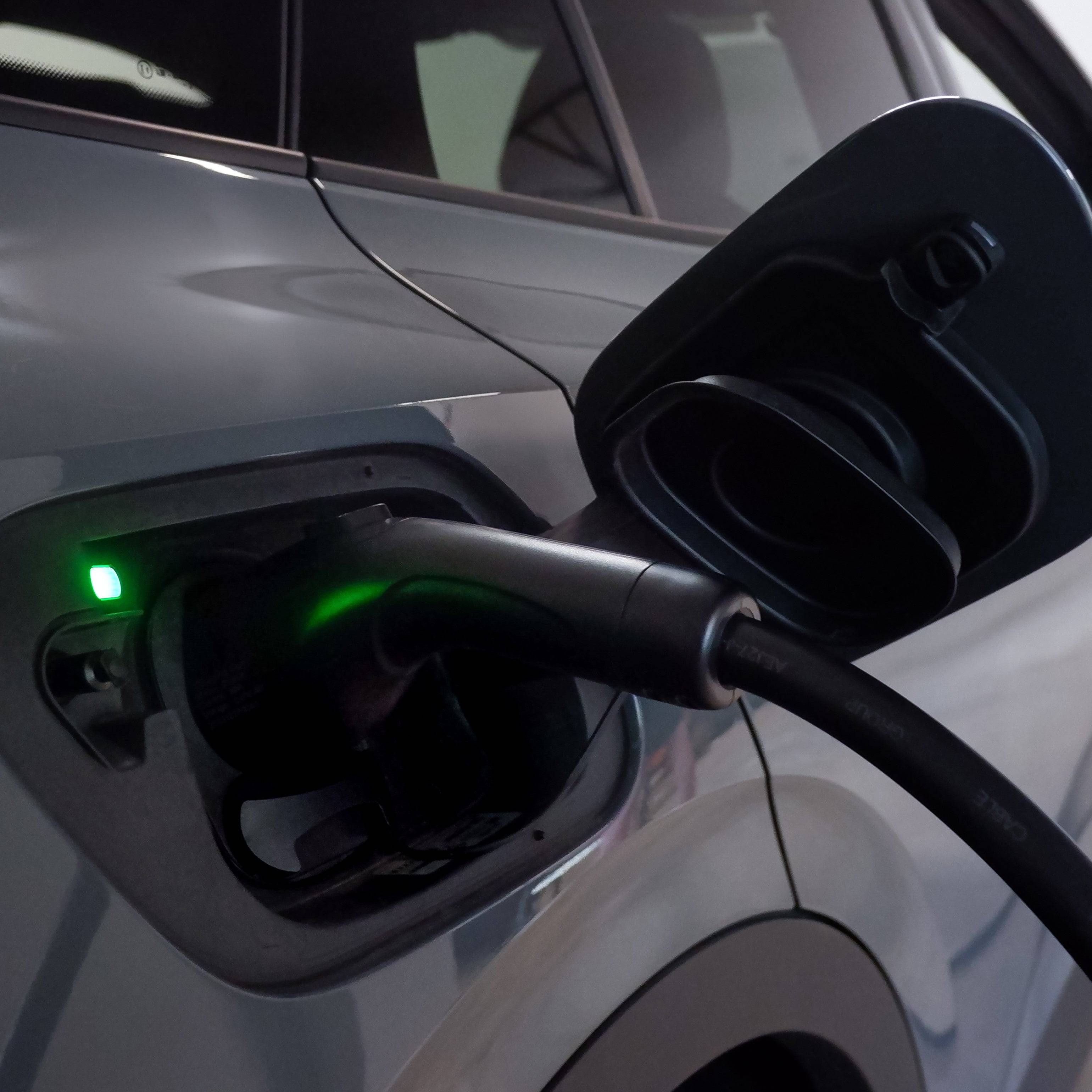
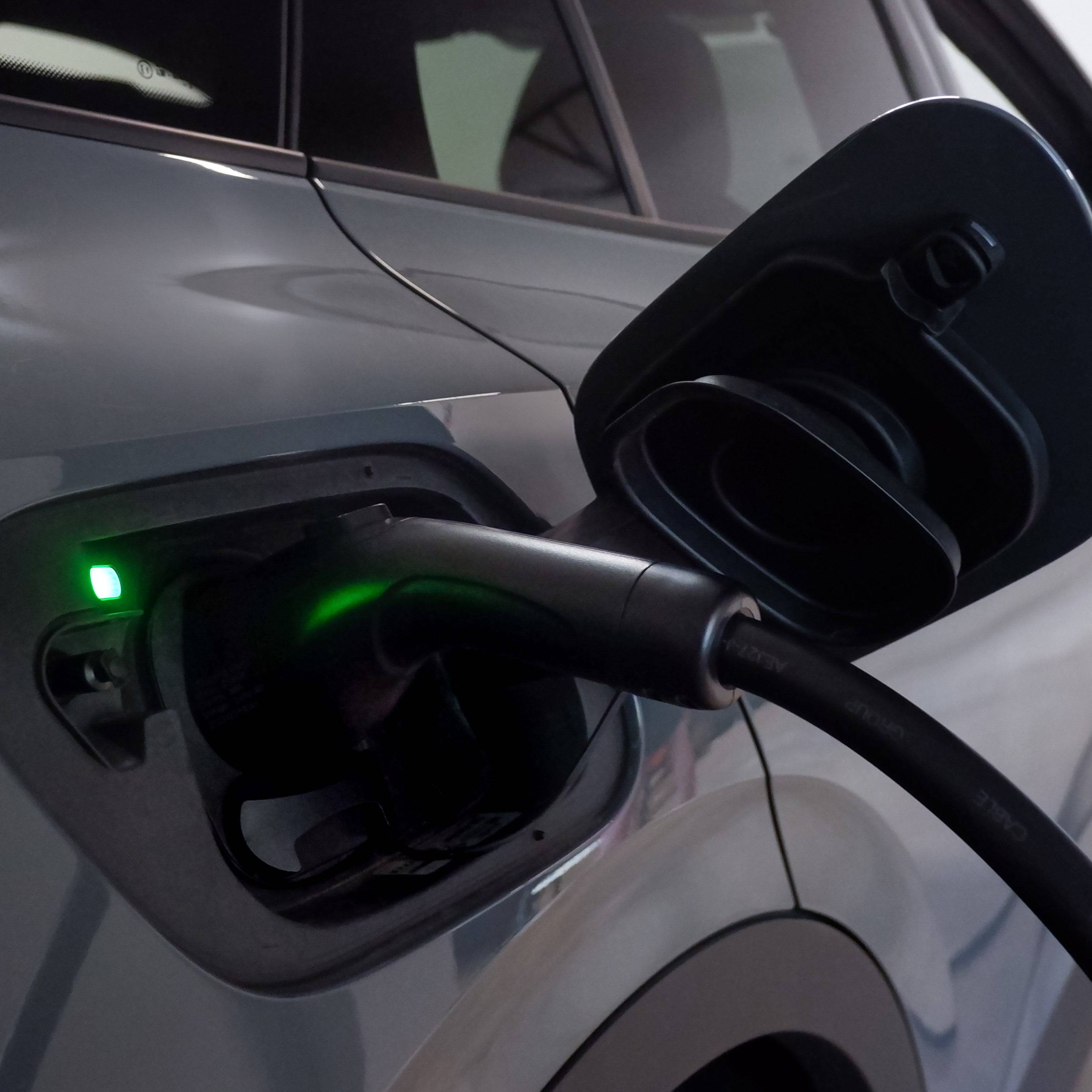
More than 35% of Americans live in multi-unit dwellings — apartments, condominiums, and townhomes where parking spaces are shared, electrical panels are communal, and decisions about infrastructure require landlord or HOA approval. As EV adoption accelerates across every demographic, apartment and condo residents are increasingly asking the same question: how do I charge my electric vehicle when I cannot simply install a charger in my own garage? The answer depends on your living situation, your vehicle, your building's electrical capacity, and your willingness to work within — or around — existing rules. This guide covers every viable apartment and condo EV charging solution available in 2026, including portable chargers, shared station installations, HOA negotiation strategies, and the often-overlooked topic of 12V auxiliary battery maintenance for EV owners without dedicated outlet access. Battery Tender® eCharge products appear throughout because they are engineered specifically for the flexibility and portability that multi-unit residents require.
Why Apartment and Condo EV Charging Is Uniquely Challenging
Single-family homeowners enjoy a simple path to home EV charging: hire an electrician, install a 240V circuit, mount a Level 2 charger, done. Apartment and condo residents face a fundamentally different set of constraints. First, most do not own their parking spaces or garages, which means any permanent electrical installation requires landlord or HOA consent. Second, the electrical panel serving the parking area may lack capacity for additional 240V circuits without costly upgrades. Third, property managers are often cautious about liability, metering complexity, and the precedent of allowing one resident to modify shared infrastructure.
These barriers are real, but they are not insurmountable. The critical insight is that apartment and condo EV charging solutions fall into two distinct categories: individual portable solutions that residents can deploy without building approval, and shared infrastructure solutions that require building-level coordination but serve multiple residents simultaneously. Understanding which category applies to your situation is the first step toward reliable, cost-effective charging.
Level 1 Charging: The No-Permission-Required Starting Point
Level 1 charging uses a standard 120-volt household outlet — the same type found in virtually every parking garage, storage unit, and utility room in America. Because it requires no electrical modification and no permanent installation, Level 1 is the most accessible apartment and condo EV charging solution available. The tradeoff is speed: a 120V connection delivers roughly 6 to 8 miles of range per hour of charging, which means overnight charging typically adds 50 to 70 miles of range. For residents who drive fewer than 50 miles daily — the majority of commuters — Level 1 is genuinely sufficient.
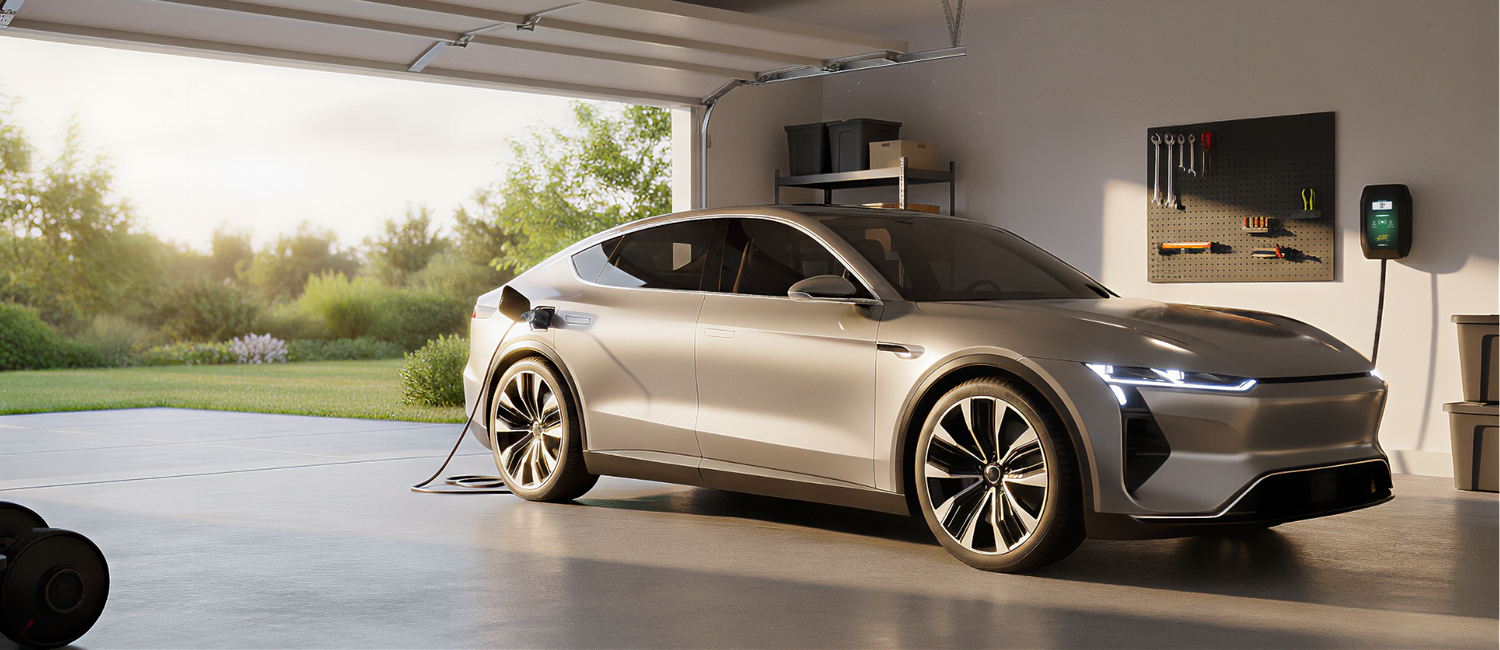
The Battery Tender eCharge 16 AMP Level 1 Portable EV Charger is purpose-built for this scenario. It plugs into a standard NEMA 5-20P outlet, includes a NEMA 5-15P adapter for standard 15-amp outlets, and delivers 16 amps continuously — approximately 7.2 miles of range per hour on a 120V connection. The unit is fully portable, weighing under five pounds, so residents can carry it from a hallway outlet to their vehicle without any fixed installation. For apartment residents who have access to even a single standard outlet near their parking space, this charger eliminates the infrastructure problem entirely.
The practical consideration with Level 1 in apartments is outlet access. Many parking garages have 120V outlets installed for maintenance equipment, holiday lighting, or seasonal use. Ask your building manager directly — you may find that access already exists. Some buildings charge a modest monthly fee for outlet use, which is far less expensive than any infrastructure upgrade.
Portable Level 2 Charging: 240V Solutions for Residents with Garage Access
For condo owners and renters who have access to a private or semi-private garage, a portable Level 2 charger represents a significant upgrade in charging speed without requiring permanent installation. Level 2 charging operates at 240 volts and delivers between 20 and 35 miles of range per hour, meaning most EVs can be fully charged in four to eight hours — easily overnight.
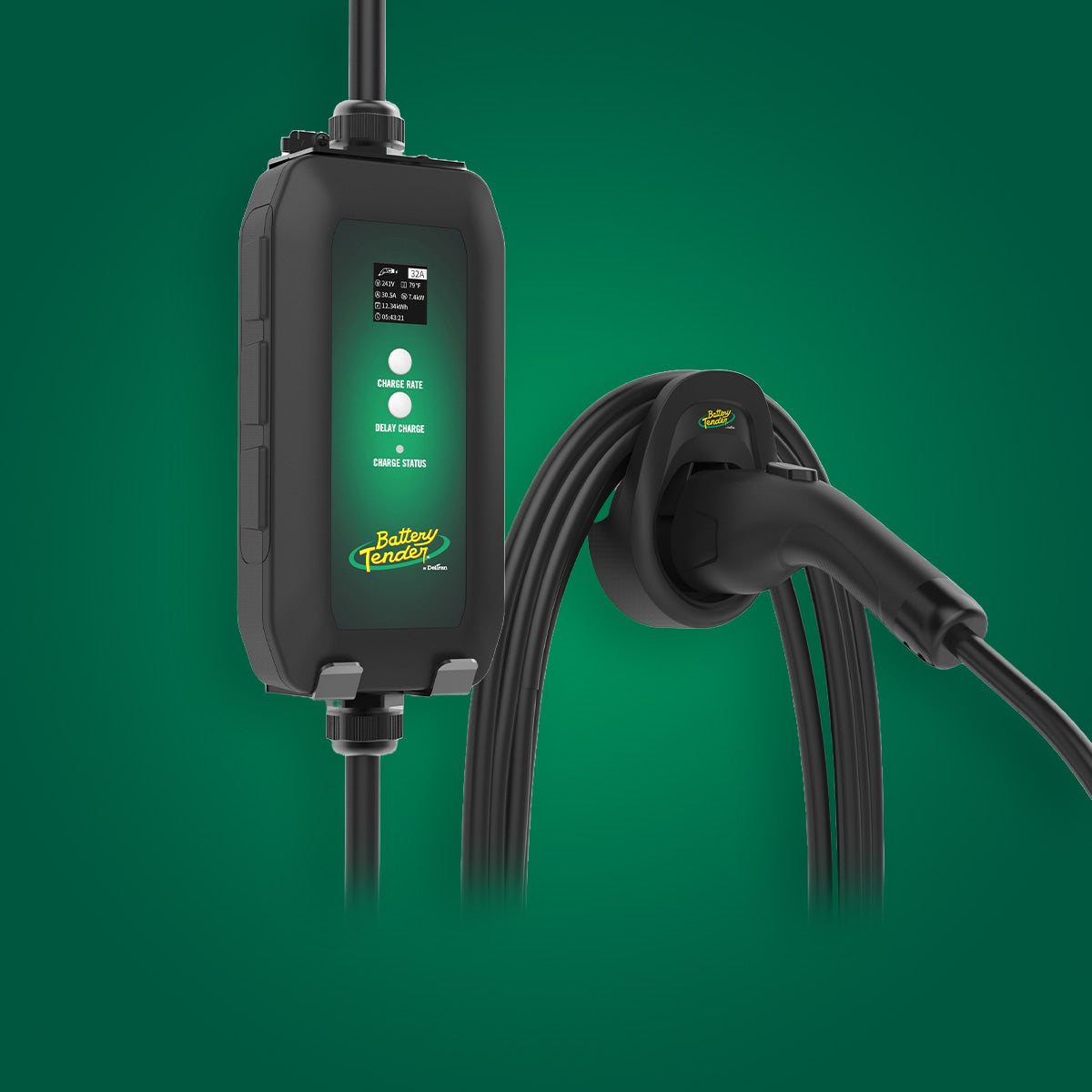
The Battery Tender eCharge 32 AMP Level 1+2 Portable EV Charger is an exceptional choice for this use case. It includes a NEMA 14-50P plug for 240V connections and a 14-50R to 5-15P adapter for 120V use, making it a true dual-voltage portable unit. On a 240V circuit, it delivers up to 28.5 miles of range per hour — performance that rivals hardwired Level 2 stations. The portable design means residents can take the charger when they move, use it at a second location, or store it in their vehicle for away-from-home charging scenarios where a NEMA 14-50 outlet is available.
Many condo buildings have dryer-style 240V outlets in storage areas or laundry rooms. If your assigned parking space is adjacent to such a space, a portable Level 2 charger may be all you need. Always verify outlet compatibility and check with your building's electrician before connecting a high-draw device to an existing circuit.
Shared Charging Infrastructure: The HOA and Building Management Path
When individual portable solutions are impractical — perhaps no outlet exists near parking, or the building prohibits personal charging equipment — the next step is working with building management or the HOA to install shared charging infrastructure. This path is more complex, but it is increasingly viable as more states pass right-to-charge legislation that limits HOAs' ability to prohibit EV charging outright.
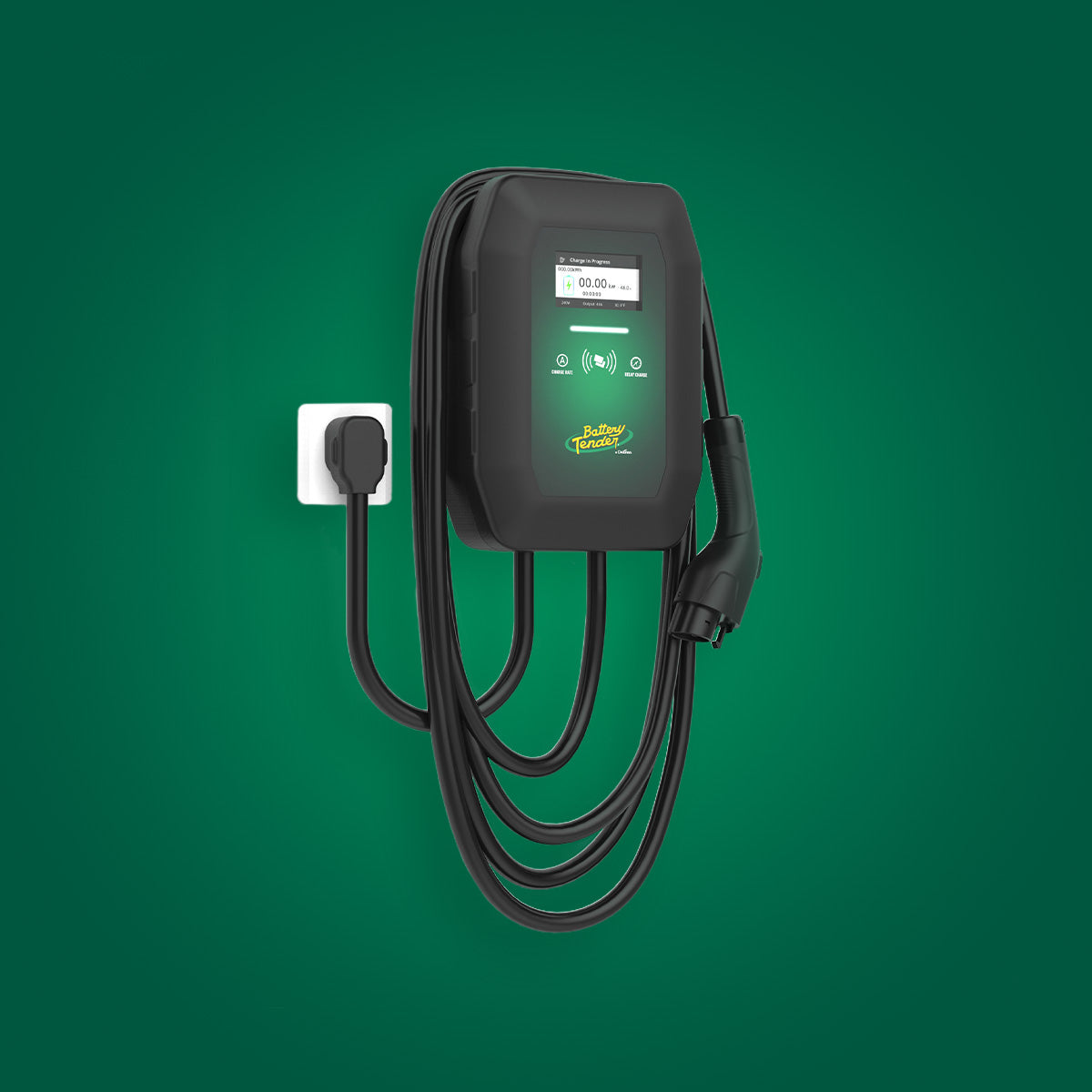
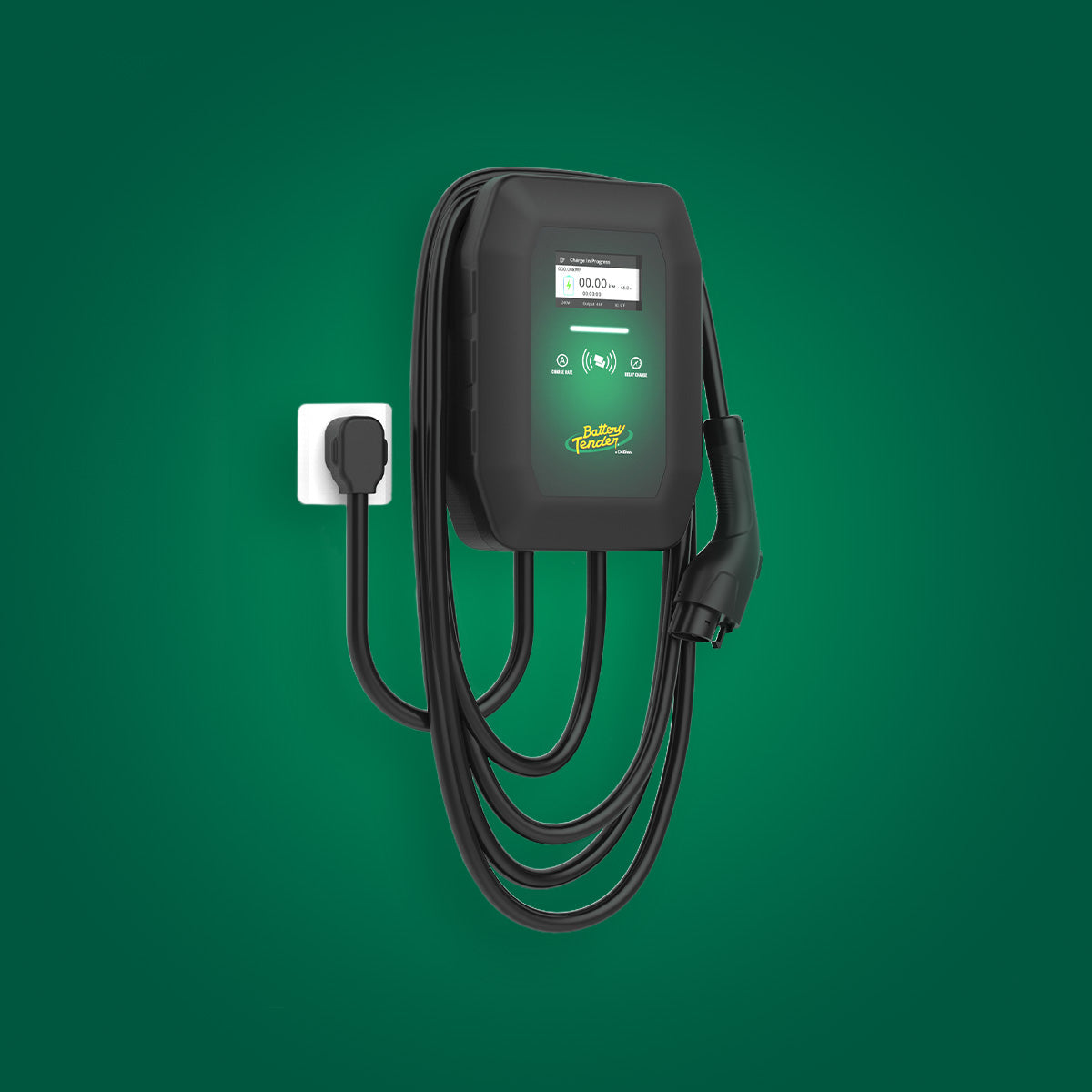
Shared Level 2 charging stations serve multiple residents from a single installation point, distributing the cost of electrical upgrades across the entire building rather than one unit. The Battery Tender eCharge 40 AMP Level 2 Mountable EV Charger is an excellent choice for shared installations. Its RFID card access system allows building management to control which residents use the charger, enabling usage tracking and cost allocation — two of the biggest administrative concerns for property managers considering shared EV infrastructure. At 40 amps, it delivers up to 38 miles of range per hour, making it fast enough to serve multiple residents on a rotating schedule.
When approaching your HOA or landlord about a shared charging installation, lead with data. Charging infrastructure increases property values, attracts EV-driving tenants who typically have higher incomes, and positions the building competitively against newer developments that include charging as a standard amenity. Utility rebate programs and federal tax incentives for commercial EV charging equipment often significantly reduce installation costs. Present a complete proposal that includes the charger specifications, a licensed electrician's installation estimate, a cost-recovery plan, and documentation of applicable state right-to-charge laws.
Right-to-Charge Laws: What Apartment and Condo Residents Need to Know
As of 2026, more than 20 states have enacted some form of right-to-charge legislation that limits HOA and landlord authority to prohibit EV charging. These laws vary significantly in scope: some require HOAs to approve resident-installed charging equipment under reasonable conditions, while others mandate that landlords provide charging access upon request. California, Florida, Colorado, and New York have among the strongest protections for EV-charging renters and condo owners.
Before investing time in negotiating with a resistant HOA, research your state's specific right-to-charge statutes. Many states require that any prohibition on EV charging must be justified by a specific safety or structural concern — blanket bans are often unenforceable. Consulting a real estate attorney familiar with HOA law in your state can be worthwhile if you encounter significant resistance. In many cases, a single letter citing applicable statutes resolves the issue without further conflict.
Workplace and Public Charging as a Supplement
Apartment and condo residents who cannot achieve reliable home charging are not without options beyond their building. Workplace charging is one of the fastest-growing segments of EV infrastructure, and many employers now offer Level 2 charging as an employee benefit. If your employer does not yet offer charging, consider making a formal request — the business case for employee retention and sustainability positioning is increasingly compelling.
Public DC fast charging networks have expanded dramatically and now cover most metropolitan areas with stations capable of adding 100 to 200 miles of range in 20 to 30 minutes. While fast charging is more expensive per kilowatt-hour than home charging, a weekly or twice-weekly fast charge session can fully compensate for the absence of daily home charging for most driving patterns. The optimal strategy for apartment EV owners without reliable home charging is often a combination of whatever Level 1 access exists at the building, workplace Level 2 charging during the week, and occasional public fast charging for longer trips or top-ups.
Maintaining Your EV's 12V Auxiliary Battery Without Dedicated Outlet Access
Every modern electric vehicle contains a 12-volt auxiliary battery that powers the vehicle's computer systems, door locks, lighting, and safety electronics independently of the main traction battery. This 12V battery can discharge during extended storage periods, particularly in cold weather, and a dead 12V battery will prevent the vehicle from operating even when the main battery is fully charged. For apartment and condo residents — especially those who do not drive daily or who store their vehicle for weeks at a time — 12V battery maintenance deserves attention.
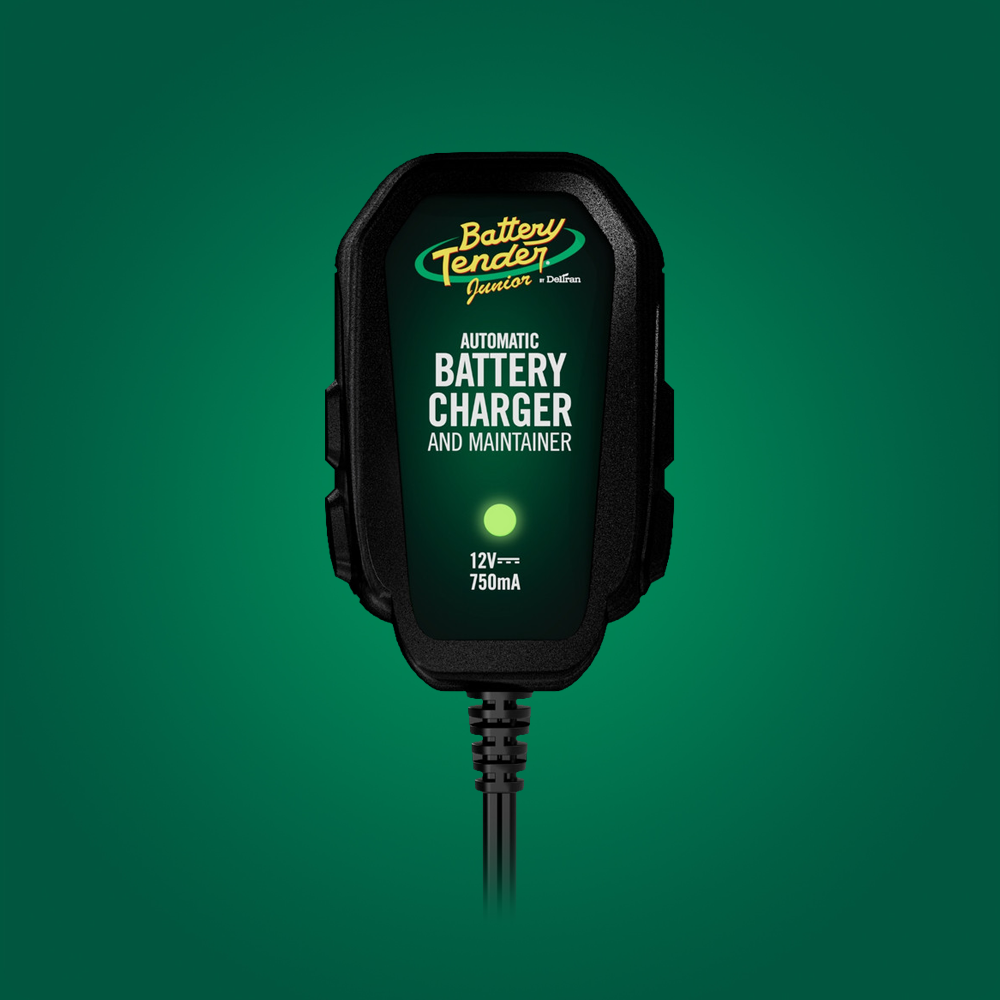
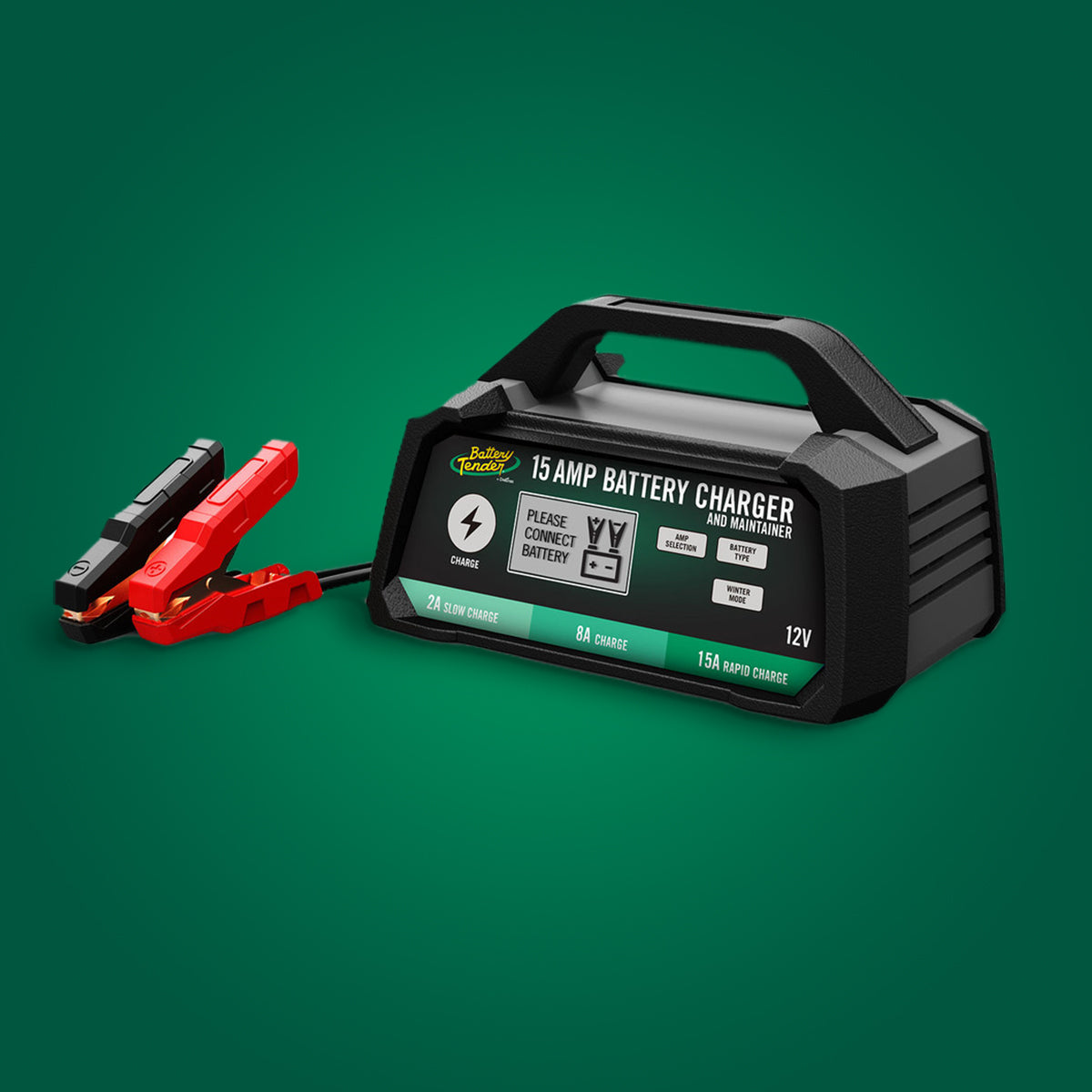
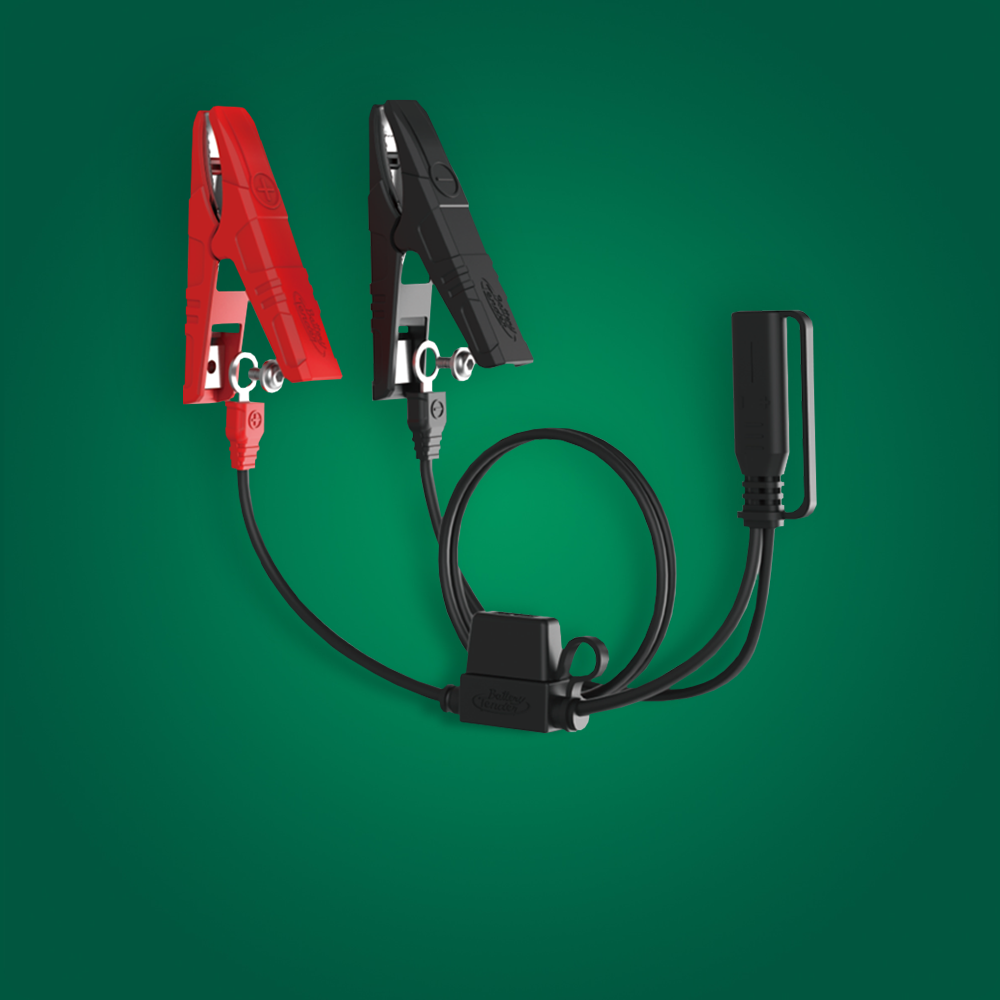
For residents with access to a standard outlet near their parking space, the Battery Tender Junior 750mA Battery Charger and Maintainer provides compact, efficient 12V maintenance. It draws minimal power, connects directly to the battery with quick-disconnect leads, and maintains the battery at optimal charge indefinitely without risk of overcharge. Its small size makes it easy to store in a vehicle's trunk when not in use.
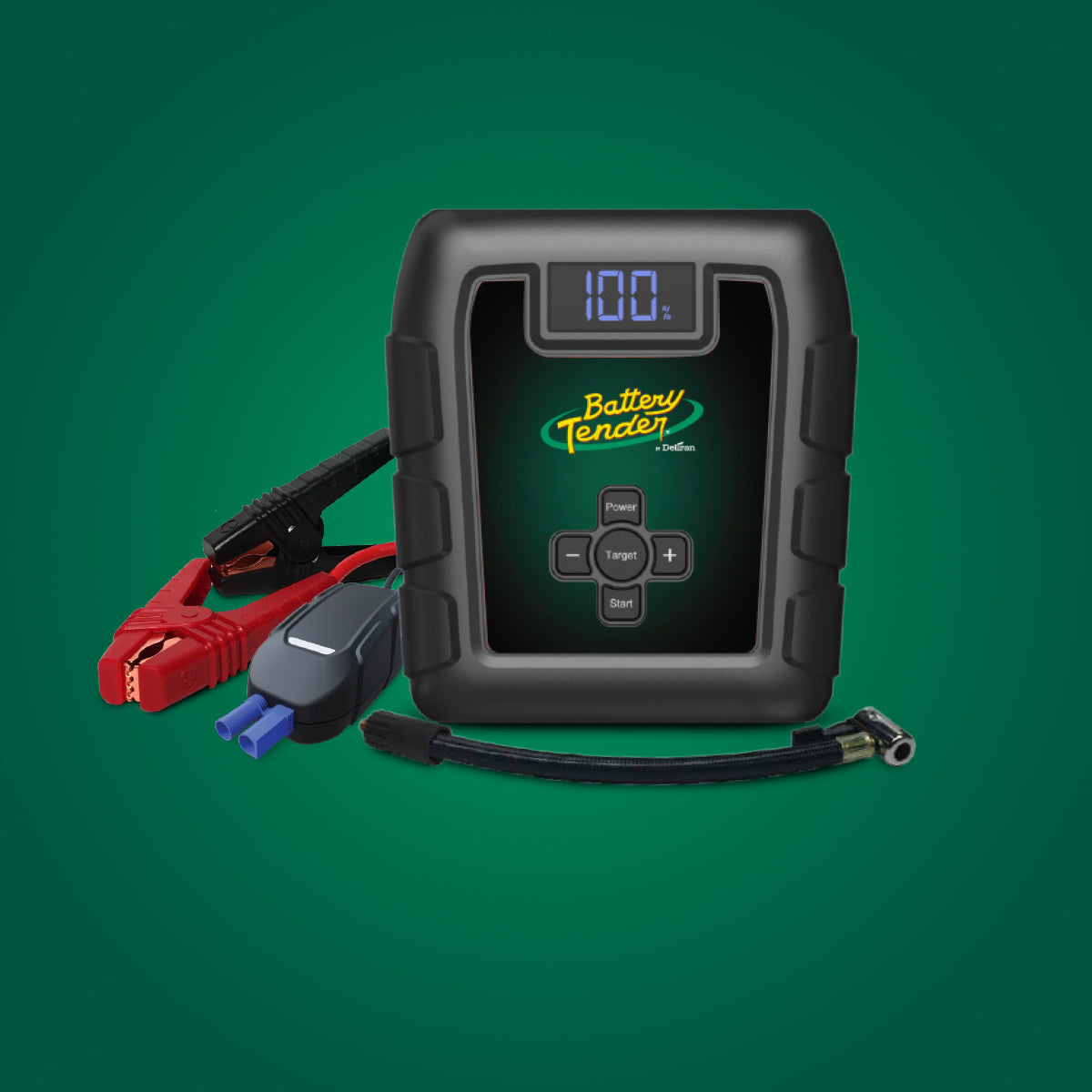
For residents without any outlet access near their vehicle, preparedness takes a different form. Keeping a portable jump starter at home ensures that a discharged 12V battery never results in a stranded vehicle. A reliable jump starter addresses the most inconvenient outcome of 12V neglect and provides peace of mind for apartment EV owners who cannot maintain a continuous trickle charge connection.
Choosing the Right Apartment and Condo EV Charging Solution for Your Situation
Selecting the right approach begins with an honest assessment of what you have access to. If a standard 120V outlet exists anywhere near your parking space, a portable Level 1 charger is your fastest and lowest-barrier solution. If you have a private or semi-private garage with a 240V outlet, a portable Level 2 charger delivers performance close to a dedicated home charging station. If neither outlet type is available, the path forward is either negotiating shared infrastructure with building management or supplementing with workplace and public charging.
No single solution fits every apartment or condo situation, but the combination of right-to-charge legislation, increasingly sophisticated portable charging hardware, and expanding public infrastructure means that 2026 is genuinely the most accommodating year yet for EV owners in multi-unit housing. The barriers are real — but so are the solutions.
Frequently Asked Questions About Apartment and Condo EV Charging Solutions
Can I charge my EV in an apartment with just a regular outlet?
Yes. A standard 120V outlet supports Level 1 EV charging, which delivers approximately 6 to 8 miles of range per hour. For daily commutes under 50 miles, overnight Level 1 charging is sufficient for most EV owners. The Battery Tender eCharge 16 AMP Level 1 Portable EV Charger is designed specifically for this use case and includes adapters for both 15-amp and 20-amp standard outlets.
Do I need permission from my HOA or landlord to charge my EV?
It depends on what you intend to install. Using a portable charger with an existing outlet generally does not require approval. Installing any permanent equipment — a wall-mounted charger, a new electrical circuit, or dedicated outlet — typically does require HOA or landlord consent. In many states, right-to-charge laws limit the ability of HOAs and landlords to deny reasonable charging requests.
What is the fastest EV charger suitable for apartment or condo use?
For individual use without permanent installation, the Battery Tender eCharge 32 AMP Level 1+2 Portable EV Charger delivers up to 28.5 miles of range per hour on a 240V connection — performance comparable to many hardwired Level 2 stations. For shared building installations, the Battery Tender eCharge 40 AMP Level 2 Mountable EV Charger provides up to 38 miles of range per hour with RFID access management for multi-resident use.
How can I convince my building management to install EV charging?
Present a data-driven proposal that includes property value research, utility rebate availability, federal tax credit information for commercial EV equipment, and documentation of applicable state right-to-charge statutes. Propose a cost-recovery plan — many buildings install charging stations as a paid amenity — and specify equipment with built-in access control and usage tracking, such as the Battery Tender eCharge 40 AMP Level 2 Mountable EV Charger, to address management's administrative concerns.
What happens to my EV's 12V battery if I cannot charge at home regularly?
The 12V auxiliary battery in an EV can discharge during extended storage or infrequent use. A depleted 12V battery prevents the vehicle from operating regardless of the main traction battery's charge level. Residents with outlet access can use a compact maintainer like the Battery Tender Junior 750mA to prevent this. Residents without outlet access should keep a portable jump starter available as a backup.
Are there EV charging solutions that work in apartments without any garage outlet?
If no outlet exists near your parking space and building management will not approve infrastructure changes, supplemental charging strategies become essential. Workplace charging, public Level 2 stations, and DC fast charging networks can collectively provide enough range for most driving patterns. Simultaneously, advocating for building-level shared charging infrastructure — supported by right-to-charge laws in many states — remains the most sustainable long-term solution.
Conclusion
Apartment and condo EV charging solutions have matured significantly, and the obstacles that once made multi-unit EV ownership impractical are increasingly surmountable. Portable Level 1 and Level 2 chargers eliminate the need for permanent installations in many scenarios. Right-to-charge legislation in more than 20 states gives residents meaningful leverage when negotiating with resistant landlords and HOAs. Shared charging infrastructure — managed with modern access control and usage tracking hardware — provides a scalable path for buildings ready to invest in long-term resident value. And supplemental workplace and public charging fills the gaps for residents still working toward a home charging solution. Whatever your current situation, there is a viable path forward — and Battery Tender eCharge products are engineered to support apartment and condo residents at every step of that journey.