

Golf Cart Battery Watering Guide: Keep Flooded Batteries Performing at Their Best
This golf cart battery watering guide covers everything you need to know to maintain flooded lead-acid batteries properly — including when to water, how much to add, and how smart charging reduces the frequency of watering. Flooded lead-acid golf cart batteries require periodic addition of distilled water to maintain proper electrolyte levels, a maintenance requirement that sealed AGM and lithium batteries eliminate entirely. Far from being an inconvenience, this watering process is the mechanism through which flooded batteries demonstrate their health and receive the care needed to achieve their rated cycle life.
Proper watering, combined with Battery Tender® PowerPlus ISM charging, forms the foundation of a golf cart battery maintenance program that consistently delivers 4 to 6 years of service life from quality flooded deep-cycle batteries.
Why Golf Cart Batteries Require Regular Watering
During charging, lead-acid batteries undergo a controlled electrolysis reaction that produces small amounts of hydrogen and oxygen gas from the water content of the electrolyte. This intentional gassing serves two important purposes: it mixes the electrolyte to prevent acid stratification — acid settling to the bottom of the battery case — and it brings all cells to an equal state of charge. The water lost through this gassing must be replaced periodically to keep electrolyte levels safely above the battery plates.
The correct watering schedule depends on how frequently the cart is used and how deeply the batteries are discharged during each use. Golf carts used daily and charged nightly will require watering more often than seasonal or weekend-use carts. As a general rule, check electrolyte levels every 2 to 4 weeks during active use and adjust your schedule based on what you observe.
Step-by-Step Golf Cart Battery Watering Procedure
Following the correct procedure each time you water your batteries protects both the batteries and the surrounding components.
- Complete a full charge cycle first. Always water golf cart batteries after — never before or during — a complete charge. Charging a battery with low electrolyte causes the electrolyte to expand as temperature rises, which risks overflow. Adding water before charging can also cause the expanded electrolyte to spill, contaminating the battery top and nearby components.
- Use only distilled water. Minerals in tap water, filtered water, and bottled mineral water contaminate the electrolyte and accelerate plate degradation. Distilled water is the only acceptable source.
- Fill to the correct level. Maintain water at approximately 1/4 to 1/2 inch above the battery plates, or to the level marked by the battery's built-in fill ring if present. Do not overfill — excess water dilutes the electrolyte and promotes corrosive overflow during the next charge cycle.
- Inspect the battery top. After watering, wipe the battery tops clean and check for signs of corrosion, cracking, or leakage. Address any issues before returning the cart to service.
- Record the date. Keep a simple log of each watering. Tracking how quickly water is consumed helps you identify cells or batteries that are consuming water faster than normal — an early warning sign of a failing cell.
How Often to Water Golf Cart Batteries
Watering frequency varies based on usage intensity, ambient temperature, and charger type. High temperatures and frequent deep discharges both accelerate water loss. Use the following as a starting framework and refine it based on your specific conditions:
- Daily-use carts: Check every 2 to 3 weeks during the season.
- Weekend or recreational use: Check every 4 to 6 weeks.
- Stored or off-season carts: Check once per month even during storage, since self-discharge and maintenance charging still cause minor water loss over time.
If you find yourself adding significant water every week, it may indicate excessive gassing caused by an overcharging condition. Evaluate your charging equipment and verify it is appropriate for your battery bank voltage and capacity.
Common Watering Mistakes That Shorten Battery Life
Even well-intentioned maintenance can cause damage if the details are wrong. Avoid these frequent errors:
- Watering before charging: The most common mistake. Always charge fully before adding water.
- Using tap or filtered water: Even a small mineral content accumulates over time, increasing internal resistance and reducing capacity.
- Overfilling: Excess electrolyte expands during charging and spills onto battery terminals, accelerating corrosion and potentially damaging the battery compartment.
- Ignoring uneven water consumption: A cell that needs significantly more water than others is failing and will pull down the entire battery pack if not addressed.
- Skipping checks during storage: Batteries in long-term storage still lose water slowly. Letting levels drop below the plates during storage can permanently damage the exposed portion of the plates.
How Battery Tender PowerPlus ISM Charging Reduces Watering Frequency
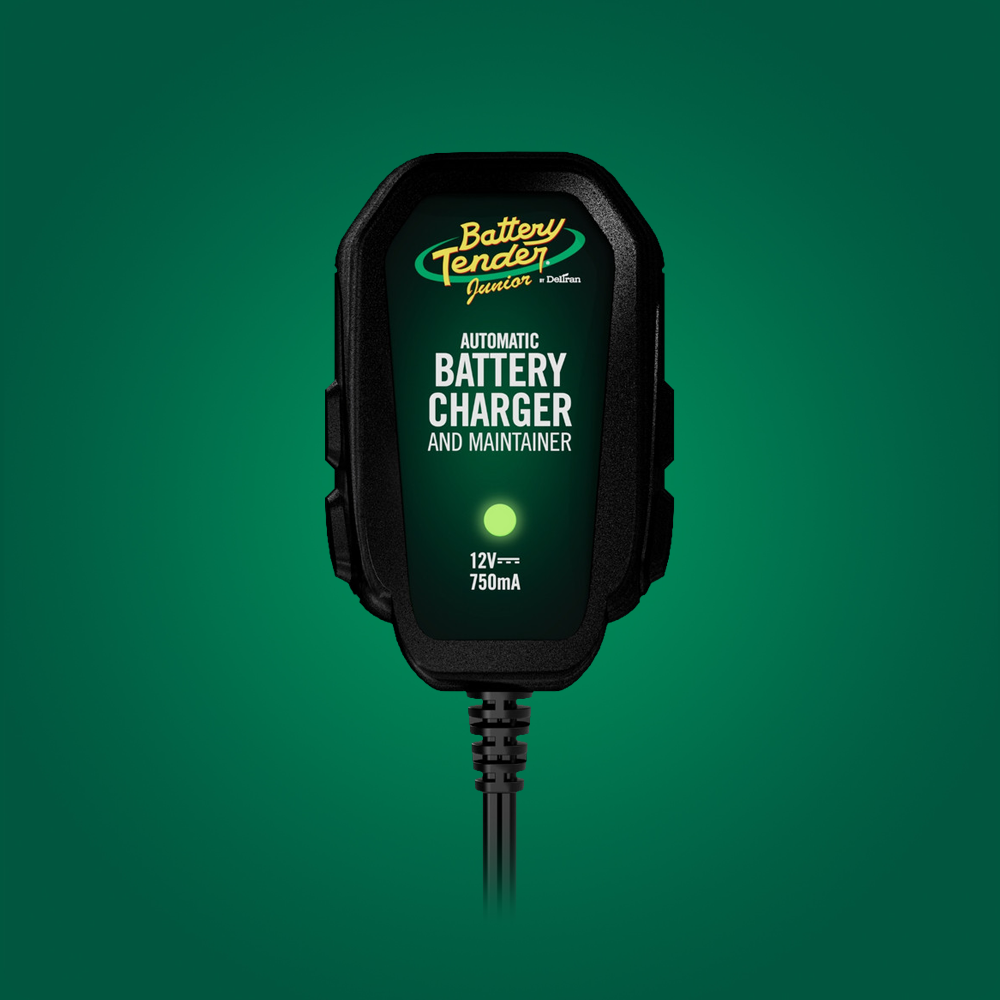
The type of charger you use directly affects how quickly your batteries consume water. Basic constant-voltage chargers maintain a fixed voltage after the bulk charge phase, which causes continuous gassing and excess water loss. Battery Tender PowerPlus ISM chargers take a fundamentally different approach.
The ISM (Intelligent System Management) process brings the battery to full charge with appropriate controlled gassing during the Absorption stage, then transitions to a Maintenance stage that supplies only enough current to offset natural self-discharge. This eliminates the ongoing overcharge condition that drives unnecessary water loss, meaning your batteries need less frequent topping off and experience less plate stress over their service life.
For golf cart owners who want to reduce maintenance demands while extending battery life, pairing proper watering practices with ISM charging is the most effective combination available.
Battery Tender PowerPlus 36V 18 AMP — Optimal Charging for 36V Golf Cart Systems
Battery Tender PowerPlus 48V 15 AMP — Optimal Charging for 48V Golf Cart Systems
Tools That Make Golf Cart Battery Watering Easier
Watering a bank of six to eight golf cart batteries individually can be time-consuming and prone to overfilling. Several tools simplify the process:
- Battery watering systems: Single-point watering kits connect all cells with tubing and a shutoff valve, allowing you to fill all cells simultaneously to the correct level with one connection. These systems are particularly useful for 48V battery banks with eight batteries and 48 individual cells.
- Distilled water pitcher or dedicated jug: Keep a dedicated container for distilled water in your charging area. Never use a container that has held tap water without thorough rinsing.
- Flashlight or battery hydrometer: A flashlight helps you see the electrolyte level clearly in each cell. A hydrometer allows you to verify specific gravity and confirm the battery has reached full charge before you begin watering.
- Protective gloves and eyewear: Battery electrolyte is sulfuric acid. Always wear appropriate protection when working around open battery cells.
Golf Cart Battery Watering During Long-Term Storage
Off-season storage presents its own set of watering considerations. Before placing a cart into storage, complete a full charge cycle and then check and correct water levels. Connect a Battery Tender PowerPlus charger in maintenance mode for the duration of storage — this prevents the deep self-discharge that permanently reduces battery capacity and ensures water loss during storage remains minimal.
Check electrolyte levels once per month throughout storage even with a maintenance charger connected. When the cart comes out of storage in the spring, perform a full charge cycle and re-check levels before returning the batteries to regular service.
Frequently Asked Questions
How much distilled water should I add to a golf cart battery?
Add enough distilled water to bring the electrolyte level to approximately 1/4 to 1/2 inch above the tops of the battery plates, or to the level indicated by the fill ring inside the cell. Never add water beyond that point — overfilling is as damaging as underfilling.
Can I use tap water in my golf cart batteries if I don't have distilled?
No. Tap water contains minerals and chlorine that contaminate the electrolyte, increase internal resistance, and accelerate plate corrosion. Using distilled water exclusively is a non-negotiable requirement for maintaining flooded lead-acid battery life.
What happens if I let golf cart battery water levels get too low?
When electrolyte levels drop below the tops of the battery plates, the exposed portion of each plate oxidizes and becomes permanently damaged. That capacity loss cannot be recovered by watering, charging, or any other maintenance technique. Severe low-water events can ruin a battery bank that would otherwise have several years of service life remaining.
How do I know if my golf cart batteries are consuming too much water?
If you find cells nearly dry after one or two weeks of normal use, your charger may be overcharging. Verify that your charger is matched to your battery bank voltage and has a proper maintenance mode. Consistently heavy water consumption is also a symptom of a failing cell generating excess heat and gassing.
Does cold weather affect how much water golf cart batteries need?
Cold weather slows the rate of water loss because lower temperatures reduce gassing during charging. Carts used heavily in warm or hot climates will consume water noticeably faster than those operated in cooler conditions. Adjust your inspection frequency accordingly during summer months or in warm-weather regions.
Should I water new golf cart batteries differently?
New flooded batteries are shipped with electrolyte already at the correct level. Do not add water to a new battery before its first few charge cycles. After 5 to 10 initial cycles, check levels and begin your normal watering routine from that point forward.
Conclusion
A consistent golf cart battery watering guide and maintenance schedule is one of the simplest, lowest-cost actions you can take to protect a significant investment. Watering after every full charge with distilled water, maintaining levels at 1/4 to 1/2 inch above the plates, and monitoring for uneven water consumption across cells will keep your flooded lead-acid battery bank operating at full capacity for years. Pair that discipline with Battery Tender PowerPlus ISM charging — available in 36V and 48V configurations — and you have a complete maintenance system that minimizes water loss, prevents deep discharge damage, and consistently delivers the 4 to 6 year service life that quality golf cart batteries are designed to provide.