




Boat show season is here, the weather is warming, and every boater who properly winterized last fall is thinking about launch day. But before the boat goes back in the water, the batteries deserve the same attention you give the engine, the bilge pump, and the hull. A battery that survived winter in a garage or storage yard may look healthy on the surface while harboring damage that surfaces as a dead boat 45 minutes from the ramp on opening weekend.
Battery Tender® has been supporting marine battery maintenance for decades, and our WaveCharge marine charging systems are designed specifically for the multi-battery boat environment. This complete spring commissioning checklist covers everything from initial inspection to confirming charging system function before you take the first trip of the season.
Understanding What Happens to Marine Batteries Over Winter
Marine batteries face an accumulation of challenges over a winter storage period, regardless of how carefully the boat was prepared for storage. Even a battery that was fully charged in October and left in a well-maintained boat will self-discharge at 3-5% per month. By April, six months of storage could have reduced the charge to 70-82% of full, enough to appear functional while hiding reduced capacity and beginning sulfation.
Marine starting batteries, deep-cycle house batteries, and trolling motor batteries each have different capacities and discharge characteristics, meaning each may be in a different state of health after the same storage period. A proper spring commissioning addresses each battery in the system individually.
Spring Marine Battery Commissioning Checklist
Step 1: Visual Inspection of Each Battery
- Inspect battery case for cracks, swelling, or electrolyte leakage. Any of these require immediate replacement before launch.
- Examine terminal posts and cable connections for corrosion. White or greenish buildup means elevated resistance.
- Check battery hold-down brackets and ensure each battery is properly secured in its tray.
- Inspect battery cables for cracked insulation, fraying, or corrosion that has wicked under the insulation.
- On boats with conventional flooded batteries, check electrolyte level through the vent caps. Plates must be covered.
Step 2: Clean All Terminals and Connections
Clean every terminal connection before any electrical testing. Corrosion introduces resistance that distorts voltage readings and degrades charging efficiency. Use a baking soda and water solution with a wire brush, rinse thoroughly, dry completely, and apply marine-grade anti-corrosion spray or dielectric grease before reconnecting.
In saltwater environments, terminal cleaning is especially critical. Salt-accelerated corrosion over a storage period can create significant resistance at connections that looked acceptable when the boat was stored.
Step 3: Recharge All Batteries
Connect each battery to a smart charger and allow a full charge cycle before any testing. Voltage readings on a depleted battery are misleading. A battery at 65% charge appears damaged on a load test and shows low voltage that resolves completely after proper charging. Never evaluate battery condition without a full charge first.
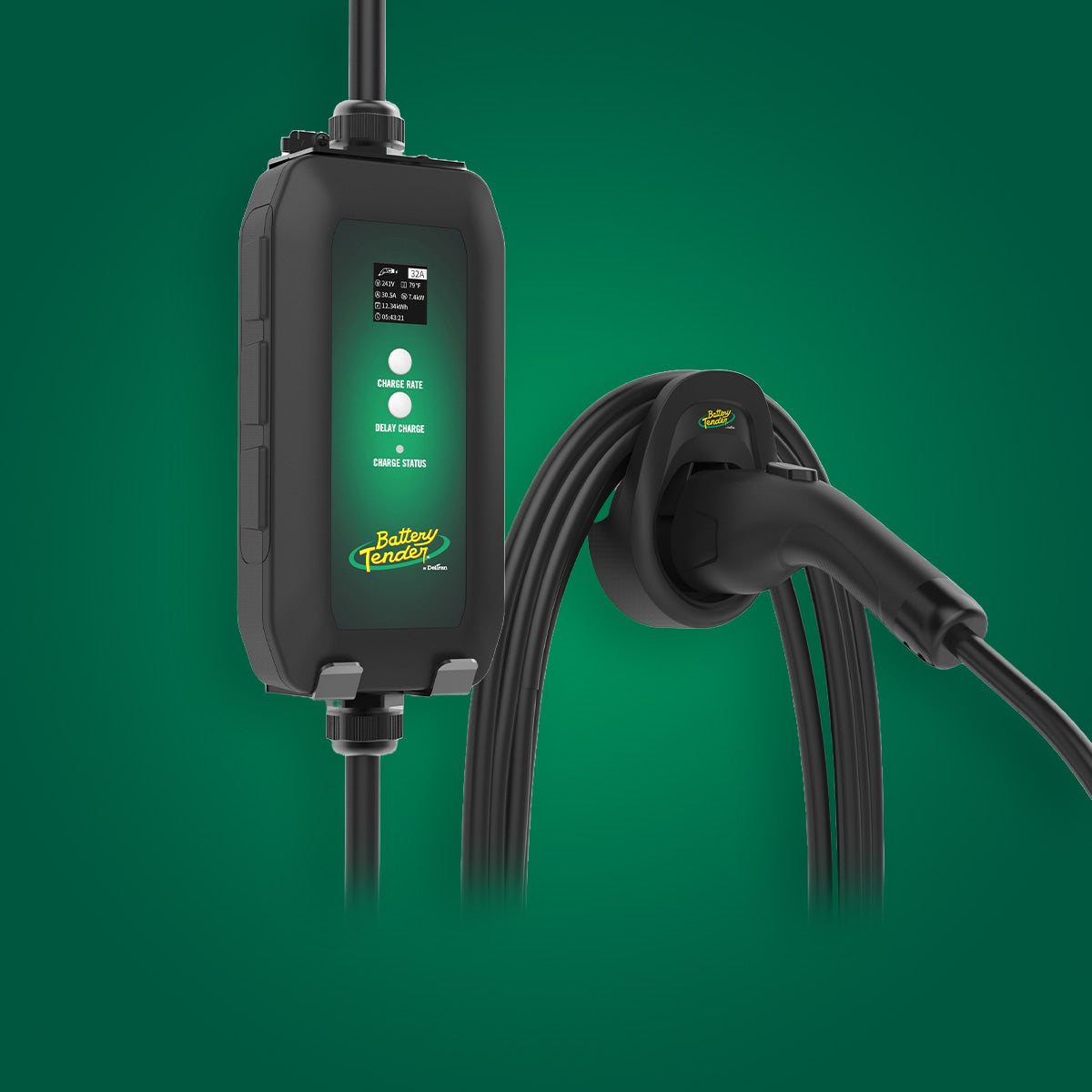
For boats with multiple batteries, the WaveCharge Pro multi-bank charger handles all of them simultaneously with independent charging circuits. Each battery gets the full 4-stage ISM charge it needs without any sharing or compromise.
Shop the WaveCharge Pro 2-Bank Marine Charger (SKU: 022-1007-DL-WH) for dual-battery systems, or the WaveCharge Pro 3-Bank (SKU: 022-1008-DL-WH) for three-battery setups.
Step 4: Voltage and Load Testing
After a full charge cycle, allow a 2-hour rest after disconnecting the charger before testing, then check the resting voltage on each battery. A reading of 12.6V or above indicates full charge. Then load-test each battery individually. A healthy battery maintains 9.6V or above under a half-CCA load for 10-15 seconds. One that drops below this threshold has insufficient capacity for the season and should be replaced now, not on the water.
Step 5: Verify the Charging System
Start the engine and measure voltage at the battery terminals. It should read 13.7-14.7V with the engine running at idle or moderate RPM. Below 13.5V indicates an undercharging condition from the alternator or voltage regulator. Above 14.8V indicates overcharging that will damage batteries through the season.
Also verify that the onboard battery charger or WaveCharge system properly activates on shore power and that all bank indicators illuminate correctly.
Step 6: Check Battery Switch Operation
Cycle the battery switch through all positions: 1, 2, Both, and Off, and verify all positions function as expected. A faulty battery switch that intermittently connects both banks together can cause unexpected battery drain. If the switch feels stiff, rough, or does not click positively into position, replace it before launch.
Step 7: Inspect and Commission the Trolling Motor Battery
If your boat uses a dedicated trolling motor battery or battery bank, commission it separately from the starting battery. Deep-cycle trolling motor batteries that were not maintained over winter may have significant sulfation. Charge fully, load test, and if capacity is measurably reduced, weigh replacement cost against another season of reduced range and performance.
What to Replace Before Launch
| Condition Found | Action Required |
|---|---|
| Battery fails load test after full charge | Replace battery before launch |
| Battery voltage below 12.6V after charging | Recharge and retest. If still low, replace. |
| Cracked case, swollen, or leaking electrolyte | Replace immediately. Safety hazard. |
| Battery older than 4 years (marine use) | Test carefully. Proactive replacement warranted. |
| Severe corrosion on cables (wicking visible) | Replace affected cable sections |
| Battery switch rough or intermittent | Replace switch before launch |
Building Your Marine Emergency Kit
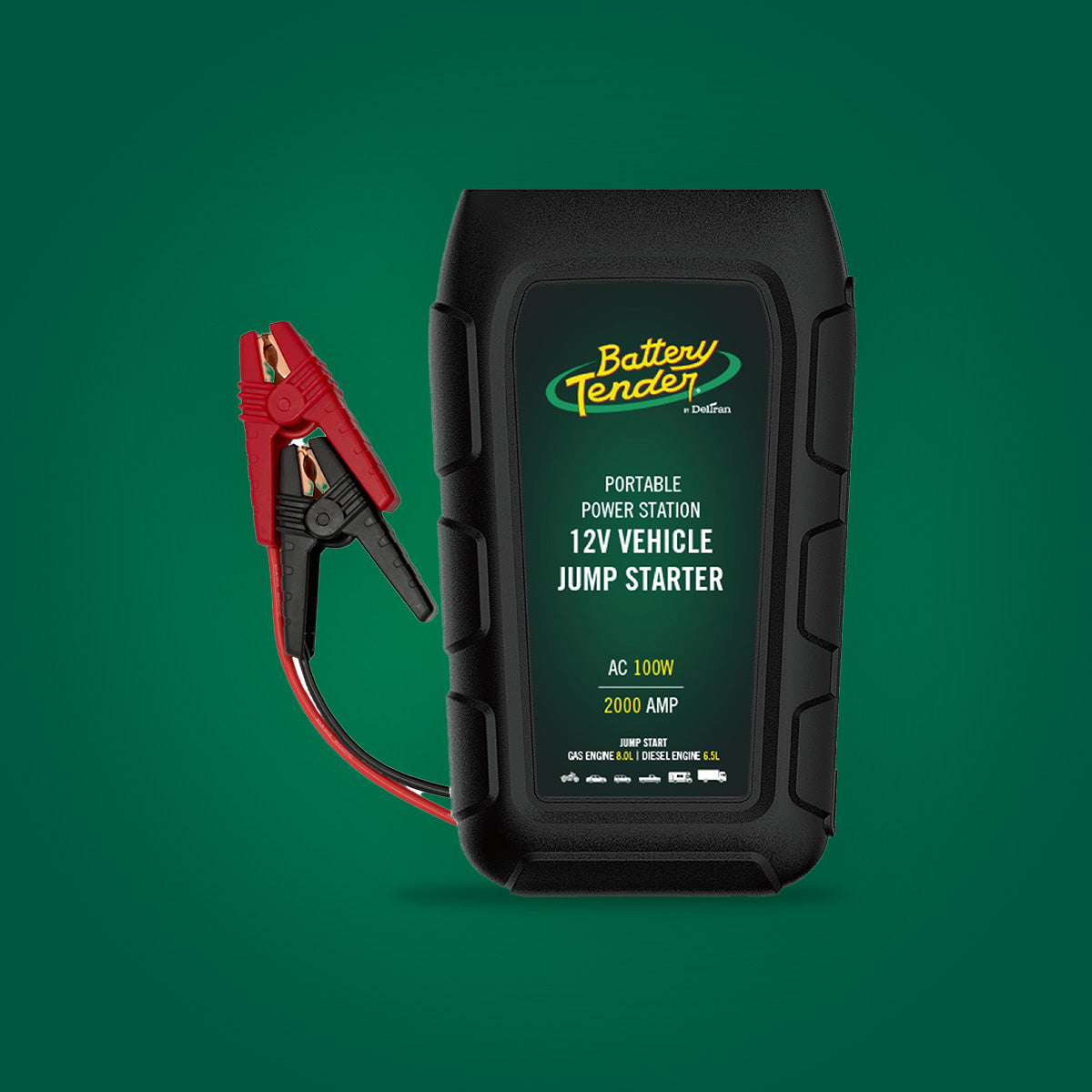
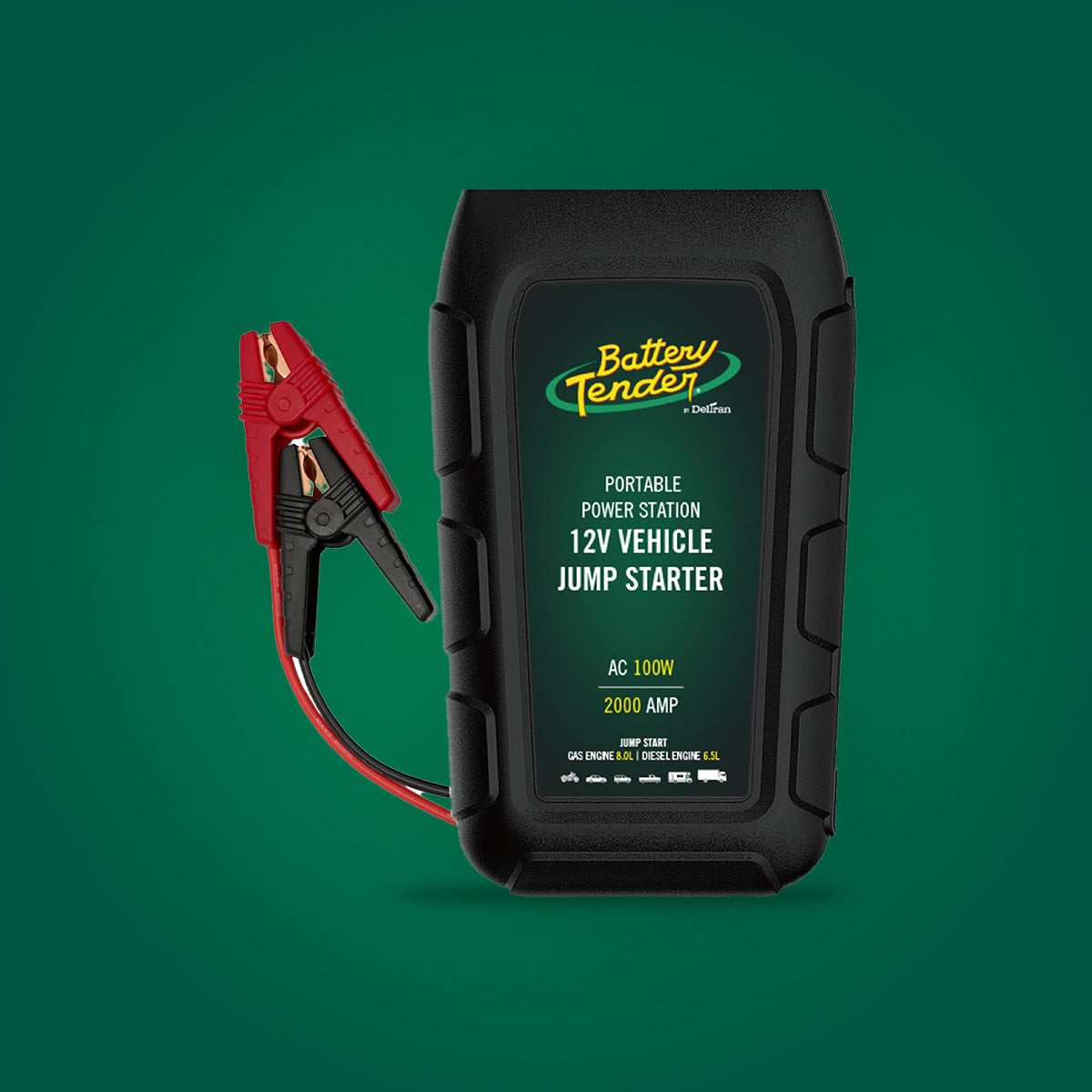
Even after thorough spring commissioning, a properly stocked emergency kit gives you options on the water when the unexpected happens. A marine jump starter handles dead starting batteries without waiting for a tow, and with the right unit, also provides USB charging power and LED lighting for true multi-function emergency capability.
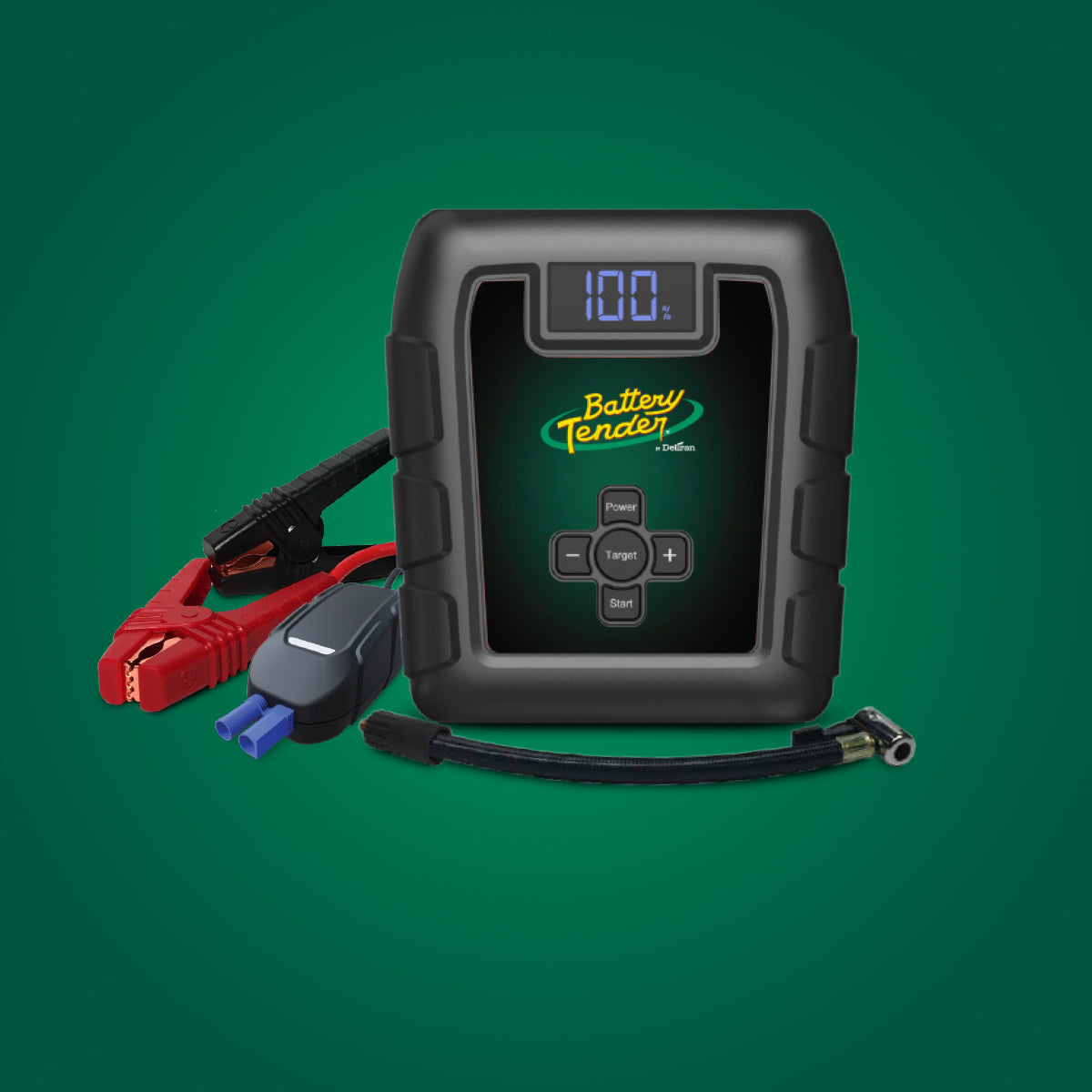
The Charge N Start series is particularly well-suited to marine use, combining smart battery charger capability for dock use with powerful jump-starting for on-water emergencies. The 1200-amp output handles outboard engines up to 6.5L gas and 3.0L diesel, covering the vast majority of recreational marine engines.
Explore the Charge N Start 1120 - 1 AMP Charger + 1200 AMP Jump Starter (SKU: 030-7012-WH) for the dock and water.
View the full marine battery charging lineup for all WaveCharge options and marine accessories.
Frequently Asked Questions
How long does a marine battery typically last?
Starting batteries in boats typically last 3-5 years with proper maintenance and annual commissioning. Deep-cycle house batteries last 2-5 years depending on depth of discharge cycles. Trolling motor batteries used heavily in weekend fishing often last 2-3 seasons before significant capacity loss becomes limiting.
Do I need to charge my boat batteries before storing for winter?
Absolutely. A battery stored at full charge survives winter far better than one stored at partial charge. Ideally, connect a smart charger throughout winter storage. For a more complete storage guide, see Winterizing Boat Batteries: Complete Guide to Marine Battery Storage.
Can I use a car battery charger on my marine batteries?
Standard automotive chargers work on 12V marine batteries electrically, but they lack marine-specific ignition protection, which is critical in enclosed spaces with fuel vapors, as well as waterproof construction and multi-bank capability. The WaveCharge series is the purpose-built marine solution.
How do I know if my marine battery needs replacement?
A battery that fails a load test after a full charge, cannot hold a charge overnight, or has a case that is cracked, swollen, or leaking needs replacement. Age alone is also a factor. Batteries older than 4-5 years in marine service warrant careful testing even if they appear functional.
Conclusion
The time invested in thorough spring commissioning pays dividends every weekend on the water. A battery system that has been properly inspected, charged, tested, and confirmed operational before launch means every trip starts with confidence: no last-minute emergency charges, no jump starts at the ramp, and no cut-short fishing days because the trolling motor battery gave up at noon.
Shop all marine battery chargers and WaveCharge systems and launch this season prepared.