


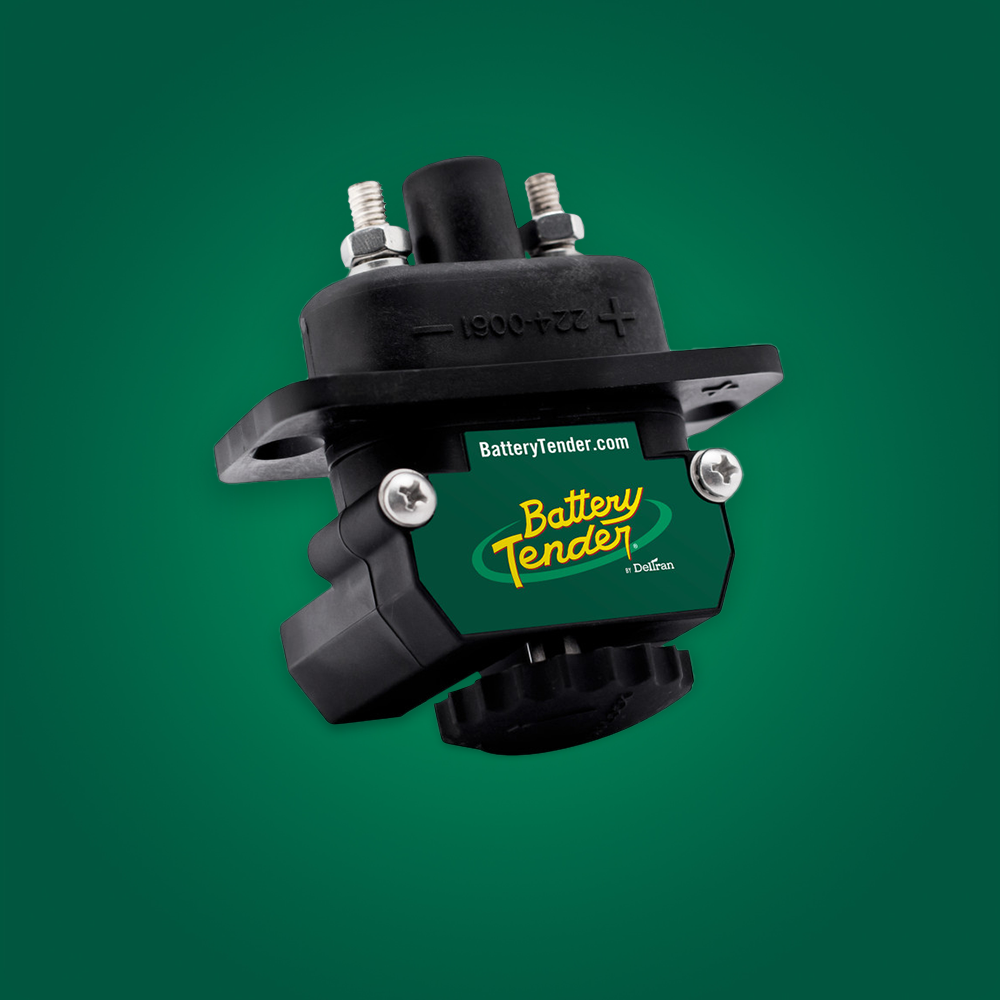




If you have ever skipped connecting your battery charger because it meant digging it out, lifting the hood, and fussing with alligator clips in a tight engine bay, the ring terminal quick-disconnect is for you. It is the single accessory that transforms battery maintenance from a chore into a 10-second habit.
Battery Tender® pioneered the ring terminal quick-disconnect system that is now standard with its charger lineup. This guide covers exactly what the system is, how to install it correctly on any vehicle, and how to use it effectively for years of effortless battery maintenance.
What Is a Ring Terminal Quick-Disconnect?
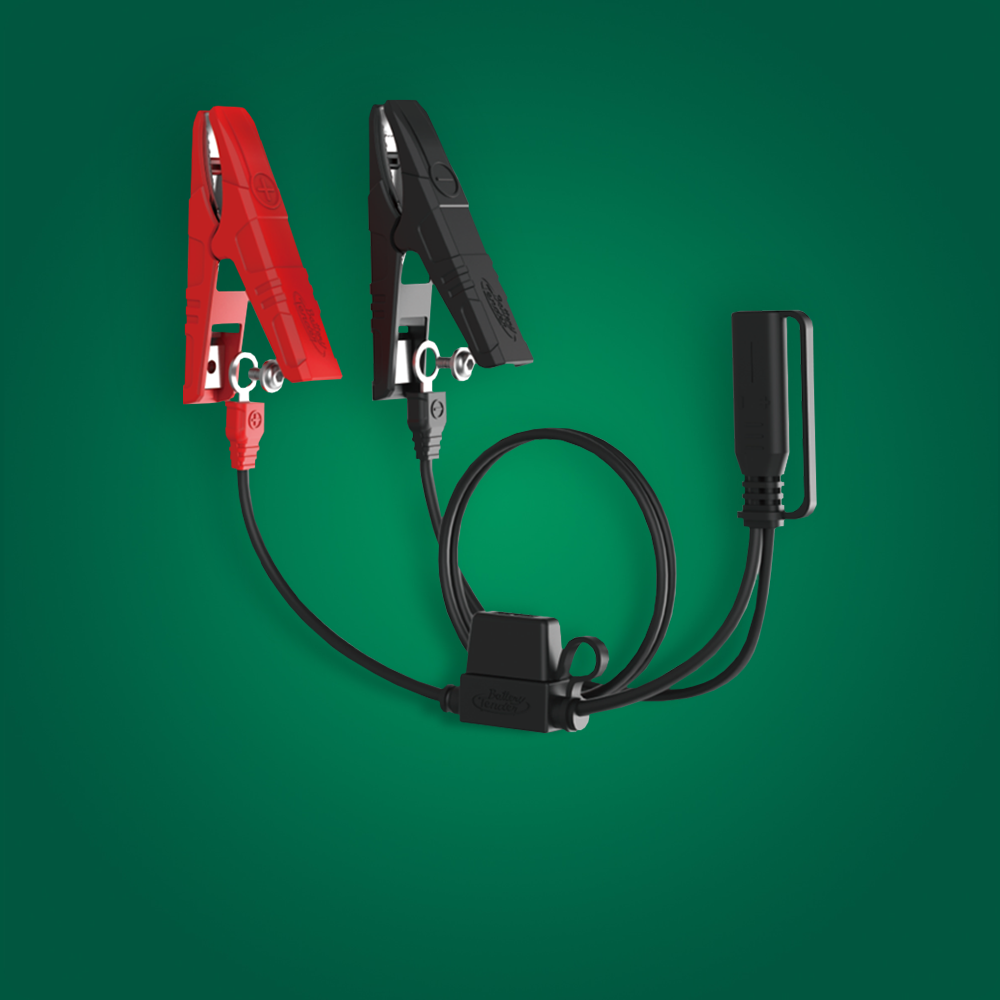
A ring terminal quick-disconnect consists of two components: a cable with ring terminals on one end that permanently attaches to the battery, and a weatherproof quick-disconnect plug on the other end that mates with the Battery Tender charger connector. Once installed, the ring terminal cable stays on the battery permanently, and the charger simply plugs into the exposed connector in seconds.
The connector is polarized, meaning it can only connect one way, eliminating any possibility of reverse connection regardless of how distracted you are when plugging in at midnight before a long trip.
Tools and Materials Required
- Battery Tender ring terminal quick-disconnect pigtail cable
- 8mm or 10mm wrench or socket
- Dielectric grease (highly recommended)
- Cable ties (recommended for routing)
- Optional: heat-shrink tubing for additional moisture protection on connections
Step-by-Step Installation
Step 1: Safety First
Park the vehicle on a flat surface with the engine off. If the vehicle has been running recently, allow the engine compartment to cool for 10 minutes. Wear safety glasses, as battery terminals can occasionally arc. Do not smoke or work near open flame, since batteries can produce hydrogen gas.
Step 2: Identify Your Terminals
Locate the positive (+) terminal, which typically has a red plastic cover and a plus symbol. Locate the negative (-) terminal, which is typically black or marked with a minus symbol. Confirm which is which with a multimeter if there is any uncertainty: positive is the higher voltage terminal, while negative is at or near 0V relative to the chassis ground.
Step 3: Install the Red (Positive) Ring Terminal
Loosen the bolt securing the positive battery cable to the positive terminal post. Do not fully remove the bolt. Loosen it only enough to slide an additional ring terminal onto the post. Slide the red ring terminal from the pigtail cable onto the positive terminal post, positioned under the existing battery cable terminal. The existing terminal goes on last, on top. Tighten the bolt firmly, securing both the existing cable and the new ring terminal together.
Step 4: Install the Black (Negative) Ring Terminal
Repeat the process for the negative terminal. Loosen the bolt, slide the black ring terminal under the existing negative cable terminal, and tighten firmly.
Step 5: Apply Dielectric Grease
Before final tightening, apply a thin layer of dielectric grease to the terminal posts. This does not conduct electricity and will not affect charging. Instead, it forms a protective barrier that dramatically slows the corrosion that eventually forms on every battery terminal in every vehicle.
Step 6: Route and Secure the Cable
Route the pigtail cable from the battery terminals to a convenient, accessible location. Ideal routing keeps the cable away from moving parts such as pulleys, belts, and fans, hot surfaces such as the exhaust manifold, and sharp edges. For most cars, routing the cable under the hood latch area or through an existing rubber grommet to the front grille area provides easy access without needing to open the hood.
Secure the cable every 6-8 inches along the route with small cable ties. Leave the quick-disconnect plug accessible. It can hang freely if protected from weather, or be clipped to a nearby wire bundle.
Step 7: Connect and Test
Connect the Battery Tender charger to the quick-disconnect plug and verify the charger powers on and begins the initialization and charging sequence. The charge status light should illuminate, confirming proper polarity and connection.
Installation Tips for Specific Vehicle Types
Motorcycles
Many motorcycles have the battery tucked under the seat or tank, making terminal access awkward. Route the pigtail out from under the seat to a visible location. The frame near the seat latch is ideal. Some riders attach a small bracket to hold the plug when not in use, keeping it from dangling and being damaged.
Boats
For boats where the battery charger will be connected at the dock each time, the quick-disconnect pigtail provides the bridge between the battery below deck or in a compartment and the charger sitting on the dock. Route the cable up through a deck fitting or existing cable penetration so the plug is accessible from the cockpit or gunwale.
Classic Cars and Show Vehicles
For owners concerned about visible wiring in a concours-correct engine bay, the pigtail can be routed completely out of sight through existing factory wire channels, with the plug tucked behind the battery tray or through a firewall grommet to the interior. The goal is zero visible wiring additions under the hood.
Using Multiple Pigtails for Multiple Vehicles
One Battery Tender charger with multiple ring terminal pigtails installed across different vehicles is an efficient solution for multi-vehicle households. Each vehicle gets its own permanently installed pigtail, and the single charger moves from vehicle to vehicle as needed, plugging in within seconds each time.
For households with 4 or more vehicles, the WaveCharge 4-Bank Multi-Vehicle Charger (SKU: 022-1004-DL-WH) charges all batteries simultaneously, so there is no need to move the charger between vehicles.
Frequently Asked Questions
Will the ring terminal pigtail drain my battery when the charger is not connected?
No. The ring terminal cable and quick-disconnect plug carry zero current when nothing is connected. The quick-disconnect is an open circuit when unplugged, the same as an unplugged lamp cord.
How long does the pigtail cable last?
Battery Tender pigtail cables use high-quality, heat-resistant insulation that withstands the temperature extremes of engine compartments. With normal care, including avoiding pinching, sharp bends, and oil contamination, a properly installed pigtail lasts the life of the vehicle.
Can I use the ring terminal pigtail with any brand of charger?
The Battery Tender quick-disconnect connector is proprietary to its charger lineup. Other brands may use different connector styles. The ring terminals themselves are universal, and any charger with alligator clips can be connected by clipping directly to the ring terminals if needed.
My vehicle has two batteries. Do I need two pigtails?
Each battery needs its own pigtail installation. If you are charging both simultaneously with a multi-bank charger, each bank of the charger connects to the pigtail on its respective battery. If charging sequentially with a single-bank charger, two pigtails still save significant time, since you only need to move the charger plug between them.
Conclusion
The ring terminal quick-disconnect is one of the most cost-effective vehicle investments available, typically under $20, and it pays for itself the first time it motivates you to charge the battery instead of skipping it because it seemed like too much work. The Battery Tender ISM technology can only protect your battery if you use it consistently, and the ring terminal pigtail makes consistent use almost effortless.
Shop Battery Tender ring terminal pigtails and all charger accessories at batterytender.com.