




Your car sits overnight with nothing left on, and in the morning the battery is dead — or at least struggling. The battery tests fine. The alternator tests fine. Yet within 48 hours of sitting, the battery is depleted again. This maddening pattern almost always points to one cause: parasitic battery drain.
Parasitic drain is the current draw that continues flowing through your vehicle's electrical system when the ignition is off and everything appears to be shut down. All modern vehicles have some parasitic draw — computers that stay active, clocks, alarm systems, key fob receivers. The question is whether yours is normal or abnormally high. Battery Tender® has been working with vehicle owners troubleshooting battery failures for over 60 years, and parasitic drain is among the most common root causes we encounter.
Normal vs. Abnormal Parasitic Draw
Every modern vehicle draws some current with the ignition off. This is normal and expected — the ECU maintains memory, the clock runs, the alarm monitors the vehicle, the key fob receiver stays active. Normal parasitic draw is typically 20–50 milliamps (mA). This sounds tiny, and it is — a 60 amp-hour battery can theoretically sustain a 50 mA draw for 50 days before going flat. In practice, a healthy battery should handle several weeks of sitting without a significant problem.
Abnormal parasitic draw begins at around 75–100 mA and above. At 100 mA, a 60 Ah battery is depleted in about 25 days. At 250 mA — a level that could be caused by a malfunctioning module or a short — depletion happens in under 10 days. At 500 mA, you may have a dead battery in 5 days.
| Parasitic Draw Level | Days Until Dead Battery (60 Ah) |
|---|---|
| 20–50 mA (normal) | 50–125 days |
| 75–100 mA (slightly elevated) | 25–33 days |
| 150–250 mA (abnormal) | 10–17 days |
| 500 mA+ (fault condition) | 5 days or less |
Common Causes of Excessive Parasitic Draw
Aftermarket Accessories
Improperly installed aftermarket accessories are the leading cause of excessive parasitic draw in modern vehicles. Amplifiers, dash cams, remote starters, aftermarket alarms, and GPS trackers all require power. When installed correctly, they draw from a switched circuit that turns off with the ignition. When installed incorrectly — wired directly to a constant power source — they draw continuously even with the car off.
Malfunctioning Factory Modules
Modern vehicles have dozens of electronic control modules. Any one of them can malfunction and fail to enter sleep mode after the ignition is off. Common offenders include the body control module (BCM), infotainment system, Bluetooth module, and telematics units. A module stuck in active mode can draw 100–300 mA by itself.
Interior Lights Left On
Dome lights, trunk lights, glove box lights, and under-hood lights that fail to extinguish draw significant current — typically 1–3 amps, far exceeding normal parasitic draw. A dome light left on for 24 hours can drain most batteries completely. Check that all interior lights extinguish properly when doors are closed.
Charging Devices Left Connected
USB chargers, tire inflators, and other accessories plugged into 12V outlets continue drawing power in many vehicles even with the ignition off, depending on how that outlet is wired. If your outlet is connected to a constant-power circuit, anything plugged in draws continuously.
Failing Battery or Alternator Diodes
A battery with an internal short can self-discharge rapidly. A faulty alternator with bad diodes can allow current to flow backward through the alternator when the engine is off, draining the battery. Both of these appear as excessive parasitic draw during testing but require component replacement rather than circuit diagnosis to resolve.
How to Test for Parasitic Draw
Testing parasitic draw requires a digital multimeter with an ammeter function (current measurement). This is a safe, straightforward test any vehicle owner can perform with the right equipment.
- Turn off the vehicle and all accessories. Close all doors (or use a door switch clip to keep interior lights off).
- Let the vehicle sit for 20–30 minutes to allow all modules to enter sleep mode. Some modern vehicles take this long to fully power down all systems.
- Set your multimeter to DC amperes (10A or 20A range to start).
- Disconnect the negative battery cable.
- Place the multimeter in series between the negative cable and the negative battery terminal — current must flow through the meter.
- Read the current draw. Above 50 mA warrants investigation; above 100 mA is definitively abnormal.
- If draw is abnormal, begin pulling fuses one at a time while watching the meter. When a specific fuse causes the draw to drop significantly, you have identified the circuit with the problem.
- Consult the vehicle's fuse diagram to identify what systems that fuse controls, then investigate those systems further.
Important Notes on the Test Procedure
- Do not start the vehicle or turn on the ignition during the test — this will blow the multimeter fuse.
- Some vehicles require 30–45 minutes of sleep time before modules power down — take your reading after this period.
- On some modern vehicles, accessing the fuse box with the door open prevents sleep mode — a door switch clip or held-closed door switch is necessary for accurate results.
Fixing Excessive Parasitic Draw
Aftermarket Wiring Issues
The fix for improperly installed aftermarket accessories is rewiring them to a switched circuit that receives power only when the ignition is on. This is typically a straightforward task for an experienced installer or shop, but it requires knowing which specific circuit is the source.
Malfunctioning Modules
A module that fails to sleep requires dealer or shop diagnosis — they have the factory diagnostic tools to identify which module is drawing excess current and whether a software update, reset, or replacement is required.
Interior Lights
Replace failed door switches that prevent lights from extinguishing. This is typically a $10–30 part and a 30-minute repair. Until repaired, manually confirm lights are off after closing the door.
Preventing Battery Damage While Diagnosing
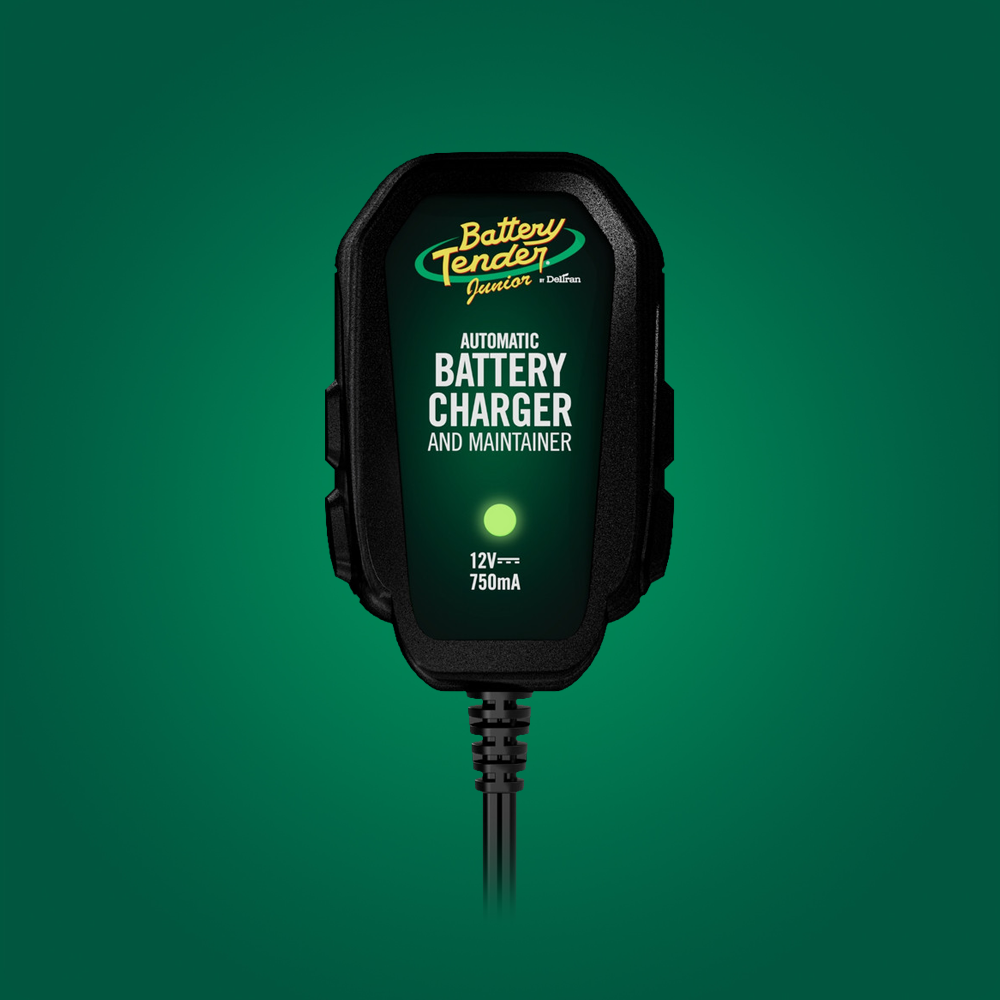
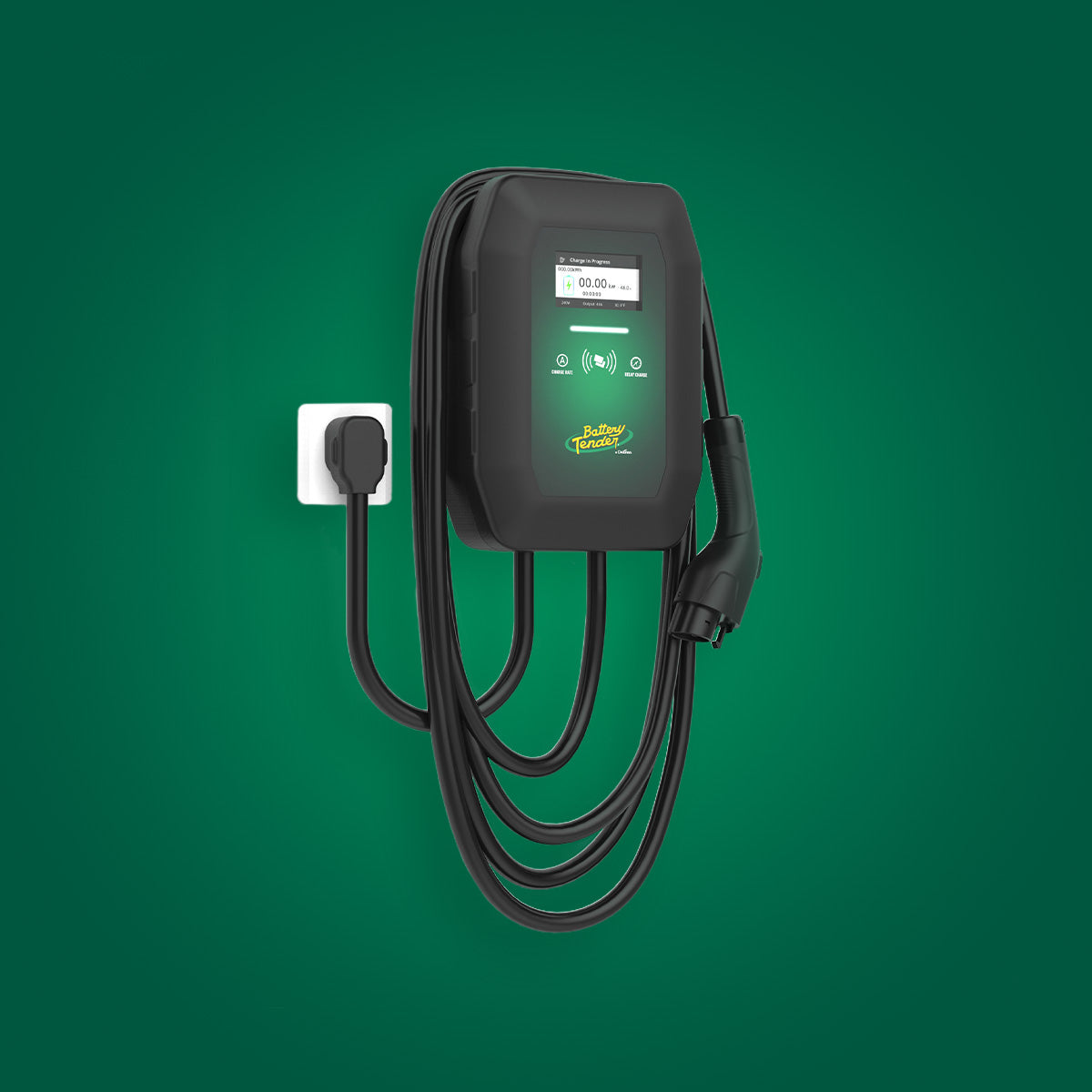
Parasitic drain diagnosis can take days or weeks if the problem is intermittent or requires waiting for a shop appointment. During this time, the battery continues to discharge. Connecting a Battery Tender smart charger whenever the vehicle is parked maintains the battery at full charge regardless of the draw — preventing the sulfation damage that compounds with each discharge cycle.
The Battery Tender Plus 1.25 AMP 12V (SKU: 021-0128) connected overnight will fully restore what a moderate parasitic draw consumed during the day, keeping the battery healthy while you identify the root cause.
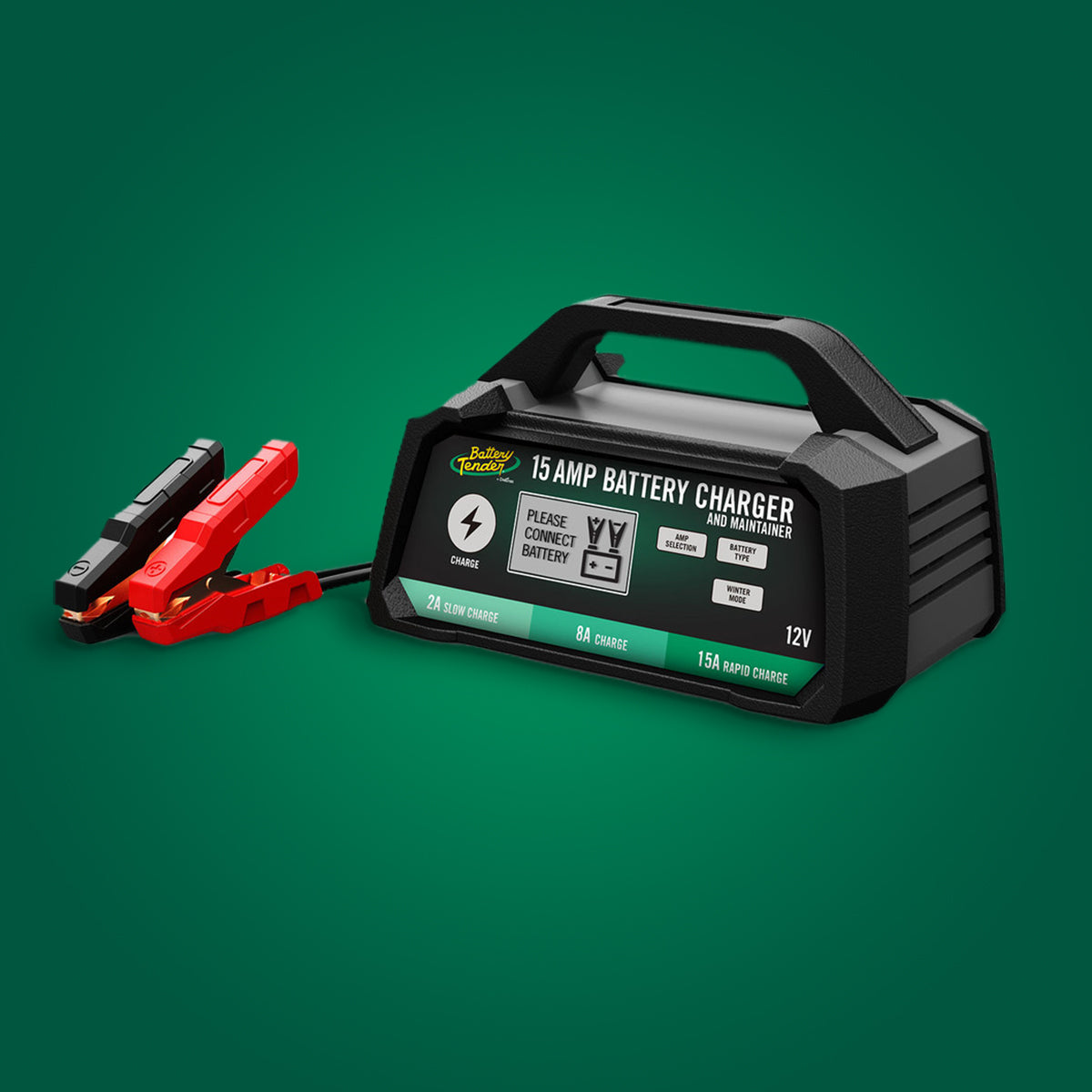
For vehicles with severe draw that depletes the battery before morning, a higher-amperage charger recharges faster. The 8 AMP / 2 AMP Power Tender provides a rapid 8-amp recovery charge followed by maintenance mode.
Shop the 8 AMP / 2 AMP Power Tender (SKU: 022-1005-DL-WH) for faster overnight recovery.
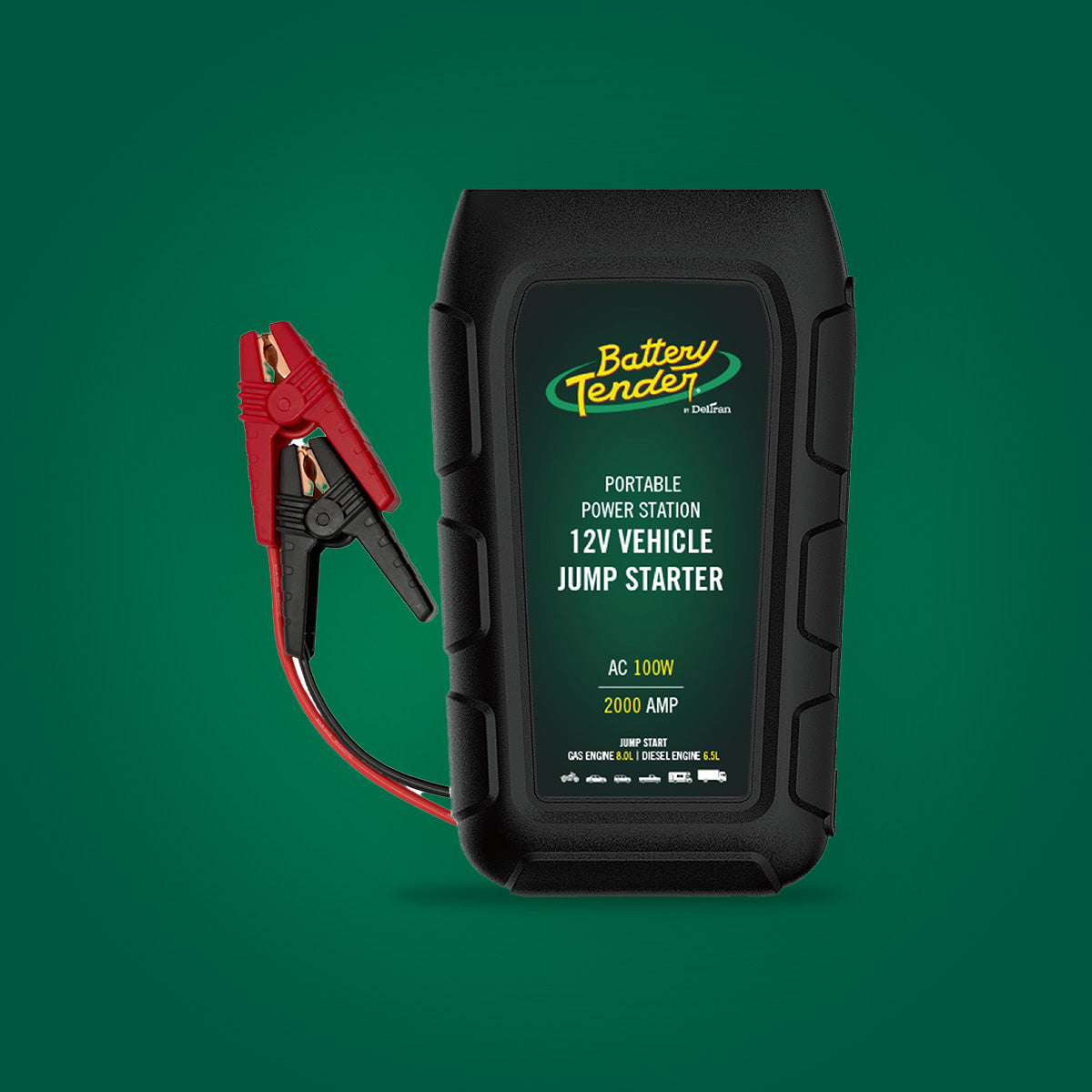
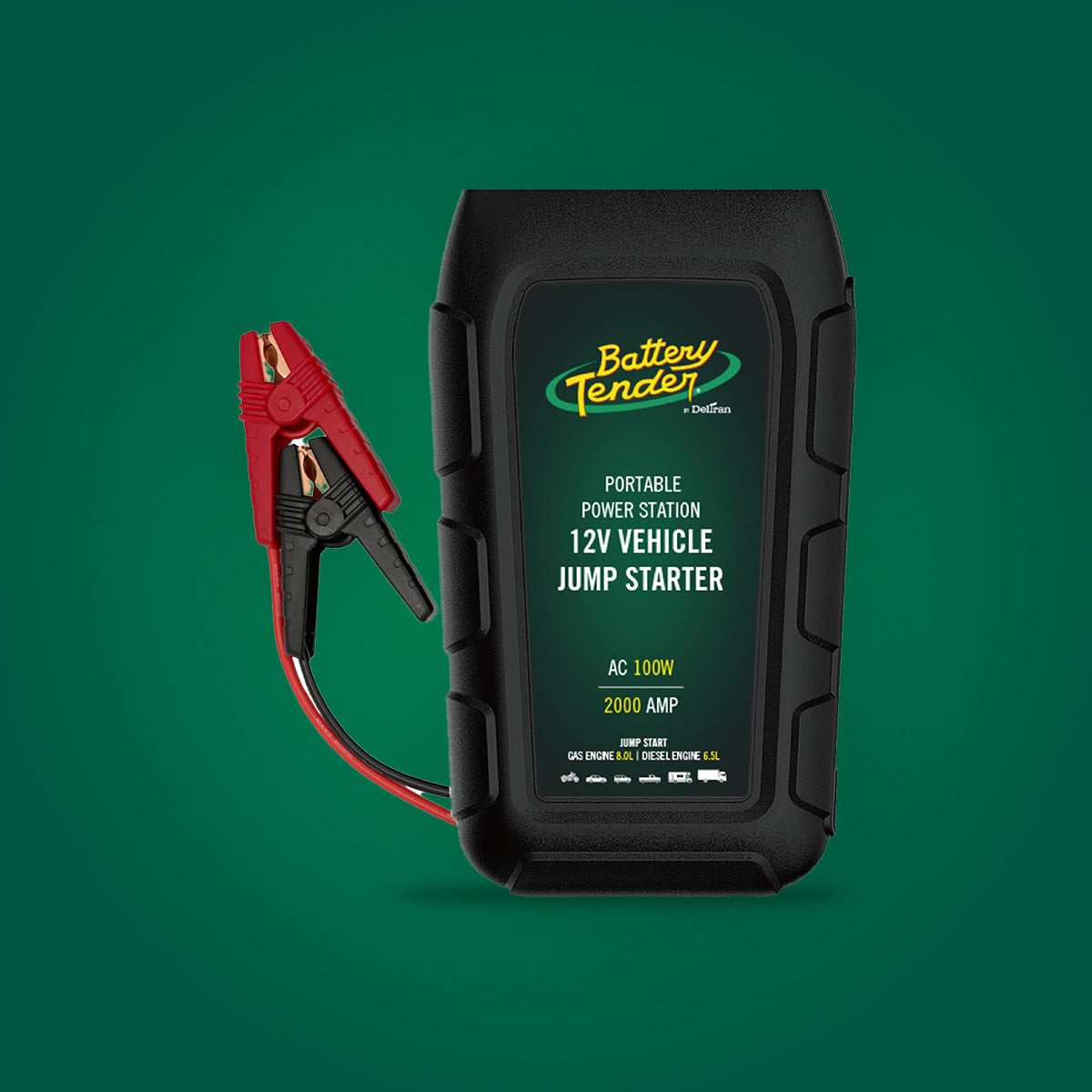
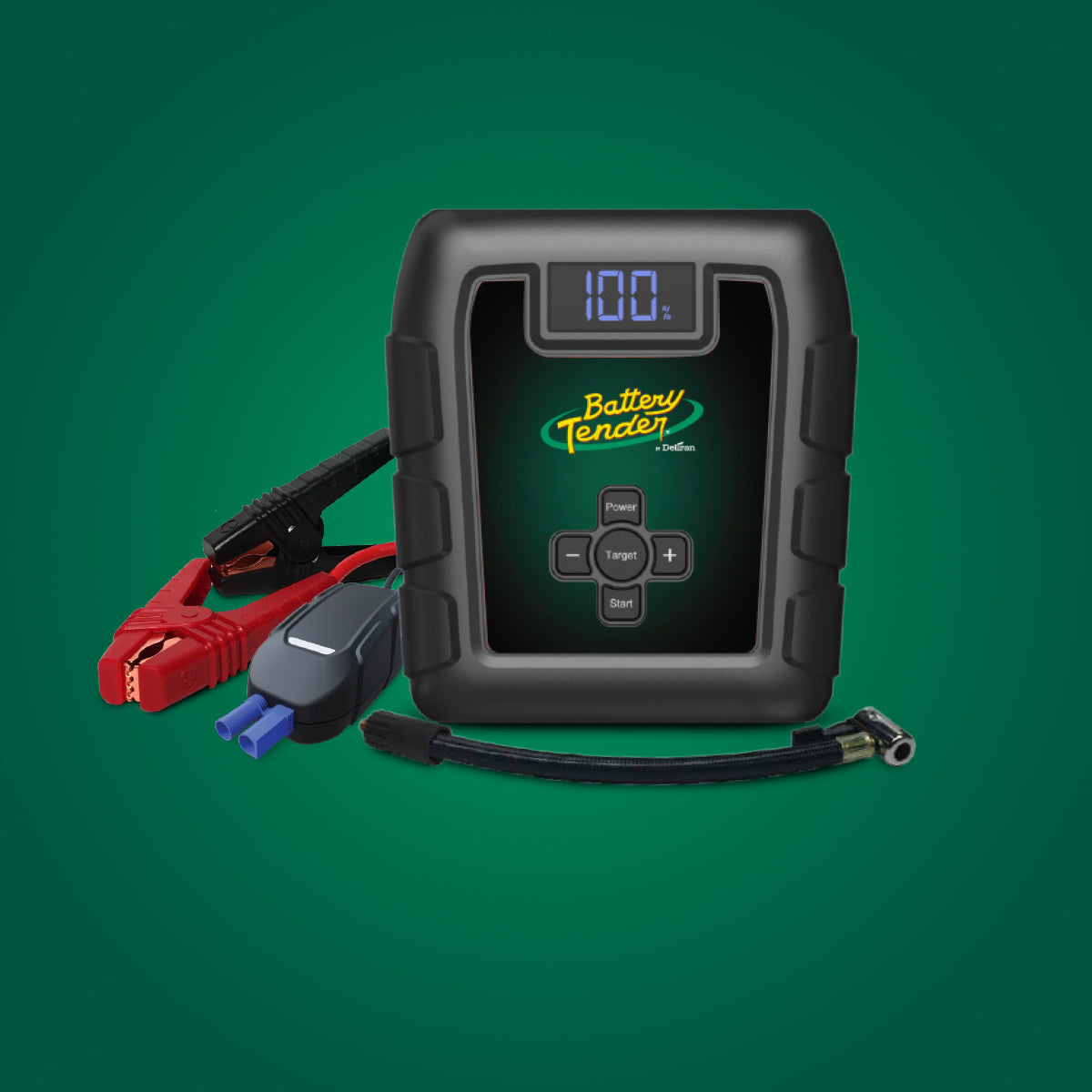
For emergency situations where the battery is dead in the morning, the Charge N Start 1120 provides a jump start immediately, then transitions to smart battery maintenance — one device handling both the immediate problem and ongoing care.
Explore the Charge N Start 1120 — 1 AMP Charger + 1200 AMP Jump Starter (SKU: 030-7012-WH).
Frequently Asked Questions
How long should a car battery last without driving?
A healthy battery with normal parasitic draw (20–50 mA) can sit 4–8 weeks without driving before voltage drops low enough to affect starting. A battery with elevated draw or reduced capacity may fail in days. Connecting a smart maintainer eliminates the time limit entirely.
Will disconnecting the battery fix parasitic drain?
Disconnecting the battery stops further discharge but does not fix the underlying problem. It also resets electronic systems, clears radio codes, and can trigger security system lockouts. Fixing the draw source is the correct long-term solution.
Can a bad alternator cause parasitic drain?
Yes. Faulty alternator diodes can allow reverse current flow when the engine is off, draining the battery. This shows up as excessive parasitic draw during testing. An alternator diode test at a shop or parts store identifies this condition.
My battery keeps dying even though I drive daily. Is that parasitic drain?
Possibly, but daily driving usually provides enough charging time to overcome moderate parasitic draw. If the battery dies despite daily driving, consider that the battery may have reduced capacity from age or sulfation, the alternator may be undercharging, or the parasitic draw is unusually severe (250+ mA).
Conclusion
Parasitic battery drain is a solvable problem — but solving it requires systematic diagnosis rather than repeated battery replacements. Understanding how to measure current draw and isolate the problem circuit saves money and prevents the frustration of replacing a battery only to have the new one die just as quickly. While pursuing the diagnosis, Battery Tender smart chargers keep the existing battery healthy and functional, preventing the compounding damage of repeated deep discharges.
View the full range of automotive charging solutions to protect your battery while you resolve the underlying drain issue.


