

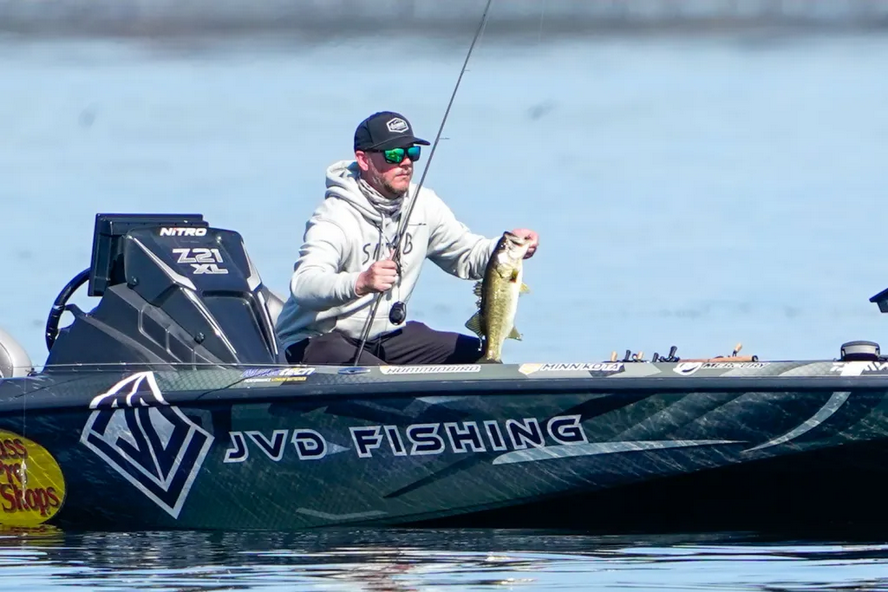
Center console fishing boats are purpose-built for serious anglers who demand reliability, power, and performance from their vessel. From the 18-foot inshore flats boat to the 30-foot offshore canyon runner, these boats share a common characteristic: complex electrical systems that must perform flawlessly in demanding conditions.
Battery Tender® has been the charging system of choice for serious anglers and guides for decades. This guide builds a complete battery and charging system architecture for center console applications.
Center Console Battery Configurations by Boat Size
Smaller center consoles (18 to 22 feet) typically use two batteries: one AGM starting battery for the outboard and one deep-cycle battery for the trolling motor and electronics. Mid-size boats (22 to 26 feet) commonly run three batteries: starting, dedicated electronics/house, and trolling motor. Larger offshore-capable boats (26 to 34 feet) may carry four to six batteries: twin outboard starting batteries, a dedicated house bank, a trolling motor bank, and sometimes a dedicated electronics battery. Twin-engine configurations require a starting battery for each engine.
The key principle across all configurations is isolation: starting batteries should never be depleted by electronics or accessory loads, and trolling motor banks should have their own dedicated capacity. A battery switch — a 1-2-BOTH-OFF selector — provides manual control over which batteries power which loads and allows cross-connection in emergencies.
Starting Battery Requirements
Modern outboard engines from Mercury, Yamaha, Suzuki, and Honda require substantial cold cranking amps for reliable starting. A 115 to 150 horsepower four-stroke outboard needs at least 500 CCA; a 200 to 300 horsepower engine needs 600 to 800 CCA. Offshore boats with engines above 300 horsepower may require 1,000 CCA batteries. Always consult your engine manufacturer's battery specification guide.
AGM starting batteries are strongly preferred for marine applications because their sealed construction handles the constant vibration of running across open water without the electrolyte stratification and plate damage that affects flooded batteries in high-vibration environments. They also recharge faster from the outboard's alternator, recovering starting capacity more quickly after each start event. Learn more about battery chemistry comparison: AGM vs lithium (LiFePO4) vs flooded vs gel.
Trolling Motor Battery Selection
Trolling motor battery requirements depend on motor voltage and thrust. A 12V trolling motor up to 55 lbs of thrust is adequately served by a single Group 27 or Group 31 deep-cycle AGM battery of 90 to 100Ah. A 24V system (two 12V batteries in series) for motors up to 80 lbs of thrust needs two matched deep-cycle batteries, ideally from the same manufacturer and production run. A 36V system (three 12V batteries in series) for 100+ lb thrust motors requires three matched batteries for balanced performance and longevity.
For tournament fishing where sustained trolling motor use is the norm, lithium iron phosphate (LiFePO4) batteries have become increasingly popular in 24V and 36V trolling configurations. They weigh roughly half as much as AGM equivalents and can be discharged more deeply without damage. Battery Tender will be launching a lithium battery line in summer 2026 to serve this growing market. In the meantime, quality AGM deep-cycle batteries charged with Battery Tender WaveCharge multibank chargers deliver excellent performance.
For reference on battery sizing, see marine battery group sizes explained: 24, 27, 31, 4D, 8D.
Electronics and House Battery
The electronics and house battery powers your chartplotter, sonar, VHF radio, live wells, cabin lighting, bilge pump, and any other non-propulsion loads. For a well-equipped center console with a full electronics suite, a Group 31 AGM deep-cycle battery of 100 to 120Ah provides adequate all-day capacity for moderate loads. Heavier electronics packages or longer days on the water benefit from two Group 31 batteries wired in parallel for 200 to 240Ah total capacity.
Separating electronics from the trolling motor bank protects your navigation equipment's power quality. Trolling motor batteries experience voltage sag under heavy load that can affect sensitive electronics. A dedicated electronics battery maintains stable voltage for critical navigation and communication equipment throughout the day.
Charging System: Permanent Onboard Solution
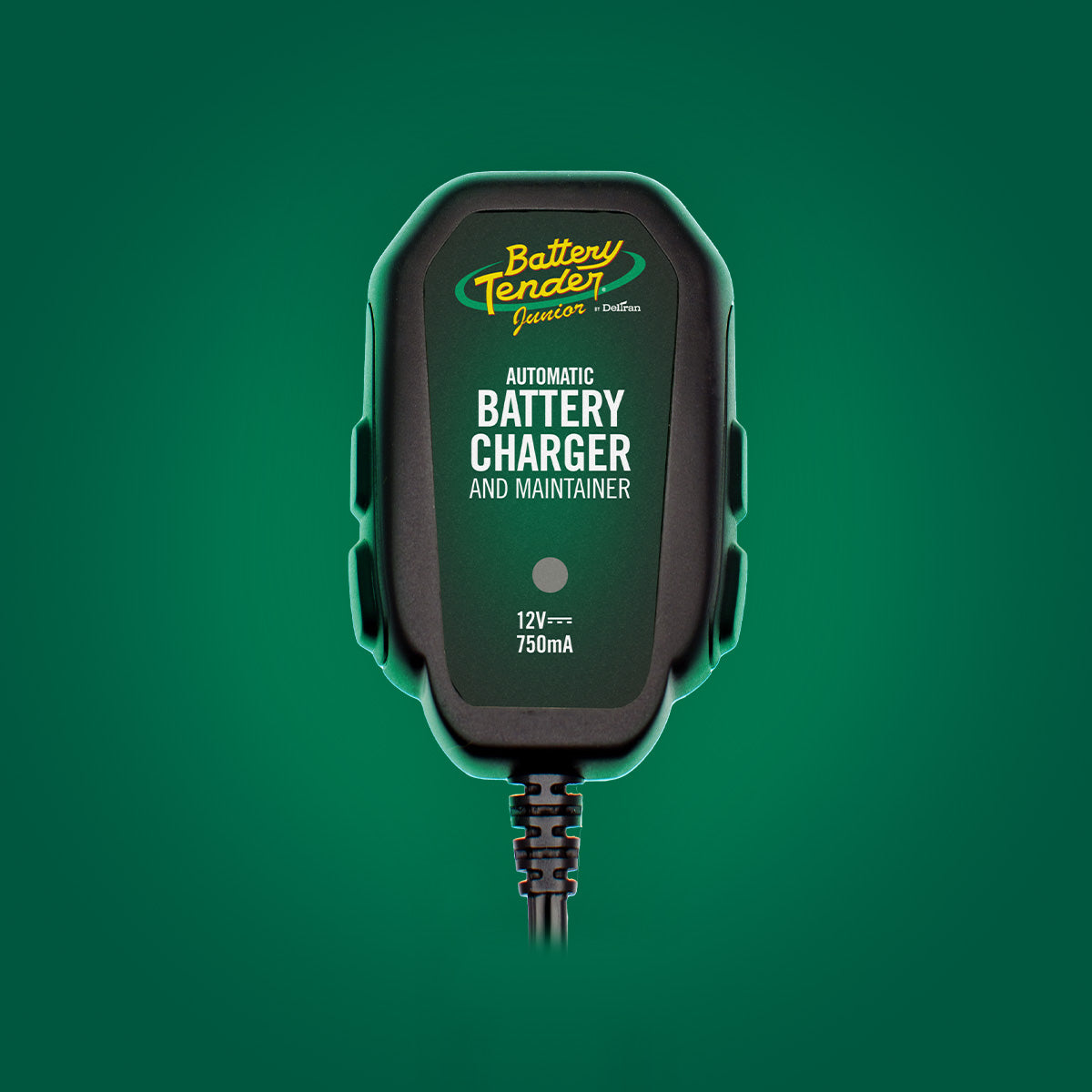
For a three or four-battery center console, the Battery Tender WaveCharge Pro 4-bank onboard charger provides the most convenient charging solution available. Permanently mounted in the bilge area or under a seat with access to shore power through a hull-mounted inlet, the WaveCharge charges all banks simultaneously and independently overnight. Every battery arrives at the next morning's launch fully charged and conditioned by the ISM four-stage process.
IP68 waterproof construction means the WaveCharge handles spray, rain, bilge moisture, and hosing down without concern. Automatic multi-chemistry detection serves AGM, flooded, and gel batteries without manual adjustment. Independent bank monitoring means a fully charged battery enters maintenance mode while others continue receiving bulk charge — the most efficient possible use of charging time.