




Most drivers think about battery cost as whatever they paid at the auto parts counter. The real number is much higher — and understanding it makes the case for maintenance charging impossible to ignore.
Battery Tender® has been helping drivers avoid unnecessary battery failures since 1989, when the company introduced the first consumer smart charger. The math that justified that product then is even more compelling today as vehicles grow more complex and battery-related failures become more costly.
The Direct Cost of Battery Replacement
Passenger car batteries range from $100 to $350 depending on vehicle requirements. AGM batteries required by start-stop systems, luxury vehicles, and performance cars command a premium. Add installation labor at $30 to $80 at an independent shop, or $50 to $120 at a dealership. For vehicles where the battery is buried under seats, in the trunk, or behind interior panels — increasingly common on European luxury vehicles — dealer installation can reach $200 or more.
The national average for a complete battery replacement including parts and labor is approximately $230. For vehicles requiring specialized AGM batteries with coded registration to the vehicle's battery management system — required by BMW, Mercedes, Audi, Porsche, and others — add $50 to $150 for the dealer coding procedure. Total out-of-pocket for a luxury vehicle battery replacement: easily $400 to $550.
The Hidden Cost: Towing and Roadside Assistance
A dead battery at home is an inconvenience. A dead battery in a parking lot, on the highway, or in an unfamiliar city is an expensive emergency. Without roadside assistance coverage, a tow within 5 miles costs $75 to $125. A 20-mile tow runs $125 to $250. Add after-hours or weekend premiums and those numbers climb further.
Even with roadside assistance membership — typically $60 to $120 per year for AAA coverage — a service call uses your annual benefit and often involves a 45-minute to 2-hour wait. For professionals billing at $100 to $300+ per hour, that downtime carries a real economic cost that never shows up on the receipt.
The Cost of Premature Battery Failure
The average car battery is rated for 4 to 5 years under normal conditions. Research consistently shows that batteries in infrequently driven vehicles, subject to extreme temperatures, or regularly deep-discharged fail 18 to 30 months earlier than their rated lifespan. That means paying $230 every 2.5 years instead of every 4.5 years — a difference of roughly $600 over a 10-year vehicle ownership period on battery costs alone.
Sulfation — the buildup of lead sulfate crystals on battery plates that occurs when batteries remain in a discharged state — is the leading cause of premature battery failure. A battery that sits at partial charge for weeks, as stored vehicles routinely do, suffers progressive sulfation that permanently reduces capacity. The ISM technology in Battery Tender chargers applies a controlled desulfation stage during the Initialization phase, reversing early sulfation and recovering capacity that would otherwise be permanently lost.
Calculating Your Maintenance Charging ROI
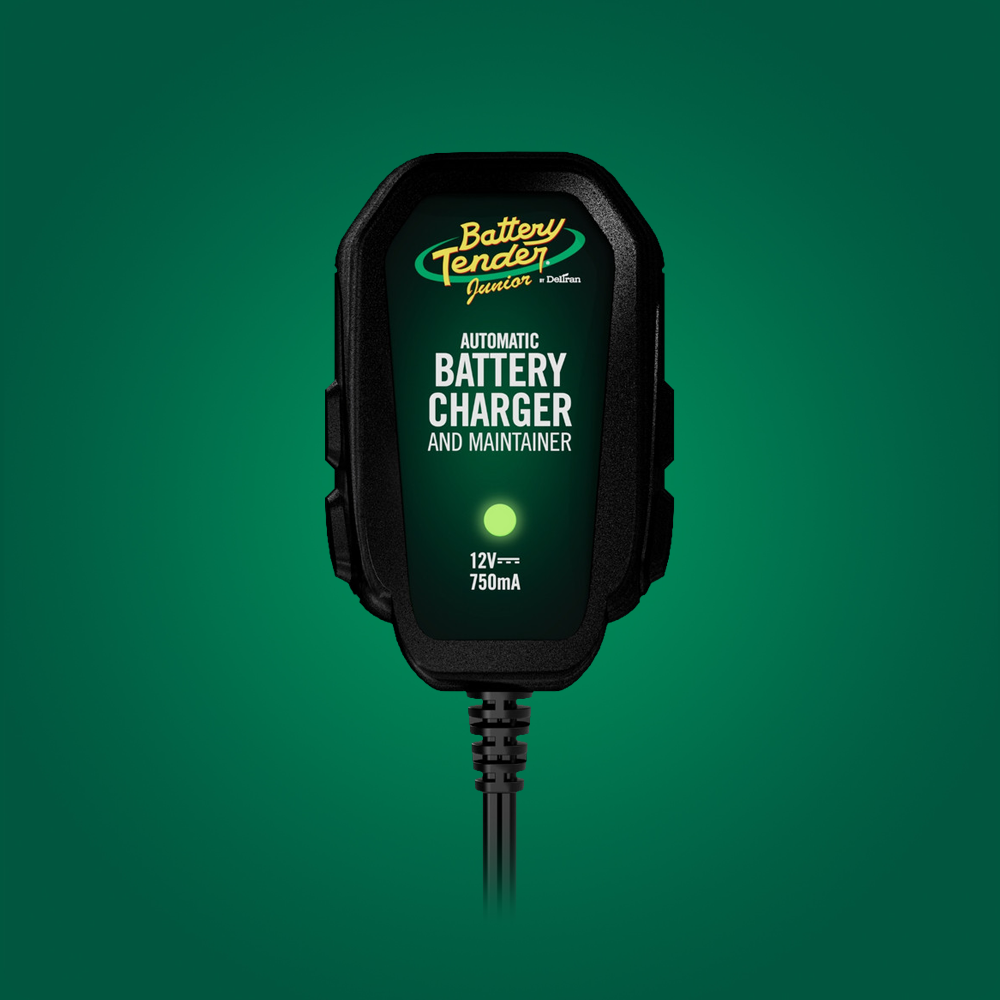
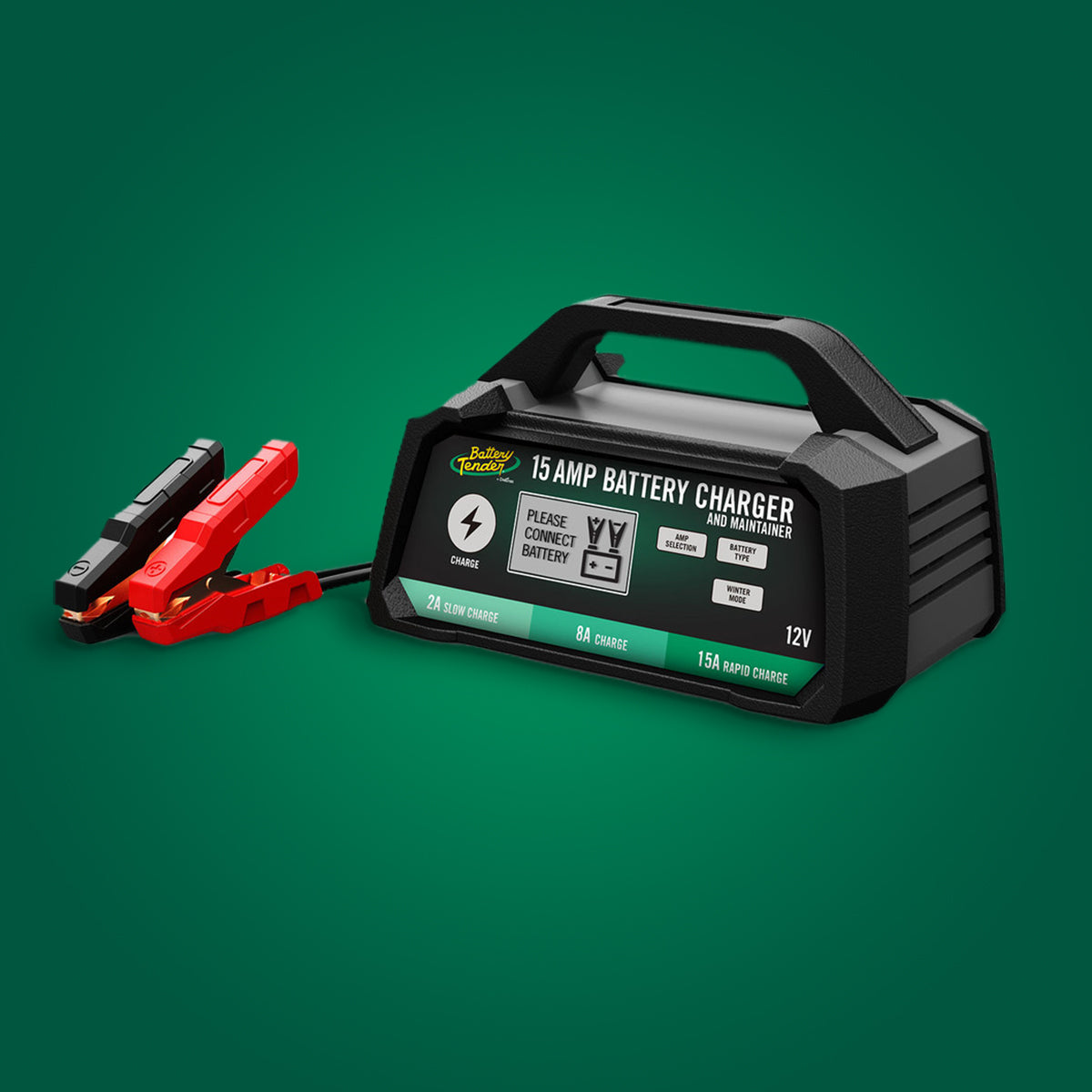
A Battery Tender Plus charger costs $49.95 and typically extends battery life by 2 to 3 years. Using conservative numbers — one replacement avoided at $230 over a 5-year period — the charger pays for itself more than 4 times over. For a driver with two stored or infrequently used vehicles, a two-bank charger for $139 extends two batteries and avoids two premature replacements: roughly $900 in avoided costs from a $139 investment.
The electricity cost of running a smart charger in maintenance mode is approximately $0.50 to $1.50 per month per battery. Over a full year of maintenance, the total energy cost is under $20. Compared to the cost of even one tow call, the economics are overwhelming.
The Intangible Costs
Dead batteries create missed appointments, stressful commutes, and damaged trust in vehicles that should be reliable. For businesses operating service vehicles, delivery vehicles, or equipment, unplanned downtime has a direct revenue impact. A single missed delivery or service call can cost more than a year of battery maintenance charging. Fleet operators who implement Battery Tender charging programs across their vehicles report significant reductions in battery-related service calls and the associated productivity losses.
The Smart Math
For a stored classic car, seasonal powersports vehicle, or boat: Budget $50 for a Battery Tender charger, spend $1 per month on electricity, and avoid $230+ in battery replacement every 4 to 5 years. The 10-year net savings easily exceeds $400 per vehicle. For a daily driver that sits over long weekends or holidays: The same math applies, amplified by the risk of being stranded somewhere inconvenient. The cost of not maintaining your battery is always higher than the cost of maintaining it.