



Hyundai Ioniq 5 and Kia EV6 Battery Maintenance Guide
The Hyundai Ioniq 5 and Kia EV6 represent a genuine leap in electric vehicle engineering. Built on Hyundai Motor Group's 800-volt E-GMP platform, both vehicles support ultra-fast 350 kW DC fast charging — a capability that puts them in an entirely different tier from most EVs on the road today. Yet for all that high-voltage sophistication, this Hyundai Ioniq 5 and Kia EV6 battery maintenance guide exists because ownership longevity depends on something far more familiar: a conventional 12V auxiliary battery, a Level 2 home charging setup matched to the vehicles' AC acceptance rate, and a maintenance discipline that protects both systems between charges.
Understanding the E-GMP Dual-Battery Architecture
Every E-GMP vehicle operates two electrically distinct battery systems simultaneously. The high-voltage traction pack — available in 58 kWh standard range and 77.4 kWh long-range configurations — powers the drive motors and feeds the 800-volt fast charging infrastructure. A separate 12V AGM auxiliary battery handles everything else: door locks, window controls, lighting, the CAN bus network, and critically, the high-voltage contactors that physically connect the traction pack to the powertrain. If the 12V battery fails, the high-voltage system cannot engage. The vehicle will not start, move, or charge — regardless of how much energy remains in the main pack.
Hyundai and Kia have engineered their battery management systems to monitor 12V auxiliary state and actively recharge it via the onboard DC-DC converter during normal operation. That engineering is thorough. It is not, however, a substitute for dedicated maintenance charging during extended parking periods, seasonal storage, or repeated short trips that never allow the converter to complete a full 12V replenishment cycle.
Why the 12V Auxiliary Battery Depletes in Ioniq 5 and EV6 Owners
Modern E-GMP vehicles maintain a persistent electrical draw even when parked and locked. Remote climate preconditioning, over-the-air software update reception, always-on telemetry, Bluetooth proximity sensing, and the vehicle's own health monitoring routines all pull continuous current from the 12V system. In temperate conditions with frequent use, the DC-DC converter manages these loads without difficulty. The failure scenarios emerge at the margins.
Extended airport parking of two weeks or more. Cold weather storage where the auxiliary battery's capacity drops 20–30% below its rated output. Repeated short urban trips where the vehicle never reaches full thermal equilibrium. Each of these situations creates a cumulative 12V deficit that the BMS converter cannot fully offset. The result is a dead auxiliary battery, a vehicle that presents as completely immobilized, and a roadside assistance call that typically takes hours to resolve because most technicians are unfamiliar with E-GMP service procedures.
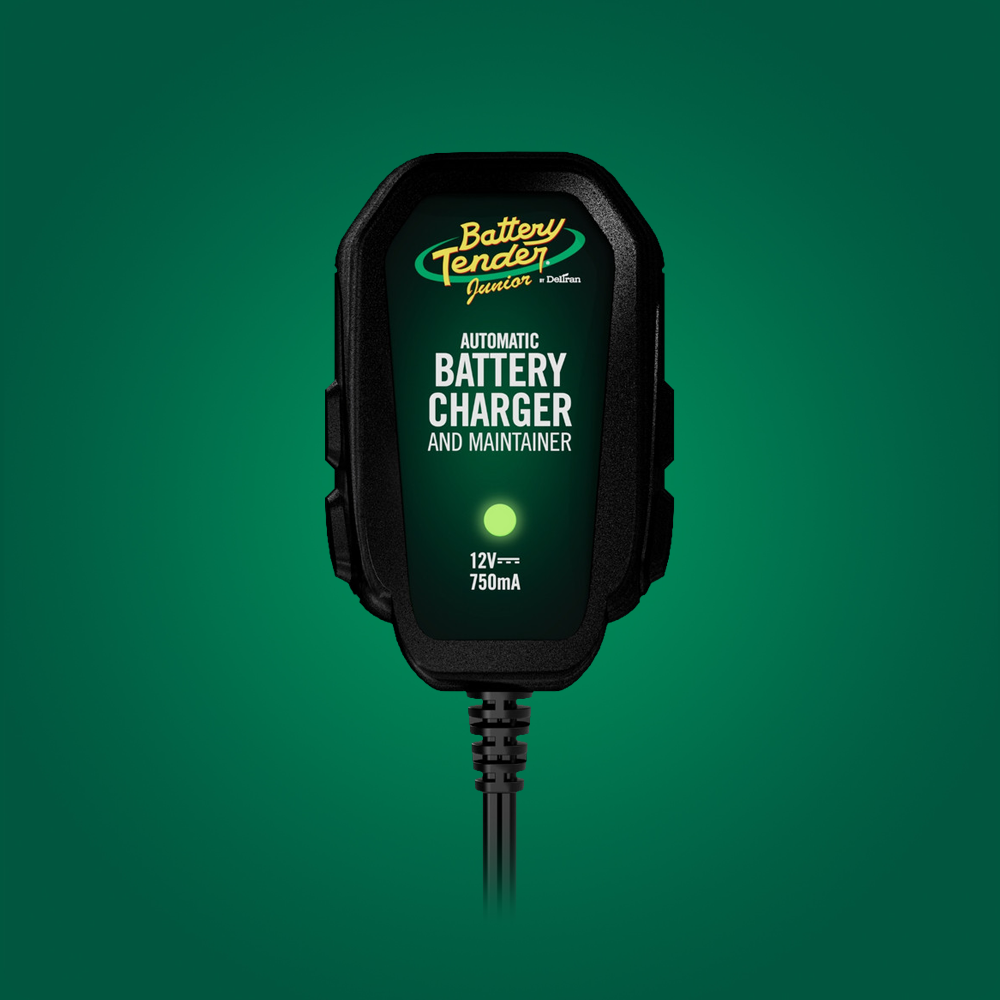
The prevention is straightforward. The Ioniq 5 and EV6 both provide accessible 12V service terminals under the hood — a design choice that allows maintenance charging without removing interior panels or disturbing the cargo floor battery compartment. Connecting a Battery Tender® Plus 12V 1.25A to those terminals provides continuous float maintenance that keeps the auxiliary battery at full capacity indefinitely. The charger's automatic maintenance mode monitors battery state and cycles between active charging and float maintenance without overcharging — appropriate for the AGM chemistry Hyundai and Kia specify for these vehicles.
Level 2 Home Charging: Matching Output to Vehicle Acceptance Rate
The Ioniq 5 and EV6 accept Level 2 AC charging at up to 10.5 kW on a 48-amp circuit. That specification matters when selecting home charging equipment, because undersized chargers create a mismatch that extends charge times unnecessarily and fails to take advantage of the overnight charging window most owners actually have available.
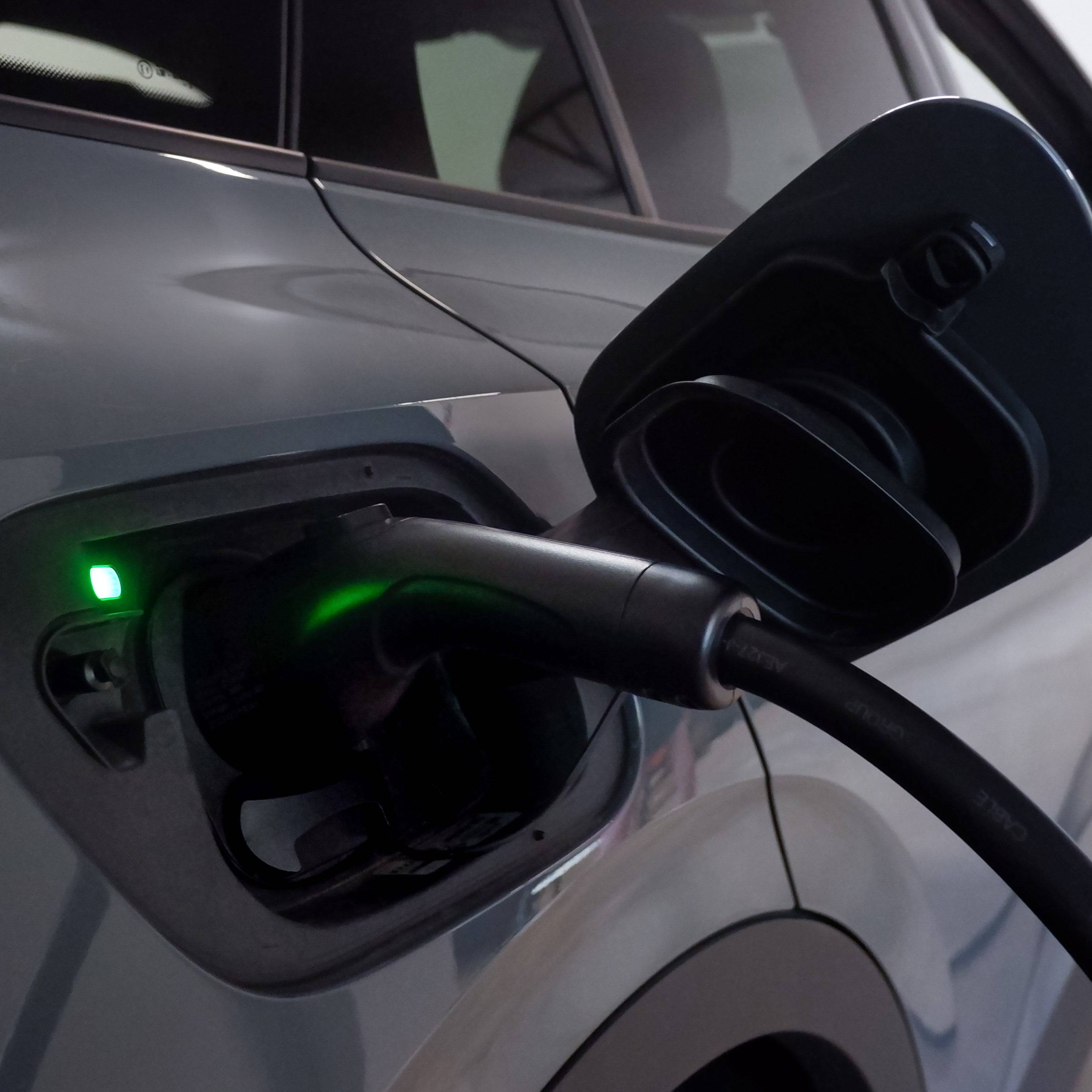
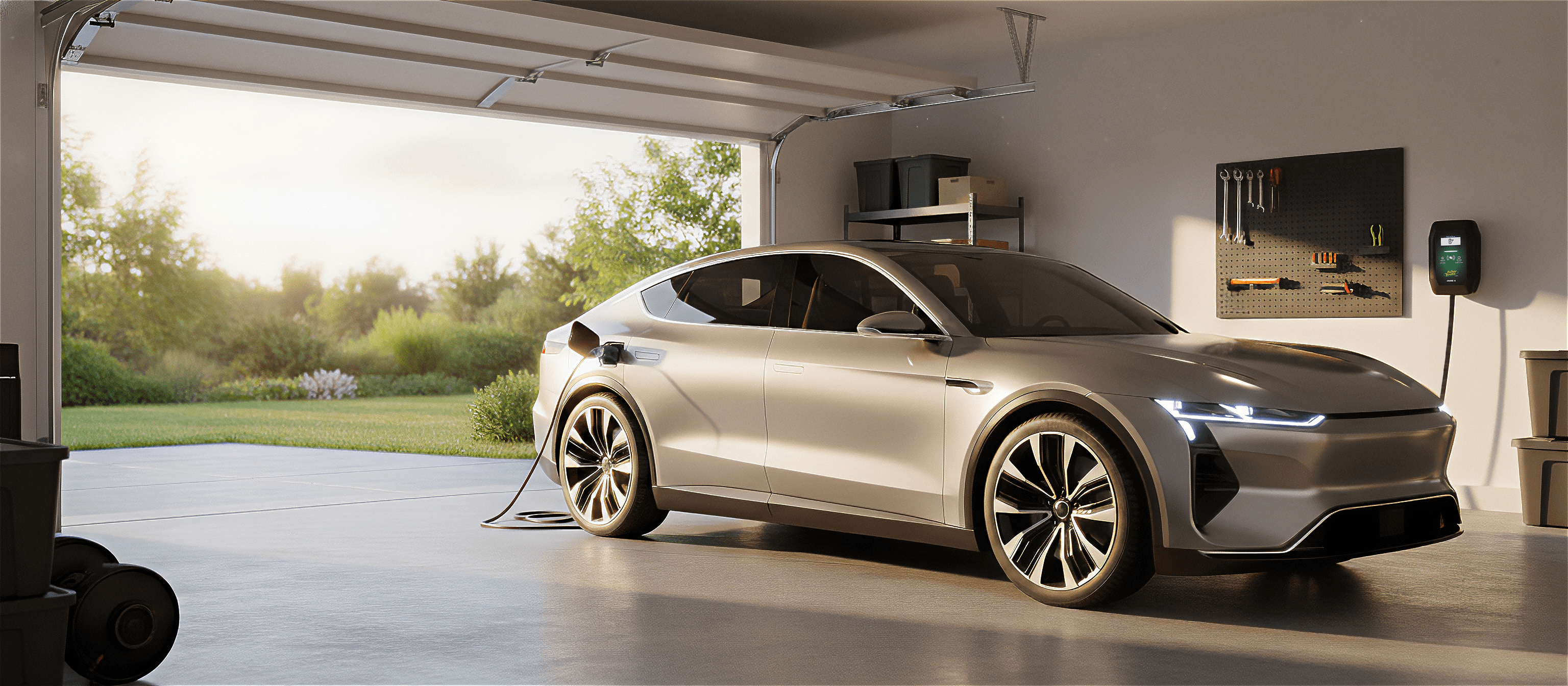
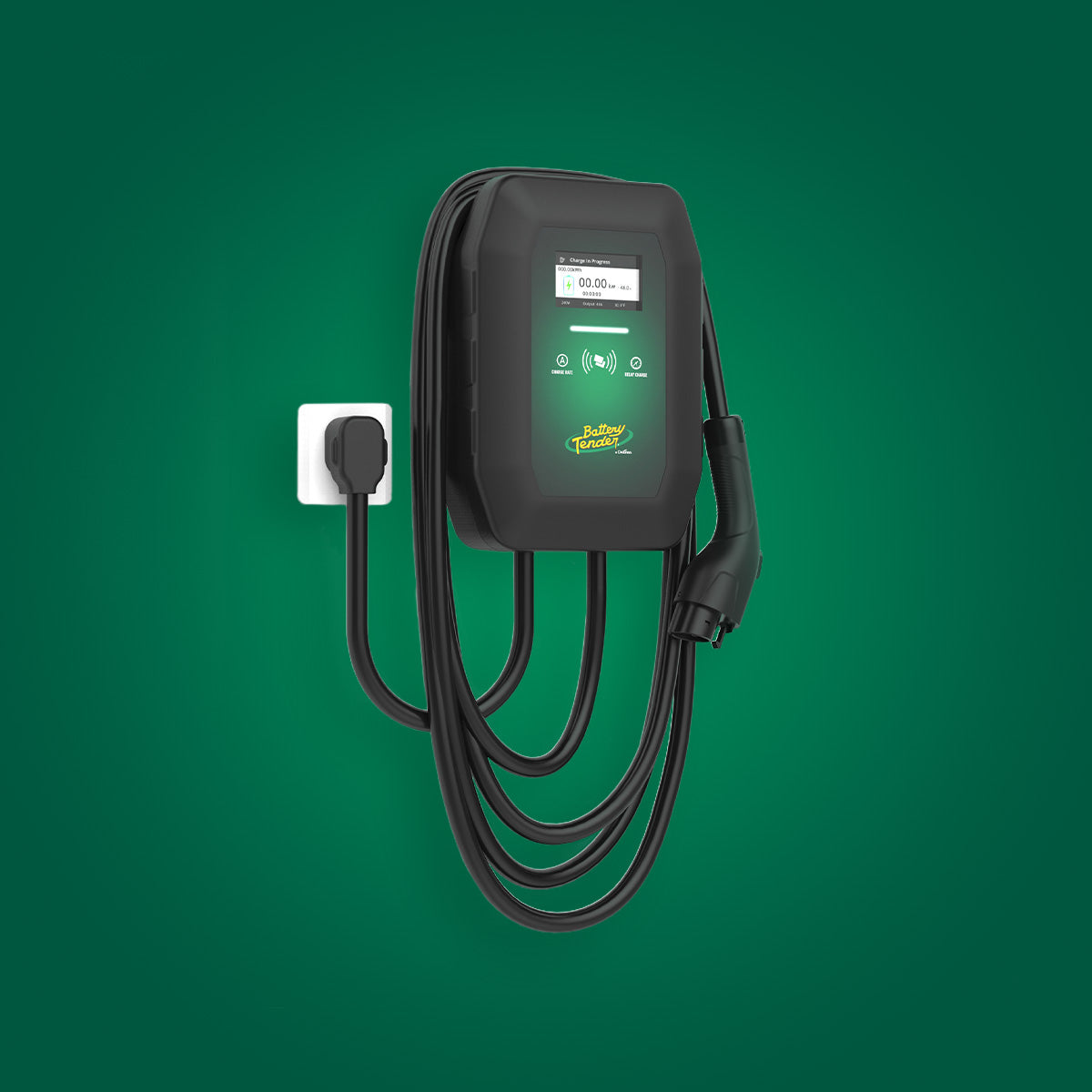
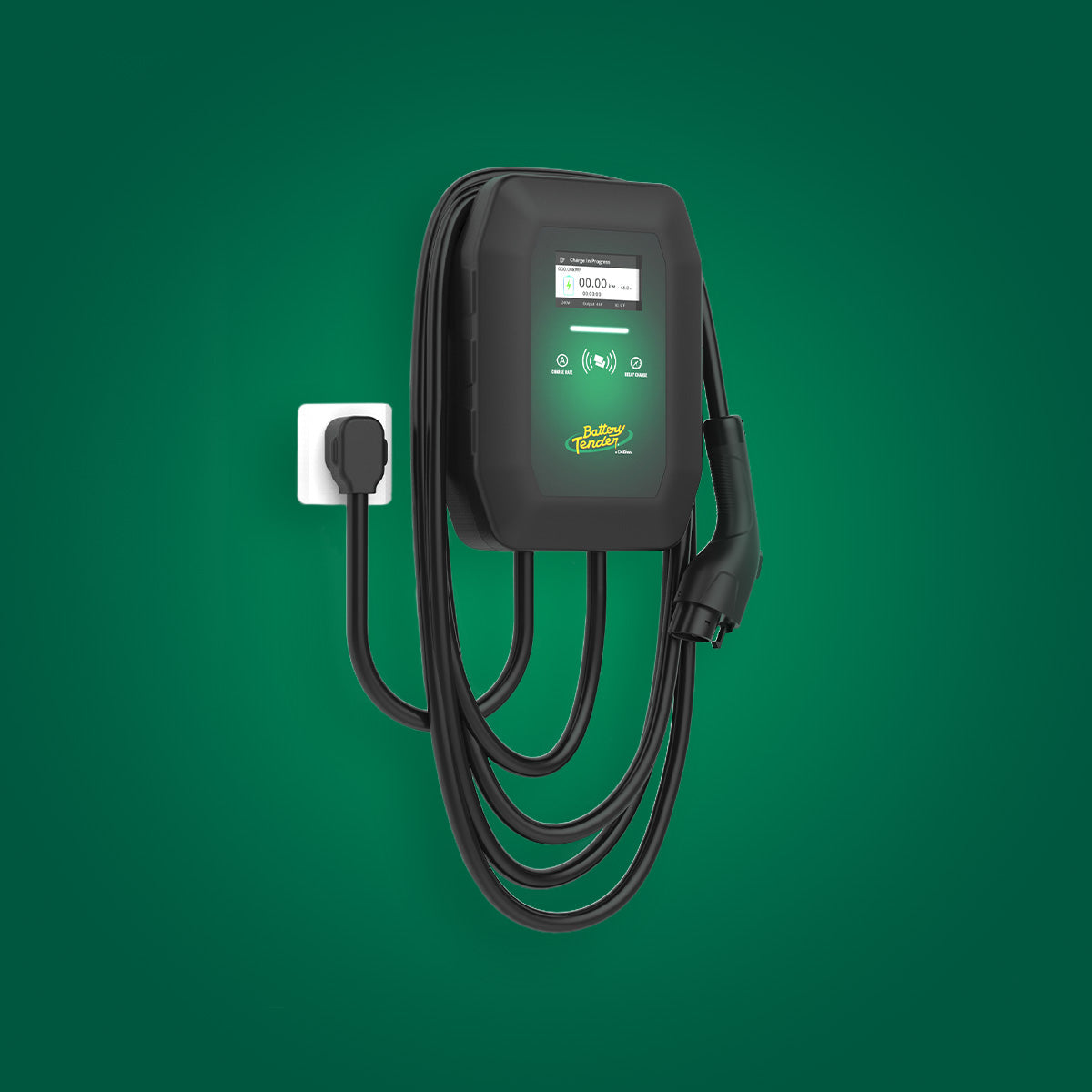
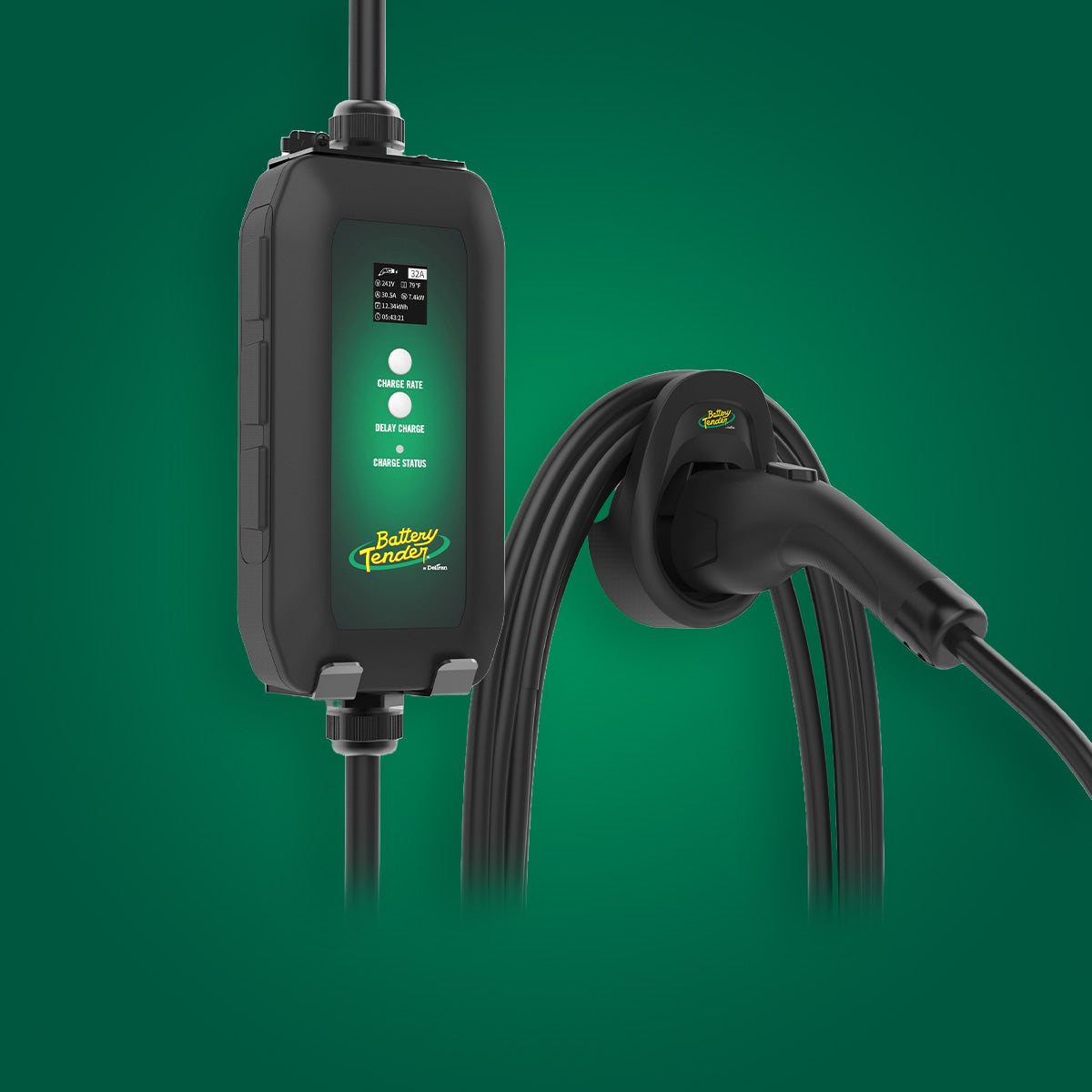
The Battery Tender eCharge 40 AMP Level 2 Mountable EV Charger delivers 9.6 kW on a 50-amp circuit — near the vehicles' maximum AC acceptance rate. For a standard range Ioniq 5 or EV6 with 58 kWh usable capacity, that output produces a full charge from near-depleted in approximately six hours. Long-range variants with 77.4 kWh usable capacity charge fully in approximately eight hours — well within a standard overnight window. The unit's hardwired or 240V A/C wall plug installation and weatherproof enclosure make it equally appropriate for garage and exterior carport mounting, and the 25-foot cable comfortably reaches both driver-side and passenger-side charge ports across different parking configurations.
Battery Tender Product Specifications for E-GMP Vehicles
Selecting the right maintenance equipment requires matching product specifications to vehicle requirements rather than choosing by price or brand recognition alone. For the Ioniq 5 and EV6, the relevant specifications break down as follows.
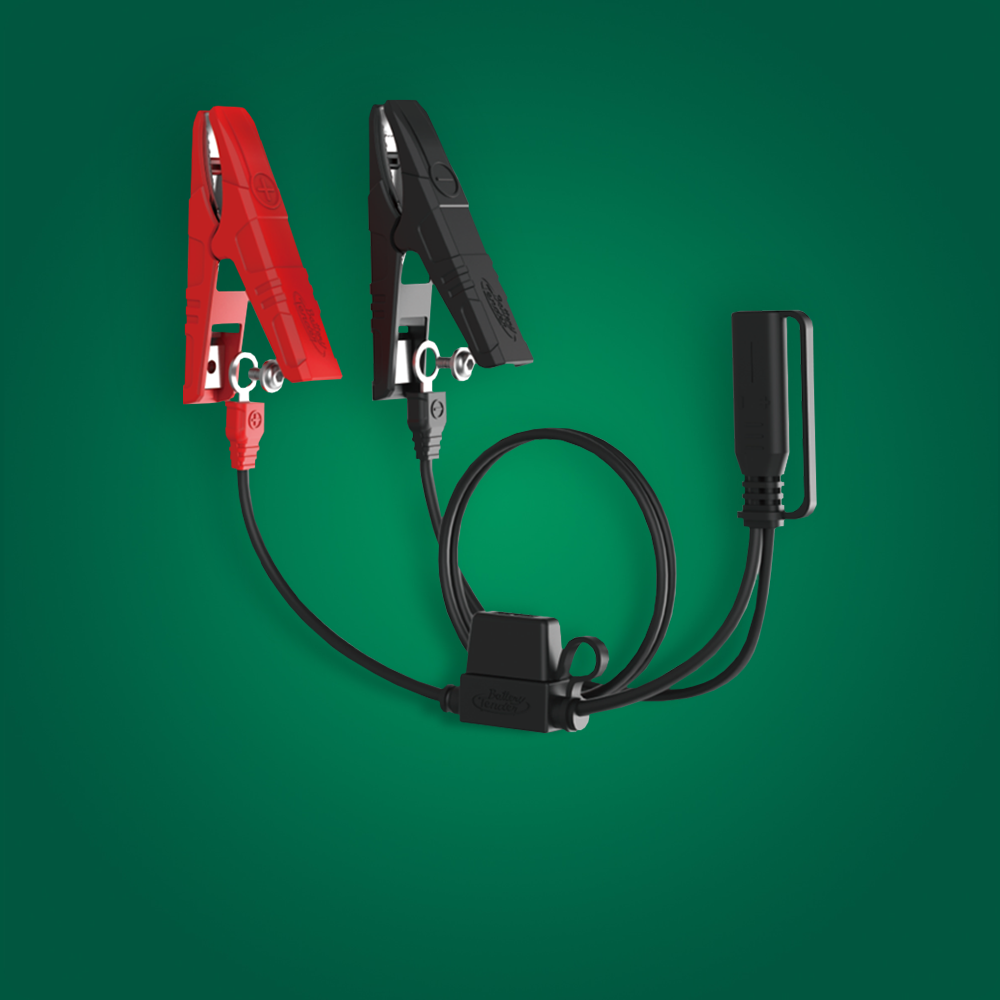
The Battery Tender Plus 12V 1.25A operates in a four-stage charging sequence — initialization, bulk charge, absorption, and float maintenance — that is specifically appropriate for AGM batteries. The 1.25A output is sufficient to maintain and recover a partially depleted auxiliary battery without the thermal stress that higher-amperage chargers can introduce. The unit's automatic shutoff prevents overcharging, and the spark-proof connection sequence makes it safe to attach while the vehicle's 12V system remains live. For owners who prefer a permanent underhood connection, Battery Tender's ring terminal harness accessory allows the charger to be connected and disconnected in seconds without re-routing alligator clips around engine bay components.
The Battery Tender eCharge 40 AMP Level 2 Mountable EV Charger uses a SAE J1772 connector compatible with the Ioniq 5 and EV6 onboard AC charge port. The unit incorporates ground fault circuit interrupter protection, over-temperature shutdown, and overcurrent protection — safety features that matter for a hardwired installation intended to run overnight on a regular basis. A locking cable holster keeps the J1772 connector secured and off the ground when not in use, and LED status indicators remain visible from across a garage so owners can confirm charging status without approaching the vehicle. For owners who need charging capability at a second location or want a travel-ready backup, the hardwired mountable unit is the appropriate permanent solution — a dedicated installation that delivers consistent, full-rate performance every night.
Emergency Preparedness: Jump Starting E-GMP Vehicles
When a 12V auxiliary battery failure occurs away from home — despite best maintenance practices — the recovery procedure for E-GMP vehicles differs from conventional jump starting. The 12V system must be brought to sufficient voltage to allow the BMS to initialize before the vehicle can engage its traction system. Standard jumper cables connected to another vehicle work in principle but introduce risk: connecting a running gasoline vehicle's alternator output to an EV's 12V service terminals can expose the auxiliary battery to unregulated voltage spikes that damage sensitive electronics.
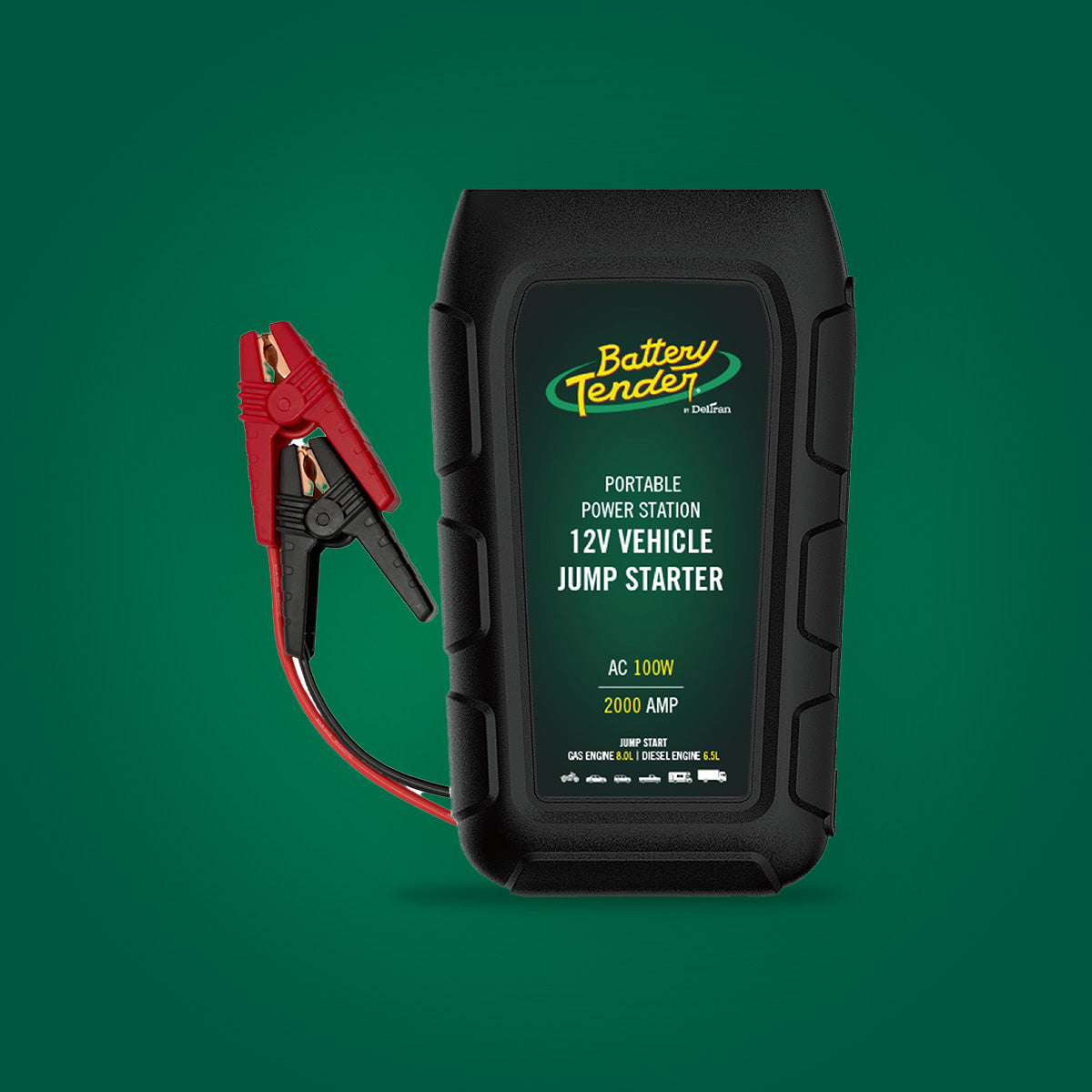
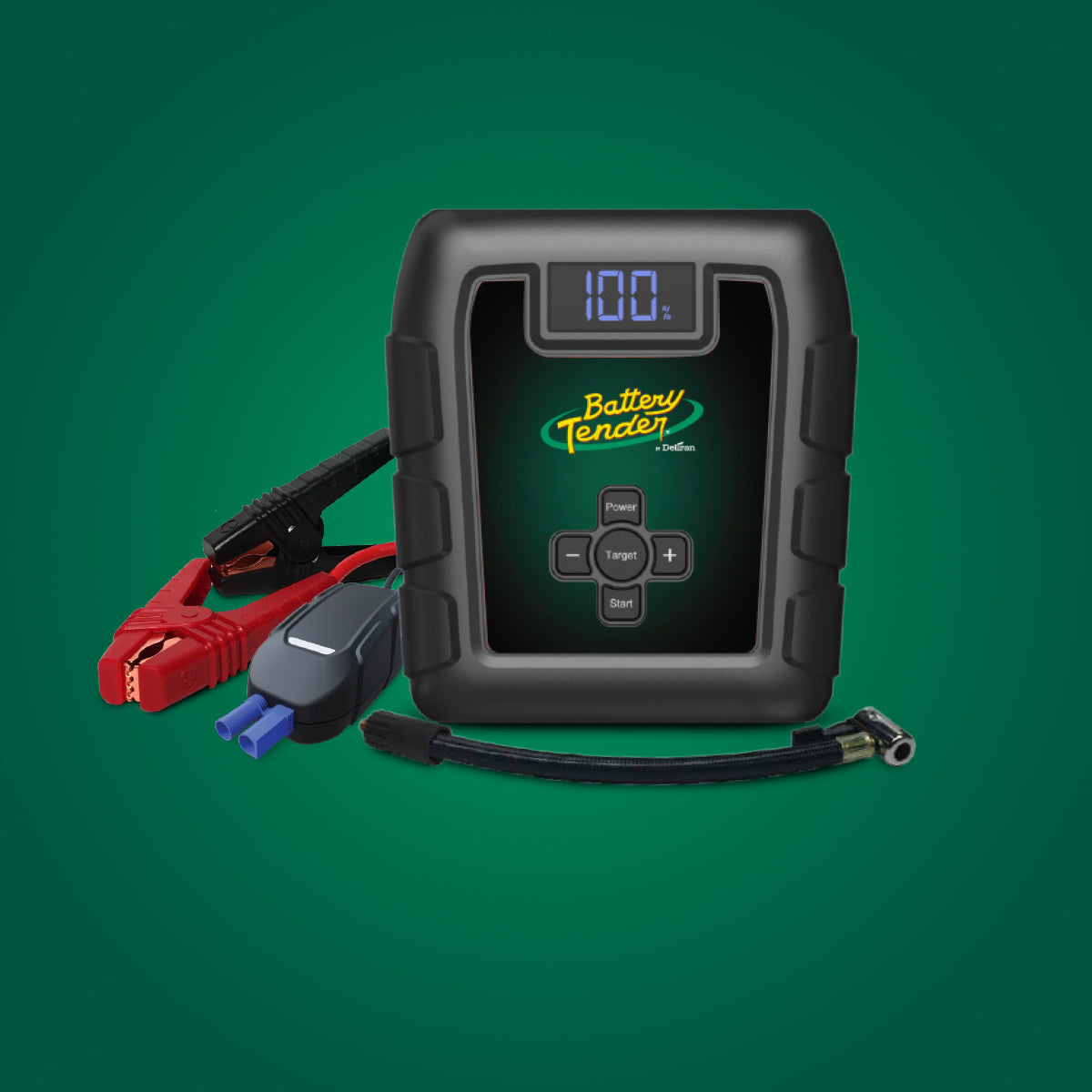
A dedicated portable jump starter eliminates that risk by delivering a controlled output specifically designed for battery recovery. The Battery Tender 800 AMP Jump Starter and Tire Inflator provides 800 peak amps of starting current — sufficient to recover an E-GMP auxiliary battery — from a self-contained lithium pack that fits in a door pocket or center console storage compartment. The integrated tire inflator adds roadside utility that matters for the 20-inch wheel packages common on both the Ioniq 5 and EV6, where the absence of a spare tire makes a portable inflator a practical necessity rather than a convenience accessory.
Seasonal Storage and Extended Parking Protocol
Ioniq 5 and EV6 owners who store vehicles seasonally — or who park for extended periods without access to Level 2 charging — should follow a specific preparation sequence to protect both battery systems.
For the traction battery, Hyundai and Kia both recommend storing at 20–80% state of charge rather than at full capacity. The traction BMS manages cell chemistry within that window, but long-term storage at 100% SOC accelerates cathode degradation in NMC chemistry cells at a measurable rate. Charging to approximately 60% before storage and leaving Level 2 charging disconnected during the storage period is the manufacturer-aligned approach.
For the 12V auxiliary battery, the opposite priority applies: the battery should be maintained at full charge throughout the storage period. Connecting the Battery Tender Plus 12V 1.25A to the underhood service terminals and leaving it connected for the duration of storage keeps the auxiliary battery at full capacity, prevents sulfation in the AGM plates, and ensures the vehicle initializes normally when returned to service. The charger's float maintenance mode draws negligible power from the outlet — typically less than 5 watts at steady state — making extended connection practical and cost-neutral.
Software Updates and 12V Battery Interaction
E-GMP vehicles receive over-the-air software updates that affect traction battery calibration, thermal management parameters, and charging curve optimization. These updates typically download during vehicle sleep and install on the next power cycle. The installation process requires sustained 12V voltage above the BMS initialization threshold — typically 11.5V — throughout the update sequence. A marginally depleted 12V battery that reads 12.1V at rest may fall below that threshold under the load of an active update installation, causing the process to abort mid-sequence. Incomplete OTA updates can corrupt calibration tables and require dealer-level diagnostic intervention to resolve.
Maintaining the 12V auxiliary battery at full charge with a Battery Tender Plus 12V 1.25A ensures that OTA update sequences complete without voltage dropout — a benefit that becomes increasingly significant as both Hyundai and Kia continue pushing calibration updates that improve real-world range and charging performance on existing vehicles.
Frequently Asked Questions
Can I connect a Battery Tender charger to the Ioniq 5 and EV6 underhood terminals without removing any panels?
Yes. Both the Ioniq 5 and EV6 provide 12V service terminals under the hood specifically for this purpose. The positive terminal is covered with a red cap and the negative terminal connects to the chassis ground point. No panel removal or access to the cargo floor battery compartment is required for maintenance charging.
Does the Battery Tender Plus 12V 1.25A work with the AGM auxiliary batteries in E-GMP vehicles?
Yes. The Battery Tender Plus 12V 1.25A is designed for AGM battery chemistry and its four-stage charging algorithm is appropriate for the AGM batteries Hyundai and Kia specify in their E-GMP platforms. The charger automatically detects battery state and adjusts between bulk charge, absorption, and float maintenance phases accordingly.
What circuit does the Battery Tender eCharge 40 AMP Level 2 Mountable EV Charger require?
The mountable unit requires a dedicated 50-amp 240V circuit. Most residential electrical panels can accommodate this addition. The circuit should be installed by a licensed electrician to ensure compliance with local codes and to properly size the wire gauge for continuous 40-amp draw over the cable run length.
How do I know if my Ioniq 5 or EV6 auxiliary battery needs maintenance charging versus replacement?
A battery that recovers to full voltage and holds charge after a maintenance session typically benefits from ongoing maintenance charging rather than immediate replacement. A battery that fails to hold charge after a full conditioning cycle, or that shows resting voltage below 10.5V, warrants load testing at a dealer or qualified shop. Hyundai and Kia both specify auxiliary battery replacement at defined voltage and capacity thresholds in their service documentation.
Is the Battery Tender 800 AMP Jump Starter compatible with both the Ioniq 5 and EV6 12V service terminals?
Yes. The jump starter connects to standard 12V battery terminals and service posts. Both the Ioniq 5 and EV6 underhood service terminals accept standard alligator clip connections. Follow the vehicle owner's manual sequence for auxiliary battery jump starting — specifically the connection order specified for E-GMP vehicles — to avoid triggering BMS fault codes during the recovery procedure.
Conclusion: Putting This Hyundai Ioniq 5 and Kia EV6 Battery Maintenance Guide Into Practice
The Ioniq 5 and EV6 are sophisticated vehicles that reward disciplined maintenance with consistent, long-term performance. Their 800-volt traction systems and advanced BMS engineering are genuinely impressive — but neither system can function if the 12V auxiliary battery fails to initialize the contactors that bring the high-voltage architecture online. Battery Tender addresses both maintenance layers with purpose-matched equipment: the Battery Tender Plus 12V 1.25A for continuous auxiliary battery maintenance, the Battery Tender eCharge 40 AMP Level 2 Mountable EV Charger for home charging that actually matches the vehicles' AC acceptance rate, and the Battery Tender 800 AMP Jump Starter and Tire Inflator for emergency preparedness when maintenance falls short. Used together, these tools transform this Hyundai Ioniq 5 and Kia EV6 battery maintenance guide from a theoretical exercise into an actionable ownership protocol built for 2026 and beyond.
Related guides: Tesla Model 3 and Model Y Battery Maintenance: Auxiliary System Guide · EV 12V Auxiliary Battery Maintenance · More EV charging guides