


Ford F-150 Lightning Home Charging Setup: The Complete Owner's Guide
Setting up home charging for the Ford F-150 Lightning is one of the most important decisions you will make as an owner. With a massive 98 kWh or 131 kWh battery pack and the ability to accept up to 19.2 kW on AC Level 2, the Lightning demands a charging setup that is engineered to match its capability. Done right, a proper Ford F-150 Lightning home charging setup means waking up every morning to a full truck, zero range anxiety, and a garage that works as hard as you do. This guide walks through every layer of the process — from panel assessment to charger selection to ongoing battery maintenance — so you can make confident, informed decisions backed by the electrical expertise of Battery Tender® EV chargers.
Understanding the F-150 Lightning's Charging Specifications
Before any hardware goes on your wall, you need to understand exactly what the Lightning is capable of accepting. The truck ships with a dual onboard charger that supports AC Level 2 charging at a maximum rate of 19.2 kW. To reach that peak rate, you need an 80-amp dedicated 240-volt circuit feeding an 80-amp EVSE (Electric Vehicle Supply Equipment). At that output, the standard 98 kWh battery charges from empty to full in roughly eight hours. The extended-range 131 kWh pack takes closer to ten to eleven hours under the same conditions.
Not every home — and not every budget — supports an 80-amp circuit. Understanding that the Lightning charges efficiently across a wide range of amperages is important. A 48-amp charger on a 60-amp circuit delivers 11.5 kW and completes a standard-range charge in approximately nine hours. A 32-amp charger on a 40-amp circuit delivers 7.7 kW and adds about 18 miles of range per hour — perfectly adequate for daily driving patterns where you are typically recovering 40 to 80 miles overnight. The right charger for your home is the one that matches both your electrical infrastructure and your actual driving habits.
Assessing Your Home's Electrical Infrastructure
The first step in any F-150 Lightning home charging setup is a realistic assessment of your existing electrical panel. Most homes built after 2000 have 200-amp service, which comfortably accommodates a 60-amp or 80-amp dedicated circuit for EV charging alongside normal household loads. Homes with 100-amp service panels — common in construction from the 1960s through the 1980s — require more careful planning, and an 80-amp circuit may require a panel upgrade.
A licensed electrician should perform a load calculation before any EV charging circuit is installed. This calculation determines whether your existing service can handle the additional continuous load without tripping breakers or creating safety hazards. For the Lightning specifically, the National Electrical Code requires that the circuit breaker be rated at 125 percent of the charger's continuous amperage draw. That means a 48-amp charger requires a 60-amp breaker, and an 80-amp charger requires a 100-amp breaker. Plan this out before purchasing hardware, not after.
Also consider the distance from your electrical panel to the intended charger location. Longer cable runs require larger wire gauges to prevent voltage drop, which adds to installation cost. Garages that are detached or positioned far from the main panel may require a subpanel installation — another factor your electrician will identify during the assessment.
Choosing the Right Level 2 Charger for the F-150 Lightning
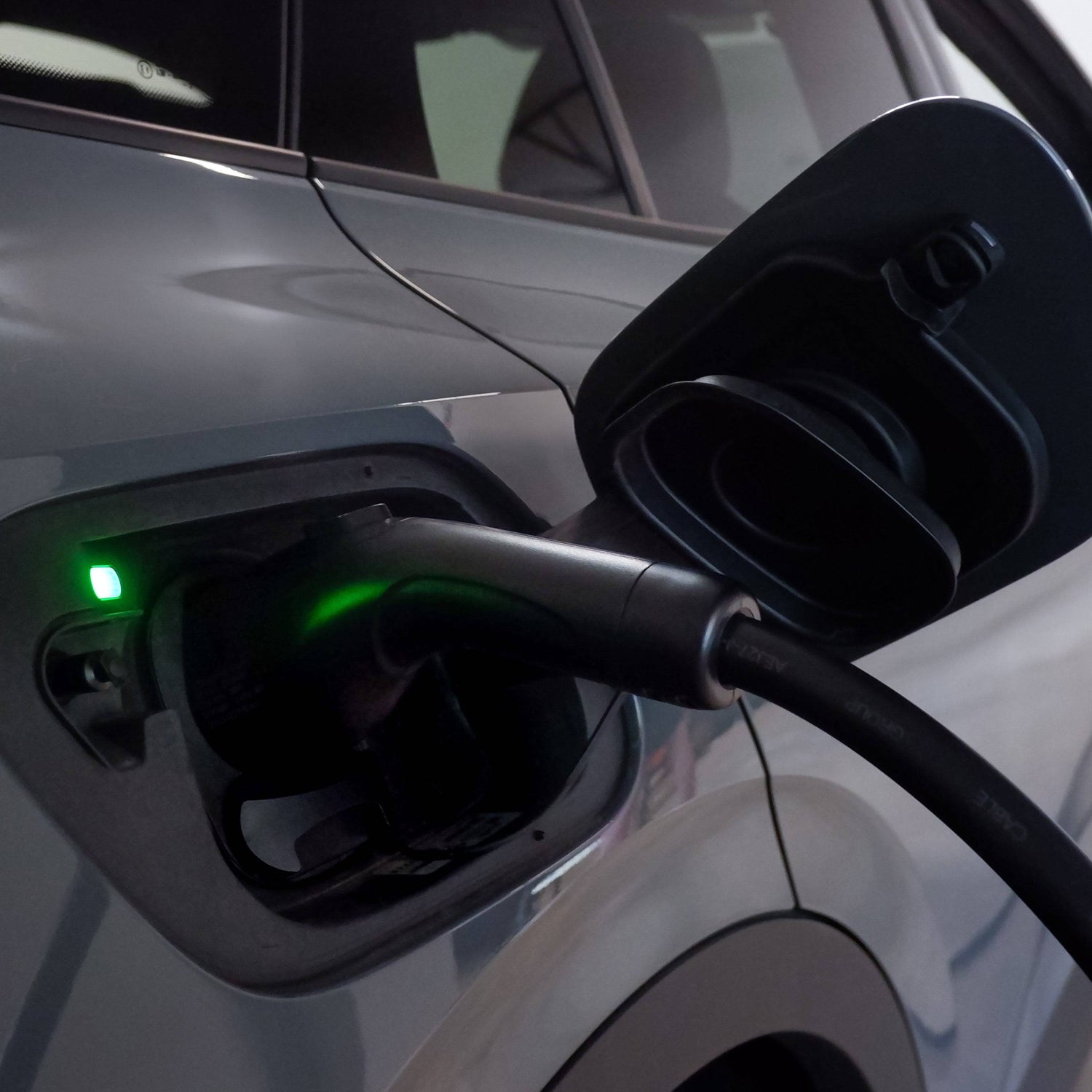
The F-150 Lightning uses the standard J1772 charging port for Level 2 AC charging, which means it is compatible with the full range of Battery Tender EV chargers. Selecting the right unit comes down to three variables: available circuit amperage, desired charge speed, and installation environment.
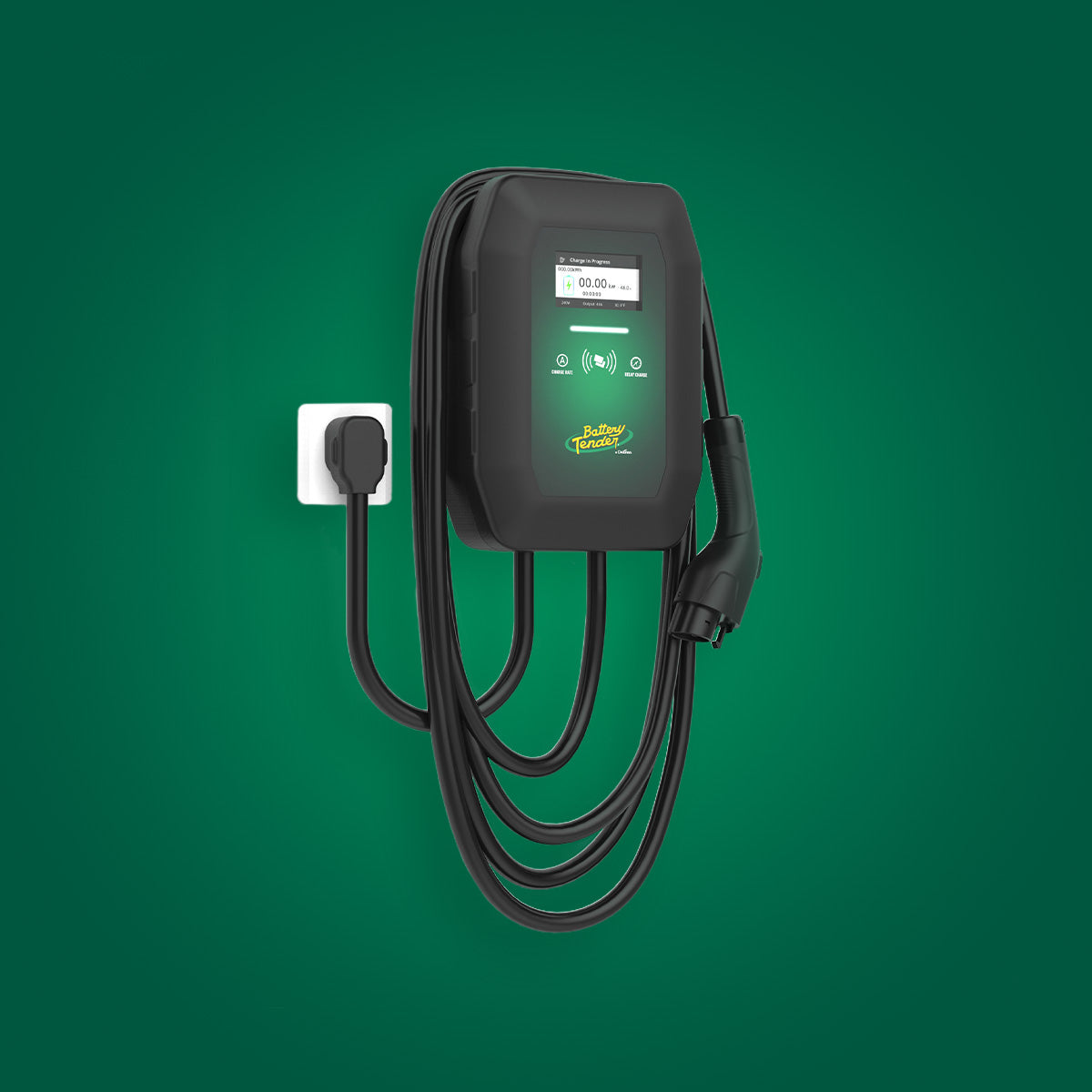
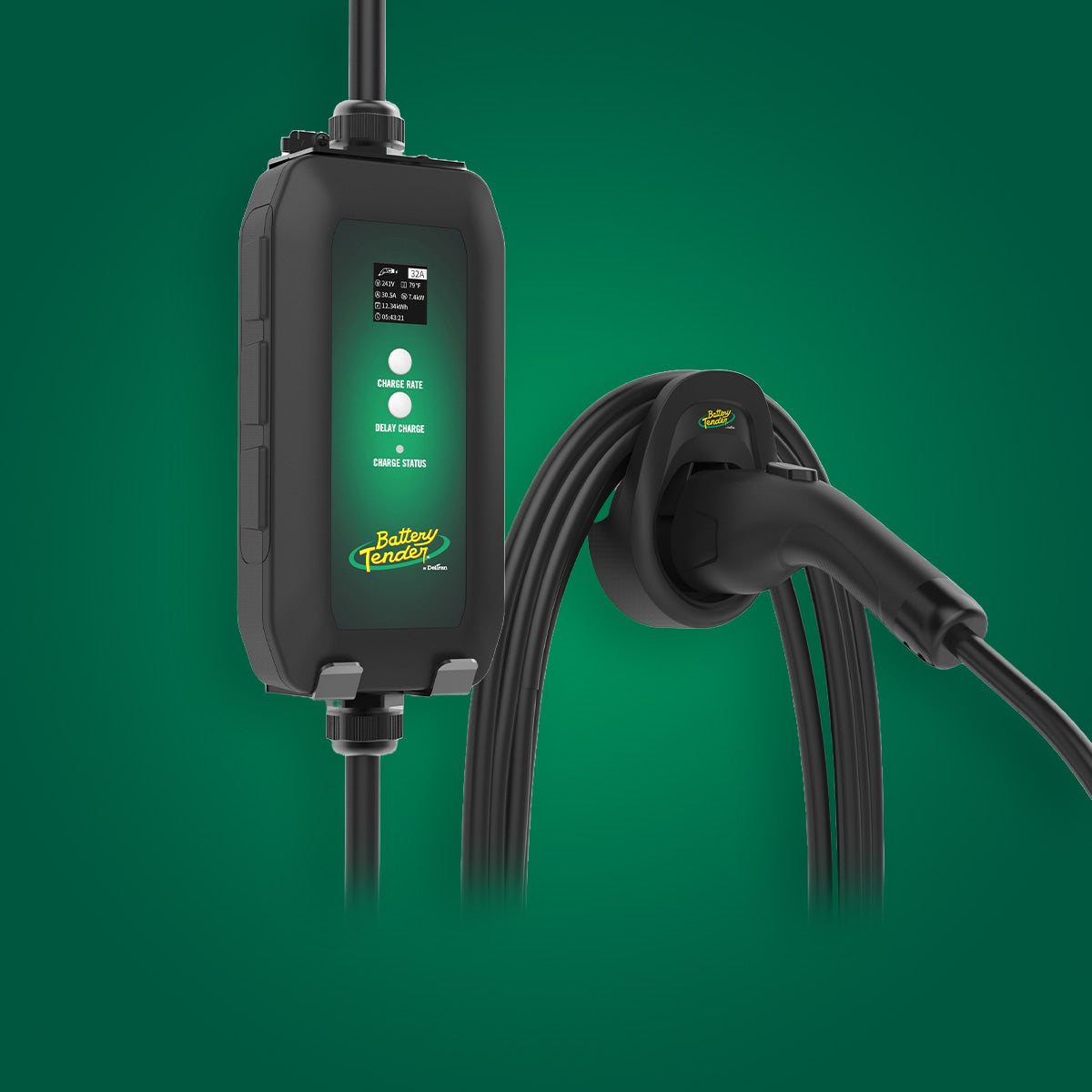
For homeowners with a 40-amp circuit already installed or who prefer a lower-cost installation, the Battery Tender 32-amp Level 2 EV Charger is a capable and reliable choice. It delivers 7.7 kW of continuous power through a standard J1772 connector and is built for both indoor and outdoor installation. For most daily driving scenarios — commutes under 50 miles round trip — this charger fully recovers overnight usage with hours to spare.
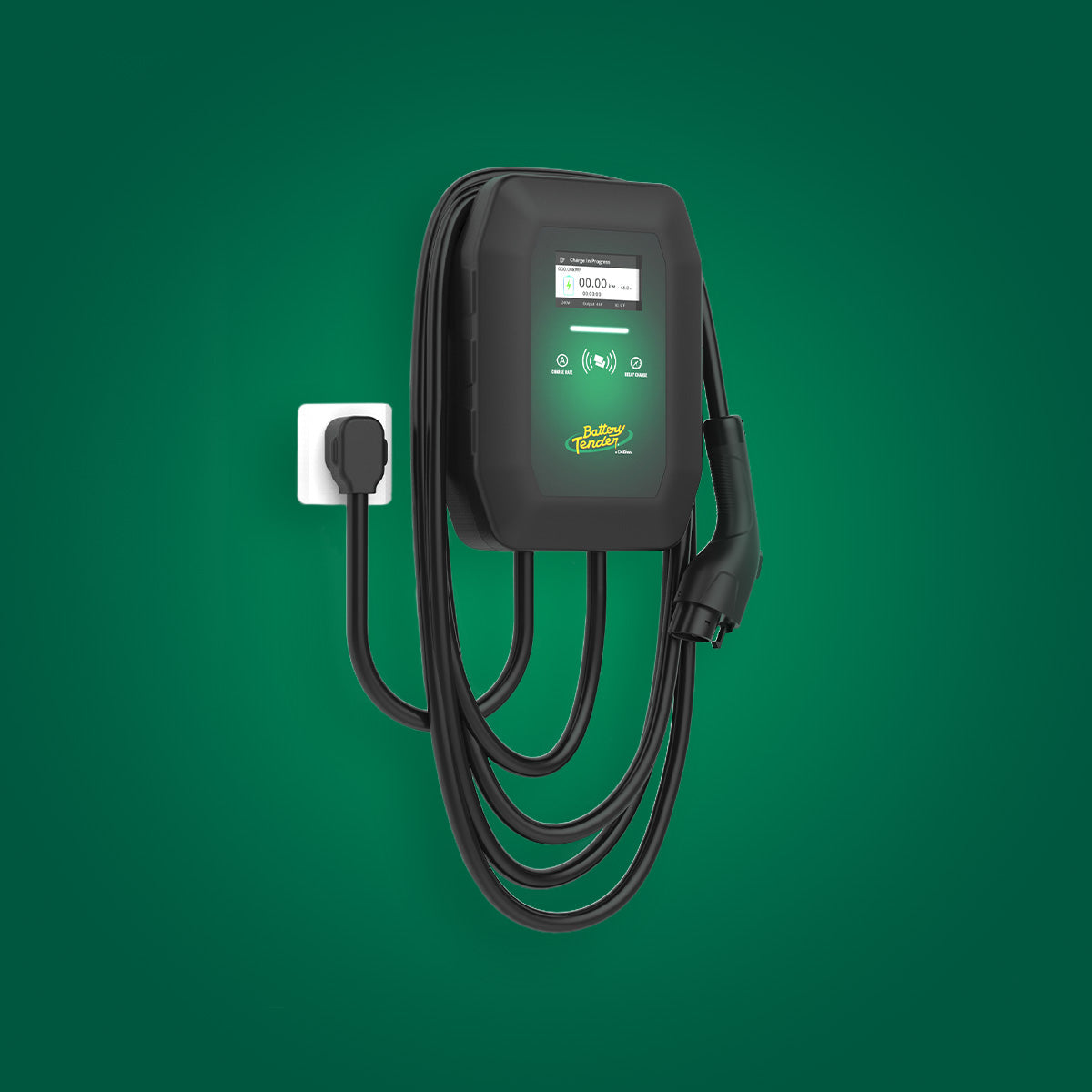
Owners who want faster recovery times and have access to a 60-amp circuit should consider the Battery Tender 48-amp Level 2 EV Charger. At 11.5 kW, this unit reduces charge time significantly and is the practical sweet spot for most Lightning owners — offering substantially faster charging than a 32-amp unit without requiring the heavier electrical work that an 80-amp circuit demands. It is particularly well suited for extended-range battery owners who need to recover larger deficits after longer driving days.
Both chargers feature durable construction suited to garage environments, straightforward mounting hardware, and the engineering reliability that Battery Tender has built its reputation on across decades of battery management products.
Hardwired vs. Plug-In EVSE: Which Installation Is Right for You?
Level 2 chargers are installed in one of two configurations: hardwired directly to the circuit or plug-in via a NEMA 14-50 or NEMA 6-50 outlet. Each approach has meaningful trade-offs that should factor into your decision.
Hardwired installation is considered the more permanent and code-compliant solution in most jurisdictions. It eliminates the outlet as a potential point of resistance or failure, produces a cleaner installation, and is often preferred by electricians for high-amperage circuits. The trade-off is that the unit cannot be easily relocated if you move or rearrange your garage.
Plug-in installation using a NEMA 14-50 outlet offers flexibility. The outlet itself can be used for other purposes — RV charging, welding equipment, or a replacement charger — and the EVSE can be taken with you if you move. For most Lightning owners using a 32-amp or 48-amp charger, a NEMA 14-50 outlet is a practical and cost-effective choice. Higher-amperage installations (60 amps and above) increasingly favor hardwiring for both safety and performance reasons.
Discuss both options with your electrician. Many will recommend plug-in configurations for 32-amp and 48-amp chargers and hardwired connections for anything drawing more current.
Maximizing the Ford F-150 Lightning's Intelligent Charging Features
The F-150 Lightning is not a passive charging device — it is a smart energy platform. The truck supports scheduled charging, which allows owners to program charge completion to align with off-peak electricity rate windows. In many utility territories, off-peak rates between midnight and 6 a.m. are 30 to 50 percent lower than peak daytime rates. Programming your Lightning to charge during these windows can generate meaningful savings over the life of ownership.
The Lightning also supports Intelligent Backup Power, Ford's system that allows the truck to power your home during outages through the Ford Charge Station Pro and a compatible home integration system. This bidirectional capability — known as vehicle-to-home (V2H) — turns the Lightning's massive battery pack into an emergency power reserve that can sustain average household loads for days. If you intend to use this feature, the Ford Charge Station Pro is the required EVSE, and your home will need additional electrical integration work.
For owners focused solely on daily charging rather than home backup, any quality Level 2 EVSE with J1772 compatibility — including the full Battery Tender EV charger lineup — handles the Lightning's charging requirements completely and reliably.
The F-150 Lightning's 12V Auxiliary Battery: Why It Matters
Every F-150 Lightning contains a conventional 12-volt lead-acid auxiliary battery alongside its high-voltage traction pack. This auxiliary battery powers the truck's control systems, lighting, infotainment, and the electronics that initiate the high-voltage charging sequence itself. If the 12V auxiliary battery is discharged, the truck cannot charge — even if the high-voltage pack still has capacity.
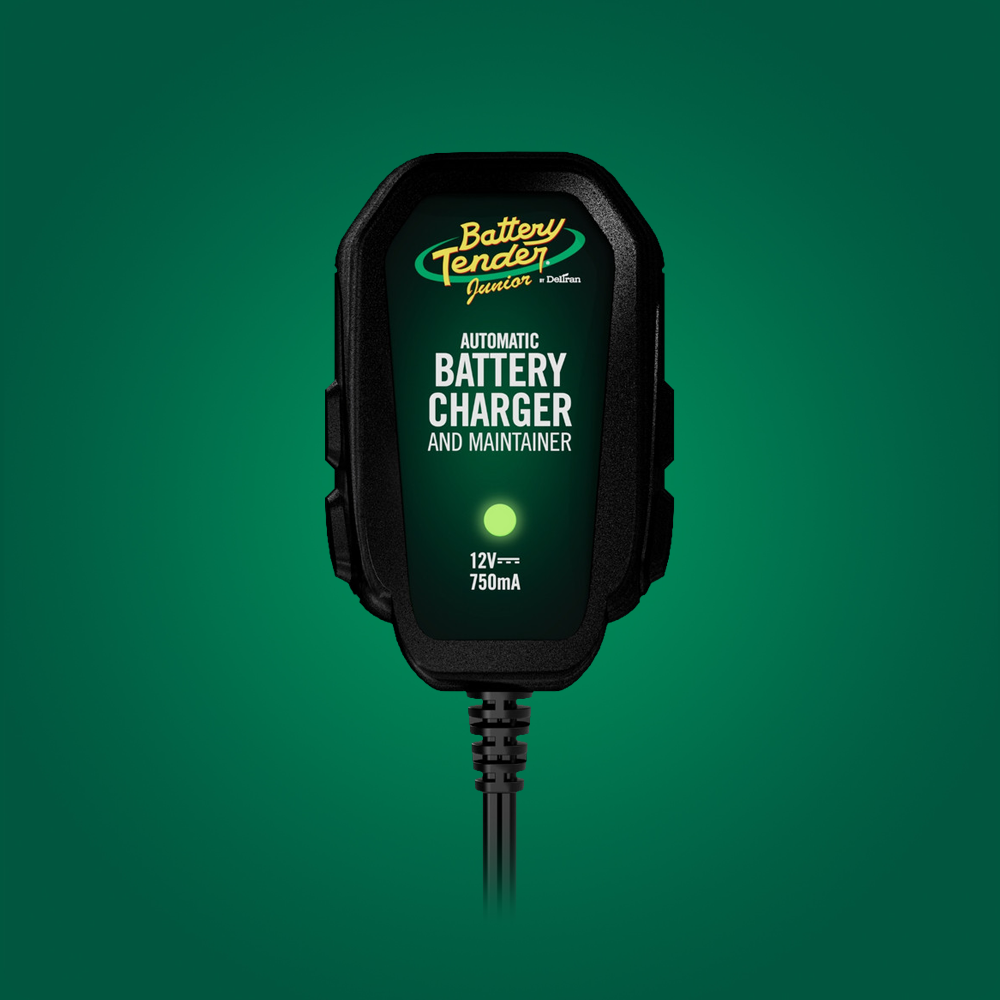
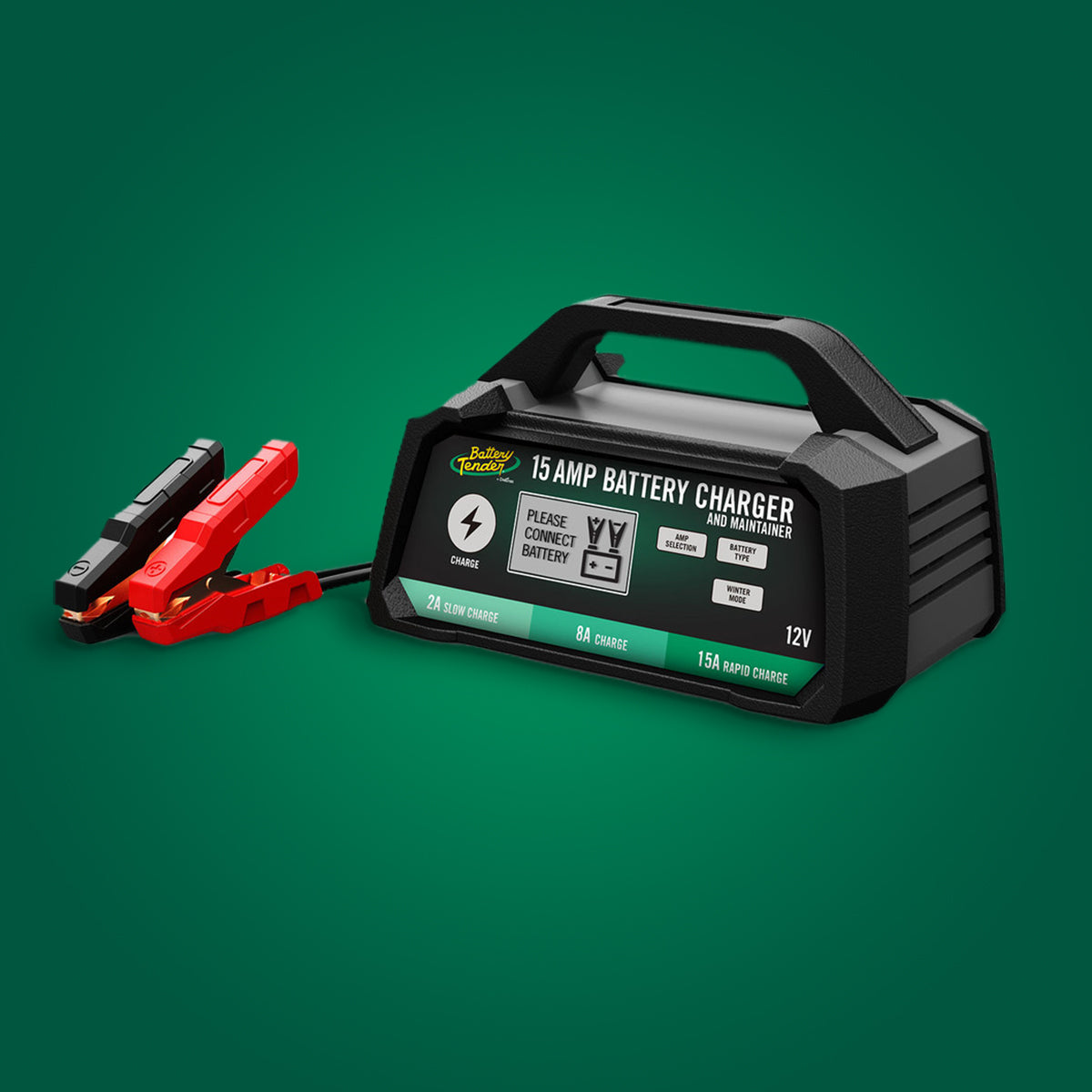
This is particularly relevant for Lightning owners who store their trucks for extended periods, keep them parked with accessories running, or live in climates with extreme temperature swings that accelerate self-discharge. Connecting a Battery Tender Plus 12V 1.25-amp Battery Charger and Maintainer to the auxiliary battery during storage keeps it fully charged without risk of overcharging, preventing the frustrating scenario of a high-voltage truck that cannot start because its 12V system is dead.
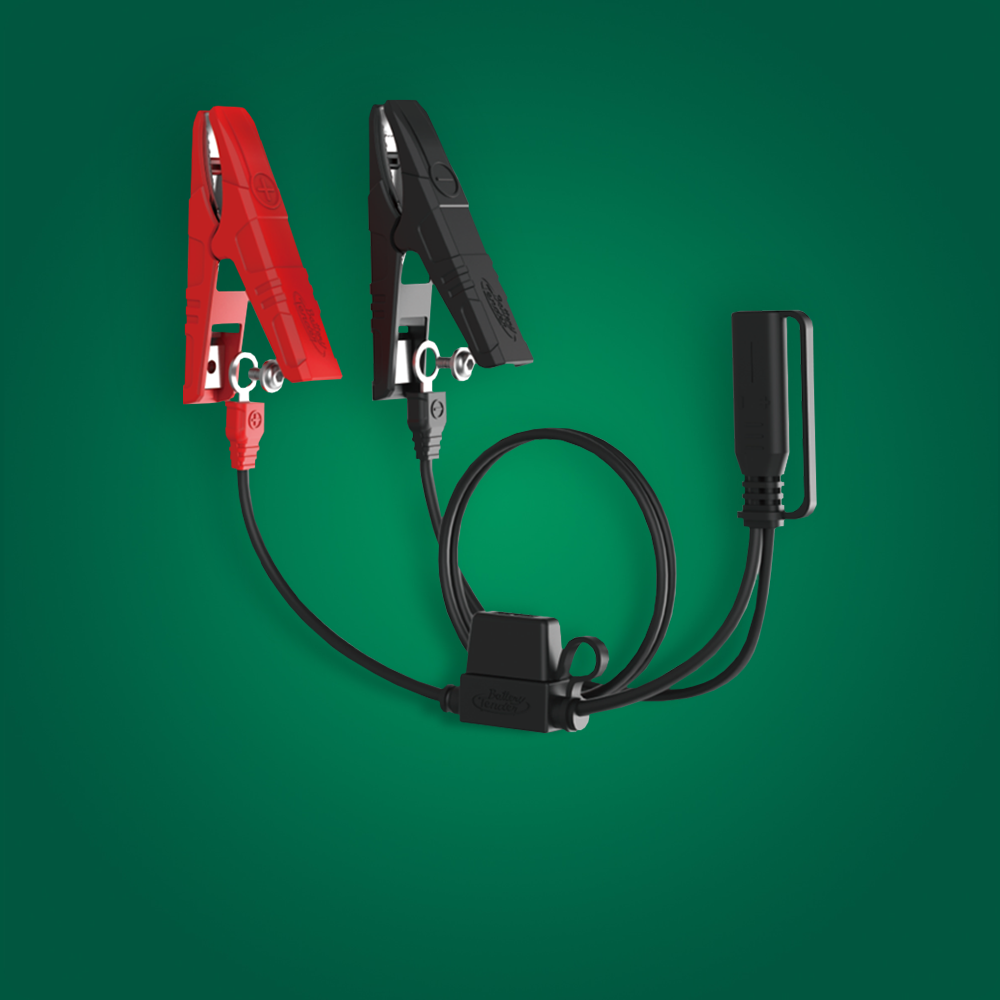
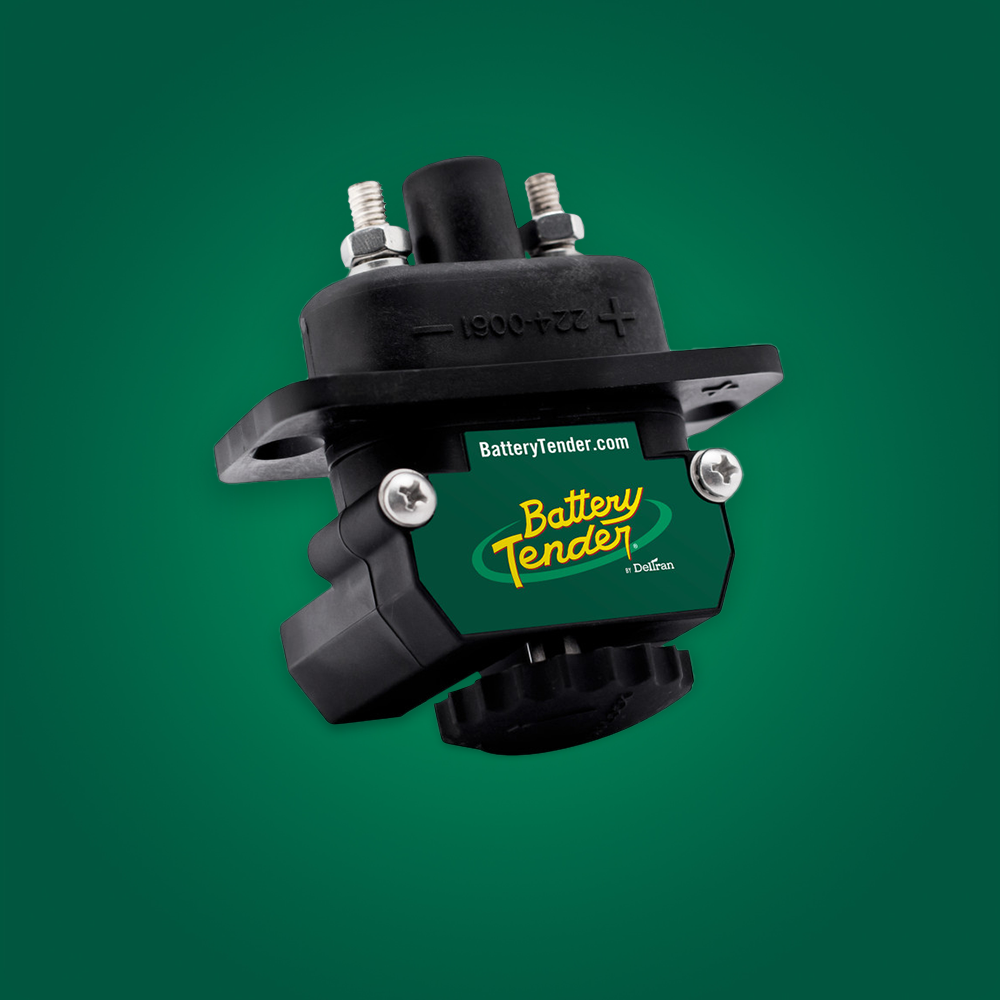
The auxiliary battery connection points on the F-150 Lightning are accessible under the hood. Using a Battery Tender ring terminal harness for a permanent, clean connection makes ongoing maintenance effortless — connect the charger, walk away, and the smart maintenance cycle does the rest.
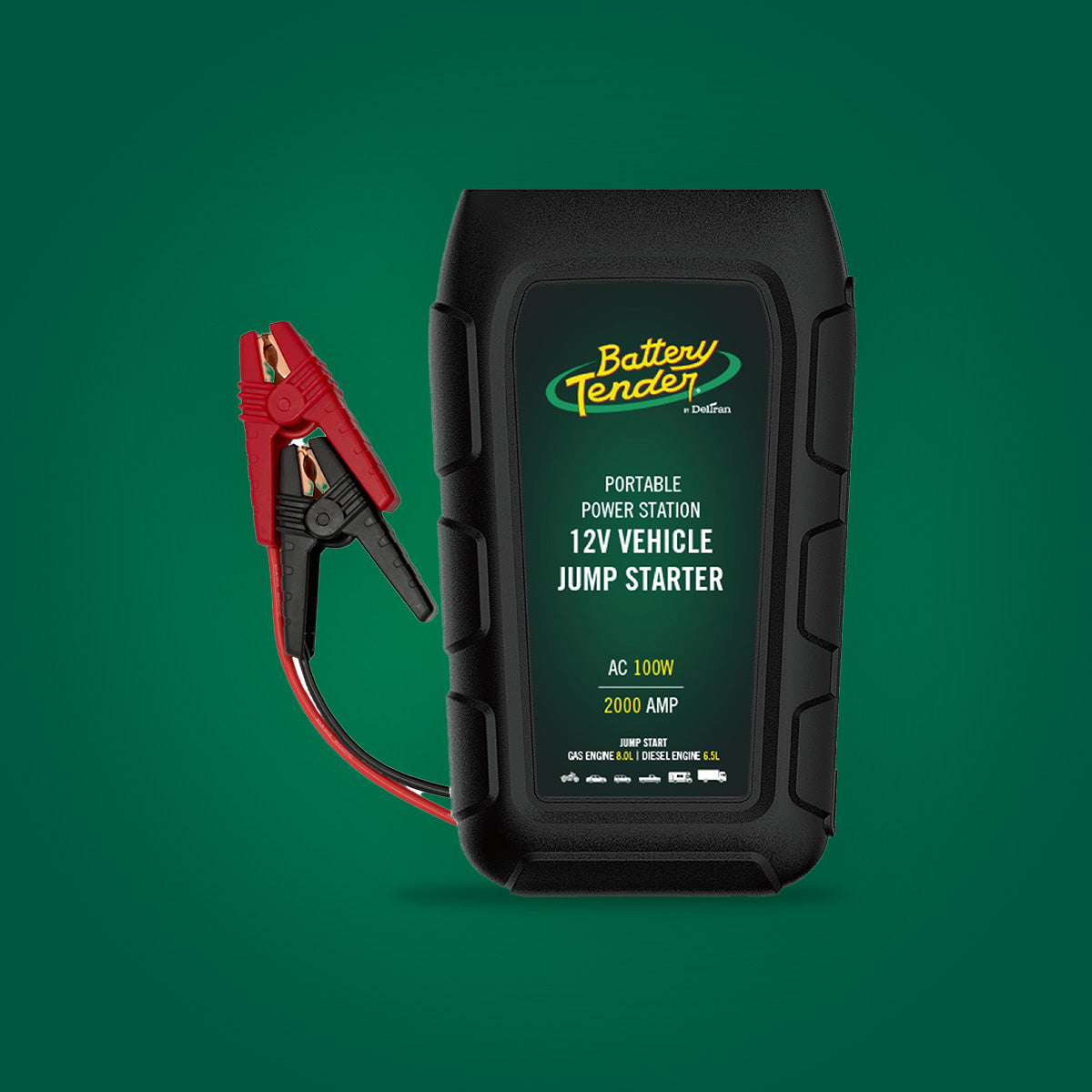
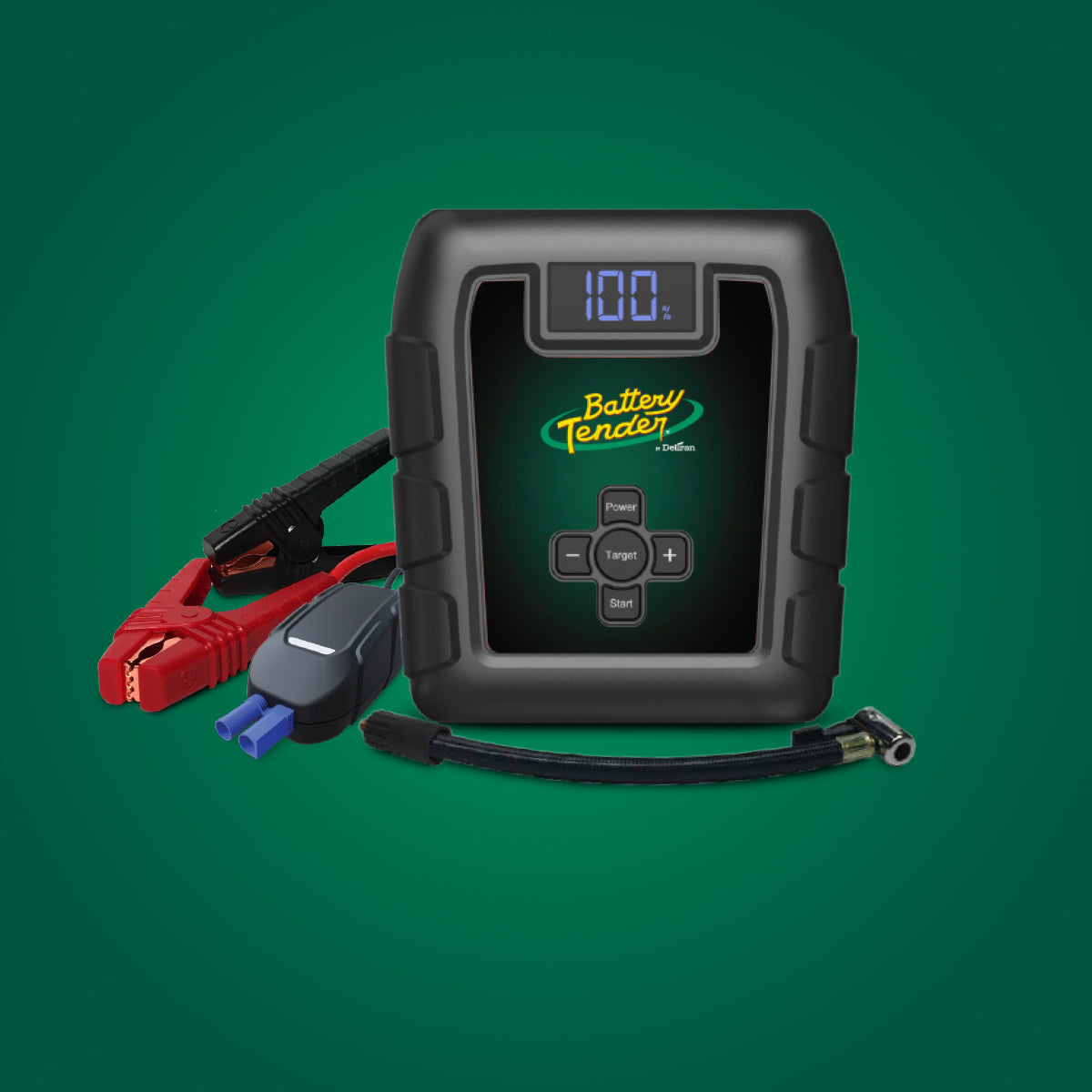
Owners who want peace of mind for emergency situations — whether related to the 12V auxiliary system or roadside scenarios — should also consider the Battery Tender Charge N Start, a portable jump starter and power station that provides reliable emergency starting backup and USB charging capability wherever you need it.
Installation Best Practices and Long-Term Maintenance
A well-installed home charging setup requires minimal ongoing maintenance, but a few practices extend equipment life and ensure reliable operation over years of daily use.
Inspect the J1772 connector and cable monthly for signs of wear, cracking, or corrosion, particularly in outdoor installations exposed to UV radiation and temperature extremes. Keep the connector clean and dry when not in use — most quality EVSEs include a holster that protects the connector head. Avoid coiling the charging cable tightly, which stresses internal conductors over time; hang it loosely using the charger's built-in cable management if available.
Monitor your home's circuit breaker associated with the EV charging circuit. Occasional tripping can indicate a breaker that is aging and losing its rated tolerance — a condition your electrician should evaluate before it becomes a failure. Annual visual inspection of the wall-mount charger, outlet connection, and wiring is a sound practice for any high-current installation.
If your charging setup is installed in an unheated garage in a cold climate, be aware that extremely low temperatures reduce Level 2 charging acceptance rates on the Lightning as the battery management system works to protect cell health. This is normal behavior — the truck's onboard systems manage it automatically, and no hardware adjustment is required on your end.
Frequently Asked Questions: F-150 Lightning Home Charging Setup
What is the maximum home charging speed for the F-150 Lightning?
The F-150 Lightning accepts up to 19.2 kW on AC Level 2, which requires an 80-amp dedicated 240-volt circuit. Most owners achieve excellent results with a 48-amp charger delivering 11.5 kW on a 60-amp circuit, which is a more practical installation for the majority of homes.
Do I need to upgrade my electrical panel for a Lightning charger?
It depends on your existing service. Homes with 200-amp panels generally accommodate a 60-amp or 80-amp EV charging circuit without upgrades. Homes with 100-amp service may require a panel upgrade. A licensed electrician performing a load calculation will give you a definitive answer for your specific home.
Can I use a standard 120-volt outlet to charge the F-150 Lightning?
Yes, the Lightning includes a mobile charge cable compatible with standard 120-volt outlets, but this Level 1 charging adds only about three to four miles of range per hour. For a truck with a 98 kWh battery, Level 1 charging is practical only for very light daily use or as an emergency backup.
Why does the F-150 Lightning have a 12V battery if it is electric?
The 12V auxiliary battery powers the truck's low-voltage control systems, lighting, and infotainment. It operates independently of the high-voltage traction pack and must remain charged for the truck to function. Extended storage periods without a battery maintainer connected to the 12V system can result in a discharged auxiliary battery that prevents normal operation.
How often should I charge my F-150 Lightning at home?
Ford recommends keeping the Lightning's battery between 20 and 90 percent for daily use to maximize long-term battery health. Using the truck's scheduled charging feature to top up overnight — rather than letting the battery run very low before charging — is the most battery-friendly and cost-effective approach for daily drivers.
Conclusion
A properly executed Ford F-150 Lightning home charging setup transforms the ownership experience from logistically complex to effortlessly simple. The key steps are straightforward: assess your electrical panel honestly, select a charger whose amperage matches both your infrastructure and your daily driving needs, have the installation performed by a licensed electrician, and protect the 12V auxiliary battery during any periods of extended storage. The Battery Tender lineup — from the 32-amp Level 2 EV Charger and 48-amp Level 2 EV Charger to the Plus 12V Maintainer — covers every charging and maintenance need the Lightning presents. Explore the full range of Battery Tender EV charging solutions and build a home charging system as capable as the truck it powers.