

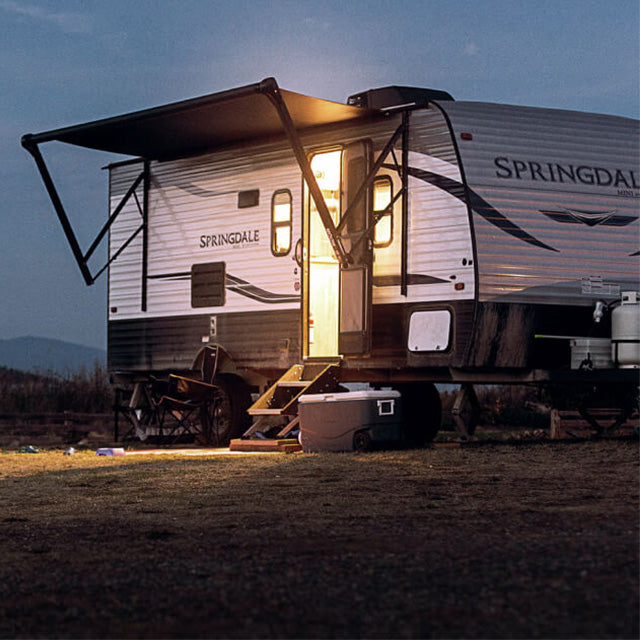
A deep cycle battery is designed to be discharged deeply and recharged hundreds of times — powering trolling motors, RV house systems, golf carts, and solar banks — unlike a starting battery, which delivers one short, high-amperage burst to crank an engine. The difference is in the plates: deep cycle batteries use thicker, denser lead plates that tolerate being run down to 50% (or lower, for lithium) again and again.
Deep cycle vs. starting batteries
A starting battery is a sprinter; a deep cycle battery is a marathon runner. Starting batteries give 500–1,000 cranking amps for a second or two, then get topped back up by the alternator. Deep cycle batteries give a lower, sustained current for hours. Using a starting battery for house loads (or vice versa) shortens its life fast.
The three deep cycle chemistries
- Flooded lead-acid — lowest cost, needs occasional water top-offs and ventilation.
- AGM (Absorbed Glass Mat) — sealed, spill-proof, low maintenance, handles vibration well.
- Lithium (LiFePO4) — lightest, longest cycle life (often 2,000–5,000 cycles), usable down to ~10–20% depth of discharge, and holds voltage flat under load. It needs a charger with a lithium/LiFePO4 profile.
Why a smart charger matters
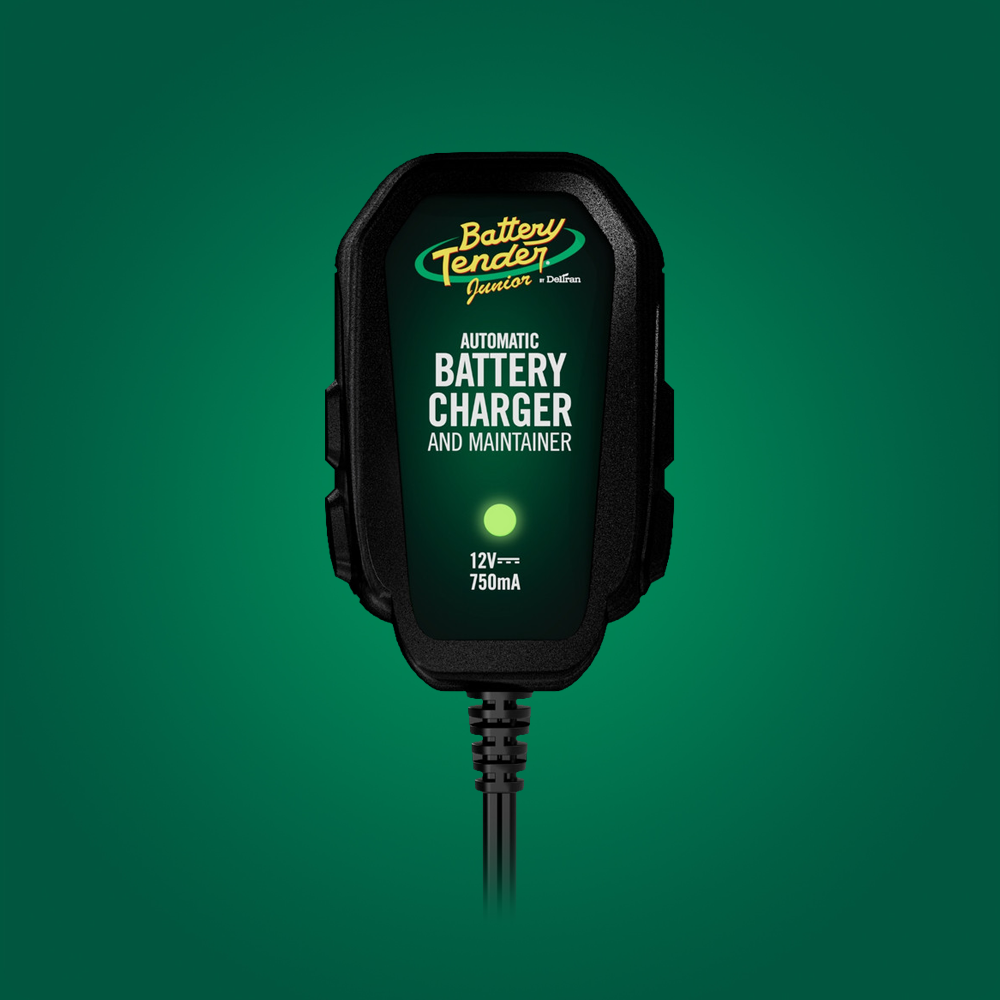
Deep cycle batteries live or die by how they're charged and stored. Chronic undercharging causes sulfation; overcharging cooks the electrolyte. A Battery Tender® smart charger automatically switches to a maintenance (float) mode once full, so a battery left on the dock or in storage stays topped off without being overcharged. For LiFePO4 packs, use a charger with a dedicated lithium profile.
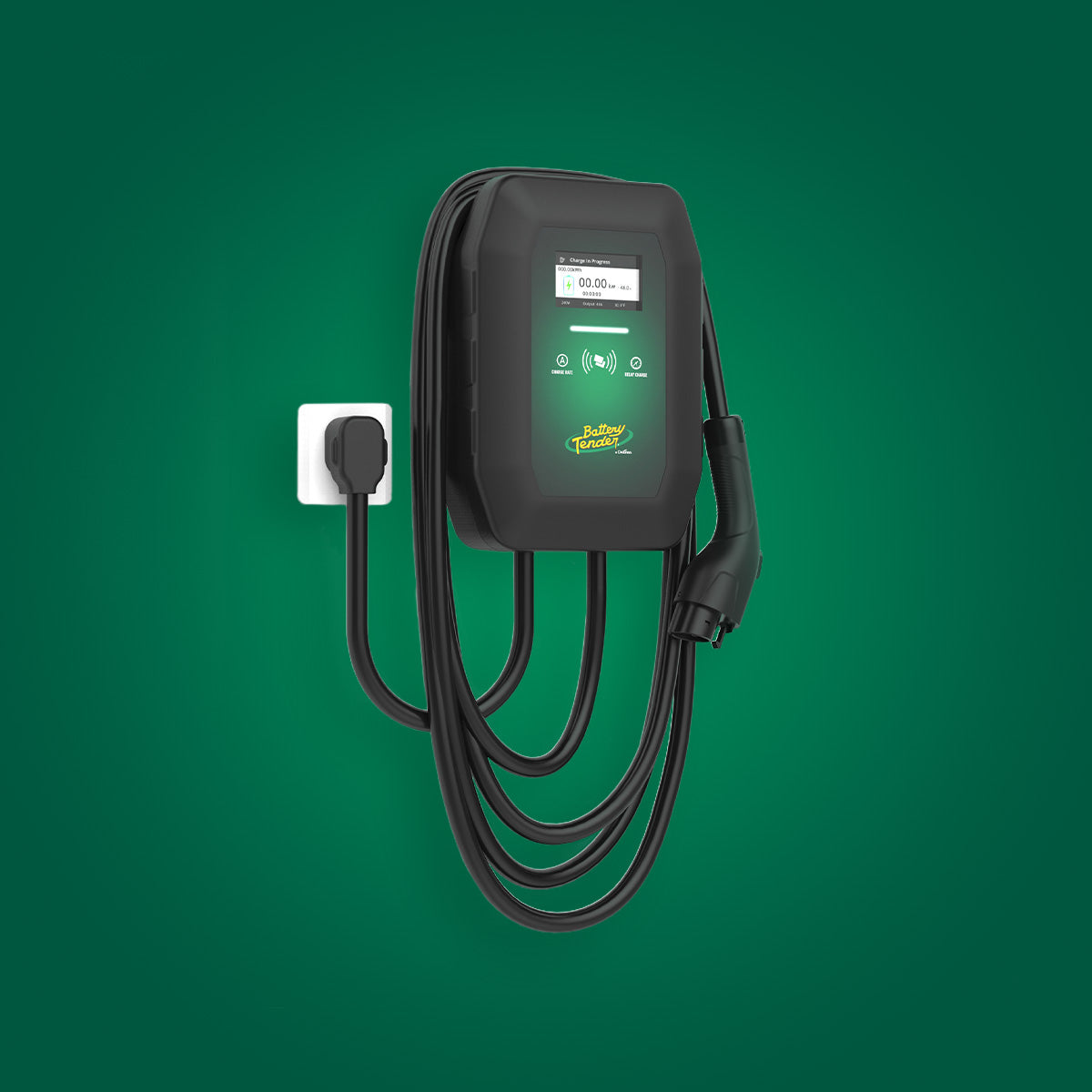
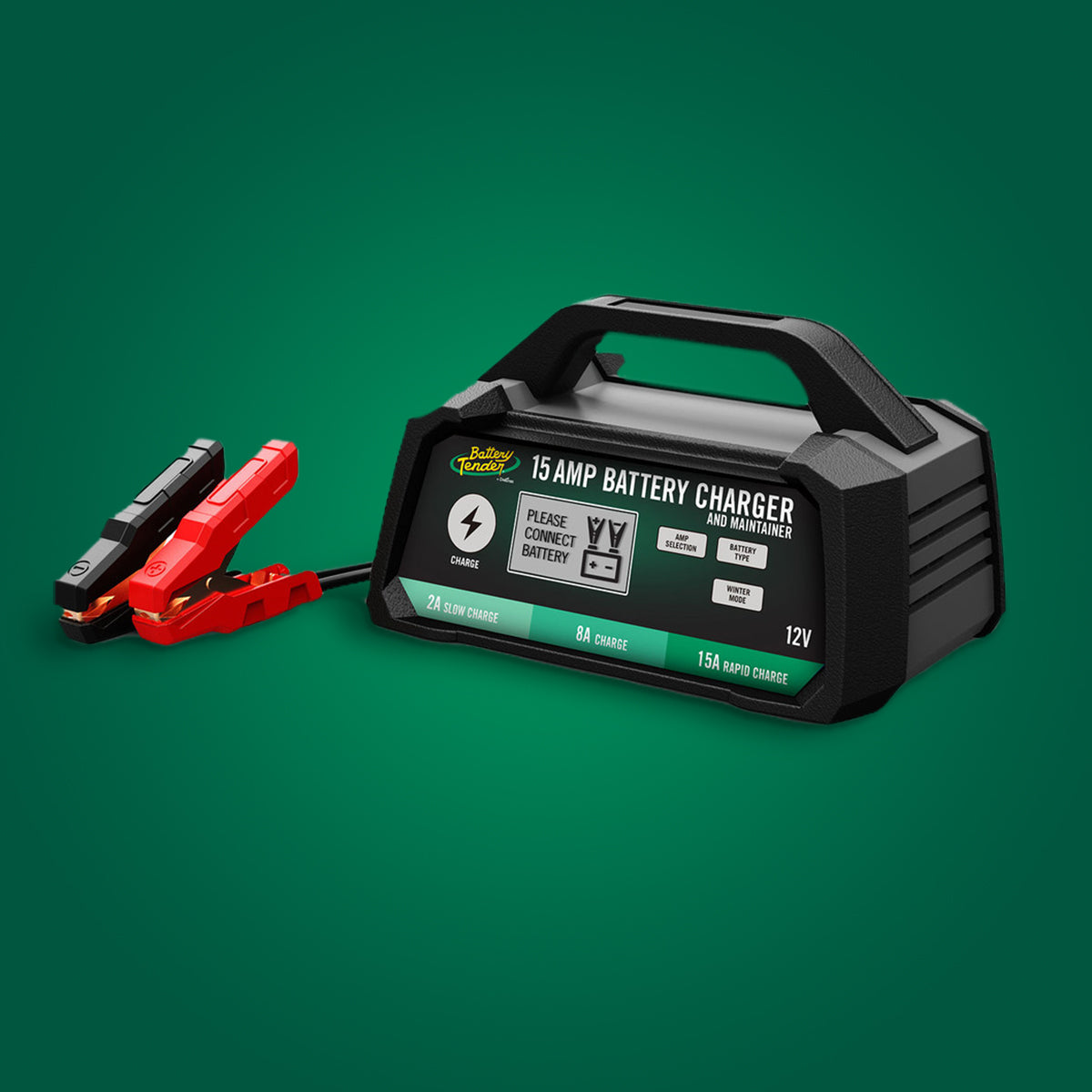
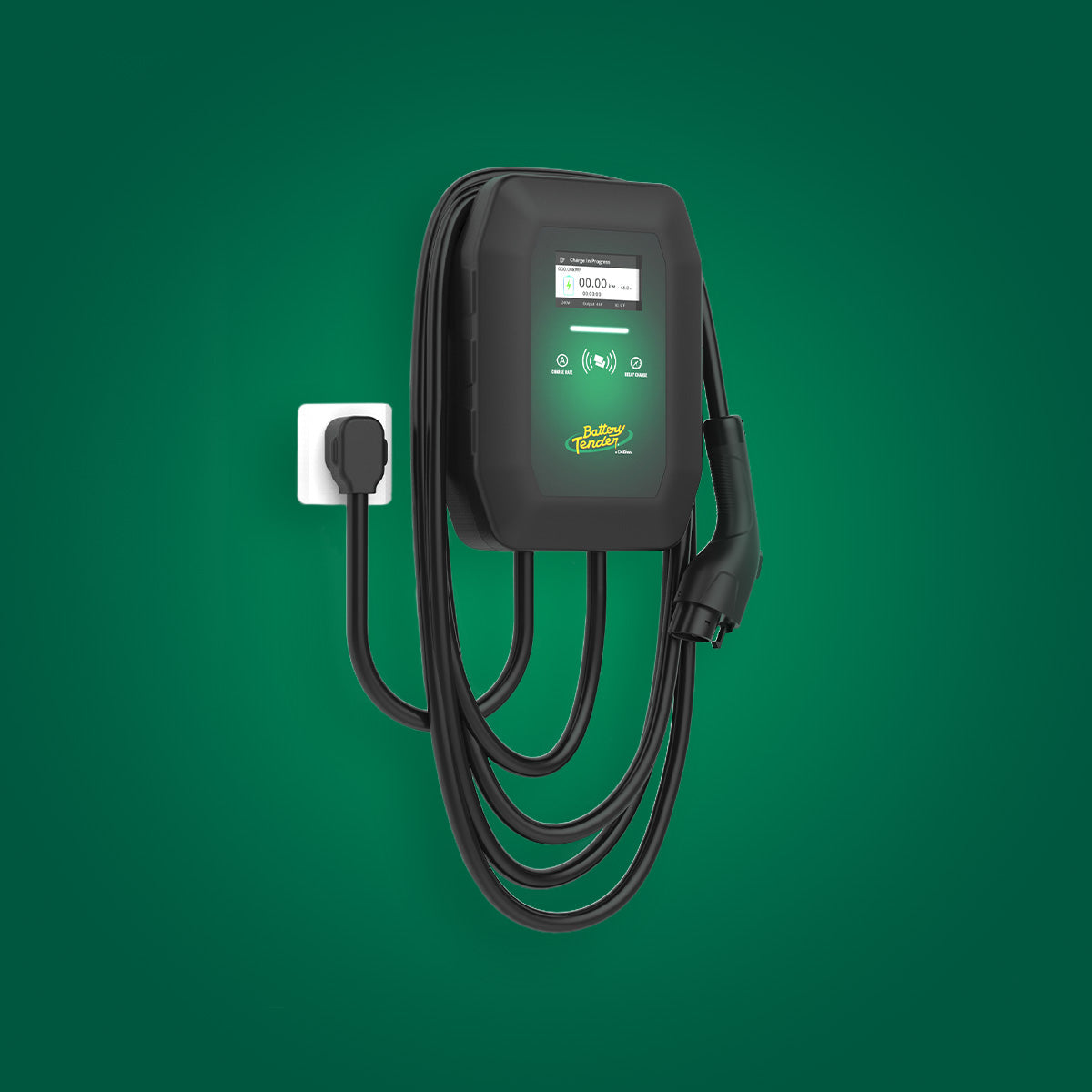
Recommended Battery Tender® products
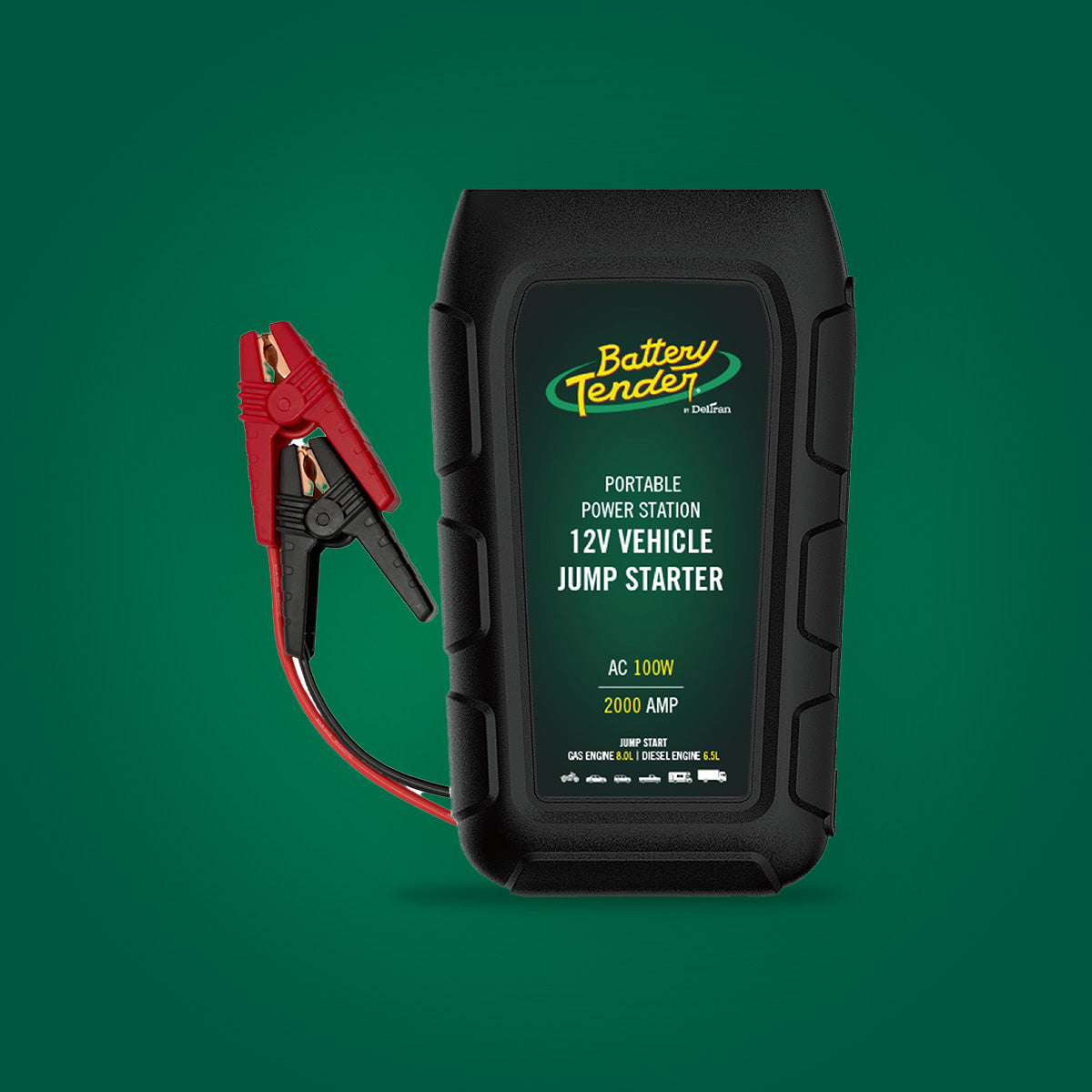
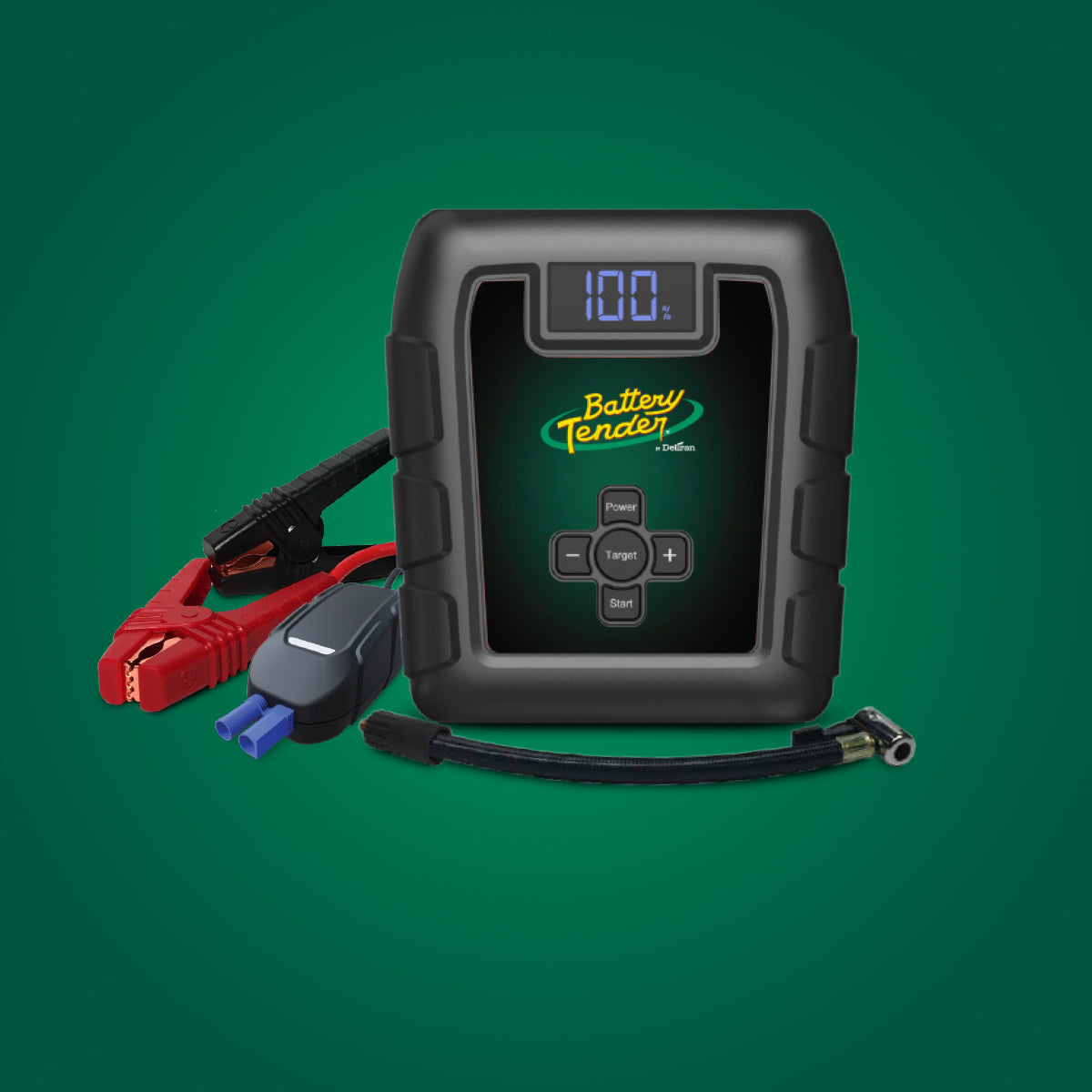
Browse the full lineup in Battery Chargers and, for multi-battery marine/RV setups, MultiBank Power Solutions. Keep a 1500 Amp Lithium Jump Starter aboard for peace of mind. Next, learn how to match a charger to your battery in our deep cycle battery charger guide.
Frequently asked questions
What is a deep cycle battery used for?
Trolling motors, RV house power, golf carts, solar storage, and any application that needs steady power over hours rather than a quick engine crank.
How long does a deep cycle battery last?
Flooded/AGM units typically last 3–6 years; quality LiFePO4 batteries can last 8–10+ years with proper charging.
How deep can I discharge it?
Flooded/AGM: down to ~50% for best life. LiFePO4: ~80–90% usable without harm.
Can I charge a deep cycle battery with a regular charger?
Use a smart charger matched to the chemistry — especially a lithium profile for LiFePO4. A smart maintainer prevents the sulfation that kills lead-acid deep cycle batteries.
Do I need a special charger for LiFePO4?
Yes — LiFePO4 needs a charger with a lithium charging profile and no equalization/desulfation stage.